
Impact of Global Trade on Sportswear and Equipment

Last updated by Editorial team at FitBuzzFeed on Friday 9 January 2026
Impact of Global Trade on Sportswear and Equipment in 2024

Global Trade and the Sportswear Economy in 2026: How Commerce Shapes Performance, Lifestyle, and Innovation

A New Era for Sportswear in a Connected World

By 2026, the sportswear and equipment industry has evolved into a powerful barometer of global economic health, technological progress, and cultural change. What began as a niche segment of the textile and footwear trade has become a multi-trillion-dollar ecosystem that connects factories in Asia, design studios in Europe, logistics hubs in North America, and consumers in every major region of the world. For the international audience of fitbuzzfeed.com, which closely follows developments in sports, fitness, health, business, technology, and lifestyle, understanding how global trade structures this ecosystem is no longer a specialist concern; it is central to how athletes train, how brands compete, how jobs are created, and how consumers in cities from New York to Singapore and São Paulo to Stockholm experience performance and wellbeing in their everyday lives.

In 2026, trade agreements, tariff regimes, digital commerce, and sustainability regulations shape not only where sportswear and equipment are produced, but also how quickly innovations reach markets, how brands communicate their values, and how reliably products arrive on shelves and doorsteps. The industry now sits at the intersection of performance science, global logistics, climate policy, and digital transformation, and this intersection defines the experience of consumers who read about training trends on FitBuzzFeed Fitness, follow global tournaments on FitBuzzFeed Sports, or track broader geopolitical shifts via FitBuzzFeed World.

From Early Textile Trade to Global Performance Markets

The roots of modern sportswear lie in the early globalization of textiles and leather goods in the late nineteenth and early twentieth centuries, when cotton from the United States, wool from the United Kingdom, and silk from Asia flowed through expanding trade networks. As industrialization advanced in Europe and North America, factories experimented with new knitting techniques and fabric blends that could better support movement, breathability, and durability, laying the foundation for clothing designed explicitly for sport rather than merely adapted from everyday garments. Italian and Spanish leather exports supplied some of the earliest specialized football boots and protective equipment, while British and American mills began to refine jerseys and tracksuits that would later become iconic symbols of national and club identity.

The second half of the twentieth century transformed this fragmented landscape into a truly global industry. Post-war trade liberalization, the creation of institutions such as the World Trade Organization, and the rise of multinational corporations enabled companies to scale across borders at unprecedented speed. Adidas in Germany, Nike in the United States, and later Puma in Germany turned performance footwear and apparel into global consumer products by combining international manufacturing networks with cross-border marketing, athlete endorsements, and large-scale logistics operations. These brands demonstrated that sportswear could travel the same routes as automobiles, electronics, and luxury goods, and in doing so, they set the template for the integrated supply chains that now define the sector.

Globalized Supply Chains: Complexity, Risk, and Competitive Advantage

By 2026, the typical journey of a sports shoe or connected fitness device may span half a dozen countries and three continents. Design and product development often take place in innovation centers in the United States, Germany, France, the United Kingdom, Japan, or South Korea, drawing on sports science research from institutions such as the U.S. National Institutes of Health or the Australian Institute of Sport. Raw materials may be sourced from Brazil, China, or Indonesia, while mid-stage processing of textiles or components is carried out in hubs across Vietnam, Bangladesh, or Turkey. Final assembly frequently occurs in large manufacturing clusters in China, Vietnam, Cambodia, or Mexico, before products are shipped to distribution centers in Europe, North America, and Asia for delivery to retailers or direct-to-consumer channels.

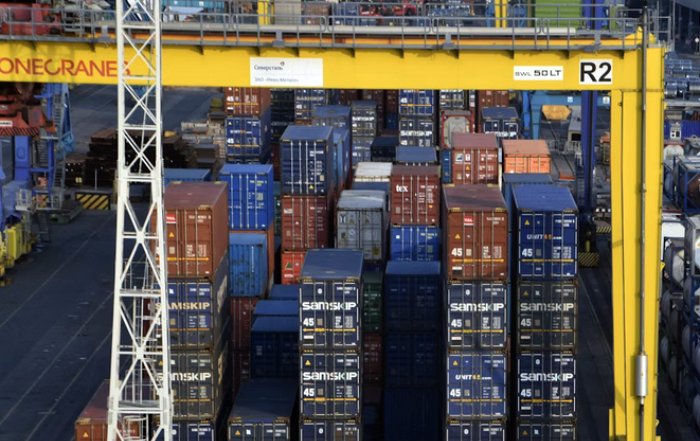
This model has allowed companies to keep costs competitive while rapidly integrating new materials, digital sensors, and design features. It has also linked the sportswear economy tightly to global trade policies, container shipping networks, and geopolitical stability. Disruptions ranging from the COVID-19 pandemic to port congestion, Red Sea security incidents, and semiconductor shortages have demonstrated how quickly a logistics shock can translate into stockouts for popular running shoes, delays for smart treadmills, or price increases for performance wear. For readers who follow performance and recovery trends on FitBuzzFeed Health and FitBuzzFeed Wellness, these disruptions are not abstract; they affect when new training technologies or sustainable fabrics actually become available in gyms and homes.

To manage these risks, leading brands increasingly diversify production across multiple countries, invest in near-shoring and regional manufacturing, and adopt advanced planning tools. Trade agreements such as the United States-Mexico-Canada Agreement (USMCA), the Comprehensive and Progressive Agreement for Trans-Pacific Partnership (CPTPP), and regional frameworks in Europe and Asia shape where factories are built, which ports are prioritized, and how quickly goods can flow between major markets. Organizations like the World Customs Organization and the International Chamber of Commerce influence the technical rules that underpin these flows, from customs procedures to standards for product labeling and safety.

Major Markets: United States, Europe, and Asia in a Rebalanced Landscape

North America: Innovation, Scale, and Reshoring Pressures

The United States remains the single largest market for sportswear and equipment, driven by a strong culture of organized sport, a mature fitness club industry, and a rapidly growing at-home training segment. American consumers are early adopters of connected devices, performance analytics, and athleisure fashion that merges office, travel, and training wardrobes. Brands such as Nike and Under Armour use their home market as a testing ground for innovations in materials science, digital coaching platforms, and direct-to-consumer retail, often integrating data from wearables and apps to refine product lines.

At the same time, political and economic debates in the United States and Canada about industrial policy and job creation have generated pressure for reshoring or near-shoring parts of the supply chain. Companies explore manufacturing in Mexico or U.S. states with advanced robotics capabilities to reduce exposure to long-distance shipping risks and trade disputes. Government agencies such as the U.S. International Trade Administration and the Canada Border Services Agency influence these decisions through tariff schedules, trade remedies, and enforcement of labor and environmental standards in trade agreements.

Europe: Regulation, Sustainability, and Premium Positioning

Europe, led by markets in Germany, the United Kingdom, France, Italy, Spain, the Netherlands, and the Nordic countries, combines a rich sporting culture with some of the world's most advanced sustainability and consumer protection regulations. Adidas, Puma, and Decathlon operate from this regulatory environment, which is increasingly shaped by the European Commission's European Green Deal and initiatives on circular economy, extended producer responsibility, and carbon border adjustments.

European consumers in Germany, Sweden, Denmark, Norway, and Switzerland often demand traceability of materials, low-impact manufacturing, and credible commitments to worker welfare. Brands must therefore integrate environmental and social governance into their global trade strategies, from sourcing recycled polyester and bio-based foams to optimizing shipping routes for reduced emissions. Organizations such as the European Environment Agency and the Ellen MacArthur Foundation help shape best practices for circular design and recycling systems that the sportswear sector increasingly adopts.

Brexit has introduced additional complexity for trade between the United Kingdom and the European Union, requiring brands to manage separate customs regimes and regulatory requirements, yet the UK remains a critical hub for sports culture, media, and retail. For FitBuzzFeed readers in London, Manchester, Berlin, Paris, Milan, and Barcelona, this regulatory environment influences everything from the availability of limited-edition football kits to the pace at which new sustainable running shoes or cycling gear reach stores.

Asia-Pacific: Production Powerhouse and Consumer Growth Engine

Asia-Pacific plays a dual role as both the primary manufacturing base for global sportswear and one of the fastest-growing consumer regions. China, Vietnam, Indonesia, and Bangladesh remain central to production, while countries such as India, Thailand, and Malaysia experience rapid growth in domestic demand for branded sportswear and equipment as middle classes expand and urban lifestyles change. In advanced economies like Japan, South Korea, Singapore, and Australia, consumers expect high-performance products, sophisticated design, and seamless digital experiences.

Chinese brands such as Li-Ning and Anta Sports have moved from domestic challengers to global competitors, supported by China's integration into global trade networks and initiatives like the Belt and Road. Their strategies combine sponsorship of elite athletes, heavy investment in research and development, and acquisitions of international brands such as Fila, positioning them to compete directly with Western giants in markets across Europe, North America, and Latin America. Trade policy developments involving China, including tariffs and export controls, therefore have direct implications for product availability and pricing in markets from Los Angeles to London and São Paulo.

Regional trade frameworks like the Regional Comprehensive Economic Partnership (RCEP) facilitate intra-Asian trade in textiles, components, and finished products, encouraging more integrated regional supply chains. Governments in Singapore, South Korea, and Japan promote innovation in smart textiles, sensor technologies, and robotics, often in collaboration with universities and research institutes highlighted by platforms such as Nature and ScienceDirect.

Equipment, Technology, and the New Performance Ecosystem

While footwear and apparel dominate the public imagination, the trade in sports equipment and connected training systems has become equally central to the global performance economy. From carbon-fiber racing bicycles and composite tennis rackets to smart rowing machines and AI-enabled strength equipment, high-value products rely on advanced materials, precision engineering, and complex electronics supply chains. These supply chains intersect with industries covered by organizations such as the World Economic Forum and standards bodies like the International Organization for Standardization, which influence everything from safety standards to interoperability of digital systems.

The surge in connected fitness that accelerated during the pandemic years has not abated; instead, it has matured. Consumers in the United States, Canada, Germany, the United Kingdom, Australia, and increasingly in markets such as Brazil, South Africa, and the United Arab Emirates invest in smart treadmills, bikes, and rowers that integrate with subscription platforms and wearable devices. This convergence of hardware, software, and cloud infrastructure means that sports equipment companies now participate in global digital trade as much as in physical goods trade, navigating data regulations, app-store ecosystems, and cross-border subscription billing. For readers following performance technology on FitBuzzFeed Technology, the sports equipment trade has become a case study in how physical and digital value chains merge.

Sustainability, Ethics, and Trust in Global Supply Chains

Trust has become a strategic asset in the sportswear and equipment industry, as consumers in North America, Europe, and increasingly Asia and Latin America scrutinize how and where products are made. Environmental concerns about microplastics, water use, and carbon emissions intersect with social concerns about wages, working conditions, and gender equality in factories. Organizations such as the Better Cotton Initiative, the Fair Labor Association, and the International Labour Organization provide frameworks and audits that brands use to demonstrate responsible sourcing and ethical manufacturing.

In Europe and parts of North America, new due-diligence regulations require large companies to identify and address human rights and environmental risks in their supply chains, effectively embedding ethical trade into the legal architecture of global commerce. Brands that fail to meet these expectations risk reputational damage, legal penalties, and consumer backlash, particularly among younger, urban demographics who connect their purchasing decisions with broader wellness and lifestyle values. For FitBuzzFeed readers who align their training, nutrition, and lifestyle choices with personal ethics, these developments influence which brands they trust to support their performance without compromising their principles.

In response, leading companies experiment with low-impact dyes, regenerative agriculture for natural fibers, closed-loop recycling programs, and renewable energy in factories and warehouses. Research from organizations like the United Nations Environment Programme and the World Resources Institute informs strategies for reducing the environmental footprint of textiles, packaging, and logistics. Blockchain-based traceability systems and digital product passports are piloted to give consumers verifiable information about the origin and lifecycle of garments and equipment.

Emerging Markets in Africa and South America: From Destinations to Hubs

Africa and South America, once viewed primarily as end-markets for imported sportswear, are now becoming integral nodes in production, innovation, and cultural influence. In Africa, countries such as Ethiopia, Kenya, and Egypt attract investment from global brands seeking diversified manufacturing bases supported by favorable trade arrangements with the United States and European Union. South Africa and Nigeria, with their strong sporting cultures and growing middle classes, drive demand for both global and regional brands, while local entrepreneurs launch labels that reflect African aesthetics and athletic identities.

In South America, Brazil remains a powerhouse, its football culture and expanding fitness sector fueling high consumption of jerseys, footwear, and training equipment. Argentina, Colombia, and Chile see growing interest in running, cycling, and functional fitness, creating opportunities for both multinational corporations and local companies to develop products tailored to climate, body types, and cultural preferences. Trade agreements such as Mercosur and partnerships with the European Union and Asia influence tariff levels and investment flows, shaping which products reach consumers and at what price.

For the global readership of FitBuzzFeed World, these developments highlight a shift from a one-way flow of sportswear from Europe, North America, and East Asia to the rest of the world, toward a more multi-polar system in which African and South American cities also become sources of design, manufacturing expertise, and sports culture that influence trends worldwide.

Digital Trade, E-Commerce, and the Direct-to-Athlete Model

The digitalization of commerce has fundamentally changed how sportswear and equipment move across borders. E-commerce giants such as Amazon, Alibaba, and JD.com, alongside specialist platforms like Fanatics and regional marketplaces in Europe and Southeast Asia, allow consumers in Canada, Germany, Singapore, or New Zealand to purchase products from brands headquartered thousands of kilometers away with just a few clicks. Cross-border e-commerce rules, simplified customs procedures for low-value shipments, and digital payments infrastructure have turned global trade into an everyday experience for individual athletes and fitness enthusiasts.

Social platforms with integrated shopping features, including Instagram, TikTok, and WeChat, enable direct-to-athlete business models in which brands and influencers sell limited collections, training gear, or nutrition products directly to followers around the world. This shift reduces dependence on traditional wholesale distribution and retail channels, but it also requires sophisticated management of cross-border taxes, returns, and consumer protection rules. Guidance from organizations like the Organisation for Economic Co-operation and Development and the World Bank on digital trade and small-business participation helps shape the environment in which emerging sportswear labels can reach global audiences without massive capital investment.

For FitBuzzFeed readers who explore training concepts on FitBuzzFeed Training and follow breaking developments on FitBuzzFeed News, this digital trade revolution means that innovations in compression technology from a German startup, sustainable fabrics from a French lab, or smart recovery tools from a Korean company can be tested and adopted worldwide within months rather than years.

Case Studies in Global Trade Strategy and Brand Positioning

Leading organizations in the sportswear and equipment sector illustrate how different strategic choices in trade, sustainability, and digitalization can build or erode competitive advantage. Nike continues to refine a diversified supply chain across Vietnam, China, Indonesia, and Latin America, while investing in automation and data-driven planning to mitigate tariff and logistics risks. Its direct-to-consumer platforms and membership ecosystems integrate retail, training content, and community engagement, allowing the company to collect granular data and reduce reliance on third-party retailers.

Adidas leverages its European base to align closely with EU sustainability regulations, investing in recycled ocean plastics, bio-based materials, and pilot programs for local, automated production facilities that shorten lead times and reduce shipping emissions. Decathlon, with a presence in more than 70 countries, exemplifies localization by developing region-specific product lines and establishing local manufacturing where feasible, thereby reducing costs and carbon footprints while strengthening resilience.

In China, Li-Ning and Anta Sports combine state-of-the-art design, aggressive sponsorship strategies, and acquisitions of international brands to expand far beyond their home market. Their ability to navigate Chinese and international trade rules, leverage domestic manufacturing strength, and tap into rising national pride demonstrates how regional champions can become global players. Under Armour, meanwhile, illustrates how a U.S. brand can respond to trade tensions and supply-chain shocks by diversifying sourcing away from single-country dependence, investing in digital fitness ecosystems, and emphasizing performance credentials rooted in sports science.

Global Sports Events: Trade, Identity, and Soft Power

Major international events such as the Olympic Games, the FIFA World Cup, the Rugby World Cup, and the Tour de France reveal the full scale of the relationship between global trade and sports culture. Official kits, replica jerseys, footwear, balls, timing systems, and training equipment must be designed, manufactured, and distributed on tight timelines to fans and athletes across continents. Coordination between brands, event organizers, logistics providers, customs authorities, and national governments is essential to ensure that goods arrive on time and comply with regulations in dozens of jurisdictions.

These events also function as showcases for new technologies, sustainable materials, and inclusive design, with governing bodies such as the International Olympic Committee and FIFA increasingly integrating sustainability and human-rights criteria into sponsorship and licensing agreements. When a fan in Tokyo wears a jersey made in Vietnam to support a European club, or a young player in Lagos trains with a ball produced in Pakistan for a tournament in North America, the cultural and economic dimensions of global trade become inseparable.

The Road Ahead: Resilience, Responsibility, and Performance

Looking beyond 2026, the sportswear and equipment industry faces a set of intertwined challenges and opportunities that will test the experience, expertise, and trustworthiness of every major player in the sector. Climate change is already affecting cotton yields, water availability, and transportation infrastructure, compelling companies to invest in climate-resilient sourcing, low-carbon logistics, and robust risk-management systems. Rising protectionism and geopolitical tensions may fragment trade flows, encouraging regionalization of supply chains and greater emphasis on local manufacturing, including additive manufacturing and on-demand production models that could reshape how athletes and fitness enthusiasts access customized gear.

At the same time, scientific progress in performance physiology, biomechanics, and recovery-documented by resources such as PubMed and leading sports science journals-will continue to drive demand for more advanced materials, smarter equipment, and integrated digital coaching. Consumers will expect that these innovations are delivered in ways that respect both people and the planet, aligning with the broader wellness and lifestyle aspirations that shape their choices in nutrition, physical activity, and mental health.

For the global community that turns to fitbuzzfeed.com to understand how sports, fitness, health, business, and technology intersect, the sportswear and equipment trade offers a uniquely tangible lens on globalization itself. Every pair of running shoes, every connected bike, every sustainable jersey embodies a complex story of design, labor, regulation, logistics, and culture that stretches from factories and research labs to stadiums, streets, offices, and home gyms. As brands, policymakers, and consumers navigate the next phase of this story, the organizations that combine deep expertise, transparent practices, and genuine commitment to performance and responsibility will shape not only the future of sport, but also the broader patterns of global commerce and lifestyle that define the coming decade.

How Sports are Becoming a Key Part of Lifestyle Choices in Europe and Asia

Last updated by Editorial team at FitBuzzFeed on Friday 9 January 2026
How Sports are Becoming a Key Part of Lifestyle Choices in Europe and Asia

How Sports Became a Core Lifestyle Engine Across Europe and Asia in 2026

Across both Europe and Asia, sports have shifted from being primarily a recreational pastime or an elite professional pursuit to becoming a central pillar of modern life, shaping how people work, socialize, consume, and define long-term wellbeing. By 2026, this transformation is no longer an emerging trend but an entrenched reality, visible in urban planning decisions, corporate strategies, consumer markets, and the everyday routines of millions of people. For the global audience of FitBuzzFeed, which spans fitness enthusiasts, health-conscious professionals, brand leaders, and technology innovators, this evolution offers a powerful lens into where the next decade of lifestyle, business, and wellness is heading.

What distinguishes this new era is the integration of sports with broader cultural and economic forces: rising health literacy, digital innovation, sustainability commitments, and a growing recognition that physical activity is inseparable from mental resilience and professional performance. From cycling-first cities in northern Europe to smart-fitness ecosystems in East Asia, sports are now embedded in how individuals across continents think about identity, success, and quality of life. As readers explore related topics on FitBuzzFeed Fitness and FitBuzzFeed Health, this broader context helps explain why training plans, nutrition choices, and wellness routines have become strategic life decisions rather than short-term trends.

The European Evolution: Sports as Preventive Health and Civic Culture

Preventive Fitness and the Health-First Mindset

In Europe, the convergence of public health policy, demographic change, and lifestyle aspiration has turned sports into a cornerstone of preventive care. Governments facing aging populations, rising chronic disease burdens, and strained healthcare systems have increasingly treated physical activity as a strategic investment rather than an optional recommendation. Countries such as Germany, Sweden, Norway, and Finland have expanded funding for community sports facilities, pedestrian-friendly infrastructure, and public campaigns that normalize everyday movement as a medical necessity.

In the United Kingdom, collaborations between the National Health Service (NHS) and local leisure centers have matured into structured "exercise prescription" programs, where physicians routinely refer patients to supervised physical activity for conditions ranging from type 2 diabetes to anxiety and mild depression. Readers interested in the clinical evidence behind exercise prescriptions can explore current guidance from organizations such as the World Health Organization and the European Society of Cardiology, which increasingly frame sports and structured exercise as frontline interventions. For FitBuzzFeed's audience of professionals balancing demanding careers with long-term health goals, this European model underscores why consistent training is now viewed as an asset rather than a distraction.

Urban design has followed suit. Cities including Berlin, Copenhagen, and Amsterdam have expanded green corridors, riverside running paths, and outdoor calisthenics parks, making it easier for residents to integrate movement into commutes and lunch breaks. These developments dovetail with the broader shift toward active lifestyles highlighted across FitBuzzFeed Physical, where mobility, posture, and functional strength are treated as everyday performance metrics, not just gym goals.

Sports as Social Infrastructure

Alongside health priorities, sports in Europe have become powerful engines of social connection, community cohesion, and even informal networking. Amateur football leagues in Italy, Spain, and France now serve as weekly rituals for young professionals, remote workers, and migrants seeking community in new cities, offering a social structure that cuts across class and nationality. Large-scale events such as the Berlin Marathon, the London Marathon, and cycling sportives in the Netherlands and Belgium have evolved into multi-day festivals, combining tourism, cultural programming, and charity fundraising.

These events illustrate how sports function as social infrastructure: they create shared narratives, local pride, and cross-border connections. Organizations like UEFA and World Athletics have capitalized on this dynamic, positioning major competitions as cultural landmarks that attract not only athletes but also brands, media, and policymakers. For readers tracking global event trends on FitBuzzFeed Events, this fusion of sport, culture, and hospitality is reshaping how cities in Europe compete for visitors and investment.

The socialization of sports also extends into digital spaces. European-based platforms and communities on services like Strava and Zwift have enabled cyclists and runners to form transnational training groups, share performance data, and participate in virtual races, reinforcing a sense of belonging that transcends geography. This interplay between offline and online engagement is central to how European sports culture now operates: local clubs and city events are amplified by digital storytelling, influencer narratives, and performance benchmarking.

Sustainability, Mobility, and the Sports-Climate Nexus

Europe's strong regulatory focus on climate and sustainability has profoundly influenced how sports intersect with lifestyle and mobility. Countries such as Denmark and the Netherlands treat cycling not merely as exercise but as a primary mode of urban transportation, supported by segregated bike lanes, secure parking infrastructure, and fiscal incentives. Reports from the European Environment Agency and the European Commission highlight active mobility as a key lever for reducing emissions and improving air quality, reinforcing the idea that every bike commute is simultaneously a workout and a climate action.

Sportswear and equipment companies headquartered in Europe have adapted quickly to this value shift. Adidas, Puma, and Salomon have expanded lines built from recycled plastics, bio-based materials, and circular design principles, often validated by independent bodies such as the Global Reporting Initiative and standards referenced by the United Nations Environment Programme. For business leaders and brand strategists reading FitBuzzFeed Business, the European market demonstrates how sustainability is no longer a marketing add-on but a core expectation for any brand operating at the intersection of sport, fashion, and lifestyle.

The Asian Transformation: Balancing Intensity, Tradition, and Innovation

Urban Pressure and the Search for Balance

Across Asia, rapid urbanization, long working hours, and intense academic competition have created an environment where sports and fitness are increasingly seen as essential counterweights to stress and burnout. Cities such as Tokyo, Seoul, Singapore, Shanghai, and Bangkok have experienced an explosion of boutique fitness studios, rooftop gyms, 24-hour training centers, and mixed-use developments where residential, retail, and wellness facilities coexist within a single complex.

In Singapore, national initiatives like "SportSG" and city-wide fitness challenges have encouraged office workers and students to embrace structured physical activity, supported by public facilities and corporate partnerships. The city-state's approach aligns with broader policy frameworks such as the Health Promotion Board, which explicitly links sports participation to long-term productivity and healthcare cost containment. For readers following global policy trends on FitBuzzFeed World, Singapore's model offers a blueprint for other dense urban centers grappling with similar pressures.

In China, the Healthy China 2030 agenda has placed sports at the heart of public health strategy, encouraging mass participation in running, basketball, and community fitness programs. Public squares in cities and smaller towns alike host group dance, tai chi, and calisthenics sessions, blending traditional movement practices with contemporary fitness culture. This hybridization illustrates how Asian societies are using sports to harmonize economic ambition with cultural continuity.

Traditional Practices, Mindfulness, and Holistic Wellness

One of the most distinctive features of the Asian sports lifestyle is the seamless integration of traditional wellness practices with modern training methodologies. Yoga, originating in India and now practiced globally, continues to evolve across Asia as both a spiritual discipline and a performance-enhancing modality. Retreat centers in Bali, Goa, Chiang Mai, and Kyoto host programs that combine asana practice with strength conditioning, meditation, and nutrition coaching, appealing to both international travelers and local professionals seeking structured recovery from high-pressure lifestyles.

The scientific validation of mind-body practices by institutions such as the National Institutes of Health and the Mayo Clinic has further legitimized yoga, tai chi, and qigong as evidence-based components of holistic health strategies. For the FitBuzzFeed community following FitBuzzFeed Wellness and FitBuzzFeed Nutrition, this integration underscores why recovery, sleep hygiene, and mental clarity are now treated as performance variables on par with VO₂ max or strength metrics.

Martial arts such as taekwondo in South Korea, karate in Japan, and wushu and kung fu in China have also found new relevance as parents seek structured disciplines that develop resilience, focus, and respect in children while providing an athletic foundation. These practices are increasingly combined with contemporary strength and conditioning techniques, resulting in hybrid programs that appeal to both traditionalists and modern athletes.

Corporate Wellness and the Sports-Work Interface

Asian corporations, particularly in Japan, South Korea, India, and major Chinese cities, have recognized the strategic value of embedding sports into workplace culture. Companies now routinely subsidize gym memberships, sponsor internal running clubs, and organize step-count or cycling challenges, often tracked via corporate wellness platforms and wearables. Research from organizations such as the World Economic Forum and the International Labour Organization has strengthened the business case by linking employee wellbeing programs to improved retention, reduced absenteeism, and higher engagement.

In high-tech hubs like Shenzhen and Bangalore, startups and large technology firms alike have adopted flexible scheduling to accommodate morning or midday workouts, acknowledging that cognitive performance is strongly influenced by physical condition. This shift resonates with the professional readership of FitBuzzFeed Training, where structured exercise is increasingly framed as a productivity tool and a hedge against burnout rather than a purely personal indulgence.

Technology as the Great Integrator of Sports and Daily Life

Wearables, Smart Data, and Personalized Coaching

The digital transformation that accelerated during the early 2020s has, by 2026, fully redefined how individuals across Europe and Asia experience sports and fitness. Wearable devices from Apple, Garmin, Fitbit, Samsung, and emerging regional brands now track not only steps and heart rate but also heart rate variability, sleep stages, recovery scores, and even early markers of overtraining. These data streams feed into apps that provide personalized training plans, nutritional guidance, and stress management recommendations.

In London, Munich, Stockholm, Tokyo, and Seoul, gyms and sports clubs commonly integrate member wearables into their management systems, enabling coaches to monitor client progress remotely and adjust programs in real time. Health systems and insurers in markets such as Germany and Singapore have begun to experiment with incentive structures that reward consistent activity, drawing on evidence from the OECD and similar institutions that link physical activity to reduced healthcare expenditure. For readers exploring the future of smart health ecosystems on FitBuzzFeed Technology, this convergence of medical data, consumer tech, and sports science signals a profound shift in how performance and health are managed.

In East Asia, AI-driven virtual coaches are now embedded in connected fitness mirrors, smart TVs, and mobile apps, delivering adaptive workouts that respond to user fatigue, schedule constraints, and environmental conditions. These systems draw on sports science research from universities and institutes referenced by platforms such as PubMed, translating complex algorithms into accessible daily routines.

Online Communities, Gamification, and Hybrid Experiences

Parallel to the rise of wearables, online fitness communities and gamified platforms have turned sports into a social and competitive experience even for individuals training alone. Services like Strava, Zwift, and region-specific apps in China, Japan, and India allow cyclists, runners, and triathletes to compare segments, earn digital badges, and participate in global challenges. This gamification has been particularly effective in engaging younger demographics who are accustomed to digital achievement systems through gaming and social media.

In corporate settings across Europe and Asia, step challenges, virtual charity runs, and inter-office competitions have become standard components of employee engagement strategies. These initiatives are often supported by HR platforms that integrate with wearables and mobile apps, reflecting a broader trend in which sports and movement data are woven into organizational culture. For lifestyle observers and brand strategists following FitBuzzFeed Lifestyle, these hybrid experiences illustrate how physical and digital identities are converging, with sports serving as a shared language.

Brands, Events, and the Commercialization of Sports Lifestyles

Athleisure, Identity, and Everyday Performance

Global sportswear leaders such as Nike, Adidas, Puma, ASICS, Li-Ning, and Lululemon have been instrumental in embedding sports aesthetics into mainstream fashion, blurring the distinction between training gear and everyday clothing. The rise of athleisure has been especially pronounced in metropolitan centers like Paris, Milan, London, Tokyo, Seoul, Sydney, and New York, where performance fabrics and technical footwear are now standard in workplaces with flexible or hybrid dress codes.

This shift reflects a deeper cultural narrative: clothing that signals an active lifestyle is increasingly associated with discipline, self-care, and modernity. Market analyses from sources such as McKinsey & Company and Deloitte highlight how consumers, particularly in the United States, Europe, and Asia-Pacific, prioritize versatility and wellness alignment in purchasing decisions. For brand-focused readers on FitBuzzFeed Brands, this evolution underscores why collaborations between sportswear companies, luxury houses, and digital creators have become central to brand positioning.

Mega-Events, Tourism, and City Branding

Major sporting events continue to serve as catalysts for infrastructure investment, tourism development, and city branding. In Europe, tournaments under the umbrella of UEFA, cycling races like the Tour de France, and multi-sport competitions such as the European Games have reinforced the continent's image as a hub of high-performance sport and active travel. In Asia, the legacy of the Tokyo 2020 Olympics, the Beijing 2022 Winter Olympics, and ongoing bids for future events have prompted cities to expand stadiums, public transit, and recreational spaces designed for long-term community use.

These events not only attract athletes and fans but also drive demand for sports tourism packages that combine competition viewing with local experiences such as hiking in the Alps, surfing in Australia, or wellness retreats in Thailand. Reports from the World Tourism Organization demonstrate how sports tourism has become one of the fastest-growing segments of the global travel industry. For readers tracking global dynamics on FitBuzzFeed News and FitBuzzFeed World, the implication is clear: cities that invest in sports infrastructure and active experiences are better positioned to attract both visitors and residents seeking high-quality, health-oriented lifestyles.

Careers, Skills, and the Expanding Sports Economy

New Professions in a Growing Ecosystem

The rise of sports as a lifestyle driver has created a diverse ecosystem of jobs and entrepreneurial opportunities across Europe and Asia. Beyond traditional roles such as coaches and physical therapists, there is growing demand for sports data analysts, performance nutritionists, wellness program designers, digital content creators, and product managers specialized in connected fitness devices. Universities and institutes in Germany, the United Kingdom, Australia, Japan, and Singapore have expanded degree programs in sports management, exercise science, and health-tech innovation, reflecting labor market forecasts from sources like the International Monetary Fund and the World Bank.

For career-focused readers of FitBuzzFeed Jobs, the key insight is that sports-related careers now intersect with technology, media, healthcare, and sustainability. A professional might simultaneously manage a brand's digital running community, interpret biometric data from wearables, and coordinate partnerships with healthcare providers or corporate wellness clients, illustrating how multidisciplinary the field has become.

Entrepreneurship, Startups, and Regional Hubs

Startups across North America, Europe, and Asia-Pacific are capitalizing on this momentum by building platforms that connect users to trainers, deliver on-demand classes, provide AI-driven coaching, or facilitate community-based events. Cities like Berlin, London, Amsterdam, Singapore, Seoul, and Shenzhen have emerged as hubs for sports-tech innovation, supported by venture capital and accelerator programs that recognize the long-term growth potential of the sector. Analyses from organizations such as PwC suggest that the global sports market, including media rights, sponsorship, fitness services, and equipment, will continue to expand through 2030, driven in part by these entrepreneurial ecosystems.

Looking Ahead: Smart Cities, Identity, and the Next Phase of Sports Lifestyles

Sports in the Smart City Blueprint

By 2026, the blueprint for future "smart cities" increasingly includes sports and active mobility as foundational components. In Copenhagen, Amsterdam, Zurich, Singapore, and Tokyo, planners are integrating IoT-enabled fitness stations, sensor-equipped running paths, and dynamic lighting systems that adjust to encourage safe evening exercise. Data from these systems feed into city dashboards that track population activity levels, public space utilization, and environmental impact, informing policy decisions and resource allocation.

This integration aligns with frameworks promoted by institutions such as the OECD and the World Health Organization, which emphasize the role of active environments in achieving sustainable development goals. For FitBuzzFeed readers following FitBuzzFeed Sports and FitBuzzFeed Wellness, it signals a future in which access to high-quality sports infrastructure is regarded as a basic element of urban livability.

Sports as Identity, Culture, and Personal Strategy

Perhaps the most profound change in both Europe and Asia is that sports have become integral to personal identity and life strategy. Younger generations in the United States, United Kingdom, Germany, China, Japan, South Korea, Australia, and beyond increasingly define themselves through the practices they adopt-whether as runners, cyclists, lifters, yogis, climbers, or esports competitors. Social media platforms amplify these identities, turning personal progress into shared narratives that inspire peers and shape consumer behavior.

For the FitBuzzFeed community, which spans continents from North America to Europe, Asia, Africa, and South America, this means that decisions about training, nutrition, technology, and brands are no longer isolated choices; they are expressions of values related to sustainability, resilience, community, and ambition. As readers move between sections like FitBuzzFeed Lifestyle, FitBuzzFeed Fitness, and FitBuzzFeed Business, a consistent theme emerges: sports are now a strategic framework for living well in an increasingly complex, digital, and interconnected world.

In 2026, the conclusion is unmistakable. Across Europe and Asia, sports have transcended their traditional boundaries to become a unifying force that links health, technology, economy, and culture. For individuals, organizations, and cities alike, embracing this integrated sports lifestyle is no longer optional; it is a defining factor in building a future that is healthier, more resilient, and more deeply connected.

Top Sportswear Brands for Fitness Beginners to Pro Athletes

Last updated by Editorial team at FitBuzzFeed on Friday 9 January 2026
Top Sportswear Brands for Fitness Beginners to Pro Athletes

Global Sportswear Leaders in 2026: Performance, Culture, and the Business of Movement

Sportswear at the Center of a Changing Fitness World

By 2026, the global sportswear industry has evolved into one of the most dynamic intersections of performance, technology, culture, and sustainability. What once revolved around straightforward athletic apparel has become a complex ecosystem that touches every part of modern life, from elite competition and everyday commuting to remote work, digital training, and wellness retreats. For the global audience of FitBuzzFeed, spread across regions such as North America, Europe, Asia, Africa, and South America, sportswear is no longer a simple purchase decision; it is a strategic choice that signals lifestyle, values, and ambitions in fitness, health, and business.

The industry's expansion has been accelerated by macro trends that are especially visible in markets such as the United States, United Kingdom, Germany, Canada, Australia, France, Italy, Spain, Netherlands, Switzerland, China, Japan, South Korea, Singapore, and Brazil. Hybrid work patterns, the mainstreaming of wellness, the rise of connected fitness technologies, and an intensified focus on sustainability have reshaped consumer expectations. Today's sportswear leaders must demonstrate not only technical excellence and design innovation but also clear commitments to environmental responsibility, social impact, and digital integration. For readers engaged with FitBuzzFeed Fitness, Health, Business, and Lifestyle, understanding how the top brands navigate these pressures is crucial to making informed choices as consumers, athletes, and professionals.

Against this backdrop, a small number of global brands continue to set the pace. Their strategies reveal how performance science, brand storytelling, and technological ecosystems can be aligned to support everyone from beginners taking their first steps in a local gym to professionals competing in world championships. They also show how sportswear has become a barometer of broader social trends, from mental health awareness and body inclusivity to climate action and the future of work.

Nike in 2026: From Performance Icon to Integrated Ecosystem

Nike enters 2026 not only as a market leader but as a benchmark for what a modern performance and lifestyle brand can be. Its influence stretches from grassroots sports in schools across the United States and Europe to Olympic stages and global marathons, where products like the Nike Alphafly and Vaporfly series continue to redefine expectations around speed and efficiency. For beginners, Nike's entry-level training shoes and apparel lines provide accessible quality and aspirational design, while for elite athletes, Nike's research-backed innovations in cushioning, plate technology, and fit customization remain central to performance optimization.

Nike has deepened its digital ecosystem, extending platforms such as the Nike Training Club and Nike Run Club into more personalized, AI-enhanced coaching environments that integrate biometric data from wearables and smartphones. Consumers in markets like Japan, Germany, and Canada now expect their apparel choices to connect seamlessly with training plans, recovery protocols, and performance analytics. This integration aligns closely with FitBuzzFeed's focus on holistic training, and readers exploring FitBuzzFeed Training or Technology will recognize how Nike's data-driven approach shapes the future of athletic preparation.

Sustainability remains a strategic pillar for Nike through its Move to Zero initiative, which targets zero carbon and zero waste across its value chain. The brand continues to expand the use of recycled polyester, bio-based materials, and circular design principles, responding to rising expectations among consumers in regions such as Scandinavia, United Kingdom, and Australia, where climate awareness is particularly strong. Those interested in how global leaders are rethinking materials can learn more about sustainable business practices from international organizations tracking corporate progress.

At the cultural level, Nike's collaborations with leading athletes, designers, and artists ensure that it remains embedded in music, streetwear, and youth culture, especially in urban centers from New York and London to Berlin and Seoul. This dual identity-technical excellence and cultural relevance-helps Nike maintain trust with both serious competitors and lifestyle consumers, reinforcing its authority in a crowded and rapidly evolving market.

Adidas: Circular Innovation and Global Football Power

Adidas continues to occupy a unique position in 2026, blending heritage, technical innovation, and sustainability leadership. Its long-standing association with football, including partnerships with clubs such as Real Madrid, Bayern Munich, and Manchester United, underpins its credibility among performance-focused athletes across Europe, South America, and Africa, where football remains a dominant sport and cultural touchstone. Simultaneously, Adidas's running, training, and athleisure lines serve beginners who seek versatile gear that transitions smoothly from gym to office or remote work environments.

Adidas has advanced its circular economy ambitions through initiatives building on the Futurecraft Loop concept and large-scale use of ocean-bound plastics in collaboration with environmental partners. These programs align with broader global sustainability frameworks; readers can explore how such initiatives connect with international climate goals through resources like the UNFCCC climate action portal. For consumers in regions such as Netherlands, Sweden, and Denmark, where sustainability is now a default expectation rather than a differentiator, Adidas's efforts significantly influence brand loyalty.

The brand's athleisure and lifestyle offerings continue to resonate with younger demographics who value fashion-forward silhouettes and collaborations with musicians, designers, and influencers across North America, Europe, and Asia. This crossover appeal is particularly relevant to FitBuzzFeed's audience interested in Lifestyle and Brands, as Adidas demonstrates how sportswear can serve as a vehicle for identity expression, social belonging, and even professional image in more casual, wellness-aware workplaces.

Under Armour: Performance Science and Data-Driven Training

Under Armour has consolidated its identity as a performance-driven innovator rooted in the United States, while expanding its influence in key growth regions such as China, India, and Middle Eastern markets. The brand's early disruption through moisture-wicking compression apparel has evolved into a broader commitment to performance science, visible in product lines like UA RUSH and HOVR footwear, which are designed around energy return, muscle support, and data-informed biomechanics.

In 2026, Under Armour's strength lies in its close alignment with serious training communities-strength athletes, runners, and team sport competitors-who value durability, technical fabrics, and clear performance benefits. Beginners gravitate to its training apparel for its perceived toughness and reliability, especially in markets like Canada and Australia, where outdoor and multi-sport lifestyles are common. Professionals, meanwhile, rely on its footwear and compression gear in demanding environments ranging from collegiate athletics to international competitions.

The company's digital platforms, built around the legacy of MapMyRun and integrated coaching tools, reflect a broader trend in sports technology: the convergence of apparel, data, and coaching. Readers interested in how connected ecosystems are reshaping training can explore global sports science perspectives through organizations such as the American College of Sports Medicine and the UK Sport Institute. For FitBuzzFeed's business-focused audience at FitBuzzFeed Business, Under Armour offers an instructive example of how a brand can recalibrate its strategy after periods of volatility, emphasizing core strengths and disciplined innovation to restore growth and relevance.

Puma: Heritage, Global Football, and Street-Ready Style

Puma, headquartered in Germany, has continued to refine its positioning at the intersection of performance and culture. Its deep roots in football provide a strong foundation in markets such as Italy, Spain, South Africa, and Brazil, where the sport is tightly woven into social identity. Partnerships with top players and national teams reinforce Puma's credibility in high-intensity competition, while its football boots and training apparel appeal to both aspiring youth players and professionals.

At the same time, Puma has successfully cultivated a vibrant lifestyle identity through collaborations with musicians, fashion designers, and cultural icons, making it a prominent choice for consumers who want sportswear that feels equally at home in gyms, city streets, and creative workplaces. This is particularly evident in global fashion capitals like Paris, London, and Tokyo, where the line between sportswear and streetwear has effectively dissolved. Readers can learn more about how fashion and sport intersect by exploring analyses from institutions such as the Business of Fashion.

Puma's expansion into emerging markets across Africa, Southeast Asia, and Latin America underscores the importance of pricing, accessibility, and local partnerships. In regions where economic disparities remain pronounced, Puma's ability to offer aspirational yet accessible products is critical. For FitBuzzFeed's global community following World and Sports coverage, Puma illustrates how a heritage brand can remain agile and culturally relevant while respecting its performance roots.

Lululemon: Premium Wellness and Hybrid Fitness

Lululemon, originating from Canada, has evolved far beyond its yoga beginnings to become a global symbol of premium wellness, mindful performance, and elevated athleisure. Its products, now widely available across North America, Europe, Asia-Pacific, and increasingly in Middle Eastern and Latin American markets, are favored by consumers who blend studio classes, running, strength training, and remote work into fluid daily routines. For beginners, Lululemon offers a sense of comfort, confidence, and community, especially in yoga and low-impact fitness. For more advanced athletes, its technical lines for running, training, and outdoor pursuits provide high-quality fabrics, thoughtful design, and durability.

The integration of connected fitness through its Mirror platform, along with partnerships with instructors and wellness professionals, demonstrates how Lululemon sees apparel not as an endpoint but as an entry point into broader lifestyle ecosystems. This resonates strongly with FitBuzzFeed readers who track Wellness and Lifestyle trends, where mental health, recovery, and community engagement are as important as physical performance. For deeper insights into how wellness is shaping global behavior, readers can explore analyses from organizations such as the Global Wellness Institute.

On sustainability, Lululemon has increased its use of recycled fibers, explored plant-based materials, and piloted repair and resale initiatives. These efforts reflect the growing expectation among affluent, wellness-conscious consumers in cities like Vancouver, Los Angeles, Sydney, and Stockholm that premium products also demonstrate environmental responsibility and ethical sourcing.

On Running: Precision Engineering from Switzerland to the World

On Running, headquartered in Switzerland, has become a case study in how focused innovation and clear brand storytelling can propel a relatively young company into the top tier of global sportswear. Its signature CloudTec cushioning system, designed to deliver a distinctive "soft landing, firm take-off" experience, has attracted both beginners who value comfort and lightness and professionals who demand efficiency in long-distance running, triathlon, and high-intensity training. The involvement of tennis legend Roger Federer as an investor and collaborator has amplified On's visibility and credibility worldwide.

By 2026, On has consolidated strong positions in markets such as United States, Germany, United Kingdom, Japan, and Australia, while expanding rapidly in China and South Korea, where premium performance footwear is gaining traction among younger, urban consumers. Its sustainability-oriented Cyclon subscription program, which allows customers to return used shoes for recycling and receive new pairs made from circular materials, aligns with broader shifts toward responsible consumption. Readers interested in how circular models are reshaping consumer industries can explore frameworks from the Ellen MacArthur Foundation.

For the training-focused audience of FitBuzzFeed Training and Physical, On represents a blueprint for performance specialization: a brand that concentrates on running and movement efficiency while still appealing to lifestyle consumers who appreciate minimalist design, European craftsmanship, and sustainability credentials.

New Balance: Authentic Craftsmanship and Biomechanical Support

New Balance has maintained a distinctive position in the sportswear landscape by emphasizing authenticity, fit, and domestic manufacturing in the United States and United Kingdom. This commitment to local production resonates with consumers who prioritize transparency, craftsmanship, and regional economic impact, particularly in markets such as United States, UK, and Germany, where "made locally" still carries substantial weight.

For beginners, especially those starting with walking programs, low-impact training, or recovering from injuries, New Balance's reputation for supportive, anatomically considerate footwear is a major draw. Its wide range of widths and focus on stability technologies make it a consistent recommendation from many physical therapists and sports medicine professionals. Those interested in the science behind footwear and injury prevention can learn more through resources from organizations like the American Orthopaedic Society for Sports Medicine.

At the performance end, New Balance has invested in high-speed racing models such as its FuelCell series and in partnerships with elite track athletes and marathoners, boosting its profile in global events from Boston and London to Berlin and Tokyo. Simultaneously, the brand's collaborations with fashion designers and boutiques have made its lifestyle sneakers a staple in cities like New York, Paris, and Amsterdam, illustrating how a company rooted in function can build cultural cachet without sacrificing its technical DNA.

Reebok: Focused Reinvention Around Training Communities

Reebok has continued its reinvention into 2026 by doubling down on its strengths in training, strength sports, and functional fitness. After a period of shifting corporate ownership and strategic uncertainty, Reebok has clarified its identity around communities that value grit, versatility, and performance in environments such as CrossFit boxes, boutique training studios, and home gyms. Its Nano franchise remains a key asset, widely recognized among strength athletes, functional fitness enthusiasts, and coaches across North America, Europe, and growing markets like South Africa and Brazil.

For beginners, Reebok offers approachable price points and versatile apparel that can be used across multiple activities, from group classes and HIIT sessions to casual wear. For more advanced athletes, the brand's focus on stable platforms, durable uppers, and movement-specific design has sustained its presence in competitive fitness events. Readers who want to understand how training-focused brands build loyal communities can explore broader trends in fitness participation through organizations such as the World Health Organization and their recommendations on physical activity.

Reebok's sustainability efforts, including the use of recycled materials and bio-based components in select product lines, reflect a broader industry reality: brands that wish to remain relevant must integrate environmental considerations into every stage of the product life cycle. For the FitBuzzFeed audience engaged with Fitness and Wellness, Reebok illustrates how a legacy name can regain trust by aligning clearly with the needs and values of specific performance communities.

ASICS: Biomechanics, Mental Health, and Endurance Excellence

ASICS, rooted in Japan, remains a leading authority in running and biomechanically informed footwear design. Its long-standing GEL and FlyteFoam technologies, combined with extensive gait analysis and sports science research, have made ASICS a preferred choice for runners seeking stability, cushioning, and injury prevention. Beginners, particularly in markets like United Kingdom, Germany, Netherlands, and Nordic countries, often turn to ASICS for structured support as they build mileage. Elite athletes, meanwhile, rely on advanced racing models such as the Metaspeed series, which are engineered to optimize stride mechanics and energy efficiency.

ASICS distinguishes itself by explicitly linking physical performance with mental well-being through its "Sound Mind, Sound Body" philosophy. This has translated into mental health campaigns, partnerships with psychologists and sports scientists, and initiatives that encourage running as a tool for stress management and emotional resilience. Readers exploring FitBuzzFeed Health and Wellness will recognize this as part of a broader global movement that integrates mental health into mainstream health policy; further context can be found through institutions like the World Federation for Mental Health.

On sustainability, ASICS has set measurable targets for carbon reduction and has introduced low-impact materials and manufacturing processes. In markets such as Sweden, Norway, Finland, and Switzerland, where environmental standards are high and running participation is strong, these initiatives support consumer trust and reinforce ASICS's position as a scientifically rigorous and ethically responsible brand.

Regional Dynamics: How Markets Shape Brand Strategy in 2026

The global sportswear landscape in 2026 is profoundly shaped by regional differences in income, culture, infrastructure, and digital maturity. In the United States and Canada, high participation in organized sports, a strong gym culture, and a mature e-commerce ecosystem favor brands that can deliver both premium performance and compelling digital experiences. Nike, Under Armour, Lululemon, and New Balance are particularly strong here, leveraging sophisticated direct-to-consumer channels and data-driven personalization.

In Europe, where football, running, and cycling dominate, brands such as Adidas, Puma, ASICS, and On Running benefit from deep sporting traditions and high expectations for quality and sustainability. Countries like Germany, Netherlands, and Denmark also emphasize cycling and outdoor activities, driving demand for versatile apparel that performs in varied weather conditions. Readers interested in broader European sports participation trends can explore data from organizations like Eurostat and Sport England, accessible through portals such as the European Commission's sport pages.

In Asia, rapid urbanization, rising middle-class incomes, and strong digital ecosystems have created fertile ground for both global and regional sportswear players. China, Japan, South Korea, Singapore, and Thailand are key battlegrounds where brands such as Nike, Adidas, ASICS, On, and regional competitors compete through localized marketing, influencer partnerships, and mobile-first commerce. In Africa and parts of South America, affordability, access to distribution, and partnerships with local sports federations are critical. Football remains the dominant sport in many of these markets, benefitting brands like Puma and Adidas, while running and community fitness initiatives are gradually expanding the addressable market for performance footwear and apparel.

For the FitBuzzFeed audience following World and News, these regional dynamics highlight why a brand that leads in one country may occupy a niche in another. Successful companies in 2026 are those that can adapt product assortments, pricing strategies, and cultural narratives to reflect local realities while maintaining a coherent global identity.

Technology, Sustainability, and Trust: The New Competitive Baseline

Across all regions, three themes define the competitive baseline for sportswear leaders in 2026: technology integration, sustainability, and trust. Technology now extends from materials science and biomechanics to AI-powered product recommendations, virtual try-on tools, and connected training platforms. Consumers increasingly expect their shoes, apparel, and digital services to work together, providing guidance on training load, recovery, and injury risk. Readers interested in the broader evolution of sports technology can explore industry analyses through platforms like MIT Sloan Sports Analytics Conference.

Sustainability has shifted from a marketing differentiator to a non-negotiable expectation, especially among younger consumers in Europe, North America, Japan, and Australia. Leading brands are investing in recycled and bio-based materials, renewable energy in manufacturing, circular product models, and transparent reporting aligned with frameworks such as the Global Reporting Initiative. For FitBuzzFeed's community, this means that choosing a brand is increasingly intertwined with personal values around climate responsibility and ethical production.

Trust, finally, is built through consistency, transparency, and meaningful engagement. Brands that provide reliable performance, honest communication about sourcing and labor practices, and supportive digital communities are more likely to earn long-term loyalty. This is particularly important for beginners who may feel overwhelmed by technical claims and marketing messages; they rely on credible sources such as coaches, health professionals, and platforms like FitBuzzFeed to navigate choices in sportswear, training, and wellness.

Conclusion: Aligning Brand Choice with a Holistic Performance Journey

In 2026, the world's leading sportswear brands-Nike, Adidas, Under Armour, Puma, Lululemon, On Running, New Balance, Reebok, and ASICS-do far more than manufacture shoes and apparel. They shape how individuals across North America, Europe, Asia, Africa, and South America think about movement, health, identity, and even work. For the global audience of FitBuzzFeed, whose interests span Sports, Fitness, Health, Business, and Lifestyle, the decision to align with a particular brand is ultimately a decision about what kind of performance journey they wish to pursue.

Beginners may prioritize comfort, guidance, and affordability, finding value in brands that offer intuitive digital coaching, supportive entry-level products, and inclusive sizing. Professionals, on the other hand, will continue to seek marginal gains through advanced materials, biomechanical optimization, and integrated data ecosystems. Across both groups, sustainability, mental well-being, and cultural fit are increasingly central criteria.

As the industry continues to innovate-through smarter materials, more immersive digital experiences, and deeper commitments to environmental and social responsibility-sportswear will remain a powerful lever for personal transformation. For those who follow FitBuzzFeed's coverage of Nutrition, Wellness, and Events, the message is consistent: choosing the right brand in 2026 is about more than appearance or even immediate performance. It is about selecting a trusted partner in a long-term journey toward better health, stronger bodies, resilient minds, and a more sustainable, active world.

Which Are the Biggest Sports Companies Leveraging AI and Data Analytics

Last updated by Editorial team at FitBuzzFeed on Friday 9 January 2026
Which Are the Biggest Sports Companies Leveraging AI and Data Analytics

How AI Became the Real Competitive Edge in the Global Sports Business (2026)

Artificial intelligence and advanced analytics have moved from experimental pilots to the operational core of the global sports industry, reshaping how products are designed, athletes are developed, fans are engaged, and revenues are generated. By 2026, the most competitive organizations in sport are no longer defined solely by their sponsorship deals or broadcast rights; they are defined by the sophistication of their data pipelines, the maturity of their machine learning workflows, and the trust they command from athletes, fans, partners, and regulators. For the audience of FitBuzzFeed, which spans interests from high-performance training and injury prevention to sports media, betting, technology, and careers, this transformation is not an abstract trend but a daily reality that touches the stories and insights shared across sections such as Fitness, Health, Business, World, and Technology.

The shift is global in scope, with particularly strong momentum in the United States, United Kingdom, Germany, Canada, Australia, and innovation hotspots across Europe, Asia, Africa, and South America. Whether it is an elite football club in Spain using predictive models to reduce soft-tissue injuries, a streaming platform in Japan optimizing feeds for mobile-first fans, or a sportswear brand in Brazil using AI to align supply with demand while cutting carbon emissions, the competitive advantage now lies in how well organizations turn data into timely, trustworthy, and explainable decisions. Within this landscape, ten companies-Nike, Adidas, Under Armour, Puma, Stats Perform, Sportradar, DAZN, ESPN, DraftKings, and FanDuel-have emerged as benchmarks for operational AI in sports, each illustrating a different facet of what Experience, Expertise, Authoritativeness, and Trustworthiness look like in 2026.

Nike: From Iconic Brand to Intelligent Performance Ecosystem

Nike has evolved from a product-centric company into an intelligent performance and commerce ecosystem, where data from millions of athletes fuels continuous learning loops. Its training and running platforms, accessible on devices from Apple and Google ecosystems, capture detailed time-series data on pace variation, ground contact time, heart-rate recovery, and environmental context, which are then processed by supervised and reinforcement learning models that adapt training plans in near real time. For the everyday runner in North America, the semi-professional footballer in Germany, or the recreational athlete in Singapore, these systems quietly refine route suggestions, session intensity, recovery protocols, and product recommendations, aligning with the practical, science-informed guidance that FitBuzzFeed shares in Training and Physical.

On the operational side, Nike's global supply chain is increasingly orchestrated by AI. Computer vision improves defect detection in factories, while demand-forecasting models integrate macroeconomic indicators, local event calendars, and historical sell-through to optimize inventory across the United States, Europe, and Asia. This reduces stock-outs and markdowns, and it also supports more sustainable operations by aligning production volumes with real demand, in line with broader sustainability frameworks promoted by organizations such as the United Nations Environment Programme. Governance has become a strategic pillar: Nike has strengthened its data privacy policies, clarified consent mechanisms, and invested in explainable models for sensitive use cases like injury risk, recognizing that long-term brand equity depends on transparency and respect for athlete autonomy.

Adidas: AI-Driven Injury Intelligence and Sustainable Manufacturing

Adidas stands out for pairing AI-driven performance analytics with a robust sustainability agenda, particularly visible across football-dominant markets such as Germany, Spain, Italy, and the United Kingdom. Elite clubs and national teams use Adidas-aligned analytics workflows that combine GPS tracking, accelerometer data, match-event logs, and medical histories to build models that estimate tissue stress and cumulative workload, enabling practitioners to flag elevated injury risk days before symptoms might surface. This approach reflects the growing body of sports science research, including work cataloged by organizations like the American College of Sports Medicine, which underscores the importance of load management and early intervention in reducing soft-tissue injuries, a topic that resonates strongly with readers of FitBuzzFeed Health.

Off the pitch, Adidas leverages AI to make its supply chain cleaner and more efficient. Computer vision and anomaly detection improve yield rates for recycled and bio-based materials, while network optimization models reduce transportation emissions by consolidating shipments and choosing lower-carbon routes, aligning with guidance from institutions such as the World Resources Institute on sustainable logistics. Recommendation engines on Adidas' digital platforms personalize product discovery and sizing, reducing returns and associated waste. This integration of performance analytics and sustainable manufacturing illustrates how AI can serve both competitive and environmental goals, a dual mandate that is increasingly central to business models highlighted in FitBuzzFeed Business.

Under Armour: Bringing Sports Science to Everyday Athletes

Under Armour has distinguished itself by democratizing access to sports science through its connected ecosystem of apps, wearables, and smart footwear. Building on years of data from its Connected Fitness suite, the company has trained models on millions of anonymized workouts to power adaptive coaching engines that support running economy improvements, strength progression, and safe return-to-play protocols. These engines translate sophisticated biomechanical and physiological insights-grounded in research from bodies such as the National Institutes of Health-into simple, actionable guidance for recreational athletes, aligning closely with the practical training advice that FitBuzzFeed readers seek in Fitness and Wellness.

Embedded sensors in footwear and apparel capture pressure distribution, impact forces, and movement asymmetries, enabling early detection of patterns that often precede overuse injuries. On the commercial side, Under Armour applies demand-sensing algorithms that incorporate weather forecasts, school calendars, and major sporting events to better align inventory with local demand in markets such as the United States, Canada, Australia, and South Africa. The company has also invested in privacy-preserving techniques, including on-device inference for certain features and clearer consent flows, reducing the data exposure surface while maintaining personalization, a balance that reflects emerging best practices from regulators and standards bodies, including the European Data Protection Board.

Puma: Agile Personalization and Data-Backed Scouting Support

Puma uses AI as a strategic lever to compete as a nimble, design-driven challenger brand. Its digital platforms let consumers co-create footwear and apparel designs within curated style frameworks, while behind the scenes, multi-echelon inventory optimization ensures that this personalization does not erode margin or inflate working capital. These systems are particularly important in fashion-forward markets such as Italy, France, the Netherlands, and Spain, where demand can shift rapidly and regulatory pressure around waste is intensifying across Europe, guided in part by initiatives from the European Commission. For FitBuzzFeed readers who follow the intersection of performance, culture, and aesthetics through Lifestyle and Brands, Puma's approach demonstrates how AI can enable creative expression without sacrificing operational discipline.

On the performance side, Puma collaborates with analytics partners to enrich scouting and recruitment workflows. Computer-vision-derived metrics such as pressing intensity, off-ball movement quality, and carry value allow clubs to filter vast video libraries down to high-potential prospects, accelerating evaluation in football markets across Europe, South America, and Africa. Although Puma's raw data volumes may be smaller than those of the largest global competitors, the company compensates by focusing its AI investments on high-leverage decisions-where better information can meaningfully change outcomes for clubs, athletes, and the brand itself.

Stats Perform: The Analytical Backbone for Teams, Leagues, and Media

Stats Perform has become one of the central analytical backbones of modern sport, providing the data and models that underpin decision-making for clubs, leagues, federations, and media organizations worldwide. Its systems ingest event-level and tracking data from hundreds of competitions, then apply computer vision and advanced modeling to derive metrics such as expected goals, possession value, space creation, and off-ball impact. These outputs support tactical planning for coaches, recruitment strategies for sporting directors, and narrative framing for broadcasters and publishers, including outlets that, like FitBuzzFeed, must translate complex performance data into accessible stories for readers of Sports and News.

Stats Perform's product suite also emphasizes governance and explainability. Feature-importance analysis, drift monitoring, and robust validation pipelines give practitioners confidence that models remain reliable as playing styles evolve and new competitions are added. Privacy-preserving techniques, including anonymization and aggregation, help protect athlete identity in public-facing products, aligning with ethical guidance from organizations such as the International Olympic Committee on athlete data protection. As a result, Stats Perform is not just a data supplier; it is an infrastructure partner that enables high-stakes decisions to be made with speed, rigor, and accountability.

Sportradar: Integrity, Market Intelligence, and Real-Time Vision

Sportradar occupies a critical position at the intersection of sports integrity, betting markets, and media analytics. Its integrity services rely on anomaly-detection models that correlate live odds movements across global sportsbooks with in-game events and historical patterns to identify suspicious activity that may indicate match manipulation. These capabilities are central for leagues such as the NBA, major football bodies in Europe, and federations across Asia and Africa, which face growing scrutiny from regulators and stakeholders, including organizations like the Council of Europe that promote integrity in sport.

Simultaneously, Sportradar's real-time data feeds and computer-vision-derived tracking metrics power sophisticated pricing models for licensed betting operators, enabling dynamic, in-play markets that respond to evolving game states. The company also supports media and rights holders with automated highlight generation and contextual overlays, giving fans richer insights without requiring manual production for every event. By exposing APIs and modular tools, Sportradar allows clubs, bookmakers, and publishers to build custom applications on top of its data, accelerating innovation while maintaining strong controls over data lineage, rights, and compliance.

DAZN: Personalized Streaming and Automated Production at Scale

DAZN has redefined the live sports streaming experience by centering its platform on personalization, automation, and global accessibility. Recommendation systems analyze viewing histories, device usage patterns, engagement depth, and language preferences to curate feeds that reflect how individual fans in Brazil, the United States, Japan, Singapore, and beyond actually consume sport, whether in long-form broadcasts, condensed replays, or short highlight clips. These systems are increasingly informed by advances in sequence modeling and user-behavior analytics similar to those discussed in research from organizations such as the Association for Computing Machinery.

On the production side, DAZN employs computer-vision-powered auto-directing for lower-tier competitions and secondary feeds, automatically identifying key events, tracking the ball, and selecting optimal camera angles, which dramatically reduces the marginal cost of high-quality coverage. This allows more sports, including women's leagues and emerging competitions in Asia and Africa, to receive professional-grade visibility. DAZN's data platform also supports churn prediction and dynamic offer testing, enabling the company to deploy targeted retention strategies instead of blanket discounts, an approach consistent with best practices in subscription economics and customer lifetime value optimization frequently explored in FitBuzzFeed Business.

ESPN: Global Scale, Data-Informed Storytelling, and Cross-Platform Cohesion

ESPN remains one of the most influential sports media brands worldwide, and its AI capabilities reflect both its scale and its editorial responsibilities. Real-time entity extraction, topic modeling, and trend detection guide newsroom decisions on which stories to prioritize for linear broadcast, digital platforms, and social channels, ensuring that coverage aligns with audience interests across regions like North America, Europe, and Asia. Personalization layers within the ESPN app tailor alerts, highlight reels, and live-game tiles to individual preferences, while still preserving editorial curation, echoing the hybrid human-machine approaches recommended by media research bodies such as the Reuters Institute for the Study of Journalism.

Computer vision and automated graphics pipelines enhance production quality for events that historically lacked full broadcast crews, allowing niche sports, lower divisions, and youth competitions to receive more professional coverage. ESPN has also deepened its partnerships with betting operators, while maintaining clearer separations between editorial content and wagering integrations than in earlier experiments. This separation, supported by internal governance frameworks and external regulatory expectations, reflects a broader industry recognition that trust, transparency, and responsible design are essential to long-term engagement, a theme that aligns with FitBuzzFeed's coverage across World and News.

DraftKings: Predictive Engagement and Responsible Product Design

DraftKings has built its business on predictive modeling, simulation, and user-experience optimization that turns passive fandom into active participation. Supervised learning models forecast player performance, set lines, and generate suggested fantasy lineups, while reinforcement learning optimizes promotions, in-app flows, and engagement loops based on long-term value rather than short-term volume. This modeling sophistication is coupled with an emphasis on transparency: draft assistants and recommendation tools increasingly provide explanations for their suggestions, helping users understand the underlying assumptions and probabilities, a practice that aligns with principles of explainable AI discussed by organizations such as the Partnership on AI.

Crucially, DraftKings has invested heavily in responsible gaming infrastructure. Behavioral anomaly-detection systems monitor patterns such as rapid stake escalation, late-night play, and chasing losses, enabling early intervention through messaging, limits, or referrals to support services, in line with guidelines from bodies such as the National Council on Problem Gambling. For FitBuzzFeed readers exploring career paths that blend data science, product management, and ethics, DraftKings offers a clear illustration of how technical expertise must be integrated with human-centered design and regulatory awareness, a topic regularly highlighted in Jobs and Technology.

FanDuel: Real-Time Simulation, Experimentation, and Safety

FanDuel competes in the same dynamic space as DraftKings but differentiates itself through intense focus on real-time simulation, experimentation velocity, and robust security. Player-level and game-level simulations run continuously during live events, updating probabilities as game states evolve and surfacing micro-markets or lineup pivots tailored to each user's risk appetite and historical behavior. The platform runs thousands of A/B and multi-armed bandit experiments annually, turning hypotheses about fan behavior into evidence-based product decisions, reflecting best practices in digital experimentation similar to those documented by the Harvard Business Review.

At the same time, FanDuel has tightened identity verification, fraud detection, and geolocation controls, using machine learning to spot synthetic identities, account takeovers, and location spoofing attempts. These measures are essential in jurisdictions across the United States, Canada, and Europe, where regulators increasingly expect operators to demonstrate proactive risk management. FanDuel's content packaging strategy-short, context-rich clips linked to suggested fantasy moves or wagers-aims to keep users informed and engaged without resorting to misleading claims, reflecting a maturing understanding that sustainable growth depends on aligning business incentives with user well-being.

Regional Patterns: How Markets Shape AI Strategies

While these ten companies operate globally, their AI strategies are shaped by regional conditions, regulatory frameworks, and cultural expectations. In North America, scale and cross-product identity are paramount: organizations prioritize unified data platforms that support diverse revenue streams across subscriptions, advertising, commerce, and betting, aligning with the multi-faceted sports economy covered on FitBuzzFeed. In Europe, particularly in countries such as Germany, France, Italy, Spain, the Netherlands, and United Kingdom, sustainability regulations, strong data protection laws, and deep football cultures push companies toward injury analytics, academy development, and eco-efficient manufacturing, echoing policy directions from entities like the European Union Agency for Fundamental Rights.

Across Asia, with markets such as Japan, South Korea, Singapore, Thailand, China, and Malaysia, mobile-first consumption, esports growth, and super-app ecosystems have driven emphasis on low-latency personalization, video understanding, and social commerce integrations. In South America and Africa, including Brazil and South Africa, cost-effective video analysis, affordable wearables, and cloud-based tools are extending high-level analytics into grassroots and semi-professional environments, widening the talent identification funnel and giving more athletes access to modern training methodologies that FitBuzzFeed regularly explores in Sports and Fitness. Despite these regional differences, the common trajectory is clear: organizations are moving from descriptive dashboards to prescriptive, and increasingly automated, workflows that deliver concrete next-best actions.

Careers, Capabilities, and the New Sports Talent Lattice

As AI becomes embedded in the day-to-day operations of sports organizations, the talent landscape has expanded well beyond traditional coaching, scouting, and front-office roles. The leading companies now employ data scientists, ML engineers, biomechanists, sports psychologists, product managers, UX designers, ethicists, and governance specialists, often working in cross-functional teams that bridge technical and sporting domains. Universities in the United States, United Kingdom, Germany, Canada, Australia, and across Asia and Europe have responded by launching interdisciplinary programs in sports analytics, performance science, and sports technology, many of which collaborate with professional clubs and federations, as documented by institutions such as the MIT Sloan Sports Analytics Conference.

For FitBuzzFeed readers considering career transitions or upskilling opportunities, the key capabilities include data literacy, domain knowledge in sport and health, and the ability to translate complex model outputs into clear, actionable guidance for coaches, athletes, and executives. The most effective professionals are those who can navigate both the technical nuances of model performance and the human realities of training loads, media deadlines, and regulatory constraints, a blend of skills frequently highlighted in Jobs and Business.

Ethics, Nutrition, and the Human Foundations of AI-Enhanced Performance

Despite the growing sophistication of AI systems, the foundations of performance and well-being remain human: sleep quality, psychological resilience, and evidence-based nutrition. The most responsible companies integrate these fundamentals into their digital experiences, embedding guidance that reflects research from bodies such as the World Health Organization on physical activity and health, and the Academy of Nutrition and Dietetics on sports nutrition. Training apps and platforms are increasingly designed to encourage adequate recovery, balanced fueling, and mental health awareness, reinforcing the holistic perspective that FitBuzzFeed brings together across Nutrition, Health, and Wellness.

Ethically, the industry's leaders are converging around several core commitments. First, informed consent must be genuine, with clear explanations of what data is collected, how it is used, and what choices users have, rather than hidden behind opaque terms. Second, bias audits and fairness checks are becoming standard practice, especially for models that influence selection, compensation, or health-related decisions, reflecting guidance from organizations such as the OECD on trustworthy AI. Third, transparency about where automation ends and human judgment begins is crucial, particularly in areas such as medical recommendations, betting markets, and disciplinary decisions. Companies that treat these ethical dimensions as integral product features, rather than compliance afterthoughts, are best positioned to sustain trust in a landscape where public scrutiny is intense and global.

The Next Frontier: Multimodal Models and Edge Intelligence

Looking ahead from 2026, the next wave of competitive differentiation in sports AI is likely to come from multimodal models and edge intelligence. Multimodal systems that combine video, audio, text, biometric data, and environmental signals will enable richer, earlier pattern recognition, such as detecting subtle movement instabilities that precede injury, identifying fatigue-induced decision errors late in matches, or understanding crowd sentiment in real time. Running more inference at the edge-inside footwear sensors, smartwatches, stadium cameras, and even AR glasses-will reduce latency, lower bandwidth requirements, and enhance privacy by keeping sensitive data on-device, a direction consistent with emerging technical standards from organizations like the IEEE.

Leaders such as Nike, Adidas, Under Armour, Puma, Stats Perform, Sportradar, DAZN, ESPN, DraftKings, and FanDuel are already investing in these capabilities, recognizing that they amplify existing advantages in data assets, model performance, and global reach. For FitBuzzFeed's worldwide audience-from athletes and coaches in Europe and Asia to entrepreneurs and analysts in North America, Africa, and South America-these developments will shape not only how sport is played and consumed but also how careers evolve and how health and performance are understood.

The Playbook for AI-First Sports Organizations in 2026

Taken together, the strategies of these ten companies outline a clear playbook for AI-first sports organizations. They treat data as a strategic asset and invest heavily in its quality, governance, and security. They build models that are not only accurate but explainable, integrating outputs directly into workflows for product design, training, content production, and fan engagement. They align commercial objectives with athlete health, fan trust, and regulatory expectations, recognizing that long-term success depends on more than short-term metrics. They cultivate multidisciplinary teams that bridge sport, technology, and ethics, and they continually experiment, learn, and adapt as new modalities and markets emerge.

For FitBuzzFeed, whose readers live at the intersection of sport, fitness, health, technology, and business, this evolution underscores a simple but powerful reality: the organizations that will define the next decade of sport are those that make intelligence feel human-timely, understandable, and respectful of the individuals whose data and passion fuel the system. As AI becomes more deeply embedded in every aspect of the sports ecosystem, from grassroots training fields in South Africa and Brazil to global broadcasts watched in the United States, United Kingdom, Germany, Japan, and beyond, the core challenge is no longer whether to adopt AI, but how to do so in ways that enhance performance, protect people, and build trust that compounds season after season.

The Top 10 Fitness Brands in Germany

Last updated by Editorial team at FitBuzzFeed on Friday 9 January 2026
The Top 10 Fitness Brands in Germany

Germany's Fitness Powerhouses in 2026: What Global Brands Can Learn

Germany's fitness industry in 2026 continues to operate as one of the most advanced, diversified, and strategically disciplined markets in the world, and for readers of FitBuzzFeed, it offers a living laboratory for how sports, fitness, health, and wellness businesses can thrive amid economic uncertainty, digital disruption, and evolving consumer expectations. With a population that increasingly prioritizes structured physical activity, preventive health, and performance-oriented lifestyles, Germany has become a reference point not only for Europe but also for mature fitness markets in the United States, the United Kingdom, Canada, Australia, and across Asia and the Middle East.

While 2025 already marked a milestone in hybrid fitness adoption and wellness integration, 2026 is shaping up as the year where the strongest brands consolidate their positions by doubling down on experience, expertise, authoritativeness, and trustworthiness. The top German fitness brands have moved far beyond the traditional gym model, positioning themselves as holistic partners in physical health, mental resilience, and long-term lifestyle transformation. For global operators and investors following developments through FitBuzzFeed's fitness coverage, Germany now provides not just a ranking of successful companies, but a blueprint for the next generation of fitness ecosystems.

A Market Defined by Scale, Specialization, and Trust

Germany remains Europe's largest fitness market by revenue and one of the most structurally sophisticated worldwide. According to recent European industry analyses from organizations such as EuropeActive and Deloitte, the country continues to lead in total memberships, with penetration rates that rival or exceed those in the UK and the Nordics. At the same time, the German market is characterized by a high degree of segmentation: budget chains, premium clubs, medically oriented concepts, digital platforms, and hybrid networks all coexist and grow, each serving clearly defined customer profiles.

What distinguishes Germany in 2026 is the maturity of consumer expectations. Members in Berlin, Munich, Hamburg, Frankfurt, Cologne, and Stuttgart are no longer impressed by basic access to equipment; they expect integrated digital tools, transparent pricing, scientifically grounded training concepts, and visible commitments to sustainability and social responsibility. In regional centers and smaller cities, the same patterns are visible, albeit with stronger emphasis on affordability, accessibility, and community. This environment rewards brands that can demonstrate consistent quality and reliability over time, which is why the leading players have invested heavily in standardized processes, staff education, and evidence-based programming.

For a global audience following the evolution of sports and physical culture, Germany's development mirrors broader shifts described by institutions like the World Health Organization and the OECD, which highlight the growing role of physical activity in combating chronic disease, mental health issues, and workplace burnout. The most successful German fitness brands have internalized this context and positioned themselves not merely as leisure providers, but as essential health and lifestyle partners.

Premium Performance: Fitness First and Holmes Place

In the premium segment, Fitness First Germany and Holmes Place Germany have continued to refine their strategies, targeting urban professionals, executives, and internationally minded consumers who see fitness as a core element of their identity and career resilience.

Fitness First Germany maintains a strong footprint in metropolitan regions, combining spacious training areas, advanced strength and cardio equipment, group fitness, aquatic facilities, and comprehensive wellness zones. In 2026, its competitive advantage lies increasingly in its hybrid ecosystem: a robust app environment, live and on-demand classes, and personalized digital coaching that extends the club experience into members' homes, offices, and travel routines. This reflects broader global trends documented by platforms like McKinsey & Company and Statista, which track the steady normalization of hybrid health and fitness consumption.

Holmes Place, with its roots in the UK but deep integration into the German market, continues to function as a benchmark for luxury wellness. Its clubs in cities such as Berlin, Hamburg, and Düsseldorf operate more like urban resorts than traditional gyms, integrating spa facilities, pools, boutique-style studios, nutrition services, and recovery concepts. In 2026, the brand is placing greater emphasis on lifestyle medicine, stress management, and corporate wellness partnerships, responding to the demands of high-pressure work environments across Europe and North America. For FitBuzzFeed readers who follow wellness trends, Holmes Place's model illustrates how premium fitness can evolve into a holistic, medically informed service offering without losing its aspirational appeal.

Mass-Market Scale: McFIT, FitX, and Clever Fit

On the opposite end of the pricing spectrum, Germany's budget and mid-market chains remain extraordinarily powerful, and their strategies are closely watched by operators worldwide.

McFIT, part of the RSG Group, continues to be one of Europe's largest gym operators by membership and club count. Its value proposition-large facilities, extended opening hours, broad equipment selection, and highly competitive pricing-has proven resilient even in a period of inflation and energy price volatility. What sets McFIT apart in 2026 is its continued digitalization through CYBEROBICS, the group's virtual training platform, which has expanded from a content add-on into a full-fledged digital brand in its own right. As connected fitness and at-home training evolve, McFIT's ability to bridge physical and virtual environments illustrates how budget operators can maintain relevance without abandoning their low-cost DNA. Readers tracking the intersection of sports and technology can explore similar dynamics via FitBuzzFeed's technology coverage.

FitX, founded in 2009, has consolidated its position as one of Germany's leading challenger brands. Its formula-24/7 accessibility, modern design, transparent flat-fee pricing, and a welcoming, inclusive atmosphere-continues to resonate with younger demographics, students, and shift workers. In 2026, FitX is increasingly differentiating itself through sustainability initiatives, including more energy-efficient equipment, lighting, and building systems, aligning with broader European climate policy frameworks discussed by bodies like the European Commission and Germany's Federal Environment Agency. This environmental positioning strengthens trust among members who expect their lifestyle choices, including gym memberships, to reflect their values.

Clever Fit, operating primarily through a franchise model, has leveraged its decentralized structure to penetrate both large cities and smaller communities across Germany, Austria, and neighboring markets. The brand's success in 2026 rests on the balance between standardized operational frameworks and local entrepreneurial flexibility. Franchisees can adapt certain elements to regional preferences while still benefiting from national marketing, digital tools, and training standards. This model is of particular interest to readers following fitness business developments, as it demonstrates how franchising can accelerate expansion without compromising basic quality and safety expectations.

Lifestyle and Culture: John Reed and Urban Sports Club

Germany's fitness scene is not only about cost and convenience; it is also about culture, identity, and experience, and in this domain John Reed Fitness and Urban Sports Club have become emblematic.

John Reed Fitness, another concept from RSG Group, has built its reputation on immersive, design-driven environments that merge fitness, art, and nightlife aesthetics. Clubs feature striking interior design, curated playlists, live DJs, and a strong social media presence, making them particularly attractive to younger urban consumers in markets such as Berlin, Cologne, and international cities including London, Prague, and Los Angeles. In 2026, John Reed's success lies in its capacity to transform training into a lifestyle statement, demonstrating to global observers how experiential branding can turn a gym visit into a cultural event. For FitBuzzFeed readers interested in how fitness intersects with lifestyle trends, John Reed represents a case study in creating emotional attachment and community through design and sound.

Urban Sports Club has, in parallel, redefined the very notion of a "membership" by operating as a platform rather than a traditional chain. Instead of owning facilities, it aggregates thousands of partner studios, gyms, climbing halls, swimming pools, yoga and Pilates studios, and wellness providers across Germany and numerous European markets. Members subscribe to flexible plans that allow them to sample and combine activities based on their weekly routines, travel patterns, and evolving interests. In 2026, the platform economy continues to expand, mirroring developments in other sectors tracked by sources such as the Harvard Business Review. Urban Sports Club's growth shows how technology can unlock latent demand for variety and experimentation, while also helping independent studios and niche providers capture new audiences.

Medical and Holistic Approaches: Kieser Training and Injoy

As health systems across Europe, North America, and Asia grapple with aging populations and rising chronic disease rates, the integration of fitness and healthcare has become a strategic priority, and German brands are at the forefront of this shift.

Kieser Training is arguably the most prominent example of a medically oriented training concept. With its roots in Switzerland and Germany, Kieser has long focused on machine-based strength training with a strong emphasis on spinal health, muscular balance, and injury prevention. Its minimalist, clinical aesthetic and structured training protocols appeal particularly to older adults, office workers with musculoskeletal issues, and individuals referred by physicians or physiotherapists. In 2026, Kieser's alignment with evidence-based practice and its collaboration with healthcare professionals reflect the broader movement toward preventive health, as emphasized by organizations like the World Health Organization. This medically grounded positioning enhances trust and underlines the brand's authority in a crowded market.

Injoy occupies an adjacent but broader space, presenting itself as a holistic health and lifestyle partner. Its clubs typically combine fitness training with nutritional counseling, stress management programs, and personal coaching, creating a more comprehensive wellness journey. For consumers who view fitness as one component of a balanced life-rather than a narrow focus on aesthetics-Injoy's model is particularly attractive. In 2026, the brand's emphasis on long-term behavioral change, social support, and educational content aligns with global insights from organizations such as the American College of Sports Medicine and the Mayo Clinic, which highlight the multifactorial nature of sustainable lifestyle improvement. FitBuzzFeed readers following health-focused content will recognize Injoy as an example of how gyms can move closer to integrated wellness centers.

Regional Strength and Community: Just Fit and Local Champions

While national and international chains dominate headlines, regional providers remain crucial to Germany's fitness ecosystem, particularly in areas outside the largest metropolitan hubs.

Just Fit, with a strong presence in western Germany, demonstrates how a medium-sized operator can compete successfully against large chains by emphasizing community, personal relationships, and regional identity. Its clubs typically offer a mix of strength and cardio training, group exercise, and wellness features such as saunas, while maintaining a modern but approachable ambiance. In 2026, Just Fit and similar regional players benefit from their ability to understand local preferences, sponsor community events, and build long-term relationships with members and staff. For FitBuzzFeed's audience interested in local and global sports developments, these regional brands illustrate that scale is not the only path to resilience; proximity, trust, and authenticity can be equally powerful.

Technology as a Strategic Backbone

Across all segments-premium, budget, medical, and lifestyle-technology now functions as a strategic backbone rather than a peripheral add-on. German fitness brands have accelerated their adoption of digital tools since the pandemic years, and in 2026 several key developments stand out.

First, hybrid membership models are now standard among leading operators. Apps provide training plans, exercise libraries, livestreamed or on-demand classes, and integration with wearables from companies like Apple, Garmin, and Polar. This convergence allows members to track performance metrics, recovery, and even sleep quality, aligning with research disseminated by institutions such as the National Institutes of Health and the Cleveland Clinic. Second, AI-driven personalization is gaining traction: recommendation engines adjust workouts based on user data, goals, and constraints, enhancing both engagement and results. Third, digital platforms like Urban Sports Club and CYBEROBICS show how technology can decouple fitness experiences from a single physical location, enabling multi-site and multi-format consumption that matches the increasingly flexible work patterns seen in Germany, the United States, the UK, and across Asia-Pacific.

For FitBuzzFeed readers following technology and innovation, Germany's fitness sector offers a clear signal: those brands that treat digitalization as a core capability rather than a marketing accessory are better positioned to build long-term, data-informed relationships with their customers.

Sustainability, ESG, and Corporate Responsibility

Sustainability has shifted from marketing slogan to operational imperative. In a country where environmental policy is central to public discourse and corporate governance, fitness brands are expected to demonstrate measurable progress on energy use, materials, and social impact.

Chains such as FitX and Clever Fit have begun to standardize energy-efficient lighting, heating, and ventilation systems, while exploring more sustainable equipment and building materials. Premium operators like Holmes Place integrate sustainability into broader ESG narratives, linking environmental responsibility with member education around nutrition, mobility, and mental well-being. These initiatives align with frameworks promoted by organizations such as the United Nations Environment Programme and the World Economic Forum, which encourage businesses to embed sustainability into their core strategies.

Social responsibility is also gaining prominence. Many German fitness brands support local sports clubs, schools, and community health campaigns, contributing to broader public health goals. For FitBuzzFeed readers tracking world and business news, these activities highlight how fitness providers can position themselves as trusted social actors rather than purely commercial enterprises, thereby strengthening their reputation and long-term customer loyalty.

Consumer Behavior, Loyalty, and the New Definition of Value

German consumers in 2026 are more informed and discerning than ever, drawing on a wide range of digital information sources, expert opinions, and peer reviews before committing to a membership. Value is no longer defined solely by price or proximity; it is a composite of perceived expertise, safety standards, cleanliness, digital capabilities, atmosphere, and alignment with personal values.

Brands like McFIT and FitX continue to attract large segments of the population through aggressive pricing and reliable infrastructure, but they must now also demonstrate clarity in communication, data protection, and member support. Premium brands such as Fitness First and Holmes Place justify higher fees through expanded services, superior environments, and more intensive coaching. Medically oriented concepts like Kieser Training anchor their value proposition in proven health outcomes, often supported by physician endorsements and insurance partnerships. Lifestyle-oriented platforms like Urban Sports Club and John Reed sell flexibility, identity, and community.

For FitBuzzFeed's global readership, this fragmentation of value perceptions mirrors developments in other mature markets, from the United States to Scandinavia and East Asia. It suggests that future success will belong to brands that define their value proposition with precision, communicate it transparently, and consistently deliver on that promise, whether they operate in fitness, wellness, nutrition, or broader lifestyle segments.

Strategic Lessons for Global Markets

Germany's fitness industry in 2026 offers several strategic lessons for operators, investors, and policymakers worldwide. First, scale and specialization are not mutually exclusive; the most resilient markets allow multiple models-budget, premium, medical, digital, and lifestyle-to coexist, each serving distinct needs. Second, hybridization is now a structural feature, not a temporary response to crises; brands that combine physical spaces with robust digital ecosystems can better navigate economic cycles and changing work patterns. Third, integrating fitness into health, wellness, and corporate performance agendas creates new revenue streams and deeper, more trusted relationships.

For readers of FitBuzzFeed's business and jobs sections, the German case also highlights the growing importance of human capital. As automation and AI reshape many industries, roles for educated fitness professionals, sports scientists, physiotherapists, and wellness coaches are becoming more central. Brands that invest in staff education, career development, and professional standards enhance both their service quality and their credibility in the eyes of increasingly health-literate consumers.

Conclusion: Germany as a Forward-Looking Fitness Blueprint

The leading German fitness brands in 2026-Fitness First, McFIT, John Reed, Kieser Training, FitX, Clever Fit, Injoy, Holmes Place, Just Fit, and Urban Sports Club-collectively illustrate how a mature market can continue to innovate while maintaining high levels of consumer trust. Each operates from a distinct strategic position, yet all share a commitment to quality, safety, and ongoing adaptation.

For the global audience of FitBuzzFeed, Germany's fitness landscape provides more than a snapshot of national preferences; it serves as a forward-looking blueprint for how sports, fitness, health, and wellness businesses can respond to demographic change, digital transformation, and rising expectations around sustainability and social responsibility. Whether readers are tracking the evolution of fitness, exploring nutrition and wellness content, or following technology and business trends, the German experience underscores a clear message: the future of fitness belongs to brands that combine strong operational foundations with authentic expertise, scientific credibility, and a deep understanding of the human need for movement, connection, and long-term health.

What Are the Top Sports and Fitness Trends in Asia

Last updated by Editorial team at FitBuzzFeed on Friday 9 January 2026
What Are the Top Sports and Fitness Trends in Asia

Asia's Fitness Revolution in 2026: How a Continent Redefined Global Health, Sport, and Lifestyle

Asia in 2026 stands at the forefront of a profound transformation in sports, fitness, and wellness, reshaping not only regional habits but also global expectations of what an active, healthy life can look like. With rapidly growing economies, accelerating urbanization, and a digitally fluent population stretching from Japan and South Korea to India, Singapore, and China, the region has evolved from a follower of Western fitness trends into a primary source of innovation, investment, and thought leadership. For readers of FitBuzzFeed, which has consistently tracked these developments across fitness, health, business, and lifestyle, Asia's trajectory offers a compelling lens into the future of physical performance, preventive health, and active living worldwide.

What distinguishes Asia's fitness evolution in 2026 is not a single dominant trend, but a sophisticated interplay of tradition and technology, local culture and global best practices, consumer demand and state policy. Yoga and martial arts coexist with AI-driven training platforms, esports teams hire sports scientists and nutritionists, and corporate wellness programs in Singapore or Tokyo are now as strategically important as marketing or HR. At the same time, governments from China to India see physical activity as a pillar of national competitiveness and social resilience, aligning public-health campaigns with infrastructure investments and digital innovation. As a result, fitness has moved beyond the gym and into workplaces, homes, schools, and travel itineraries, becoming a defining feature of modern identity and economic opportunity across Asia.

Hybrid Fitness Ecosystems: From Pandemic Necessity to Permanent Infrastructure

The hybrid fitness models that emerged as a necessity during the COVID-19 pandemic have, by 2026, matured into robust ecosystems that seamlessly integrate in-person training, digital platforms, and connected devices. In markets such as China, Japan, Singapore, and South Korea, consumers now expect to move fluidly between home workouts, office-based wellness sessions, and specialized studio classes, while retaining a unified profile of data, preferences, and performance history.

Companies like Keep in China and CureFit in India pioneered this trend by building multi-service platforms that combine on-demand classes, live coaching, nutrition advice, and mental wellness content within a single digital environment. Their evolution mirrors broader advances in connectivity, as widespread 5G networks and increasingly powerful smartphones enable high-quality streaming, real-time feedback, and community engagement at scale. In parallel, global players such as Apple Fitness+ and Peloton have adapted their offerings to Asian languages, cultural norms, and time zones, intensifying competition and raising service standards. Learn more about how digital transformation is reshaping consumer behavior through insights from McKinsey & Company.

For the FitBuzzFeed audience, this hybridization has a direct impact on how individuals in cities like Mumbai, Bangkok, Seoul, and Jakarta structure their routines. Commuters may complete mobility sessions via smartphone before boarding a train, attend a lunchtime strength class in a boutique studio near the office, and then join a virtual mindfulness program in the evening. This fluidity reflects a redefinition of fitness as an integrated part of daily life rather than a discrete, time-boxed activity, a shift that is also evident in the evolving content and guidance available on FitBuzzFeed Fitness and FitBuzzFeed Training.

Wearables, Biometrics, and Data-First Training

Asia's embrace of wearable technology has transformed the region into one of the most data-driven fitness markets globally. Devices from Huawei, Samsung, Xiaomi, and Amazfit, alongside international brands such as Apple and Garmin, now serve as personal health dashboards, tracking everything from heart rate variability and sleep stages to blood oxygen saturation and menstrual cycles. These metrics are increasingly integrated with national and corporate health programs, making data not just a personal curiosity but a driver of policy and productivity.

In Singapore, for example, government-linked initiatives have linked wearables to incentive schemes that reward citizens for meeting activity and sleep goals, building on earlier programs pioneered by the Health Promotion Board. Similar models in Japan and South Korea encourage active commuting, step-count challenges, and stress management, aligning with broader public-health frameworks described by organizations like the World Health Organization. Learn more about how physical activity is being prioritized in national strategies through resources from the World Health Organization.

Elite sports have moved even further along the data continuum. National teams and professional clubs across China, Japan, South Korea, and the Middle East now rely on sophisticated analytics platforms that combine GPS tracking, motion capture, and biometric sensors to optimize training loads, reduce injury risk, and individualize recovery. Sports science institutes often collaborate with universities and technology companies to build proprietary performance models, mirroring best practices seen in leading Western leagues while tailoring them to local competition schedules and climate conditions. These developments resonate with the evidence-based approach to performance and recovery that readers encounter in FitBuzzFeed Physical and FitBuzzFeed Health.

Tradition Reimagined: Yoga, Martial Arts, and Mind-Body Disciplines

One of Asia's unique strengths in the global fitness landscape is its deep reservoir of traditional wellness practices that have been reinterpreted for contemporary needs. In 2026, disciplines such as yoga, tai chi, qigong, and martial arts including karate, judo, taekwondo, and Muay Thai are not relics of the past but living systems integrated into modern training, rehabilitation, and mental health programs.

In India, yoga remains both a cultural heritage and a global export, but domestic practice has become more diverse and specialized. Urban studios in Bengaluru, Delhi, and Mumbai now offer evidence-informed classes that blend traditional asanas with functional mobility, breathwork, and stress management, often integrating digital tools such as heart-rate variability monitoring or guided meditation apps. International interest in yoga tourism continues to grow, with regions like Rishikesh and Kerala positioning themselves as hubs for immersive retreats that combine movement, philosophy, and Ayurvedic nutrition. For a deeper understanding of yoga's global impact and standards, readers can explore resources from Yoga Alliance via its official site.

Similarly, tai chi and qigong have gained renewed prominence in China as essential components of active aging strategies and community-based preventive healthcare. Parks in cities such as Shanghai and Beijing host organized sessions for older adults, often supported by local authorities and medical institutions that recognize the value of low-impact, balance-oriented exercise. Martial arts across Japan, South Korea, and Thailand have also diversified, with programs tailored for children, women's self-defense, and cross-training for athletes in other sports. This integration of tradition and innovation reinforces Asia's authority in holistic wellness, a theme that aligns closely with content on FitBuzzFeed Wellness.

Boutique Studios, Premium Experiences, and Urban Lifestyle Shifts

As disposable incomes rise and urban professionals across Asia prioritize personal well-being, boutique fitness studios have become status symbols and community anchors in cities from Tokyo and Seoul to Singapore, Bangkok, and Hong Kong. These studios differentiate themselves through specialization and experience design, offering high-intensity interval training, reformer Pilates, indoor cycling, boxing-inspired conditioning, and recovery-focused modalities such as infrared saunas and assisted stretching.

The appeal lies not only in the workouts themselves but in the environment and social fabric: carefully curated music, design-led interiors, small class sizes, and highly trained coaches who deliver personalized feedback. For many consumers in the United States, United Kingdom, Australia, and key European markets who travel frequently to Asia for business, boutique studios have become an extension of their global routine, reinforcing a shared wellness culture that bridges regions. Industry analysis from organizations like the Global Wellness Institute highlights how such premium experiences signal a broader shift toward wellness as a core lifestyle value rather than a discretionary luxury; readers can explore this perspective further through the Global Wellness Institute.

On FitBuzzFeed, this convergence of fitness, social belonging, and aesthetics is reflected in coverage that spans lifestyle, fashion, and urban culture, illustrating how an evening spin class in Singapore or a boxing session in Bangkok can be as much a networking opportunity as a workout. For brands, landlords, and investors, boutique studios also serve as anchors in mixed-use developments, driving foot traffic and enhancing the perceived value of surrounding retail and hospitality offerings.

Sports Tourism, Mega-Events, and Regional Soft Power

Sports tourism has matured into a strategic growth engine across Asia, with countries leveraging their natural landscapes, cultural assets, and event-hosting capabilities to attract international visitors who prioritize active travel. Thailand, Indonesia, Japan, and Vietnam have all invested in infrastructure and marketing that position them as destinations for wellness retreats, endurance races, combat-sport camps, and outdoor adventure.

Bali, for example, has become synonymous with holistic retreats that combine yoga, surfing, strength training, and plant-forward nutrition, attracting travelers from Europe, North America, and Australia who seek extended stays that blend work and wellness. In Thailand, Muay Thai camps cater to both professional fighters and recreational enthusiasts, while coastal and mountainous regions host triathlons, trail runs, and cycling tours designed to showcase local scenery. Organizations like World Athletics and World Triathlon have increased their event presence in Asia, underlining the region's importance for global competition calendars; interested readers can explore race formats and schedules via World Triathlon.

Mega-events continue to play a pivotal role in shaping infrastructure and public interest. The legacy of the Tokyo 2020 Olympics and subsequent regional events, including multiple Asian Games and football tournaments, has catalyzed investment in stadiums, public transport, and community sports facilities across countries such as China, Qatar, and Saudi Arabia. These developments feed into broader coverage on FitBuzzFeed Events and FitBuzzFeed World, where sport is analyzed as a tool of diplomacy, tourism, and urban regeneration as much as a stage for elite performance.

Corporate Wellness, Productivity, and the Future of Work

In 2026, corporate wellness in Asia is no longer a fringe benefit but an operational priority for organizations competing for talent in markets like Singapore, Hong Kong, Tokyo, Seoul, and major Indian cities. Long working hours, high stress levels, and demographic pressures have pushed employers to recognize that physical and mental health are inseparable from productivity, innovation, and retention.

Multinationals and leading regional companies now integrate on-site fitness facilities, subsidized gym memberships, mental health counseling, and structured wellness challenges into their human capital strategies. In Singapore, policy frameworks encourage employers to co-invest in such programs, while in Japan and South Korea, cultural conversations about work-life balance and burnout have catalyzed more open dialogue about stress management, sleep, and physical activity. Research from organizations such as the World Economic Forum has helped quantify the economic benefits of employee well-being initiatives; readers can learn more about these macro trends through the World Economic Forum's health and healthcare insights.

For FitBuzzFeed's business-focused audience, this shift reinforces the idea that wellness is now a material factor in enterprise value and employer branding, a theme that is explored regularly on FitBuzzFeed Business and FitBuzzFeed Jobs. Companies that ignore employee fitness and mental health risk not only higher healthcare costs but also reputational damage in an era where prospective hires, particularly in Europe, North America, and advanced Asian economies, scrutinize workplace culture as closely as compensation.

Esports, Cognitive Performance, and Physical Conditioning

Perhaps one of the most striking developments in Asia's sports ecosystem is the convergence between esports and traditional notions of fitness. Once perceived as purely sedentary, competitive gaming has, by 2026, embraced structured physical conditioning as a competitive necessity. In leading markets such as South Korea, China, and Japan, professional esports organizations now employ strength and conditioning coaches, sports psychologists, and nutritionists who design integrated programs to support reaction time, decision-making, and long-term cognitive health.

Training facilities in cities like Seoul and Shanghai increasingly resemble hybrid performance labs, where players alternate between time in gaming pods and sessions focused on mobility, cardiovascular fitness, posture correction, and mindfulness. This approach is informed by emerging research on the links between physical activity, neuroplasticity, and cognitive resilience, often published in journals and platforms associated with groups like the American College of Sports Medicine; those interested in the science behind performance can explore more via the ACSM.

For FitBuzzFeed readers, this evolution highlights how the boundaries between "physical" and "digital" sport are dissolving. Coverage on FitBuzzFeed Sports increasingly includes both traditional disciplines and esports, reflecting a broader cultural reality in which young athletes may split their time between football pitches, running tracks, and competitive gaming arenas, all underpinned by common principles of conditioning, recovery, and mental resilience.

Government Policy, Public Health, and Inclusive Participation

Government-led initiatives remain a central driver of Asia's fitness transformation. In China, the Healthy China 2030 strategy continues to emphasize mass participation in physical activity, with targets for daily exercise, infrastructure expansion, and school-based sports. Japan has intensified its focus on active aging, recognizing the need for older adults to maintain mobility and independence in the context of one of the world's oldest populations. Singapore's integrated approach, combining digital nudges, subsidies, and community programming, is often cited as a model for other nations seeking to encourage healthier lifestyles.

These policies are informed by global frameworks that link physical activity to reduced chronic disease risk, improved mental health, and lower healthcare expenditures, many of which are documented by institutions such as the OECD and World Bank. Learn more about how health systems are adapting to noncommunicable disease burdens through resources from the World Bank Health Overview. Importantly, Asian governments increasingly frame fitness not only as a health imperative but also as an instrument of social cohesion and national pride, using community events, school sports days, and public campaigns to foster inclusive participation across genders, income levels, and age groups.

For FitBuzzFeed, which consistently emphasizes evidence-based reporting across health, world, and news coverage, these public initiatives underscore the importance of aligning individual efforts with systemic support. The most successful outcomes emerge when personal motivation, workplace culture, and public policy reinforce one another rather than working at cross purposes.

Nutrition, Functional Foods, and Holistic Performance

No discussion of Asia's fitness revolution in 2026 would be complete without examining the central role of nutrition. Across Japan, South Korea, Singapore, China, and major cities in India and Southeast Asia, consumers are increasingly aware that training gains are contingent on dietary quality, recovery, and metabolic health. This awareness has fueled demand for high-protein products, functional beverages, plant-based alternatives, and microbiome-supportive foods.

Traditional Asian diets, long characterized by vegetables, legumes, whole grains, and fermented foods, are being reframed through a modern performance lens. Staples such as kimchi, miso, natto, tempeh, and various pickled vegetables are now marketed for their probiotic properties and potential benefits for immunity and gut-brain communication. At the same time, plant-based meat and dairy alternatives from both global companies like Beyond Meat and regional innovators are gaining shelf space in supermarkets and quick-service restaurants. These shifts align with international research on diet and chronic disease risk from organizations like the Harvard T.H. Chan School of Public Health, where readers can learn more about healthy eating patterns.

FitBuzzFeed's dedicated coverage on nutrition and wellness reflects this integrated perspective, emphasizing that high-intensity training without adequate fueling, hydration, and recovery is unsustainable. The growing popularity of personalized nutrition-whether through blood tests, genetic profiling, or continuous glucose monitoring-further illustrates Asia's appetite for precision solutions that match the sophistication of its wearable and training technologies.

Sustainability, Technology, and the Business of Fitness

Sustainability has moved from a niche concern to a mainstream expectation in Asia's sports and fitness landscape. New stadiums and training centers in Japan, South Korea, Singapore, and the Middle East increasingly incorporate renewable energy, rainwater harvesting, and low-impact materials, building on precedents set by the Tokyo 2020 Olympics and subsequent regional events. Boutique studios experiment with energy-generating equipment, reduced-plastic operations, and partnerships with eco-conscious apparel brands, reflecting a generational preference for companies that align with environmental values.

Simultaneously, the business side of fitness continues to expand at a remarkable pace. Global sportswear giants such as Nike, Adidas, and Under Armour have intensified their focus on Asian markets, while regional champions like Li-Ning, Anta Sports, and ASICS leverage local insight to compete internationally. Venture capital and private equity firms in China, Singapore, and India are actively funding startups in connected equipment, health-tech platforms, and wellness tourism, recognizing the sector's potential for long-term growth. Analysts from firms like Deloitte and PwC have highlighted the sports and fitness economy as a key pillar of the broader experience and leisure industries; those interested in market forecasts can explore sector reports via Deloitte's sports business insights.

For FitBuzzFeed, which tracks brand strategy and innovation on FitBuzzFeed Brands and FitBuzzFeed Business, Asia's fitness economy offers a clear case study in how consumer expectations, technological capability, and capital flows intersect. Investors and executives across North America, Europe, and other regions increasingly look to Asia not just as a sales destination but as a laboratory for new formats, pricing models, and digital-physical integrations that can later be adapted to their home markets.

Fitness as Identity: What Asia's 2026 Moment Means for the World

By 2026, fitness in Asia has evolved into far more than a set of activities or products; it has become a core component of identity, aspiration, and community. Urban professionals in Shanghai, Singapore, and Tokyo signal discipline and modernity through their training routines, wearable devices, and nutritional choices. Young creators across Bangkok, Manila, Seoul, and Kuala Lumpur build global followings by sharing workout content, wellness journeys, and body-positive narratives. Older adults in China, Japan, and Singapore reclaim independence and social connection through organized walking groups, tai chi sessions, and community sports leagues.

For the global audience of FitBuzzFeed, this moment is instructive. Asia demonstrates that when technology, tradition, policy, and commerce are aligned, fitness can become a unifying force that enhances not only individual health but also social resilience, economic opportunity, and cultural exchange. Whether a reader is a sports executive in Germany, a health-tech entrepreneur in Canada, a coach in Brazil, or a wellness-conscious professional in New Zealand, the innovations emerging from Asia's fitness landscape offer models that can be adapted, refined, and localized.

As FitBuzzFeed continues to cover developments across fitness, technology, health, and world affairs, Asia's experience will remain central to understanding the global future of sport and wellness. The continent's journey from rapid industrialization to holistic, tech-enabled health culture underscores a simple but powerful insight: in a world defined by complexity and change, sustained physical activity, informed nutrition, and mindful recovery are no longer optional extras-they are strategic imperatives for individuals, organizations, and societies seeking to thrive.

Top U.S. Health Companies Revolutionize Care With Innovations in Biotech

Last updated by Editorial team at FitBuzzFeed on Friday 9 January 2026
Top US Health Companies Revolutionize Care With Innovations in Biotech

How U.S. Biotech Leaders Are Rewiring Health, Fitness, and Business in 2026

Biotech Becomes the Engine of a New Health Economy

By 2026, biotechnology has moved from the margins of medical research to the very center of the U.S. healthcare system, redefining how illnesses are prevented, diagnosed, and treated while simultaneously reshaping the broader wellness and performance landscape that matters so deeply to the readers of fitbuzzfeed.com. What once sounded like science fiction-gene editing to correct inherited diseases, artificial intelligence systems that can read scans better than specialists, or wearable devices that continuously map the body's internal chemistry-has become a practical, fast-evolving reality that touches hospitals, gyms, workplaces, and homes across the United States and around the world.

This transformation is being driven by the convergence of genomics, advanced cell engineering, cloud computing, machine learning, and ubiquitous consumer health technologies, supported by record levels of private and public investment and by strategic alliances between established healthcare giants and agile biotech startups. The result is a powerful innovation engine that is not only extending lifespans but also changing expectations about quality of life, physical performance, and preventive wellness, all of which are central themes across the health, fitness, and lifestyle coverage at fitbuzzfeed.com.

For business leaders, investors, and professionals in the health, sports, and wellness ecosystem, biotech has become a core strategic domain rather than a niche scientific specialty. From the United States and Canada to Europe, Asia, and beyond, the sector is now deeply entwined with national competitiveness, workforce productivity, and the evolution of consumer expectations, making it a defining force for the next decade of global health and economic development. Readers who track broader geopolitical and economic implications can contextualize these shifts through ongoing world and global news updates.

From Niche Science to Strategic Core: The Rise of U.S. Biotech

The COVID-19 pandemic was the inflection point that elevated biotechnology from a promising field into a strategic pillar of national health security and economic resilience. The rapid development and deployment of mRNA vaccines by Moderna and the partnership between Pfizer and BioNTech demonstrated that biotech platforms could compress traditional drug development timelines from years to months, using digital design tools, high-throughput screening, and flexible manufacturing to respond at unprecedented speed.

In the years since, leading U.S. firms such as Amgen, Gilead Sciences, and Regeneron Pharmaceuticals have doubled down on platform-based approaches that allow them to reuse core technologies-such as RNA therapeutics, monoclonal antibodies, and gene-editing systems-across multiple disease areas. This shift has changed how pipelines are built, how clinical trials are run, and how regulators evaluate evidence, with the U.S. Food and Drug Administration (FDA) increasingly open to adaptive trial designs and real-world evidence. Those interested in regulatory evolution can explore how agencies describe these frameworks on resources such as the FDA's official site.

At the same time, health insurers, integrated care providers, and retail health platforms are weaving biotech-enabled diagnostics and therapies into everyday care pathways. Organizations like UnitedHealth Group, CVS Health, and Kaiser Permanente are integrating genomic testing, biomarker-based risk scoring, and advanced biologics into routine care, linking reimbursement to outcomes and preventive strategies rather than to volume alone. This growing alignment between scientific innovation, reimbursement models, and consumer expectations is one of the reasons biotech is now a central topic in U.S. business and industry analysis, as well as in policy debates about affordability and access.

Gene Therapy, Gene Editing, and the Emergence of Curative Care

Gene therapy and gene editing represent the most visible symbol of biotech's promise in 2026, transforming conditions that were once lifelong or fatal into potentially curable diseases. Companies such as Bluebird Bio, CRISPR Therapeutics, and Vertex Pharmaceuticals have advanced therapies that introduce functional copies of genes or directly correct harmful mutations in patients with disorders like sickle cell disease, beta-thalassemia, and certain forms of inherited blindness.

The approval of ex vivo CRISPR-based treatments in the United States and Europe, along with continued progress in in vivo gene editing, has opened a new therapeutic category that regulators and payers are still learning to manage, especially as one-time treatments can carry price tags in the millions of dollars. Stakeholders look to organizations like the National Institutes of Health (NIH) and international bodies such as the World Health Organization (WHO) for frameworks that balance innovation with long-term safety and equitable access, and readers can follow ongoing policy guidance and ethical discussions through sources such as the NIH's genomics resources.

For families affected by rare diseases, gene therapy offers not just incremental improvement but the possibility of a fundamentally different life trajectory. Children who once faced progressive disability are now candidates for interventions that may restore function or halt disease progression, transforming educational, social, and even athletic prospects. As these therapies mature, there is growing interest in how they will intersect with performance, rehabilitation, and physical training, areas that fitbuzzfeed.com continues to track through its coverage of training and physical performance.

Artificial Intelligence as the Nervous System of Modern Biotech

Artificial intelligence has become the analytical backbone of the biotech revolution, enabling U.S. health companies to process vast quantities of biological and clinical data and to translate that information into actionable insights far more rapidly than was previously possible. AI systems developed by organizations such as Google DeepMind, IBM Watson Health, and a new wave of specialized startups are now routinely used to predict protein structures, design candidate drugs, optimize clinical trial protocols, and interpret complex imaging and genomic data.

The breakthrough of AI models in protein folding, exemplified by tools like AlphaFold, has significantly accelerated early-stage discovery by allowing researchers to infer the three-dimensional structure of proteins directly from their amino acid sequences, thereby shrinking experimental timelines and reducing costs. Those who want to understand the scientific foundation of this shift can explore overviews from resources such as Nature's biotechnology and AI coverage.

In clinical practice, AI-supported diagnostic tools are achieving or surpassing human specialist performance in areas like radiology, dermatology, and pathology. Systems trained on millions of images can flag early signs of cancer, cardiovascular disease, or retinal disorders, enabling earlier intervention and more personalized treatment plans. For fitness-oriented individuals, AI is also powering a new generation of consumer platforms that synthesize data from wearables, lab tests, and lifestyle inputs to provide individualized coaching, risk assessment, and recovery recommendations, a convergence that aligns closely with the technology-focused reporting at fitbuzzfeed.com/technology.

Personalized Nutrition, Metabolism, and Performance

The field of personalized nutrition has matured significantly since the early days of direct-to-consumer genetic testing, with biotechnology now enabling far more nuanced insights into how individual genomes, microbiomes, and metabolic profiles interact with diet and physical activity. Companies such as 23andMe, Nutrigenomix, Viome, and a growing ecosystem of metabolic health startups are combining genomic sequencing, microbiome analysis, and continuous biomarker monitoring to deliver tailored nutrition and lifestyle guidance.

Nutrigenomics has moved beyond simple trait reports toward complex models that estimate how variations in genes related to lipid metabolism, carbohydrate processing, vitamin transport, and inflammatory pathways influence an individual's response to specific foods and macronutrient patterns. Parallel advances in microbiome science, supported by academic centers and organizations like the American Gut Project, are revealing how gut bacteria influence energy extraction, immune resilience, and even mood. Those interested in the scientific underpinnings can explore introductory materials on platforms such as the Harvard T.H. Chan School of Public Health's nutrition resources.

For athletes and fitness enthusiasts across the United States, Europe, and Asia-Pacific, these technologies are increasingly integrated into training programs. Coaches and sports performance labs are using DNA-based profiles and microbiome tests alongside traditional performance metrics to design individualized protocols for endurance, strength, recovery, and injury prevention. This evolution is closely tied to the editorial focus at fitbuzzfeed.com, where nutrition and fitness coverage increasingly highlights how biotech-enabled insights can support sustainable performance and long-term health rather than short-term gains.

Chronic Disease, Aging, and the New Therapeutic Landscape

Chronic diseases remain the dominant driver of healthcare spending in the United States and other high-income countries, and biotech innovation is now central to efforts to reduce this burden. In oncology, firms like Genentech (part of Roche) and Bristol Myers Squibb are advancing targeted therapies and immuno-oncology agents that exploit specific molecular vulnerabilities in tumors, while Novartis and U.S. partners have made CAR-T cell therapies a standard option for certain blood cancers. Evidence-based overviews of these advances can be found through resources like the American Cancer Society.

In metabolic disease, the arrival of powerful GLP-1 receptor agonists and related drugs has transformed the treatment of obesity and type 2 diabetes, with U.S. and global companies leveraging biotech platforms to refine these molecules and delivery systems. At the same time, regenerative approaches, including stem cell-derived beta cell therapies from Vertex Pharmaceuticals and others, are moving toward the possibility of functional cures for some forms of diabetes.

Neurodegenerative diseases, long considered among the most intractable challenges in medicine, are also seeing incremental progress through biotech. Companies such as Eli Lilly and Biogen have advanced disease-modifying therapies that target amyloid and tau pathology in Alzheimer's disease, while novel biomarkers and imaging tools are enabling earlier diagnosis and more precise patient stratification. For readers interested in how these therapeutic frontiers intersect with cognitive health, physical activity, and lifestyle strategies, fitbuzzfeed.com continues to connect such breakthroughs to broader wellness and health narratives.

Wearable Biotech and Continuous Health Intelligence

Wearable and near-body biotech devices have evolved from simple step counters into sophisticated biosensing platforms that generate continuous streams of physiological data. Companies like Apple, Fitbit (under Google), WHOOP, and emerging medical device innovators are integrating advanced sensors for heart rhythm analysis, blood oxygen levels, temperature variability, and, increasingly, non-invasive or minimally invasive metabolic markers.

Continuous glucose monitoring systems from firms such as Dexcom and Abbott Laboratories have expanded from diabetes management into broader metabolic coaching, allowing athletes and health-conscious individuals to see in real time how specific foods, training sessions, and sleep patterns affect blood sugar dynamics. This trend is supported by research from organizations like the American Diabetes Association, which provides educational materials on glucose variability and cardiometabolic risk at sites like diabetes.org.

As more devices gain regulatory clearance as medical-grade tools, the boundary between clinical monitoring and consumer wellness continues to blur. Professional sports teams in the United States, Europe, and Asia, as well as military organizations and corporate wellness programs, now deploy wearables to monitor load, stress, and recovery, reducing injury risk and optimizing performance. For the fitbuzzfeed.com audience, this convergence reinforces how discussions of sports and physical performance are increasingly inseparable from biotech-enabled data streams and analytics.

Ethics, Governance, and Trust in the Age of Genetic Power

The same tools that allow U.S. companies to correct genetic diseases also raise profound ethical questions about how far society should go in altering human biology. CRISPR-based gene editing, germline modification, embryo selection, and potential enhancement applications have prompted intense debate among scientists, ethicists, policymakers, and the public, with global attention sharpened by previous controversies around unauthorized human embryo editing.

In response, organizations such as the National Academies of Sciences, Engineering, and Medicine and international committees convened by the WHO have proposed governance frameworks that emphasize safety, transparency, and public engagement. Many leading biotech companies and academic institutions now operate under strict internal review processes and participate in global dialogues about responsible innovation. Those seeking a deeper understanding of these debates can review guidance and reports available from resources such as the National Academies' human genome editing materials.

For biotech to fulfill its potential in health, fitness, and performance, trust is essential. That trust depends on clear communication about benefits and risks, robust data protection, and equitable access to new technologies. fitbuzzfeed.com plays a role in this ecosystem by translating complex scientific developments into accessible, context-rich narratives that help readers make informed decisions about how to integrate biotech-enabled tools into their lives and businesses.

Biotech, Preventive Health, and the Shift from Illness to Wellness

One of the most important long-term impacts of biotechnology is its contribution to a structural shift from reactive, illness-focused care to proactive, prevention-centered health strategies. Genomic screening for inherited cancer syndromes, pharmacogenomic testing to guide medication choice, microbiome analysis, and advanced imaging are increasingly used to identify risks well before symptoms appear, allowing individuals and clinicians to intervene earlier and more precisely.

Companies like Color Health, Invitae, and others have worked to make population-scale genetic testing more accessible, often in partnership with employers, health systems, and insurers, while digital health platforms use these data to provide personalized risk assessments and lifestyle recommendations. Public health agencies, including the Centers for Disease Control and Prevention (CDC), have started to integrate genomics into their frameworks for cancer, cardiovascular disease, and infectious disease prevention, as described on resources like the CDC's public health genomics pages.

For readers of fitbuzzfeed.com, this preventive paradigm aligns closely with long-standing interests in training, nutrition, and wellness. As more people undergo genetic and biomarker testing, the line between a "medical" recommendation and a "lifestyle" choice will continue to blur, with exercise prescriptions, dietary plans, and recovery protocols increasingly informed by deep biological data. Coverage across fitness, wellness, and lifestyle verticals will remain essential for interpreting how to translate these new capabilities into sustainable daily practices rather than short-lived trends.

Global Collaboration, Markets, and Workforce Transformation

Although U.S. companies remain at the forefront of many biotech domains, the sector is inherently global, with critical contributions from research hubs in the United Kingdom, Germany, Switzerland, France, the Netherlands, China, Japan, South Korea, Singapore, and other innovation-intensive regions. Cross-border partnerships, licensing agreements, and joint ventures are now standard practice, as demonstrated by collaborations like those between Pfizer and BioNTech, or between U.S. firms and leading Asian cell therapy manufacturers.

International organizations such as the OECD and World Economic Forum have highlighted biotechnology as a key driver of productivity, resilience, and sustainable development, publishing analyses on topics ranging from bio-manufacturing to workforce skills. Readers interested in the macroeconomic and labor market implications can explore these themes through resources such as the OECD's biotechnology and innovation pages.

For the workforce, biotech's rise has created strong demand not only for scientists and clinicians but also for data scientists, regulatory specialists, product managers, and professionals who can bridge technical, commercial, and ethical domains. This demand spans the United States, Europe, and Asia-Pacific, with significant opportunities in both established companies and startups. As fitbuzzfeed.com expands its coverage of jobs and career trends, biotech and health technology roles will remain central topics for professionals seeking to align their careers with long-term growth sectors.

Biotech, Brands, and the Evolving Consumer Health Ecosystem

As biotech capabilities filter into consumer markets, a new generation of health, fitness, and wellness brands is emerging, blending scientific credibility with digital-first customer experiences. Established healthcare companies are partnering with or acquiring consumer-facing startups, while athletic, apparel, and nutrition brands are integrating biotech insights into product development, marketing, and personalized services.

From DNA-informed training plans to microbiome-tailored supplements and recovery products, brands are competing on their ability to offer evidence-based personalization and measurable outcomes rather than generic promises. This dynamic has raised the bar for transparency and scientific rigor, with consumers increasingly seeking independent validation from academic institutions, regulatory bodies, and reputable health organizations such as the Mayo Clinic or Cleveland Clinic, which provide open educational materials on many of the underlying conditions and interventions at sites like mayoclinic.org.

For fitbuzzfeed.com, which tracks emerging brands and consumer trends, this convergence of biotech and lifestyle commerce is a defining theme. It underscores the importance of evaluating not just the novelty of a product or service but its underlying evidence base, data governance practices, and alignment with long-term health outcomes rather than short-term metrics.

Looking Ahead: Biotech as a Foundation for Holistic Performance and Longevity

By 2026, it has become clear that biotechnology is not merely an adjunct to traditional healthcare but a foundational layer that will shape how individuals, organizations, and societies think about health, performance, and longevity for decades to come. From gene therapies that rewrite disease trajectories, to AI systems that interpret complex biological signals, to wearables and diagnostics that make the invisible visible, biotech is enabling a more granular, proactive, and personalized approach to well-being.

For readers of fitbuzzfeed.com, the implications are both inspiring and demanding. The same tools that empower individuals to optimize training, nutrition, and recovery also require new levels of literacy in data interpretation, consent, and risk-benefit assessment. Businesses in sports, fitness, health, and wellness must cultivate genuine expertise and ethical frameworks to leverage biotech responsibly, while policymakers and global institutions work to ensure that the benefits of these breakthroughs are broadly shared rather than concentrated among a privileged few.

As fitbuzzfeed.com continues to cover developments across news, health, sports, and business, biotechnology will remain a central lens through which the platform interprets the evolving relationship between physical performance, preventive wellness, and the global health economy. In this emerging era, the most successful individuals and organizations will be those that combine scientific literacy, ethical clarity, and strategic foresight, using biotech not only to treat disease but to build a more resilient, active, and health-literate world.

Top 10 Sports and Fitness Trends in the U.S.

Last updated by Editorial team at FitBuzzFeed on Friday 9 January 2026
Top 10 Sports and Fitness Trends in the US

The Top Fitness and Sports Trends Transforming the United States in 2026

The sports and fitness industry in the United States has entered 2026 with unprecedented momentum, shaped by shifting cultural values, rapid technological innovation, and a deeper understanding of holistic health. What was once dominated by gym memberships and traditional team sports has evolved into a complex ecosystem where data, sustainability, mental well-being, and lifestyle integration carry as much weight as physical performance. For the global, business-minded audience of fitbuzzfeed.com, this transformation is not only a story about workouts and wellness routines; it is a blueprint for how consumer expectations, brand strategy, and professional opportunities in fitness and sport are being redefined across North America, Europe, Asia, and beyond.

As the world continues to adapt to post-pandemic realities, demographic changes, and the acceleration of digital tools, the United States has become a bellwether for how fitness is consumed, monetized, and experienced. From New York and Los Angeles to London, Berlin, Singapore, and Sydney, the trends originating in the U.S. increasingly influence global standards in health, training, and athletic entertainment. Within this context, fitbuzzfeed.com positions itself as a trusted hub that connects readers to the latest developments across fitness, health, business, jobs, technology, lifestyle, and sports, aligning with the cross-disciplinary nature of the modern wellness economy.

Intelligent Wearables and the Era of Continuous Health Insight

By 2026, wearable technology in the United States has evolved into a sophisticated health infrastructure rather than a collection of standalone devices. Smartwatches, rings, patches, and connected apparel, led by companies such as Apple, Garmin, WHOOP, and Samsung, now provide continuous streams of biometric data that extend far beyond step counts and heart rate. These devices monitor heart rate variability, blood oxygen saturation, sleep stages, stress patterns, menstrual cycles, and in some cases even early indicators of cardiovascular strain, giving users and professionals a more nuanced picture of health and performance. Platforms powered by artificial intelligence integrate these metrics to deliver adaptive training plans, recovery protocols, and nutritional suggestions that respond dynamically to changing conditions, rather than relying on static routines.

The integration of wearables into clinical and corporate wellness programs has also accelerated. Employers in the United States, Canada, the United Kingdom, and Germany increasingly partner with digital health platforms to incentivize movement, better sleep, and stress management, offering insurance discounts or wellness credits in exchange for sustained engagement. As readers explore performance optimization on Fitbuzzfeed Fitness, they encounter a landscape where data literacy is becoming as important as discipline, and where understanding one's own metrics is now a core component of long-term training strategy. Global health organizations, including resources like the World Health Organization, continue to emphasize physical activity as a pillar of public health, and wearables are becoming one of the primary tools to measure and support that goal at scale.

Hybrid Training Ecosystems and the Maturing of Virtual Fitness

The initial surge of at-home fitness during the early 2020s has matured into a hybrid ecosystem that blends physical facilities with robust digital platforms. In 2026, American consumers expect their gym membership to include both in-person access and an integrated digital experience that travels with them, whether they are in New York, London, Singapore, or working remotely from home. Premium brands such as Equinox, Lifetime, and Anytime Fitness have expanded their offerings to include live-streamed classes, on-demand content libraries, and app-based coaching that syncs with wearables and connected equipment, making the gym a node in a larger network rather than the sole locus of training.

Meanwhile, virtual reality and augmented reality have moved from novelty to mainstream adoption. Platforms like Les Mills+, Alo Moves, and Nike Training Club now incorporate immersive environments, gamified challenges, and social leaderboards that recreate the sense of community and competition found in physical studios. In markets such as the United States, the United Kingdom, Australia, and South Korea, VR-based fitness apps connect users across borders, allowing them to train "together" in simulated environments that range from Olympic stadiums to alpine trails. Independent trainers, empowered by platforms like Trainerize, TrueCoach, and direct-to-consumer subscription models, can now build global client bases without geographic constraints, while still maintaining a personal, relationship-driven approach to coaching.

For readers following digital disruption on Fitbuzzfeed Technology, these developments demonstrate how fitness has become a service that is available anytime, anywhere, and on any device, aligning with broader shifts in media consumption and remote work. Industry analysis from sources such as McKinsey & Company highlights how hybrid models are reshaping revenue streams and customer lifetime value, forcing both legacy gyms and new entrants to rethink how they design and deliver experiences.

Functional Training, Longevity, and the Everyday Athlete

One of the most pronounced shifts in the U.S. fitness market is the growing emphasis on functional training and longevity-focused programs. Rather than centering on aesthetics or short-term performance peaks, many consumers now prioritize movement quality, joint health, and resilience across the lifespan. Brands such as F45 Training, CrossFit, and Functional Patterns have refined their methodologies to place greater emphasis on biomechanics, mobility, and injury prevention, appealing not only to competitive athletes but also to professionals in their 30s, 40s, and 50s who want to stay active without sacrificing long-term health.

Clinicians and fitness professionals increasingly collaborate, blurring the lines between rehabilitation and performance. Physical therapists and sports medicine specialists in the United States, Canada, and Europe incorporate functional strength programs into treatment plans for back pain, knee issues, and post-surgical recovery, while employers recognize that movement quality affects productivity, absenteeism, and healthcare costs. Research from organizations like the American College of Sports Medicine reinforces the importance of strength and balance training for older adults, and this evidence-based perspective is filtering down into mainstream programming.

On Fitbuzzfeed Health, readers encounter narratives that treat functional fitness as a strategic investment in future independence and vitality, rather than a passing trend. This approach resonates strongly in aging societies such as Japan, Germany, and Italy, where the question is no longer simply how to live longer, but how to remain physically capable and active throughout an extended lifespan.

Recovery, Regeneration, and the Business of Rest

Recovery has evolved from an afterthought into a central pillar of the sports and fitness economy. In 2026, the United States is home to a rapidly expanding ecosystem of recovery studios, wellness lounges, and at-home technologies that promise faster regeneration, reduced injury risk, and enhanced cognitive performance. Tools that were once confined to elite training facilities-such as NormaTec compression devices, Therabody percussion therapy, and red light therapy panels-are now widely available to recreational athletes and busy executives alike, with companies like Restore Hyper Wellness and Upgrade Labs offering subscription-based access to cryotherapy, infrared saunas, IV drips, and hyperbaric oxygen chambers.

Sleep, long undervalued in high-performance cultures, is now treated as a non-negotiable performance metric. Devices like the Oura Ring, Garmin wearables, and smart sleep systems from Eight Sleep analyze sleep stages, disturbances, and recovery indices, allowing users to adjust training loads, caffeine intake, and evening routines based on objective data. Leading institutions such as the National Institutes of Health and the Centers for Disease Control and Prevention continue to highlight sleep as a critical determinant of health, productivity, and mental well-being, reinforcing the commercial appetite for solutions that support quality rest.

Coverage on Fitbuzzfeed Wellness reflects this shift toward balance, where rest, mindfulness, and stress management are understood as essential complements to high-intensity training. For brands and investors, recovery represents a high-margin growth category that connects fitness, healthcare, and lifestyle, creating opportunities for partnerships across sectors ranging from hospitality to corporate benefits.

Hyper-Personalized Sports Nutrition and the Science of Fuel

Sports nutrition in the United States has moved decisively into the era of personalization, combining genetic insights, microbiome analysis, and real-time biometrics to tailor dietary strategies. Companies offering DNA-based nutrition profiles and gut health testing now collaborate with app developers and wearable manufacturers to produce integrated recommendations that adjust macronutrients, hydration, and supplementation in response to training intensity, sleep quality, and stress markers. Brands such as Athletic Greens, Momentous, Thorne, and Gainful position themselves at the intersection of performance science and everyday convenience, appealing to both professional athletes and knowledge-driven consumers.

The continued rise of plant-based, low-allergen, and "clean label" products reflects heightened awareness of long-term health risks and environmental impact. Reports from organizations such as the Harvard T.H. Chan School of Public Health and the Academy of Nutrition and Dietetics emphasize the benefits of whole foods, balanced macronutrients, and individualized planning, reinforcing a move away from fad diets and unregulated supplement use. In markets like the United States, United Kingdom, and Australia, consumers increasingly demand transparency about sourcing, third-party testing, and evidence-backed claims.

Readers exploring performance fueling on Fitbuzzfeed Nutrition find that the conversation has broadened from protein shakes and pre-workouts to a more nuanced understanding of how timing, gut health, and micronutrients influence training outcomes, recovery, and cognitive function. This shift mirrors a broader move in global health culture toward precision nutrition, where "what works" is defined not by trends but by individual response.

Women's Sports, Equity, and the Redefinition of Performance

The continued rise of women's sports is one of the most powerful narratives in the U.S. and global sports ecosystem in 2026. Leagues such as the WNBA, NWSL, and top women's football competitions in Europe have seen surging viewership, sponsorship revenue, and media coverage, supported by brands like Nike, Adidas, Puma, and Lululemon that invest in women-specific products, storytelling, and grassroots development. The success of high-profile events, including FIFA Women's World Cup tournaments and record-breaking attendance at collegiate women's basketball and soccer games in the United States, has demonstrated that women's sport is a commercially viable and culturally influential force.

In the fitness arena, programming tailored to women's physiological needs has advanced significantly. There is growing recognition of the impact of menstrual cycles, pregnancy, perimenopause, and menopause on training, recovery, and mental health, leading to more nuanced coaching methodologies and research initiatives. Organizations such as Women in Sport and academic centers in the United States and Europe are driving evidence-based approaches that address historical gaps in sports science research, which for decades centered primarily on male subjects.

On Fitbuzzfeed Sports, readers encounter a narrative that positions women not only as athletes and consumers, but as leaders shaping governance, media, and brand strategy. The increasing presence of women in executive roles at organizations like World Athletics, UEFA, and U.S. professional leagues is influencing policy around pay equity, maternity support, and safe working environments, reinforcing a culture of inclusion that resonates with audiences in North America, Europe, and Asia.

Sustainability as a Core Competency in Sports and Fitness

Sustainability has moved from marketing language to operational necessity in the sports and fitness industries. In 2026, consumers in the United States, Europe, and Asia expect brands, venues, and events to demonstrate credible environmental responsibility, and they are increasingly willing to hold organizations accountable through purchasing decisions and social media scrutiny. Sportswear companies such as Patagonia, Adidas, and On continue to pioneer recycled materials, circular design, and reduced carbon footprints, while Nike's Move to Zero initiative remains a high-profile example of long-term climate commitment.

Major venues, including Climate Pledge Arena in Seattle and new stadiums across Europe and Asia, showcase energy-efficient design, renewable power integration, and advanced waste management systems, setting new standards for what sustainable sports infrastructure can look like. International frameworks such as the United Nations Sustainable Development Goals guide strategy for federations, leagues, and event organizers, who increasingly embed sustainability metrics into bidding processes and sponsorship agreements.

Fitness facilities, from boutique studios in New York and London to large chains in Germany and Japan, adopt energy-efficient equipment, water-saving technologies, and eco-conscious interior materials, aligning with consumer expectations and regulatory pressure. For readers of Fitbuzzfeed World, sustainability is not a peripheral issue but a central lens through which global sports and fitness developments are evaluated, particularly as climate-related disruptions increasingly affect outdoor activities, event scheduling, and athlete health.

Gamification, Esports Influence, and the New Motivation Models

The convergence of gaming and fitness has deepened considerably, especially among younger demographics in the United States, South Korea, Japan, and Europe. Platforms like Zwift, Strava, and FitXR continue to innovate with virtual races, achievement systems, and social features that transform solitary exercise into a networked, competitive experience. These platforms harness behavioral science principles-such as streaks, rewards, and social accountability-to sustain engagement, making it easier for users to adhere to long-term fitness habits.

Esports-inspired training tools and cognitive performance programs are increasingly used by both traditional athletes and gamers. Professional teams in basketball, football, and motorsport collaborate with cognitive training platforms to enhance reaction time, decision-making, and stress resilience, while VR-based games like Beat Saber and Supernatural blur the line between entertainment and exercise. Industry observers, including analysts at Deloitte, note that this fusion of gaming and fitness opens new sponsorship categories and fan engagement models, particularly for brands seeking to reach Gen Z and Gen Alpha audiences.

For the innovation-focused audience of Fitbuzzfeed Technology, gamification represents a strategic toolkit rather than a gimmick. It allows fitness businesses, health insurers, and employers to design experiences that meet users where they already are-on their phones, consoles, and headsets-while still driving measurable improvements in physical activity and health outcomes.

The Professionalization and Diversification of Fitness Careers

The U.S. fitness labor market in 2026 is more structured, specialized, and opportunity-rich than at any previous point. Where personal training and group instruction once existed largely as gig-style or part-time roles, the industry now supports a wide range of professional pathways that intersect with technology, healthcare, corporate wellness, and media. Certified trainers, strength and conditioning coaches, sports dietitians, mental performance consultants, and recovery specialists operate within increasingly formalized frameworks that emphasize evidence-based practice, ethics, and continuing education.

Universities and colleges in the United States, Canada, the United Kingdom, and Australia have expanded degree programs in exercise science, sports analytics, performance nutrition, and sports business, recognizing the growing demand for specialized expertise. At the same time, the rise of digital platforms and content ecosystems has created new roles for fitness creators, product managers, data scientists, and AI engineers who design and maintain the tools supporting millions of users worldwide. Professional associations and certification bodies, informed by resources such as the U.S. Bureau of Labor Statistics, project continued growth in health and fitness occupations as aging populations and rising healthcare costs increase the need for preventative and lifestyle-based interventions.

Readers exploring opportunities on Fitbuzzfeed Jobs see how career paths in this sector now span startups, global brands, hospitals, sports federations, and technology companies, with roles that combine coaching skills, business acumen, and digital fluency. This professionalization enhances trust and safety for consumers, while also elevating the status of fitness professionals as key contributors to public health and corporate performance.

Fitness as Lifestyle, Identity, and Global Culture

Perhaps the most far-reaching trend in the U.S. sports and fitness landscape is the integration of physical activity into lifestyle and identity. Athleisure, led by companies like Lululemon, Alo Yoga, and Under Armour, has become a dominant fashion category, reflecting the reality that many people in cities from New York and Toronto to Paris, Milan, and Seoul move fluidly between work, social engagements, and training without changing their core wardrobe. Fitness has become a central component of social life, from running clubs and cycling groups to yoga retreats and wellness festivals, where the line between community, travel, and training is deliberately blurred.

Wellness tourism continues to grow, with destinations in the United States, Europe, and Asia offering curated experiences that combine physical training, mindfulness, spa services, and culinary programs. Resorts and retreat centers in places such as California, Colorado, Thailand, and Portugal design itineraries that cater to executives, athletes, and remote workers who view travel as an opportunity to reset physically and mentally rather than a break from healthy routines. Major global events, including marathons, triathlons, and international competitions overseen by organizations like the International Olympic Committee, function not only as sporting spectacles but as cultural gatherings where participants and spectators alike celebrate shared values of resilience, diversity, and aspiration.

For readers of Fitbuzzfeed Lifestyle, this blending of sport, wellness, and everyday life is deeply personal. It shapes how they choose brands, plan careers, structure their days, and even define success. The front page of fitbuzzfeed.com increasingly reflects this interconnected reality, where stories about training, nutrition, technology, business, and world events are part of a single narrative about how people in the United States and around the globe are striving to live healthier, more intentional, and more engaged lives.

Looking Ahead: A Holistic, Data-Driven, and Human-Centered Future

As 2026 unfolds, the U.S. sports and fitness industry stands at the intersection of powerful forces: technological sophistication, demographic shifts, environmental urgency, and a growing appreciation for mental and emotional well-being. Intelligent wearables and hybrid training ecosystems are making personalized fitness accessible to more people than ever before, while functional training and advanced recovery practices support a focus on longevity and quality of life. Hyper-personalized nutrition and the rise of women's sports underscore a commitment to inclusivity and equity, and sustainability imperatives are reshaping how products are designed and events are staged.

Gamification and the influence of esports are redefining motivation and engagement, particularly for younger generations, while the professionalization of fitness careers is creating robust pathways for experts who can bridge science, technology, and human connection. Above all, the integration of fitness into lifestyle and identity demonstrates that sport and physical activity are no longer confined to scheduled workouts; they are embedded in how people express themselves, manage stress, build community, and navigate an increasingly complex world.

For the global audience of fitbuzzfeed.com, these trends are not abstract forecasts but lived realities that shape decisions about training, consumption, investment, and career development. By staying informed through dedicated coverage of fitness, sports, health, business, technology, jobs, and lifestyle, readers can position themselves at the forefront of an industry that is becoming more holistic, data-driven, and human-centered. In this emerging era, success in sports and fitness-whether for individuals, brands, or organizations-will depend on the ability to combine scientific rigor, technological innovation, and genuine care for human well-being into integrated, trustworthy experiences that stand the test of time.

How Social Media Platforms are Changing Sports News

Last updated by Editorial team at FitBuzzFeed on Friday 9 January 2026
How Social Media Platforms are Changing Sports News

How Social Media Redefined Global Sports Journalism by 2026

Social media has moved from the periphery of sports coverage to its very core, and by 2026 it has become the primary arena where sports stories are broken, debated, monetized, and remembered. What began as ancillary channels for highlights and fan banter has matured into an ecosystem where athletes, clubs, leagues, journalists, brands, and fans operate in the same real-time space, often with equal visibility. Platforms such as X (x.com), Instagram (instagram.com), TikTok (tiktok.com), and YouTube (youtube.com) now function as live newswires, broadcast studios, and community hubs rolled into one, and for an audience like that of FitBuzzFeed, which lives at the intersection of sports, fitness, health, and lifestyle, understanding this transformation is essential to navigating how information, influence, and opportunity flow in the modern sports world.

This shift is not merely technological; it is structural and cultural. Power has migrated away from a small group of traditional gatekeepers toward a distributed network of creators and institutions. Athletes have effectively become media companies, leagues have evolved into global content platforms, and fans have emerged as active co-authors of the narratives they consume. At the same time, the business models underpinning sports media have been rebuilt around engagement, data, and digital monetization, while questions of trust, accuracy, and wellbeing have become more pressing. As social feeds in the United States, Europe, Asia, Africa, and South America sync in real time around a decisive goal, an injury, or a controversy, sports journalism has turned into a continuous, borderless conversation that shapes culture as much as it reflects it.

The End of the Old Gatekeepers and the Rise of Always-On Coverage

For most of the 20th century, sports journalism was defined by broadcast schedules and print deadlines. Television networks such as ESPN, BBC Sport, Sky Sports, and NBC Sports, alongside newspapers like The New York Times and The Guardian, dictated what stories mattered, when they appeared, and how they were framed. Fans in North America, Europe, and beyond would wait for the evening sports bulletin or the morning paper to learn about trades, injuries, and results, and this rhythm created a predictable, top-down information flow that reinforced the authority of established media brands.

By 2026, that rhythm has been completely disrupted. Fans expect updates within seconds, not hours, and they instinctively turn to their phones rather than their televisions when something happens. When Lionel Messi moved to Inter Miami, the story unfolded first through leaks, cryptic posts, and videos on X and Instagram, and only later through polished television segments. This pattern has repeated across sports and regions, from transfer sagas in the Premier League to free agency moves in the NBA, and the consequence is that traditional outlets have been forced to reconfigure themselves as digital-first operations. Many of them now prioritize short-form, vertical video designed to thrive in algorithmic feeds, while long-form analysis is increasingly offered through subscription models and premium apps, as seen in the evolution of outlets like The Athletic and Bleacher Report.

For business leaders and professionals following FitBuzzFeed's business coverage, this shift illustrates a broader trend already analyzed by organizations such as McKinsey & Company and Deloitte, where media value is created not only by exclusive rights but by the ability to maintain continuous engagement across platforms. Those who want to learn more about digital media transformation can see how sports has become a leading testbed for these new models.

Athletes as Global Media Brands and Direct Communicators

Perhaps the most visible change in the social media era is the transformation of athletes into fully fledged media brands. On platforms like Instagram and TikTok, stars such as LeBron James, Cristiano Ronaldo, Naomi Osaka, and Kylian Mbappé communicate directly with audiences in the United States, Brazil, Germany, Japan, and beyond, bypassing traditional intermediaries and exercising unprecedented control over their public image. An athlete can announce a career milestone, address a controversy, highlight a social cause, or launch a product line in a single post that reaches tens of millions of followers, often before any journalist has time to react.

This direct communication fundamentally alters the practice of sports journalism. Reporters now monitor athletes' feeds as closely as they monitor official press releases, and breaking news often consists of interpreting or contextualizing a personal statement made on social media rather than uncovering it independently. At the same time, athletes increasingly share their training methods, recovery protocols, and nutritional strategies, turning their profiles into living case studies in performance science. Readers interested in fitness, nutrition, and performance optimization can complement that content with evidence-based resources from organizations like the American College of Sports Medicine and Harvard Health Publishing, which help explain how elite training and recovery work beyond the marketing narratives.

For a platform like FitBuzzFeed, this convergence of elite sport and everyday wellbeing is particularly significant. The same channels that deliver breaking news about a Champions League match or an NBA playoff series now also shape how people in Canada, Australia, France, and Singapore think about sleep, strength training, plant-based diets, and mental health, blurring the line between sports journalism and lifestyle guidance.

Algorithms as Invisible Editors and the Battle for Attention

In the pre-digital era, editorial hierarchies determined which stories led the sports section and which were relegated to the margins. In 2026, that role is largely played by algorithms designed by technology companies. The "For You" feeds on TikTok and X, the Explore page on Instagram, and the recommendation systems on YouTube and Facebook prioritize content based on engagement signals such as watch time, likes, comments, and shares rather than on public interest, journalistic value, or geographic relevance.

This algorithmic curation has both democratizing and distorting effects. On the one hand, a high school basketball player in California or a young sprinter in Kenya can have a single clip go viral globally, attracting the attention of scouts, brands, and fans who would never have discovered them through traditional channels. Grassroots clubs in South Africa, Thailand, or Brazil can grow followings by consistently posting compelling content, and niche sports such as Muay Thai, climbing, or CrossFit gain visibility far beyond their historical media footprint. Those wanting to learn more about how algorithms shape media consumption can see how this trend extends across news categories.

On the other hand, the same mechanisms tend to favor spectacular highlights, humorous content, and emotionally charged takes over investigative reporting or nuanced analysis. In-depth examinations of governance issues in FIFA or the International Olympic Committee (IOC), or critical coverage of labor and human rights concerns surrounding major events, often struggle to compete with viral memes and short highlight reels. The result is that important but less "engaging" stories risk being drowned out, even when they are produced by respected outlets such as BBC Sport or Reuters. For readers of FitBuzzFeed's news section, this reality underscores the need to actively seek out high-quality, in-depth reporting from trusted sources, including organizations like BBC Sport and Reuters, rather than relying solely on what appears in algorithmic feeds.

Fans as Co-Creators, Activists, and Analysts

Social media has also redefined the role of the fan. No longer passive spectators, fans in the United Kingdom, Germany, Italy, Spain, the Netherlands, and across Asia and Africa now participate directly in shaping narratives through real-time commentary, fan-led campaigns, and user-generated content. Hashtags can mobilize communities around issues ranging from club ownership to ticket prices to social justice, and those campaigns can pressure decision-makers in ways that were almost unimaginable in the pre-digital era.

The #SaveTheCrew movement in Major League Soccer (MLS), which helped prevent the relocation of the Columbus Crew, demonstrated how coordinated digital activism could influence league policy. The backlash against the proposed European Super League in 2021, amplified by supporters in England, Spain, Italy, and beyond, showed how quickly fan sentiment could derail a major commercial project when expressed at scale across platforms. During contentious moments in the Premier League or La Liga, debates about VAR decisions can trend globally within minutes, and governing bodies now monitor social sentiment closely as they consider rule changes or disciplinary actions.

For readers who follow FitBuzzFeed's sports coverage, this participatory environment means that fan communities are now both sources and subjects of sports news. Influential fan-run podcasts, YouTube channels, and newsletters provide tactical analysis and commentary that sometimes rivals or surpasses mainstream coverage in depth and immediacy, and they also create new career paths in digital media, community management, and data analysis for those passionate about sport. Those interested in how fan communities intersect with broader social trends can explore research on digital fandom and culture from institutions such as the University of Oxford.

Regional Dynamics: A Global but Uneven Landscape

Although social media has flattened many geographical barriers, the way sports news is produced and consumed still varies significantly by region. In North America, the NBA, NFL, MLB, and NHL have become sophisticated content producers, with the NBA in particular leading on short-form, personality-driven storytelling. Players such as Steph Curry, Ja Morant, and Giannis Antetokounmpo attract attention not only for their on-court performances but also for behind-the-scenes footage, family moments, and fashion choices, turning league coverage into a hybrid of sport, entertainment, and lifestyle. Organizations such as the Sports Business Journal and ESPN provide ongoing analysis of how these strategies reshape revenue and audience engagement, and executives across industries can learn more about sports business trends to inform their own digital strategies.

In Europe, football remains the dominant force. Clubs such as Manchester United, Real Madrid, FC Barcelona, Bayern Munich, and Paris Saint-Germain operate in effect as global media houses, producing localized content in multiple languages for fans in Asia, Africa, North America, and South America. A single Champions League match can generate thousands of individual content pieces across TikTok, Instagram Reels, and YouTube Shorts, each tailored to different demographics and regions. Governing bodies like UEFA and domestic leagues have also invested heavily in digital storytelling, recognizing that a fan in Nigeria or Mexico may never attend a match in person but can still become a lifelong supporter through online engagement.

In Asia, platforms and preferences differ by country. In China, Weibo and Douyin dominate sports discourse, while in Japan and South Korea, apps such as LINE and KakaoTalk play central roles in sharing and discussing sports content. Cricket remains the gravitational center of sports media in India, with the Indian Premier League (IPL) driving enormous digital traffic and sponsorship value; those who want to understand how the IPL transformed sports business can study its evolution through outlets like ESPNcricinfo. Meanwhile, in Thailand, Malaysia, and Singapore, combat sports, badminton, and regional football competitions increasingly find global audiences through viral clips and cross-platform collaborations.

This regional diversity matters for a global platform like FitBuzzFeed, which serves readers from North America to Europe, Asia-Pacific, and Africa. It highlights the importance of understanding not only global trends but also local platforms, regulations, and cultural norms when analyzing how sports news circulates and how brands and organizations can engage responsibly.

The NBA's Social-First Blueprint and the Short-Form Era

The NBA remains one of the clearest examples of a league that has embraced a social-first mindset. Long before 2026, it recognized that younger fans in the United States, Canada, the United Kingdom, and Australia were less likely to watch full games via traditional cable packages and more likely to consume highlights, behind-the-scenes footage, and player-driven content on their phones. The league's official TikTok account, which surpassed 20 million followers, set a standard for snackable, entertaining clips that showcased not only dunks and buzzer-beaters but also pregame fashion, locker-room celebrations, and off-season training.

This strategy has been complemented by a thriving ecosystem of independent creators who produce breakdowns, compilations, and commentary on platforms like YouTube and Twitch. The NBA has generally taken a relatively open stance toward this user-generated content, understanding that it expands the league's cultural footprint. For those interested in the intersection of technology and sport, resources such as the MIT Sloan Sports Analytics Conference provide opportunities to learn more about data-driven and digital strategies in sports, illustrating how the NBA's approach has influenced other leagues and even non-sports brands.

Monetization, Careers, and the New Sports Media Economy

The economic foundations of sports journalism have been transformed alongside its content and distribution. Where once the primary revenue sources were advertising, subscriptions, and broadcast rights, by 2026 the ecosystem includes digital sponsorships, influencer partnerships, data licensing, and direct-to-consumer offerings. Athletes such as Cristiano Ronaldo, Lionel Messi, Serena Williams, and Novak Djokovic command substantial fees for branded posts that integrate apparel, wellness products, financial services, and technology, leveraging their global reach in markets from Europe and Asia to Africa and South America.

Clubs and leagues have also expanded their monetization strategies. FC Barcelona and Real Madrid offer premium behind-the-scenes content and membership experiences through apps and subscription platforms, while the Premier League, UEFA, and FIFA have struck deals with platforms like YouTube and TikTok to distribute official highlights and original programming. For professionals exploring careers in this evolving space, FitBuzzFeed's jobs section and resources from organizations such as LinkedIn or Glassdoor can help track emerging roles in digital sports media and marketing, from social data analysts to creator partnership managers.

Media companies have responded by blending traditional reporting with platform-optimized content, as seen in the strategies of Bleacher Report, The Athletic, and The Ringer. Many rely on subscription models or membership communities to support in-depth journalism, while using free, highly shareable content to attract and retain audiences. This hybrid model reflects a broader shift across industries, where customer lifetime value and direct relationships are prioritized over one-off impressions, a trend documented by consultancies such as PwC, which offers insights for executives looking to learn more about sustainable business practices in media and sport.

Misinformation, Sensationalism, and the Trust Challenge

The speed and openness of social media have undeniable advantages, but they also create fertile ground for misinformation and sensationalism. Rumors about transfers in the Premier League, trade deals in the NFL, or injuries in the Bundesliga can spread rapidly from unverified accounts, sometimes moving betting markets and fan sentiment before any official confirmation. Edited or misleading clips can misrepresent on-field incidents or fan behavior, sparking outrage that later proves unfounded. In politically sensitive contexts, such as World Cup hosting decisions or Olympic bids, coordinated campaigns can distort public perception.

Trusted organizations such as Reuters, BBC Sport, and The Associated Press still play a crucial role in verifying information and maintaining journalistic standards, but they often find themselves competing for attention with influencers and fan accounts that are not bound by the same ethical frameworks. Fact-checking initiatives, including those cataloged by the Poynter Institute and the International Fact-Checking Network, aim to strengthen media literacy and verification practices, yet the responsibility increasingly falls on individual users to critically evaluate what they see.

For readers of FitBuzzFeed's world coverage, this environment highlights the importance of cross-referencing information, understanding the incentives behind different accounts, and recognizing that virality is not a proxy for truth. It also underscores the need for platforms, regulators, and media organizations across North America, Europe, and Asia-Pacific to collaborate on frameworks that balance free expression with accountability.

Wellness, Lifestyle, and the Human Side of Sports Stories

One of the most profound cultural shifts in sports journalism is the expansion of its subject matter. Coverage is no longer limited to scores, tactics, and transfers; it increasingly encompasses mental health, body image, recovery, and lifestyle. Athletes now routinely use social media to discuss topics such as anxiety, depression, burnout, and parenting, and these conversations resonate deeply with audiences in the United States, United Kingdom, Scandinavia, and across Asia and Africa, where discussions of mental wellbeing have historically been stigmatized.

Figures like Simone Biles, Naomi Osaka, and Michael Phelps have spoken openly about mental health challenges, and their messages are amplified millions of times across platforms. At the same time, performance-focused brands and personalities promote training systems, supplements, and wellness routines, not always with robust scientific backing. For readers of FitBuzzFeed's wellness section and health coverage, it is essential to balance inspirational content with evidence-based guidance from reputable sources such as the World Health Organization and the Mayo Clinic, which provide accessible resources to learn more about mental health and physical wellbeing.

This integration of sport, wellness, and lifestyle aligns with FitBuzzFeed's mission to connect elite performance insights with practical guidance for everyday life, whether that involves designing a home workout plan, refining nutrition for better energy, or navigating the psychological pressures of high-performance environments in business and sport alike.

FIFA, the IOC, and the Globalization of Event Storytelling

Major governing bodies such as FIFA and the International Olympic Committee (IOC) have become powerful digital storytellers in their own right. During recent World Cups and Olympic Games, they have used Instagram, TikTok, and YouTube to provide not only official highlights but also behind-the-scenes footage, cultural vignettes, and fan stories from host nations in Qatar, Japan, China, and beyond. This approach turns tournaments into global digital festivals, enabling fans in South Africa, Finland, Mexico, and New Zealand to experience events in near real time regardless of time zones or broadcast access.

However, this expansive storytelling power also allows these organizations to frame narratives in ways that may downplay or sideline controversy, such as debates around workers' rights, environmental impact, or political tensions. Independent outlets and NGOs, including Human Rights Watch and Amnesty International, have used their own digital channels to highlight the human rights implications of major sporting events, creating a complex information environment in which official and critical narratives compete for attention.

For a globally minded audience like FitBuzzFeed's, this duality underscores the need to engage with multiple perspectives when evaluating the legacy and impact of mega-events, recognizing both their capacity to inspire and unite and the structural issues that can be obscured by polished digital storytelling.

Technology, AI, and the Next Frontier of Personalized Sports News

Looking ahead from 2026, emerging technologies are set to push sports journalism into even more personalized and immersive territory. Artificial intelligence systems already generate automated match reports, personalized highlight packages, and predictive analytics for fans and bettors, and companies like Meta, Apple, and Google are investing heavily in augmented and virtual reality experiences that could allow fans in Norway, Singapore, Denmark, and South Korea to feel as though they are courtside or pitchside from their living rooms.

Blockchain-based solutions and NFTs have introduced new ways to package and trade sports media assets, though the speculative excesses of early NFT markets have prompted more cautious, utility-focused experimentation. For readers of FitBuzzFeed's technology section, reports from organizations such as the World Economic Forum and MIT Technology Review provide valuable context to learn more about how AI, blockchain, and immersive tech are reshaping media and sport, including both their potential and their ethical risks.

As these tools evolve, they will raise important questions about data privacy, content ownership, and the future of work in sports journalism, from automated video editing to AI-assisted commentary. Professionals entering the field will need not only storytelling skills but also fluency in data, platforms, and product thinking, making continuous learning and cross-disciplinary collaboration essential.

FitBuzzFeed's Place in a Hyper-Connected Sports Ecosystem

By 2026, social media has not just influenced sports journalism; it has become its central infrastructure. Stories emerge, evolve, and are archived in real time across platforms, and the boundaries between athlete, journalist, brand, and fan continue to blur. For FitBuzzFeed, which connects audiences across sports, fitness, lifestyle, nutrition, wellness, and technology, this environment offers both opportunity and responsibility.

On the one hand, it allows FitBuzzFeed to surface stories that speak directly to how people in the United States, United Kingdom, Germany, Canada, Australia, France, Italy, Spain, the Netherlands, Switzerland, China, Sweden, Norway, Singapore, Japan, South Africa, Brazil, Malaysia, and beyond live, train, work, and aspire. On the other, it demands a commitment to accuracy, context, and wellbeing in a landscape where speed and virality can easily overshadow nuance. As sports continues to function as a global social conversation-bridging continents, cultures, and industries-FitBuzzFeed's role is to help readers not just follow the noise of the feed, but understand the forces behind it, make informed decisions about their own health and lifestyle, and recognize the broader economic and cultural currents that shape the games they love.

What Are the Best Paid Sports Jobs in the United States

Last updated by Editorial team at FitBuzzFeed on Friday 9 January 2026
What Are the Best Paid Sports Jobs in the United States

The Business of Sports in 2026: Where the Highest-Paid Careers Are Being Built

The sports industry in the United States in 2026 stands as one of the most powerful economic engines in the global marketplace, extending far beyond stadiums, locker rooms, and highlight reels into media, technology, healthcare, real estate, and consumer brands. What was once seen primarily as entertainment has matured into a sophisticated, data-driven, and globally integrated business ecosystem that shapes culture, influences fashion, drives innovation, and generates some of the highest-paid careers in the world. For readers of fitbuzzfeed.com, where the intersections of sports, fitness, health, business, and lifestyle are central to everyday decision-making, understanding how money flows through this industry is no longer a curiosity; it is a roadmap for careers, investments, and long-term strategic planning.

In the United States, and increasingly across Europe, Asia, and other global regions, sports organizations have evolved into complex enterprises that resemble multinational corporations more than traditional clubs. They integrate advanced analytics, global marketing, intellectual property management, and cutting-edge sports science to maximize both performance and profitability. From the National Basketball Association (NBA) and National Football League (NFL) to emerging esports leagues and global football properties, the people who command the highest compensation are those who combine deep domain expertise with strategic vision, leadership, and the ability to navigate a rapidly changing digital and regulatory landscape. As the industry prepares for mega-events such as the 2026 FIFA World Cup in North America and the Los Angeles 2028 Olympic Games, the demand for skilled professionals in every corner of the sports value chain continues to intensify.

Professional Athletes: Peak Performance, Peak Compensation

At the top of the earnings pyramid remain professional athletes in major U.S. and global leagues, whose compensation has continued to rise on the back of expanding media rights, international fan bases, and sophisticated commercial partnerships. In 2026, stars in the NBA, NFL, Major League Baseball (MLB), and National Hockey League (NHL), alongside elite footballers in Europe and global icons in tennis and golf, represent the most visible examples of how sports can translate into extraordinary wealth.

In basketball, the NBA's economic model, supported by global broadcasting agreements and digital distribution, has pushed player salaries into unprecedented territory. Superstars such as LeBron James, Stephen Curry, and Luka Dončić have benefited from the league's revenue-sharing and salary cap structures, with annual team compensation often exceeding tens of millions of dollars, while younger stars entering their prime are signing extensions that reflect the league's expansion into Europe, Asia, and Africa. Interested readers can explore how the NBA's global strategy has evolved by reviewing insights from NBA.com. Meanwhile, the NFL maintains its position as America's most lucrative domestic league, with quarterbacks and premier skill-position players commanding contracts that can exceed half a billion dollars over their lifetime, driven by long-term media deals with Fox, CBS, NBC, ESPN, and major streaming platforms that have turned live sports into the last great anchor of appointment television.

Baseball remains a unique financial outlier due to its guaranteed contracts and long-term deals, epitomized by record-breaking agreements such as Shohei Ohtani's historic move to the Los Angeles Dodgers, which demonstrated the enduring commercial value of two-way stars and the power of large-market franchises. Hockey, while operating with a smaller revenue base, still delivers very high incomes for elite players in the NHL, especially when combined with endorsement opportunities in both North America and Europe. Beyond U.S. borders, top footballers in leagues such as the English Premier League, La Liga, and Bundesliga continue to earn salaries comparable to or surpassing many American stars, reflecting the truly global nature of the sport and the scale of its media and sponsorship ecosystem, as outlined in overviews from organizations like FIFA.

For these athletes, however, team salaries are only one component of total earnings. Endorsements, licensing deals, and equity stakes in brands often generate as much, if not more, wealth than on-field performance. The enduring success of Michael Jordan's Air Jordan brand with Nike, which continues to generate billions in annual revenue, remains the benchmark for athlete-led brand building and long-term financial independence. Modern icons such as LeBron James, Serena Williams, Cristiano Ronaldo, and Lionel Messi have followed this template by leveraging their global influence into partnerships with companies like Nike, Adidas, Rolex, and Louis Vuitton, and by taking equity positions in startups, media companies, and consumer brands. Readers interested in the broader consumer and lifestyle implications of such partnerships can find relevant context in FitBuzzFeed's brands coverage.

Social and digital platforms have further amplified athlete earning potential. Through Instagram, TikTok, and creator-focused services, athletes now control powerful direct-to-consumer channels that they can monetize through personal training apps, wellness products, fashion lines, and subscription-based content. For communities focused on wellness and nutrition, this convergence of performance, personal branding, and entrepreneurial activity illustrates how the modern athlete operates simultaneously as competitor, media company, and global brand.

Coaches and Strategists: High-Paid Architects of Performance

Behind every superstar athlete and championship franchise stands a cadre of highly compensated coaches and strategic leaders whose expertise in tactics, leadership, and player development has become indispensable to sustained success. In 2026, the salaries of head coaches, coordinators, and performance directors in major U.S. sports rival those of senior executives in other industries, reflecting the immense pressure to deliver competitive results in environments where a single season can shift franchise valuations by hundreds of millions of dollars.

In the NBA and NFL, head coaches such as Steve Kerr, Erik Spoelstra, Andy Reid, and others occupy roles that blend tactical genius with organizational leadership, culture-building, and media management. Their compensation, which can run into eight-figure annual packages when including bonuses and incentives, is justified by their ability to turn rosters of elite talent into cohesive, winning units under intense scrutiny. In college sports, particularly football and basketball, head coaches often rank as the highest-paid public employees in their respective states, with figures like Nick Saban and Dabo Swinney symbolizing the commercial power of college athletics in the United States. The growth of Name, Image, and Likeness (NIL) rights has further professionalized the college environment, transforming it into a multi-billion-dollar marketplace that closely parallels professional leagues and requires a sophisticated understanding of compliance, branding, and athlete welfare.

Alongside head coaches, general managers and sports executives have emerged as some of the most influential and well-paid figures in the industry. These leaders oversee roster construction, salary cap management, scouting operations, and long-term strategic planning, often earning multi-million-dollar salaries that mirror their impact on both competitive results and financial performance. Their decisions on player acquisitions, draft strategies, and contract negotiations shape not just the on-field product but also ticket sales, media value, and global brand positioning. For readers engaged with the business side of sport, the executive pathways highlighted in FitBuzzFeed's business section provide a relevant lens on how these roles align with broader corporate leadership careers.

Medical, Performance, and Human Optimization Specialists

As athlete contracts and franchise valuations have climbed, the value of protecting and extending peak performance has risen in parallel, creating a lucrative ecosystem for medical, performance, and human optimization specialists. In 2026, sports medicine operates at the frontier of applied science, combining orthopedic surgery, regenerative medicine, neuroscience, biomechanics, and data analytics to keep athletes healthy and performing at their highest level for as long as possible.

Team physicians and orthopedic surgeons, often trained at leading academic medical centers and certified by organizations such as the American Orthopaedic Society for Sports Medicine, can earn compensation that reaches or exceeds seven figures, particularly when they serve as head physicians for major professional teams or high-profile collegiate programs. Their expertise in managing concussions, ligament injuries, and overuse conditions has become central to both athlete welfare and organizational risk management, with leagues and governing bodies increasingly guided by research and standards from institutions like the U.S. National Institutes of Health. The stakes are high: a successful surgery or innovative rehabilitation protocol can preserve the career of an athlete whose contract is worth hundreds of millions of dollars.

Parallel to medical professionals, strength and conditioning coaches, sports scientists, and high-performance directors have become crucial to the daily functioning of elite teams. These experts integrate data from wearable devices, GPS tracking, force plates, and AI-driven analytics to design individualized training programs that balance intensity, recovery, and long-term durability. Salaries for top-tier performance directors can approach those of senior executives, particularly in organizations that have fully embraced evidence-based performance models. Readers interested in how these practices translate into personal training and everyday fitness can explore related themes in FitBuzzFeed's training content and health coverage, where similar principles are adapted for broader populations.

Sports nutritionists and dietitians, once seen as peripheral, now sit at the heart of performance programs, crafting detailed nutritional strategies that account for metabolic demands, travel schedules, and recovery needs. Their work aligns closely with findings from organizations such as the Academy of Nutrition and Dietetics, and their compensation reflects the recognition that marginal gains in nutrition can translate into meaningful competitive advantages. For FitBuzzFeed's audience, the integration of sports nutrition into everyday lifestyle choices underscores how elite practices can be adapted for health-conscious professionals and recreational athletes worldwide.

Media, Broadcasting, and the New Sports Storytellers

If athletes are the protagonists of the sports economy, media professionals are its narrators, shaping how fans experience games, interpret performances, and engage with brands. In 2026, sports broadcasting remains one of the most prestigious and well-compensated career paths adjacent to competition, while digital platforms have opened new avenues for independent creators, analysts, and influencers to build significant personal enterprises.

Traditional broadcasters and commentators working for major networks such as ESPN, Fox Sports, and NBC Sports can command seven- and even eight-figure annual salaries, particularly when they bring a combination of deep expertise, on-air charisma, and strong audience loyalty. Former athletes like Tony Romo, Charles Barkley, and Shaquille O'Neal exemplify how on-field experience can be translated into influential second careers in the studio, where their insights and personalities drive ratings and advertiser interest. These roles are anchored in long-term rights agreements that see networks and streaming services paying billions to secure exclusive coverage of leagues and events, a trend reflected in industry analyses by organizations like Statista.

At the same time, digital transformation has democratized sports storytelling. Platforms such as YouTube, Twitch, and emerging creator ecosystems have enabled independent journalists, tacticians, and fan-analysts to build global audiences without traditional gatekeepers. Many of these creators now earn six- and seven-figure incomes through advertising, sponsorships, subscription models, and merchandise, while maintaining editorial control and direct fan relationships. For readers who follow FitBuzzFeed's news and events sections, this shift illustrates how the definition of "sports media professional" has expanded to include data analysts, podcast hosts, documentary producers, and social-first content strategists across continents.

Executives, Owners, and the Corporate Core of Sports

Beneath the spectacle of competition lies a sophisticated corporate structure in which commissioners, franchise executives, and owners steward multi-billion-dollar enterprises. Their compensation reflects both the scale of the industry and the complexity of managing labor relations, media negotiations, regulatory issues, and global expansion.

League commissioners such as Roger Goodell of the NFL and Adam Silver of the NBA sit at the apex of this structure. Their roles encompass collective bargaining with players' associations, negotiation of long-term media and sponsorship deals, expansion into new markets, and crisis management across legal, ethical, and public health domains. It is not unusual for their total compensation to reach tens of millions of dollars annually, especially when performance incentives tied to revenue growth and franchise valuations are included. Overviews from organizations like the Sports Business Journal help illuminate the scale and complexity of these responsibilities.

At the franchise level, chief executive officers, chief financial officers, and chief commercial officers oversee operations that resemble those of major corporations, including real estate development around stadiums, hospitality services, digital product development, and global merchandising. Their pay packages, which often include performance bonuses and equity participation, can rival those of C-suite executives in other high-growth industries. Franchise ownership, meanwhile, remains one of the most exclusive and lucrative forms of asset holding. Teams such as the Dallas Cowboys and New York Knicks, valued in the multi-billion-dollar range, generate returns through media rights, ticketing, sponsorship, and appreciation in asset value, positioning owners as influential figures not just in sport but in broader business and civic life. For readers exploring strategic career and investment decisions, FitBuzzFeed's business coverage offers a complementary lens on how these dynamics play out across sectors.

Technology, Data, and the Rise of Sports Innovation Careers

The integration of technology into every aspect of the sports ecosystem has created a rapidly expanding market for data scientists, engineers, product managers, and entrepreneurs. In 2026, sports organizations operate as technology companies in many respects, leveraging AI, machine learning, computer vision, and advanced analytics to gain competitive and commercial advantages.

Within teams and leagues, data analysts and sports scientists now occupy central roles in decision-making, influencing everything from draft strategies and in-game tactics to player load management and fan engagement. Salaries for senior analysts and heads of analytics can reach into the high six figures or beyond, particularly in organizations that have built their competitive identity around data-driven strategies. The early success of analytically focused franchises such as the Houston Astros in MLB and the Golden State Warriors in the NBA helped catalyze this shift, which has since spread across leagues and continents. Those interested in the broader context of data and AI in sport can explore reports and frameworks from entities such as the MIT Sloan Sports Analytics Conference.

Beyond internal analytics, the sports technology startup ecosystem has exploded, with companies such as Whoop, Catapult Sports, and various fan-engagement platforms building products that serve athletes, teams, broadcasters, and fans worldwide. Legalized sports betting and fantasy sports, enabled by platforms like DraftKings and FanDuel, have created additional layers of demand for technologists, traders, and risk managers whose compensation can rival that of their peers in finance and Silicon Valley. For readers tracking innovation trends, FitBuzzFeed's technology section provides ongoing coverage of how these tools are reshaping performance, wellness, and fan experience.

Athlete Entrepreneurs and the Expansion of Personal Empires

One of the most striking developments in the last two decades has been the rise of the athlete as entrepreneur and investor, transforming the highest-paid players into multi-industry business leaders whose influence extends far beyond sport. In 2026, the most successful athlete-entrepreneurs exemplify the principles of experience, expertise, authoritativeness, and trustworthiness that resonate strongly with FitBuzzFeed's audience.

Michael Jordan remains the archetype of this model. His transition from NBA legend to global business icon through the Air Jordan brand and his former ownership stake in the Charlotte Hornets illustrates how equity participation and brand-building can create generational wealth that dwarfs even the highest playing salaries. Serena Williams, through Serena Ventures, has become a leading investor in early-stage companies, particularly those founded by women and underrepresented entrepreneurs, aligning financial returns with social impact and signaling the growing role of values-driven capital in sports-related business. Profiles of such leaders on platforms like Forbes provide further detail on their strategies and portfolios.

Shaquille O'Neal has built a diversified empire across restaurants, fitness centers, real estate, and technology investments, demonstrating the value of broad-based diversification and a distinctive personal brand. LeBron James, through entities such as SpringHill Company, has become a central figure in sports and entertainment media, producing content for global platforms like Netflix and Disney, and investing in brands that align with his values and long-term vision. For readers of FitBuzzFeed's brands coverage, these examples show how athletes are increasingly acting as founders, investors, and cultural architects, not merely as endorsers of existing products.

Emerging Frontiers: Esports, NIL, and Sports Law

While traditional team sports continue to dominate revenue and salaries, new frontiers have emerged that offer high-paying opportunities for professionals who understand both the culture and the business mechanics of these spaces.

Esports has evolved from a niche hobby into a global industry with professional leagues, franchised teams, and major corporate sponsorships. Top esports athletes now earn seven-figure incomes through prize money, team salaries, and streaming revenue, while coaches, performance analysts, event organizers, and rights holders build sustainable careers around competitive gaming. Global tournaments such as the League of Legends World Championship and The International in Dota 2 attract audiences comparable to major traditional sports events, with prize pools documented by resources like Esports Earnings. For readers of FitBuzzFeed's world coverage, this reflects a broader shift in how younger generations define sport, competition, and community.

In the United States, the formalization of Name, Image, and Likeness (NIL) rights for college athletes has created an entirely new professional ecosystem. NIL managers, sports marketers, compliance officers, and digital branding specialists now work with student-athletes to structure endorsement deals, social media campaigns, and licensing agreements that can generate substantial income even before an athlete turns professional. Universities have responded by building internal NIL departments and partnering with external agencies, while legal and regulatory frameworks continue to evolve with guidance from bodies such as the NCAA. Salaries for top NIL executives and agents can reach high six figures, underscoring the commercial significance of this emerging field.

Sports law and athlete representation remain critical components of the industry's infrastructure. High-profile agents such as Scott Boras and Rich Paul exemplify how deep legal knowledge, negotiation skills, and relationship-building can translate into multi-million-dollar commission structures. Sports lawyers specializing in contract law, intellectual property, international transfers, and regulatory compliance are in high demand, particularly as leagues expand into new territories, digital platforms create novel rights questions, and issues such as data privacy and AI-generated content become more prominent. For FitBuzzFeed readers considering legal or advisory careers, these roles highlight how specialized expertise can command premium compensation in the sports sector.

Globalization, Mega-Events, and the Geographic Spread of Opportunity

Although this article focuses on the United States, the economic reach of U.S.-style sports business models is increasingly global, affecting markets across Europe, Asia, Africa, and the Americas. The NFL International Series in London and Germany, the NBA's academies and exhibition games in countries such as China, France, and the United Arab Emirates, and the expanding global fan bases of U.S. college sports all demonstrate how American sports properties are exporting their practices and creating cross-border career opportunities.

The upcoming 2026 FIFA World Cup, co-hosted by the United States, Canada, and Mexico, serves as a prime example of how mega-events generate high-paying roles in logistics, infrastructure development, sponsorship management, broadcasting, security, and hospitality. Host cities across North America are investing heavily in stadium upgrades, transportation, and sustainable infrastructure, guided in part by best practices from organizations such as the International Olympic Committee. The Los Angeles 2028 Olympic and Paralympic Games will further expand demand for specialists in event planning, sustainability, digital fan engagement, and athlete services. Readers following FitBuzzFeed's events coverage will see how these projects create both temporary and long-term employment opportunities, particularly in regions such as the United States, Canada, Mexico, the United Kingdom, Germany, France, and Australia.

American expertise in sports medicine, performance science, and coaching is also being exported worldwide. European football clubs, Asian training centers, and Olympic programs in countries ranging from Japan and South Korea to Brazil and South Africa increasingly recruit U.S.-trained experts to implement cutting-edge methodologies. This cross-pollination not only raises global performance standards but also opens international career paths for professionals who began their journeys in U.S. college programs, research institutions, and professional leagues.

Sustainability, Inclusion, and the Future of High-Paid Sports Careers

Looking ahead, three structural trends are likely to shape where the highest-paid sports careers emerge: technology integration, gender equity and inclusion, and sustainability. Together, they will define how organizations recruit talent, allocate capital, and position themselves in a world where fans and stakeholders increasingly demand both performance and responsibility.

First, the continued fusion of AI, wearable technology, and immersive media will generate new roles for specialists who can translate complex data into actionable insights. From predictive injury modeling to personalized fan experiences in virtual and augmented reality environments, professionals who sit at the intersection of sports, data science, and user experience design will command premium compensation. Reports from organizations like McKinsey & Company highlight how these technologies are reshaping value chains across industries, and sports is no exception.

Second, the rise of women's sports as a commercial force is already altering the compensation landscape. Leagues such as the WNBA, NWSL, and top European women's football competitions are securing larger media deals and sponsorships, while athletes such as Naomi Osaka, Alex Morgan, and Simone Biles have become global brand leaders. Women are also increasingly visible in executive, coaching, and ownership roles, driving more inclusive cultures and new business models. This evolution aligns closely with the interests of readers who follow FitBuzzFeed's wellness and lifestyle content, where themes of equity, representation, and holistic health are central.

Third, sustainability has moved from a peripheral concern to a core strategic priority. Stadiums and arenas are being designed or retrofitted to meet stringent environmental standards, supply chains for merchandise are being scrutinized for ethical sourcing, and major events are being evaluated on their carbon footprints and community legacies. This shift is creating new, well-compensated roles for sustainability directors, environmental consultants, and ESG-focused strategists within sports organizations. Those interested in this dimension can learn more about sustainable business practices through resources such as the United Nations Sustainable Development Goals.

What It Means for FitBuzzFeed Readers in 2026

For the global audience of fitbuzzfeed.com, spanning professionals and enthusiasts across the United States, Europe, Asia, Africa, and the Americas, the evolution of high-paid sports careers carries both practical and aspirational implications. It underscores that the modern sports industry is not reserved solely for elite athletes; it is an expansive ecosystem in which expertise in health, technology, business, law, media, and sustainability can be translated into rewarding work that aligns with personal passions for sport, fitness, and wellness.

Whether a reader is considering a pivot into sports business, exploring new roles in performance science or technology, or simply seeking to understand how global sporting events will shape local economies and job markets, the key message is that sports in 2026 functions as a multifaceted, knowledge-intensive industry. It rewards those who bring deep experience, credible expertise, strategic thinking, and ethical leadership to the table. From high-performance training and physical preparation to executive decision-making and brand building, the opportunities are broad, global, and increasingly interconnected.

In this environment, FitBuzzFeed's commitment to covering sports, fitness, health, business, and related domains is not just about reporting trends; it is about equipping readers with the insights, context, and trusted guidance needed to navigate and participate in one of the most dynamic and lucrative industries of the modern era.