How Technology is Driving the Growth of Online Fitness in Australia

Last updated by Editorial team at FitBuzzFeed on Friday 9 January 2026
How Technology is Driving the Growth of Online Fitness in Australia

How Technology Turned Australia into a Digital Fitness Powerhouse in 2026

Australia's fitness landscape in 2026 looks dramatically different from the industry that revolved around brick-and-mortar gyms, local studios, and community sports clubs only a decade ago. What was once an almost exclusively physical experience has evolved into a highly connected, data-driven, and technology-enabled ecosystem that reaches Australians in their homes, workplaces, and outdoor environments. This shift has been accelerated by advances in wearable technology, artificial intelligence, streaming platforms, virtual reality, and integrated wellness solutions, all converging to redefine how Australians train, eat, recover, and interact with health services. For readers of fitbuzzfeed.com, this transformation is not just a story about fitness trends, but a deeper reflection of how digital innovation is reshaping business models, consumer expectations, and the broader wellness economy across Australia and the world.

In 2026, online fitness in Australia is no longer a niche add-on to traditional gyms; it has become a core pillar of how people engage with physical activity, from high-performance athletes to office workers seeking better balance, and from older adults managing chronic conditions to young professionals blending training with entertainment. The Australian market now stands at the intersection of global technology leadership and a distinct local culture that prizes outdoor activity, community sport, and lifestyle balance. This combination has positioned the country as a test bed for new digital fitness concepts that increasingly influence practices in North America, Europe, and Asia.

From Gyms to Hybrid Ecosystems: The Evolution of Fitness in Australia

The evolution of fitness in Australia has been shaped by a series of overlapping forces: demographic change, urbanization, rising health awareness, and the rapid maturation of digital infrastructure. The COVID-19 pandemic in the early 2020s acted as a catalyst, forcing gyms to close temporarily and compelling consumers to experiment with home-based workouts, streaming classes, and mobile fitness apps. What began as a necessity soon revealed unexpected benefits: flexibility, personalization, and the ability to integrate movement into daily routines without the friction of commuting or fixed schedules. Even as physical facilities reopened, Australians did not abandon digital solutions; instead, they embraced hybrid models that combine gym memberships with app-based coaching, on-demand video, and outdoor training supported by wearables.

By 2026, Australian consumers increasingly expect their fitness experiences to be seamlessly connected across devices and environments. A person might start the day with a guided mobility session via a streaming platform, log a lunchtime run tracked by a smartwatch, and finish with a strength workout delivered through a mobile app that adapts to their fatigue level. This evolution has encouraged a more holistic understanding of fitness, moving away from sporadic gym visits toward continuous engagement supported by technology. For readers exploring broader health shifts, resources from organizations such as the World Health Organization illustrate how this transition aligns with global recommendations for daily physical activity and preventive health.

Wearables and Real-Time Data: Turning Everyday Australians into Informed Athletes

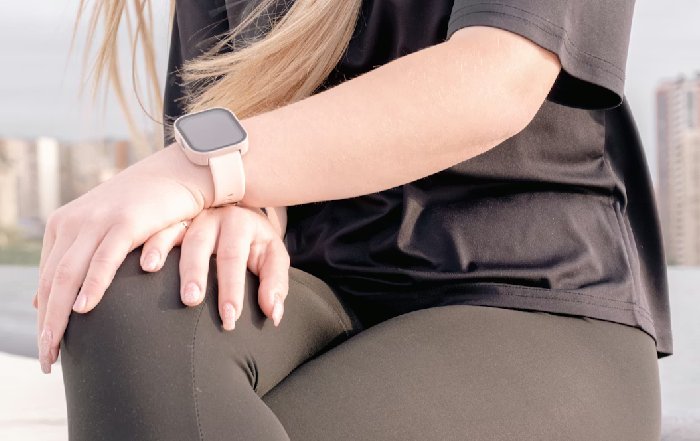
One of the most visible drivers of Australia's online fitness boom is the ubiquity of wearable technology. Devices from Apple, Fitbit, Garmin, Samsung, and other innovators have evolved far beyond counting steps; they now monitor heart rate variability, blood oxygen levels, sleep stages, stress indicators, and even early warning signs of potential health issues. For Australians in knowledge-based jobs or sedentary roles, these devices act as constant reminders to stand, move, and manage stress, effectively turning everyday users into informed athletes who can interpret their own data and adjust behavior accordingly.

The Australian fitness community has embraced the integration of wearables with digital platforms, allowing training plans to adapt dynamically in response to real-time metrics. A runner in Sydney might have their interval session automatically adjusted based on heart rate trends, while a strength enthusiast in Melbourne can track progressive overload via connected equipment. Health agencies such as the Australian Institute of Health and Welfare have highlighted how technology-enabled monitoring supports a shift from reactive treatment to proactive lifestyle management, aligning with broader public health objectives to reduce the burden of chronic disease. Those interested in global perspectives on activity tracking and public health can explore additional context through OECD health data resources.

For fitbuzzfeed.com readers, this data-driven approach to movement is increasingly reflected in content across sections such as fitness and physical performance, where training strategies now routinely incorporate metrics from wearables as a foundation for smarter, safer programming.

AI-Powered Coaching: Personalized Training at Scale

Artificial intelligence has fundamentally changed the economics and accessibility of personal training in Australia. Platforms such as Centr by Chris Hemsworth, Freeletics, Fitbod, and a growing cohort of local startups use AI to analyze user inputs, training history, wearable data, and even movement patterns captured by smartphone cameras. These systems generate individualized programs that adjust over time, providing a level of personalization that was once reserved for one-on-one coaching with high-end trainers.

In 2026, AI-driven coaching is no longer perceived as a novelty but as a mainstream tool for busy professionals, parents, and students who want expert guidance without the scheduling constraints or cost of traditional personal training. Motion-tracking algorithms can flag poor technique, suggest load adjustments, and recommend recovery protocols, while chat-based interfaces answer questions about form, progression, and injury prevention. Rather than replacing human coaches, AI is augmenting their capabilities, allowing trainers to serve larger client bases, automate routine tasks, and focus on higher-value strategic work such as program design and behavioral support.

This technological shift is part of a broader wave of AI adoption across industries. Business leaders who follow developments via platforms like the World Economic Forum can learn more about AI's role in the future of work, and then translate those insights into strategies for wellness programs in corporate settings. On fitbuzzfeed.com, the technology section increasingly covers how AI intersects with sports science, mental health, and workplace productivity, reflecting the multidisciplinary nature of AI-enabled fitness.

Streaming Fitness Platforms: From Living Rooms to Global Communities

Streaming fitness has established itself as one of the most influential components of Australia's digital fitness ecosystem. Services such as Les Mills+, Peloton, Apple Fitness+, and regional platforms have transformed living rooms, garages, and hotel rooms into fully equipped training environments. High-quality video production, charismatic instructors, and structured programs have made it possible for Australians in cities like Sydney, Brisbane, and Perth, as well as in remote regional communities, to access world-class instruction on demand.

The appeal of these platforms lies not only in convenience but also in the breadth of modalities available-strength training, yoga, Pilates, cycling, boxing, mobility, and recovery sessions can all be accessed within a single subscription. Many of these services integrate leaderboards, live chat, and performance tracking, enabling Australians to participate in global classes alongside users from the United States, the United Kingdom, Germany, Canada, and across Asia. This borderless community has redefined what it means to "attend" a class, creating new forms of social motivation and accountability that transcend geography.

For those interested in how digital media and sport intersect, exploring sports coverage on FitBuzzFeed provides additional context on how streaming has influenced professional training, fan engagement, and the commercialization of fitness content. On the global stage, organizations like Statista offer valuable market intelligence for readers who want to explore data on the growth of digital fitness subscriptions, helping business leaders benchmark Australian trends against international markets.

Virtual Reality, Gaming Culture, and Immersive Training

Australia's strong gaming culture and high broadband penetration have made it fertile ground for virtual reality and gamified fitness experiences. Headsets such as Meta Quest 3 and PlayStation VR2 support immersive training apps including Supernatural, FitXR, and other interactive platforms that transform exercise into a visually rich, game-like experience. Users can box on cliffs overlooking the ocean, perform squats in futuristic arenas, or cycle through digital recreations of European landscapes, all while receiving structured coaching and real-time feedback.

This fusion of gaming and exercise has proven particularly appealing to younger demographics and tech-savvy adults who might find traditional gym environments intimidating or monotonous. Platforms like Zwift have built global communities of cyclists and runners who train in virtual worlds while competing in real-time events, and many Australian endurance athletes now incorporate these tools into their off-season or indoor training blocks. The gamification elements-levels, badges, streaks, and social recognition-play a powerful role in sustaining engagement and reducing dropout rates.

For a broader understanding of how immersive technologies are reshaping sectors from education to healthcare, readers can explore insights from MIT Technology Review, which regularly publishes analysis on emerging tech and human behavior. At fitbuzzfeed.com, these trends increasingly surface not only in technology reporting but also in world and events coverage, where virtual races, hybrid fitness festivals, and e-sports-inspired competitions are gaining prominence.

Integrating Nutrition, Recovery, and Mental Health into a Unified Experience

A defining characteristic of Australia's digital fitness revolution in 2026 is the integration of nutrition, recovery, and mental health into cohesive platforms that treat wellness as a multidimensional journey. Apps such as MyFitnessPal, Noom, Lifesum, and specialized local services provide detailed tracking of calorie intake, macronutrient distribution, hydration, and even micronutrient sufficiency. Many of these tools sync directly with wearables and training apps, allowing users to align nutrition strategies with training loads, sleep quality, and stress levels.

Australian startups have moved beyond generic meal plans to offer culturally relevant, goal-specific solutions that cater to diverse populations, from plant-based athletes and time-poor executives to older adults managing metabolic health. Some services integrate with grocery delivery platforms, automatically generating shopping lists or pre-prepared meal kits based on weekly training schedules and biometric data. Simultaneously, mental health and stress-management tools such as Headspace and Calm, along with local meditation and resilience-building apps, are embedded within fitness ecosystems, recognizing the well-documented link between psychological well-being, performance, and adherence.

For readers interested in the science behind holistic health, institutions such as Harvard T.H. Chan School of Public Health provide accessible resources to learn more about nutrition and chronic disease prevention. On fitbuzzfeed.com, the convergence of movement, diet, and mental well-being is reflected in dedicated sections such as nutrition, wellness, and health, where content increasingly addresses the full spectrum of lifestyle factors influencing performance and longevity.

Market Dynamics: A Mature but Fast-Growing Digital Fitness Economy

By 2026, Australia's online fitness sector has matured into a multi-billion-dollar market that attracts local and international investors, corporate partners, and policy attention. Demand spans metropolitan centers such as Sydney, Melbourne, and Brisbane, as well as regional and remote communities where digital solutions often compensate for limited access to physical facilities. Hybrid models-combining gym memberships, digital subscriptions, and outdoor activities-have become the norm rather than the exception, with many consumers maintaining multiple fitness subscriptions at once.

The sector's growth is supported by a robust digital infrastructure, high smartphone penetration, and a population with strong interest in health, sport, and lifestyle optimization. Australian government initiatives promoting digital health, telehealth, and preventive care have indirectly reinforced the role of fitness technology as part of a broader wellness strategy. Insurers and corporate employers increasingly integrate digital fitness platforms into benefits packages, offering incentives for participation and rewarding sustained engagement with lower premiums or wellness credits.

Business leaders and entrepreneurs tracking these developments can find comparative insights in global analyses from organizations such as McKinsey & Company, which provides frameworks to learn more about the business of wellness and digital health. For a more localized lens on how these dynamics intersect with employment, corporate performance, and sector innovation, fitbuzzfeed.com maintains dedicated business and news sections that follow the evolution of fitness as a serious economic and strategic domain.

Startups, Investment, and the New Fitness Entrepreneurship

The rise of online fitness has unlocked a wave of entrepreneurial activity across Australia. High-profile platforms like Centr by Chris Hemsworth have demonstrated that Australian brands can achieve global reach, combining Hollywood-level visibility with local training philosophies that resonate strongly in markets such as the United States, the United Kingdom, Canada, and parts of Asia. Alongside these flagship ventures, a vibrant ecosystem of startups focuses on niche segments: women's strength training, pre- and post-natal fitness, Indigenous community wellness, corporate resilience programs, and sport-specific performance analytics.

These companies often operate with lean, technology-first models, relying on subscription revenue, data-driven personalization, and strategic partnerships with health insurers, employers, or educational institutions. Venture capital and private equity firms, both domestic and international, have identified digital fitness as a high-growth segment within the broader wellness and technology domains. Many of these investors follow macro-trends through institutions such as the Global Wellness Institute, where they can explore research on the global wellness economy, and then apply those insights to the Australian context.

For professionals and jobseekers, the expansion of online fitness has created roles that blend sports science, content production, software development, marketing, and data analytics. New career paths range from digital performance coaches and product managers to community managers and behavioral scientists. Readers evaluating opportunities in this evolving landscape can explore the jobs section on FitBuzzFeed, where fitness, technology, and wellness roles increasingly intersect.

Redefining Fitness Careers and Professional Skills

The digital transformation of fitness in Australia has redefined what it means to be a fitness professional. Traditional personal training qualifications remain important, but they are no longer sufficient on their own. In 2026, successful coaches often possess a blend of exercise science expertise, digital literacy, content creation skills, and basic data analytics capabilities. Many trainers now operate as micro-brands, using platforms like YouTube, Instagram, and TikTok to build audiences, share free educational content, and funnel engaged followers into paid programs, apps, or subscription communities.

Educational institutions and certification bodies have begun to respond, offering programs that combine biomechanics and programming with modules on digital marketing, video production, and platform monetization. Trainers who understand how to interpret wearable data, design programs for hybrid environments, and communicate effectively through digital channels are better positioned to thrive in this competitive market. For organizations designing corporate wellness or performance programs, partnering with digitally fluent professionals is now a strategic necessity rather than a luxury.

Those seeking to deepen their skills or pivot into the sector can explore resources in fitbuzzfeed.com's training coverage, which increasingly highlights upskilling pathways, certifications, and technology tools for modern coaches. Globally, organizations such as ACSM (American College of Sports Medicine) offer guidance on emerging trends in fitness professions, helping Australian practitioners benchmark their competencies against international standards.

Consumer Experience: Lifestyle Integration and Long-Term Habits

From the consumer's perspective, the most profound impact of Australia's digital fitness revolution is the integration of movement and wellness into daily life. Rather than treating fitness as an isolated activity confined to a gym visit, Australians increasingly blend micro-workouts, walking meetings, guided mobility breaks, and evening recovery sessions into their routines. Digital platforms enable this shift by offering short, flexible content formats, adaptive scheduling, and reminders that nudge users toward consistent behavior without overwhelming them.

The emphasis on inclusivity has also grown. Online fitness ecosystems offer beginner-friendly progressions, programs for older adults, adaptive sessions for people with disabilities, and culturally tailored content that resonates with diverse communities across Australia and beyond. This inclusivity has helped reduce the intimidation factor historically associated with gyms, making it easier for people at all fitness levels to begin and sustain a wellness journey. Behavioral science principles-habit stacking, streaks, personalized goals, and positive reinforcement-are embedded into app design, supporting the formation of long-term habits rather than short-lived resolutions.

Readers interested in how these lifestyle changes intersect with broader cultural trends can explore lifestyle coverage on FitBuzzFeed. Internationally, organizations like the Centers for Disease Control and Prevention (CDC) provide evidence-based insights into how regular physical activity improves health outcomes, reinforcing the importance of these everyday shifts in behavior.

Community, Social Media, and Digital Belonging

Community has always been central to Australia's sport and fitness culture, and digital platforms have found new ways to replicate and amplify that sense of belonging. Online challenges, group leaderboards, virtual running clubs, and social features embedded in apps allow Australians to connect with like-minded individuals regardless of location. For those in remote regions, these digital communities can be particularly powerful, providing support and camaraderie that might otherwise be difficult to access.

Social media has magnified this effect, enabling Australian fitness creators to build global audiences. Influencers share not only workouts but also candid insights into their routines, struggles, and strategies for balancing health with work, family, and travel. This authenticity resonates strongly with followers, who often perceive these digital figures as more relatable than traditional celebrity endorsements. At the same time, it places a premium on credibility, with audiences increasingly seeking evidence-based guidance and transparent qualifications from those they follow.

For readers examining how these dynamics shape news cycles, brand strategies, and public discourse, the news section of FitBuzzFeed offers ongoing coverage of the intersection between social media, fitness culture, and wellness narratives. Additional research on digital communities and behavior can be found through institutions like the Pew Research Center, which publishes studies that explore how people use online platforms to build social connections.

Australia's Role in the Global Fitness and Wellness Ecosystem

Australia's digital fitness evolution does not exist in isolation; it both influences and is influenced by global trends. The country imports leading platforms from the United States, Europe, and Asia, while exporting its own brands, coaching philosophies, and hybrid outdoor-digital concepts. Australian innovations in surf-inspired training, outdoor boot camps enhanced by data tracking, and sport-specific conditioning programs are increasingly visible in markets such as the United Kingdom, Germany, Singapore, and New Zealand.

International collaborations between Australian universities, sports institutes, and global technology companies continue to refine best practices in areas like load management, injury prevention, and youth development. Readers interested in the scientific underpinnings of these advances can consult resources from organizations such as Sport Australia and the Australian Institute of Sport, as well as global bodies like FIFA or World Rugby, which publish guidelines on high-performance training and athlete welfare. For a broader geopolitical and economic perspective on how wellness trends move across borders, the world section of FitBuzzFeed provides regular analysis.

The Road Ahead: Trust, Integration, and Sustainable Growth

As Australia's online fitness market continues to expand in 2026 and beyond, the sector faces both opportunities and responsibilities. Data privacy, algorithmic transparency, and the quality of health advice delivered through apps are critical trust factors for consumers, regulators, and healthcare professionals. Companies that handle biometric and behavioral data must demonstrate robust governance and security, aligning with global best practices and standards promoted by organizations such as the OECD and ISO.

At the same time, the most successful platforms will likely be those that integrate seamlessly into broader wellness ecosystems, collaborating with healthcare providers, employers, insurers, and educational institutions to deliver coherent, evidence-based experiences. For fitbuzzfeed.com and its global audience-from North America and Europe to Asia, Africa, and South America-the Australian story offers a powerful example of how technology, culture, and business innovation can converge to create a more active, informed, and resilient society.

Whether readers are exploring new training methods, evaluating investment opportunities, or designing corporate wellness strategies, the trajectory of Australia's digital fitness revolution underscores a clear message: in 2026, fitness is no longer confined to a place or a time. It is an always-on, data-enabled, and deeply personal journey-one that continues to evolve, and one that FitBuzzFeed will keep tracking across its home page and dedicated verticals as the next chapter of global wellness unfolds.

Esports Growth vs Traditional Sports in the United States

Last updated by Editorial team at FitBuzzFeed on Friday 9 January 2026
Esports Growth vs Traditional Sports in the United States

Esports vs. Traditional Sports in the United States: How a New Powerhouse Is Reshaping Competition by 2026

A New Competitive Landscape for American Sports

By 2026, the United States remains one of the world's most influential sports markets, with traditional leagues such as the National Football League (NFL), National Basketball Association (NBA), Major League Baseball (MLB), and National Hockey League (NHL) still anchoring national identity, family rituals, and local pride. These leagues continue to dominate broadcast schedules, command premium sponsorships, and generate billions in annual revenue, reinforcing their status as cultural institutions rather than mere entertainment products. At the same time, organized competitive gaming, or esports, has moved decisively from the margins into the mainstream, becoming a global entertainment force that speaks directly to younger, digital-first audiences in the United States, Europe, and across Asia.

This shift is particularly relevant to the community around fitbuzzfeed.com, where readers follow developments in sports, fitness, health, business, technology, and lifestyle trends that cut across regions such as North America, Europe, and Asia. For this audience, the rise of esports is not simply an entertainment story; it is a case study in how technology, health, performance, and global business models are converging to redefine what it means to be an athlete, a fan, and a stakeholder in the sports economy.

The Enduring Power of Traditional Sports in the U.S.

Traditional American sports retain enormous cultural and economic weight in 2026. The Super Bowl remains the single most-watched live event in the United States, while the NBA Finals and World Series still function as national rituals that blend competition with music, celebrity culture, and major brand activations. The emotional attachment to teams such as the Dallas Cowboys, Los Angeles Lakers, New York Yankees, and Boston Red Sox is reinforced by decades of family allegiance, local media coverage, and community identity. For many fans in the United States, Canada, the United Kingdom, Germany, and beyond, these brands are synonymous with the very idea of elite sport.

Economically, traditional leagues continue to demonstrate their scale and sophistication. Multi-year media rights agreements with networks such as ESPN, Fox Sports, and NBC Sports still underpin league revenues, even as streaming services gain ground. Analysts tracking the sports industry through sources like Forbes and Statista report that the NFL alone generates well over $18 billion annually, while the NBA and MLB sustain multibillion-dollar ecosystems that support franchises, arenas, media companies, and regional economies. Brands such as Nike, Adidas, PepsiCo, and Amazon continue to invest heavily in jersey sponsorships, stadium naming rights, and integrated campaigns, confident that traditional sports still deliver unmatched reach and credibility among broad age groups.

For the fitbuzzfeed.com readership, the traditional sports model remains closely linked to high-performance physical training, nutrition, and recovery. The conditioning programs used in the NFL, NBA, and NHL are studied by coaches, trainers, and enthusiasts worldwide, with many principles adapted into consumer fitness regimes and performance-focused content on platforms like fitbuzzfeed.com/physical. Yet even as these leagues thrive, they now coexist with a powerful new competitor whose strengths lie in interactivity, digital reach, and global accessibility.

Esports Comes of Age by 2026

Esports in the United States has passed the experimental phase and entered a period of consolidation and professionalization. Titles such as League of Legends, Valorant, Counter-Strike 2, Fortnite, and Call of Duty anchor a calendar of domestic and international competitions that attract millions of concurrent viewers online and fill arenas from Los Angeles to Berlin and Seoul. Organizations like Riot Games, Activision Blizzard, and Epic Games have refined league structures, franchising models, and revenue-sharing systems, positioning esports as a sustainable business rather than a speculative trend.

Industry research firms such as Newzoo and Deloitte have documented steady revenue growth driven by sponsorships, media rights, digital advertising, and in-game purchases. By the mid-2020s, global esports revenues have comfortably exceeded the billion-dollar mark, with the United States, China, South Korea, and major European markets such as Germany, France, and the United Kingdom serving as key hubs. Streaming platforms like Twitch and YouTube Gaming remain central to distribution, enabling real-time interaction between players and fans that traditional television cannot easily replicate.

The competitive ecosystem has matured significantly. Franchise-based leagues such as the League of Legends Championship Series (LCS) in North America, as well as global events like the League of Legends World Championship and The International in Dota 2, now offer prize pools comparable to high-level traditional sports events, while also generating substantial sponsorship value. This evolution has made esports more attractive to institutional investors, mainstream brands, and media outlets that once viewed gaming as a niche pastime. For readers engaged with fitbuzzfeed.com/news and fitbuzzfeed.com/world, the internationalization of esports illustrates how quickly a digitally native industry can scale across borders, cultures, and time zones.

Shifting Demographics and Global Fan Cultures

One of the clearest distinctions between traditional sports and esports in 2026 is the demographic composition of their core audiences. Traditional U.S. leagues still draw heavily from viewers aged 35 and above, many of whom grew up with linear television and local team allegiances. In contrast, esports audiences skew younger, more globally distributed, and more comfortable with multitasking and second-screen engagement. Research from organizations such as Pew Research Center and Nielsen Sports indicates that the majority of esports fans fall within the 18-34 age bracket, a group that brands increasingly struggle to reach through conventional broadcast advertising.

Esports fandom is also inherently transnational. A teenager in the United States may support a South Korean League of Legends star, watch a European Counter-Strike team, and follow influencers in Japan and Brazil, all in the same week, with minimal friction. This stands in contrast to the geographically anchored loyalties of traditional sports, where support is often tied to city, region, or national identity. For the fitbuzzfeed.com community, which tracks sports and wellness trends from the United States to the United Kingdom, Germany, Singapore, and South Africa, esports offers a case study in how global fan communities form around shared digital experiences rather than physical proximity.

Crucially, esports blurs the line between spectator and participant. Many fans actively play the games they watch at a recreational or semi-competitive level, creating a feedback loop that deepens engagement and extends the life cycle of each title. This participatory culture aligns with broader trends in digital entertainment and social media, where audiences expect to interact, create, and share rather than consume passively. For a platform like fitbuzzfeed.com/lifestyle, which tracks how people integrate sport, wellness, and technology into daily routines, this participatory ethos is central to understanding why esports resonates so strongly with younger demographics.

Business Models and Revenue Innovation

Traditional U.S. leagues have spent decades refining their business models, which remain anchored in media rights, ticketing, sponsorships, and merchandising. Long-term broadcast deals with major networks and streaming platforms provide reliable income, while stadium and arena experiences generate high-margin revenue from premium seating, concessions, and hospitality. Organizations such as the NFL, NBA, and MLB also benefit from robust licensing arrangements, both domestically and across major markets in Europe, Asia, and Latin America. Analysts following global sports finance through outlets like Sports Business Journal and KPMG's sports reports continue to highlight the resilience of this model, even as consumer behavior shifts.

Esports, by contrast, is inherently digital and more diversified in its revenue streams. While sponsorships from companies such as Intel, Red Bull, BMW, and Logitech remain critical, game publishers also monetize through in-game cosmetic purchases, battle passes, and digital events that extend far beyond the competitive calendar. Streaming platforms enable direct-to-consumer revenue via subscriptions, donations, and digital tipping, while tournament organizers and teams develop their own merchandising and content strategies. For business-focused readers on fitbuzzfeed.com/business, esports demonstrates how virtual goods, data-driven personalization, and community engagement can be integrated into a coherent commercial framework.

Convergence between the two models is accelerating. The NBA 2K League, co-founded by the NBA and Take-Two Interactive, and the esports initiatives of organizations such as Formula 1 and FIFA show how traditional rights holders are experimenting with digital extensions of their brands. At the same time, leading esports organizations are adopting governance, compliance, and commercial practices more commonly associated with established sports teams, including long-term player contracts, performance staff, and global sponsorship portfolios. Executives and investors can learn more about these hybrid strategies through resources such as McKinsey's sports and gaming insights and PwC's sports outlooks, which increasingly treat esports as a core part of the broader sports and media ecosystem rather than an outlier.

Training, Health, and Performance: Physical vs Cognitive Demands

For the fitbuzzfeed.com audience, the comparison between training and health in traditional sports and esports is particularly important. Elite traditional athletes in leagues like the NFL, NBA, and NHL follow highly structured regimes that combine strength and conditioning, cardiovascular training, skill-specific drills, and detailed nutrition and recovery protocols. Sports science research from institutions such as the U.S. Olympic & Paralympic Committee and Gatorade Sports Science Institute informs everything from hydration strategies to sleep optimization, with teams investing heavily in performance analytics, wearable technology, and individualized load management.

Esports athletes, while not subject to the same levels of physical impact, face distinct performance and health challenges that are now being taken more seriously by teams and governing bodies. Top-level players in titles such as League of Legends, Valorant, and Counter-Strike 2 routinely practice 8-12 hours per day, combining mechanical drills, scrimmages, video review, and strategic planning. This intensity places strain on vision, posture, and musculoskeletal health, particularly in the hands, wrists, neck, and lower back. Organizations and practitioners focused on player health, including initiatives highlighted by Esports Health and Performance Institute and resources from the American Physical Therapy Association, emphasize ergonomics, stretching routines, strength training, and scheduled breaks as essential components of sustainable performance.

By 2026, many leading esports organizations employ physical trainers, sports psychologists, and nutritionists, mirroring the holistic performance models of traditional sports. Teams in North America, Europe, and Asia are integrating gym sessions, cardiovascular exercise, and mindfulness practices into daily schedules, recognizing that cognitive performance is closely linked to overall wellness. This evolution aligns with the broader focus on integrated health promoted across fitbuzzfeed.com/wellness, fitbuzzfeed.com/nutrition, and fitbuzzfeed.com/health, where readers expect a rigorous, evidence-based discussion of how physical and mental health intersect in high-performance environments.

Sponsorship, Brands, and Lifestyle Influence

Traditional sports have long served as a platform for some of the world's most powerful consumer brands. Companies such as Coca-Cola, Budweiser, Visa, and Samsung have built decades of association with events like the Super Bowl, Olympic Games, and FIFA World Cup, shaping public perception of both the brands and the sports themselves. These partnerships extend into apparel, footwear, and equipment, with brands like Nike, Adidas, and Under Armour using athlete endorsements to drive global fashion and fitness trends. Readers tracking brand strategies on fitbuzzfeed.com/brands and fitbuzzfeed.com/lifestyle will recognize how these relationships influence everything from gym wear to street style in markets from the United States and Canada to Italy, Spain, and Japan.

Esports has rapidly become a complementary platform for brand storytelling, particularly among younger consumers who spend more time on digital platforms than on traditional television. Energy drink companies such as Red Bull and Monster Energy, technology leaders like Intel, NVIDIA, and AMD, and automotive brands including BMW and Mercedes-Benz have invested in team sponsorships, tournament partnerships, and content collaborations that position gaming as a central element of modern lifestyle. Luxury and fashion brands have also entered the space; for example, collaborations between Louis Vuitton and Riot Games signaled a new level of cultural legitimacy for esports, while sportswear leaders like Puma and Adidas now produce esports-specific apparel lines.

From a marketing perspective, esports offers brands the ability to integrate directly into the experience rather than interrupt it. Skins, in-game billboards, branded events, and creator-led campaigns allow for subtle yet powerful messaging that aligns with the expectations of digital-native consumers. Resources such as WARC's esports marketing reports and IAB's gaming and esports playbooks provide deeper analysis of how brands are structuring campaigns in this environment. For the fitbuzzfeed.com audience, which follows both performance and lifestyle trends, esports demonstrates how athletic identity is increasingly defined not just by physical ability but by digital presence, community engagement, and cross-platform storytelling.

Technology as the Engine of Transformation

Technology continues to reshape both traditional sports and esports, but in different ways and at different speeds. In traditional sports, advances in data analytics, computer vision, and wearable sensors have transformed training, scouting, and in-game decision-making. Systems such as Hawk-Eye, VAR, and player tracking tools used in the NBA and NFL provide coaches and analysts with granular insights into movement, workload, and tactical efficiency. Fans benefit from more sophisticated broadcasts, enhanced statistics, and interactive second-screen experiences delivered through league apps and platforms like ESPN and BBC Sport.

Esports, by contrast, is native to the digital environment. High-speed broadband, 5G connectivity, and powerful consumer hardware have enabled seamless online competition across continents, while cloud gaming and cross-platform integration are reducing hardware barriers for players in emerging markets in Asia, South America, and Africa. Streaming platforms, particularly Twitch and YouTube, function not only as broadcasters but as social networks and commerce engines, where creators build personal brands, sell merchandise, and collaborate with sponsors in real time. Analysts exploring the broader implications of this shift can review research from MIT Sloan Sports Analytics Conference and Harvard Business Review on how digital technology is redefining sports and entertainment.

Looking ahead, immersive technologies such as augmented reality and virtual reality are expected to blur the boundaries between physical and digital competition even further. Experimental projects in the United States, South Korea, Japan, and Europe are already testing hybrid events where spectators can experience live sports in virtual arenas or participate in mixed-reality competitions. For the fitbuzzfeed.com/technology readership, this convergence represents a critical frontier: the future sports experience is likely to be multi-layered, data-rich, and personalized, whether the underlying competition takes place on a field, a court, or a digital map.

Employment, Education, and Long-Term Career Pathways

The economic footprint of traditional sports in the United States remains vast, encompassing not only athletes and coaches but also stadium staff, media professionals, hospitality workers, and a wide range of service providers. Major events such as the Super Bowl, NBA All-Star Weekend, and World Series have measurable impacts on local employment and tourism, as documented by organizations such as the U.S. Bureau of Labor Statistics and World Economic Forum. These events also support a network of ancillary industries, from sports medicine and equipment manufacturing to security and transportation.

Esports is building its own employment ecosystem that intersects with gaming, media, and technology. Professional opportunities extend far beyond players and coaches to include shoutcasters, analysts, content producers, social media managers, event organizers, software developers, and performance staff. Job seekers exploring this space can consult resources such as Hitmarker and GamesIndustry.biz for insight into the breadth of roles now available. For career-focused readers on fitbuzzfeed.com/jobs, esports represents an emerging sector where passion for gaming can translate into viable, long-term employment, both in the United States and in markets such as the United Kingdom, Germany, Singapore, and Brazil.

Educational institutions have responded quickly. In addition to the long-established role of the NCAA and collegiate athletics in developing traditional sports talent, more than 200 universities and colleges in North America now offer varsity esports programs, scholarships, or dedicated facilities. Leading institutions such as the University of California, Irvine and Harrisburg University have developed comprehensive esports initiatives that combine competitive teams with academic programs in game design, digital media, psychology, and business. This trend is mirrored in Europe and Asia, where universities in the United Kingdom, South Korea, and China are incorporating esports into curricula and campus life. For readers interested in structured development pathways, fitbuzzfeed.com/training can serve as a lens on how both traditional and digital sports are investing in the next generation of talent.

Events, Experiences, and the Future of Fan Engagement

Major sporting events in the United States continue to function as economic catalysts and cultural touchstones. The Super Bowl remains a benchmark for advertising innovation and brand storytelling; the NBA Finals and Stanley Cup bring global attention to host cities; and college events such as March Madness sustain high levels of engagement across regions and demographic groups. These events are also central to the lifestyle dimension of sport, shaping travel plans, social gatherings, and community rituals that are closely followed by audiences of platforms like fitbuzzfeed.com/events and fitbuzzfeed.com/lifestyle.

Esports events now offer a parallel form of spectacle. World championships for games like League of Legends, Valorant, and Fortnite routinely sell out major arenas in the United States, Europe, and Asia, while attracting tens of millions of concurrent viewers online. Production values rival those of traditional sports, with elaborate stage designs, augmented reality effects, and live musical performances. For many younger fans in the United States, Canada, Australia, and across Asia, attending a major esports event delivers the same sense of belonging and excitement that older generations associate with the Super Bowl or World Series. Industry observers can explore this shift further through coverage on outlets such as The Esports Observer and GamesBeat.

Hybrid models are emerging as well. Traditional sports leagues are integrating gaming zones, esports showcases, and interactive digital experiences into their live events, while esports tournaments increasingly feature fitness zones, wellness activations, and collaborations with traditional athletes. For the fitbuzzfeed.com community, which values both physical activity and digital engagement, this convergence signals a future in which being a sports fan involves moving fluidly between stadiums, gyms, and online platforms, often within the same weekend.

Outlook to 2030: Coexistence, Convergence, and Opportunity

Looking toward 2030, the most realistic scenario for the United States and other major markets is one of coexistence and convergence rather than zero-sum competition between esports and traditional sports. Established leagues are likely to maintain their revenue dominance and cultural prestige, especially in regions where they are deeply embedded in national identity, such as the United States, the United Kingdom, and parts of Europe. Their challenge will lie in continuing to modernize media strategies, embrace data-driven personalization, and create digital experiences that resonate with younger fans who have grown up with streaming and interactive platforms.

Esports, meanwhile, is poised to continue its expansion as infrastructure improves and gaming becomes even more ubiquitous across devices and demographics. The combination of low barriers to entry, global accessibility, and constant innovation in game design and distribution suggests that esports will remain a powerful driver of engagement, particularly among audiences in Asia, North America, and Europe. For businesses, investors, and professionals following trends on fitbuzzfeed.com/business, the key opportunities will involve building bridges between these worlds: cross-over sponsorships, joint events, shared training methodologies, and integrated content strategies that recognize fans' increasingly hybrid identities.

For individuals focused on performance, health, and wellness through fitbuzzfeed.com/fitness, fitbuzzfeed.com/wellness, and related sections, the dual rise of traditional and digital sports offers a diversified set of role models and pathways. Traditional athletes will continue to embody peak physical conditioning and team-based resilience, while esports professionals highlight the importance of cognitive performance, mental health, and disciplined digital habits. Together, they expand the definition of what it means to be an athlete in the 21st century.

In this evolving landscape, fitbuzzfeed.com is positioned to serve as a trusted guide, connecting developments in sports, health, business, technology, and lifestyle across regions from North America and Europe to Asia and beyond. By tracking both the enduring strengths of traditional sports and the rapid ascent of esports, readers can better understand not only where the sports industry stands in 2026, but also how it will shape careers, communities, and cultures in the years leading up to 2030 and beyond.

How Wearable Tech is Revolutionizing Health Monitoring Globally

Last updated by Editorial team at FitBuzzFeed on Friday 9 January 2026
How Wearable Tech is Revolutionizing Health Monitoring Globally

Wearable Health Technology in 2026: How Data, Devices, and Design Are Rewiring Global Well-Being

A 2026 Snapshot: From Gadgets to Health Infrastructure

By 2026, wearable health technology has moved decisively from the fringe of consumer electronics into the core of global health, fitness, and business strategy. What began as simple step counters and calorie trackers has matured into an interconnected ecosystem of smartwatches, rings, patches, smart clothing, and even early-stage implantables that continuously monitor heart rhythm, blood oxygen, sleep architecture, glucose, stress markers, and more. These devices now inform clinical decisions, shape insurance products, underpin corporate wellness programs, and redefine how individuals in the United States, Europe, Asia-Pacific, and beyond understand their own bodies.

For the audience of FitBuzzFeed, which spans interests in sports, fitness, health, business, technology, and lifestyle, this evolution is not a distant trend but a daily reality. Readers see wearable data in their training dashboards, their workplace wellness portals, and increasingly in conversations with doctors and coaches. The convergence of personal ambition-running faster, sleeping better, managing weight more intelligently-with institutional priorities-reducing healthcare costs, optimizing productivity, and managing population health-has created a powerful feedback loop that is reshaping how health is experienced and delivered worldwide. Those following global developments through resources like the World Health Organization can see how digital tools are becoming embedded in public health strategies, while technology-focused outlets such as MIT Technology Review continue to highlight the rapid innovation cycle that drives this sector.

Global Expansion and Regional Nuance in Wearable Adoption

The worldwide spread of wearable health technologies has not followed a single linear path; it reflects different regulatory environments, cultural attitudes toward data, and economic realities across regions. In North America, especially the United States and Canada, adoption has been propelled by a mix of consumer enthusiasm and the commercialization of health data. Companies such as Apple, Google (through Fitbit), and Garmin have built device and software ecosystems that integrate with electronic medical records, telehealth platforms, and wellness-oriented mobile applications. The U.S. Food and Drug Administration has cleared multiple wearable-based diagnostics, signaling that these devices are no longer mere lifestyle accessories but components of regulated digital health. Readers interested in how this intersects with performance and training can explore the evolving role of devices in structured programs through the fitness coverage at FitBuzzFeed Fitness.

In Europe, the story is more tightly bound to regulation and trust. Countries such as the United Kingdom, Germany, France, and the Netherlands have embraced wearables, but always under the shadow and protection of the General Data Protection Regulation (GDPR) and strong national health systems. The National Health Service (NHS) in the UK has expanded pilots that integrate smartwatch and remote sensor data into chronic disease management and post-surgical monitoring, while German hospitals and insurers work within stringent frameworks to ensure that biosensor data is accurate, secure, and ethically deployed. Organizations like the European Medicines Agency and national data protection authorities increasingly collaborate with technology companies to define standards for digital biomarkers and clinical-grade wearables, a development closely watched by policy analysts and health economists across the continent.

Asia-Pacific has become the epicenter of mass adoption and innovation at scale. In China, South Korea, Japan, and Singapore, national strategies around digital health, aging populations, and smart city initiatives have encouraged widespread use of wearables. Companies such as Huawei, Xiaomi, and Samsung offer affordable devices that integrate with local super-apps and public health platforms, enabling everything from step-based incentive programs to remote monitoring of cardiovascular and metabolic conditions. Singapore's nationwide health campaigns, which have included subsidized trackers, demonstrate how governments leverage wearables to promote preventive health behaviors. Readers can see how these trends influence global wellness narratives through FitBuzzFeed World, which frequently examines cross-border differences in adoption and impact.

Emerging markets in South America, Africa, and parts of Southeast Asia are approaching wearables pragmatically, often focusing on low-cost devices that address specific burdens such as diabetes, hypertension, and maternal health. As mobile connectivity improves, local startups and NGOs, supported by global organizations like the World Bank, are deploying wearable-based programs that can operate even in resource-constrained environments. In South Africa and Brazil, for example, community health workers are beginning to use wearable-linked platforms to track vital signs in rural populations, reducing the need for frequent in-person visits and helping overburdened clinics prioritize high-risk patients. This global diffusion underlines that wearables are gradually becoming part of a shared health infrastructure rather than a luxury reserved for wealthy regions.

From Fitness Toys to Medical-Grade Companions

The technical evolution of wearables over the past decade has been dramatic, and by 2026 the line between consumer electronics and medical devices is increasingly blurred. Early trackers focused on steps and estimated calories, offering motivational nudges but limited clinical value. Today, devices such as the Apple Watch, Samsung Galaxy Watch, Withings ScanWatch, and Oura Ring incorporate photoplethysmography, multi-lead ECG, pulse oximetry, skin temperature sensing, and advanced motion analytics that have been validated in peer-reviewed studies and, in many cases, cleared or authorized by regulators.

This rise of medical-grade capabilities in consumer form factors has changed clinical workflows. Cardiologists in the United States and Europe routinely review patient-generated ECG strips captured via wrist-worn devices, while endocrinologists increasingly rely on continuous glucose monitors from companies like Dexcom and Abbott that sync with smartphones and smartwatches. The American Heart Association and other professional societies have published guidance on how clinicians should interpret and integrate wearable data, acknowledging both its power and its limitations. For FitBuzzFeed readers, this convergence means that the same device used to track interval training sessions can also provide early warning of atrial fibrillation or deteriorating sleep quality, reinforcing the site's emphasis on connecting performance, longevity, and everyday wellness, as reflected in coverage at FitBuzzFeed Health.

AI, Big Data, and the Rise of Personalized Health Intelligence

The true value of wearable technology in 2026 lies less in the sensors themselves and more in the algorithms that interpret their output at scale. Every heart beat, step, and minute of sleep contributes to a growing reservoir of real-world health data that far exceeds the volume of information traditionally captured in clinical environments. Artificial intelligence and machine learning systems, running on cloud platforms from providers such as Microsoft Azure, Amazon Web Services, and Google Cloud, process this data to detect patterns that can predict health events before they become emergencies.

Companies like AliveCor have demonstrated how AI can identify subtle cardiac arrhythmias from short ECG recordings, while glucose monitoring platforms from Dexcom and Abbott use predictive analytics to warn users of impending hypo- or hyperglycemic episodes. Healthcare organizations and insurers increasingly collaborate with technology firms to build risk models that combine wearable data with electronic health records, claims information, and social determinants of health. These models support population-level interventions, targeted outreach, and more nuanced underwriting in insurance products. Readers interested in the technological underpinnings of this shift can explore how digital tools are reshaping training, recovery, and remote coaching through FitBuzzFeed Technology.

Yet the rise of AI in wearables also raises questions of transparency, bias, and accountability. Regulators and advocacy groups, including organizations like the Electronic Frontier Foundation, are pressing for clearer explanations of how algorithms make health-related predictions and decisions, particularly when these outputs influence access to care or insurance pricing. This tension between innovation and oversight is likely to define the next phase of wearable AI evolution.

Performance, Sports Science, and the Professional Edge

In professional and elite sport, wearables have become integral to performance optimization and career longevity. Teams in the National Basketball Association (NBA), English Premier League, Bundesliga, NFL, and top rugby and cricket leagues rely on GPS vests, heart-rate monitors, and inertial sensors to track workload, acceleration, deceleration, and collision forces during training and competition. Organizations such as the International Olympic Committee (IOC) and sport science institutes in Australia, United Kingdom, and Germany collaborate with technology providers to refine standards for athlete monitoring, ensuring data is accurate, secure, and ethically used.

The insights generated from these systems allow coaches to individualize training loads, reduce overuse injuries, and manage return-to-play protocols with far more precision than was possible a decade ago. In endurance sports, platforms like Strava and hardware from Garmin and Polar provide detailed metrics on VO2 max estimates, lactate threshold, and recovery status, enabling athletes from club level to world-class to tailor their programs intelligently. Readers who follow sports performance trends on FitBuzzFeed Sports will recognize how closely these tools are now linked to competitive advantage, as marginal gains in recovery or injury prevention can translate into meaningful differences in results and contract longevity.

Importantly, the professionalization of data has filtered down to everyday athletes and recreational fitness enthusiasts. Subscription services such as WHOOP and coaching platforms integrated with smartwatches offer personalized recommendations based on heart rate variability, sleep staging, and strain scores. For FitBuzzFeed's fitness-focused audience, this democratization of sports science reinforces the site's mission to connect evidence-based insights with practical training approaches, whether readers are preparing for a first 10K or managing year-round conditioning.

Corporate Wellness and the Data-Driven Workplace

The corporate world has embraced wearables as strategic tools for managing health-related costs and enhancing employee well-being, especially in the era of hybrid and remote work. Large employers in the United States, United Kingdom, Germany, Canada, and Australia now routinely offer subsidized wearables as part of benefits packages, integrating data with wellness platforms that track physical activity, sleep, and stress metrics. Companies such as UnitedHealthcare, Aetna, and various European insurers provide premium discounts or rewards for employees who meet activity targets or participate in structured health programs verified by wearable data.

Technology firms including Microsoft and Google have built links between productivity suites and wellness tools, helping workers visualize how breaks, movement, and sleep influence focus and output. Some organizations use aggregated, anonymized dashboards to monitor workforce well-being trends, identifying departments at risk of burnout and implementing targeted interventions such as flexible scheduling or mental health resources. Businesses exploring this frontier can better understand the strategic implications through coverage at FitBuzzFeed Business, where wellness is increasingly framed as a core component of risk management and organizational resilience.

However, the integration of wearables into the workplace also raises concerns about surveillance and consent. Labor unions and privacy advocates in Europe and North America have argued that health data, even when anonymized, could influence promotion, retention, or workload decisions. Forward-thinking employers are responding with robust governance frameworks, transparent policies, and voluntary participation models that seek to preserve trust while still capturing the benefits of data-driven wellness.

Privacy, Security, and Equity: The Trust Imperative

As wearables generate ever more intimate health data, the question of who controls that data-and how securely it is stored and used-has become central to their long-term viability. High-profile cybersecurity incidents in healthcare and technology have heightened sensitivity around breaches, while the proliferation of third-party health and fitness apps has expanded the number of entities that can access biometric information. Legal frameworks such as GDPR in Europe and HIPAA in the United States provide some guardrails, but they were not designed with continuous, consumer-generated streams of health data in mind, leading to ongoing debates among policymakers, legal scholars, and technology firms.

Equity is another major concern. While device prices have fallen and low-cost options are available in many markets, gaps persist between urban and rural populations, between high-income and low-income groups, and between digitally literate users and those who struggle with technology. Global initiatives led by organizations such as UNICEF and The Global Fund are beginning to explore how wearables and mobile health can support maternal care, infectious disease monitoring, and chronic disease management in lower-resource settings, but sustained investment and local capacity-building are needed to avoid deepening existing health disparities. Readers following global wellness and policy debates can find additional context on FitBuzzFeed World, where digital access and health equity are recurring themes.

Smart Fabrics, Implantables, and the Next Wave of Innovation

Looking beyond 2026, the frontier of wearable health technology is moving into domains that blur the boundary between devices and the body itself. Smart fabrics and e-textiles, developed by collaborations between sportswear giants like Nike and Adidas and research institutions featured regularly in outlets such as Nature and Science, are embedding sensors directly into clothing. These garments can measure muscle activation, posture, breathing, and thermal regulation in real time, providing athletes and patients with continuous feedback without the need for separate bands or watches. Professional teams in European soccer leagues and the NFL have tested smart jerseys that stream workload data to coaches on the sideline, while rehabilitation clinics explore compression garments that monitor gait and joint angles during therapy.

Implantable and "invisible" devices represent an even more intimate integration of technology and physiology. Medical technology leaders like Medtronic and Boston Scientific have advanced cardiac implants that communicate wirelessly with smartphones and clinician dashboards, enabling early detection of arrhythmias and heart failure decompensation. Startups and academic labs are experimenting with injectable sensors that can monitor glucose, electrolytes, and even certain biomarkers of inflammation or cancer recurrence. These innovations, frequently discussed in venues such as The Lancet Digital Health, promise unprecedented continuity of monitoring but also intensify ethical questions about consent, data ownership, and the psychological impact of living with always-on internal sensors.

For FitBuzzFeed readers, this trajectory underscores how quickly the definition of "training gear" and "health tools" is expanding. The same curiosity that leads a reader to explore new recovery methods or performance wear on FitBuzzFeed Brands now naturally extends to evaluating which forms of embedded technology align with their goals, risk tolerance, and values.

Economic Impact, Jobs, and New Career Pathways

The economic footprint of wearable health technology has grown alongside its technical sophistication. Market analysts at organizations such as McKinsey & Company and Deloitte project that by the end of this decade, the global market for health-related wearables and associated services will exceed 150 billion dollars, driven by consumer demand, enterprise adoption, and integration into national health strategies. Investment flows from venture capital and corporate innovation funds continue to support startups focused on specialized niches, from sleep optimization to women's health to workplace safety.

This growth is creating new roles and career pathways that align directly with the interests of FitBuzzFeed's audience in business and jobs. Data scientists specializing in biometric analytics, product managers with expertise in regulatory affairs, sports scientists fluent in sensor-based training, and wellness strategists who can design evidence-based corporate programs are all in high demand across North America, Europe, and Asia-Pacific. Those considering transitions into this space can benefit from insights into emerging roles and required skills through FitBuzzFeed Jobs, where the intersection of technology, health, and performance is increasingly visible in job descriptions.

At the macro level, insurers and governments see wearables as tools to bend the cost curve of chronic disease. Early detection of cardiovascular risk, better glycemic control through continuous monitoring, and improved adherence to activity and sleep recommendations can collectively reduce hospitalizations and long-term complications, a dynamic closely tracked by institutions such as the OECD and the World Economic Forum. The economic case for wearables is therefore not only about device sales but also about avoided costs and increased productivity.

Everyday Lives, Real Outcomes, and the FitBuzzFeed Community

Beyond markets and policy, the true measure of wearable technology lies in how it changes everyday lives. For athletes and fitness enthusiasts, wearables provide a tangible bridge between training plans and physiological reality. Runners in the United States, cyclists in Germany, swimmers in Australia, and footballers in Brazil use wrist and chest devices to understand pacing, fatigue, and recovery, aligning their ambitions with data-driven coaching. Readers who engage with training-focused stories at FitBuzzFeed Training will recognize the growing emphasis on balancing intensity with rest, guided by metrics such as heart rate variability and sleep efficiency.

In the broader wellness sphere, individuals managing stress, weight, or chronic conditions rely on wearables to create feedback loops between behavior and outcome. A professional in London might use a wearable to identify how late-night screen time erodes sleep quality and next-day focus, prompting behavioral changes that improve both health and performance. A person with diabetes in Canada may depend on smartwatch alerts tied to continuous glucose monitoring to avoid dangerous lows during exercise or travel. Families in Italy or Japan may use remote monitoring tools to keep an eye on aging parents' activity and heart rate, balancing independence with safety. These use cases align closely with the holistic view of wellness that informs coverage at FitBuzzFeed Wellness and FitBuzzFeed Lifestyle, where physical, mental, and social dimensions of health are treated as interconnected.

A Connected Future: What Comes Next for Wearables and Health

As of 2026, the trajectory of wearable health technology points toward deeper integration, greater personalization, and more complex ethical questions. Devices are becoming more accurate, less obtrusive, and more tightly woven into healthcare systems, sports infrastructures, and workplace cultures. Artificial intelligence is translating raw sensor streams into actionable guidance, while regulators and advocacy groups work to ensure that this guidance is safe, fair, and respectful of individual rights. For FitBuzzFeed readers in the United States, United Kingdom, Germany, Canada, Australia, across Europe, Asia, Africa, and the Americas, the implications are both exciting and demanding: access to unprecedented insight into one's own body comes with responsibility to interpret and use that insight wisely.

In this emerging landscape, FitBuzzFeed occupies a distinctive role. By curating and explaining developments across fitness, health, business, technology, and lifestyle, the platform helps its global audience navigate choices about devices, data, and daily habits with a focus on experience, expertise, authoritativeness, and trustworthiness. Whether a reader is comparing training metrics, evaluating an employer's wellness program, exploring nutrition strategies alongside wearable feedback through FitBuzzFeed Nutrition, or tracking policy shifts on FitBuzzFeed News, the underlying narrative is the same: wearable technology is no longer a peripheral accessory but a central instrument in shaping a healthier, more connected life.

The next decade will likely bring smart fabrics that feel indistinguishable from ordinary clothing, implantables that quietly guard against life-threatening events, and AI companions that offer context-aware coaching throughout the day. For those who engage with these tools thoughtfully, informed by reliable sources and grounded in personal goals, the promise is significant: a world in which health is monitored continuously, managed proactively, and understood more deeply than at any previous point in human history.

Which Are the Top Sports and Fitness Events Globally

Last updated by Editorial team at FitBuzzFeed on Friday 9 January 2026
Which Are the Top Sports and Fitness Events Globally

The Global Calendar of Sports and Fitness Events in 2026: Where Performance, Business, and Lifestyle Converge

In 2026, the global calendar of sports and fitness events has evolved into a sophisticated ecosystem that extends far beyond scoreboards and podium finishes. For the audience of FitBuzzFeed, which spans professionals, enthusiasts, and decision-makers across fitness, health, business, technology, and lifestyle sectors, these events function as barometers of cultural change, engines of economic growth, and laboratories of innovation in human performance. They influence how people train, what they wear, where they travel, how they consume media, and even how organizations design wellness strategies and career pathways.

Sports and fitness events today are multidimensional platforms. They blend elite competition with entertainment, tourism, digital engagement, and brand storytelling. They create new categories of jobs and businesses, from performance analytics to sustainable venue design, and they shape narratives around inclusion, mental health, longevity, and work-life balance. As the world navigates rapid technological transformation and shifting consumer expectations, the global events landscape has become a central stage on which these forces interact.

This article examines the most influential sports and fitness events worldwide as they stand in 2026, focusing on their strategic relevance for athletes, brands, investors, employers, and everyday participants. It connects these global touchpoints to the perspectives that define FitBuzzFeed-from fitness and sports to business, health, technology, and lifestyle.

The Olympic Games: A Global Benchmark for Performance and Policy

The Olympic Games, governed by the International Olympic Committee (IOC), remain the most authoritative reference point in world sport. Following the Paris 2024 Games, which accelerated commitments to low-carbon infrastructure, gender parity, and digital-first fan engagement, the build-up toward Los Angeles 2028 is already reshaping strategic decisions in cities, federations, and corporations around the world. The Olympics now operate as a complex ecosystem that brings together public policy, private investment, and technological experimentation on an unprecedented scale.

From a performance perspective, the Games still represent the ultimate proving ground for athletes in athletics, swimming, gymnastics, and team sports, while newer disciplines such as skateboarding, sport climbing, surfing, and breaking have strengthened the connection with younger audiences and urban culture. At the same time, the IOC and partners are integrating AI-driven performance analytics, advanced wearables, and immersive broadcast formats, reinforcing the role of the Games as a showcase for the future of sports technology. Organizations looking to understand where high-performance training, data ethics, and fan personalization are heading can explore the Olympic movement's global initiatives to gain forward-looking insights.

For FitBuzzFeed readers, the Olympics are not only a spectacle but also a reference model for integrated health, performance, and global cooperation. They influence how national training systems are designed, how recovery and injury-prevention protocols are adopted in gyms and clubs, and how governments and companies frame large-scale wellness programs. In practice, the standards set at the Games filter down into everyday fitness routines, community sports programs, and broader world discussions about inclusion, sustainability, and human potential.

The FIFA World Cup 2026: A Continental Stage for Football and Commerce

The FIFA World Cup has long been the most-watched sporting event on the planet, and the 2026 edition, co-hosted by the United States, Canada, and Mexico, marks a strategic turning point. With an expanded field of teams and matches spread across North America, the tournament is redefining what a mega-event looks like in terms of infrastructure, fan mobility, and cross-border cooperation. For global brands and investors, the World Cup functions as a live case study in how to orchestrate a multi-country platform with consistent standards of security, sustainability, and fan experience.

Football's unmatched grassroots presence and emotional resonance ensure that the World Cup retains enormous cultural and commercial power. Major sponsors such as Adidas, Coca-Cola, Visa, and emerging digital-first brands continue to use the tournament as a launchpad for global campaigns that combine physical activations with streaming, gaming, and social media engagement. Executives examining the future of sports marketing can learn more about FIFA's global competitions to understand evolving models of broadcast rights, digital content monetization, and fan data strategies.

For the FitBuzzFeed community, the World Cup intersects with brands, business, and news in ways that go beyond the pitch. It influences youth development systems, coaching careers, sports medicine standards, and even urban planning, as host cities adapt infrastructure and public spaces. At the same time, football's accessibility keeps it central to global fitness culture, inspiring training programs in schools, academies, and corporate wellness initiatives from Europe and North America to Asia, Africa, and South America.

Cycling Grand Tours: Endurance, Sustainability, and Mobility Futures

The Tour de France, alongside the Giro d'Italia and Vuelta a España, continues to define the pinnacle of professional road cycling. These Grand Tours are more than athletic marathons; they are traveling showcases of regional identity, climate policy, and technological innovation in both sports and mobility. As the peloton covers thousands of kilometers through France, Italy, Spain, and neighboring countries, broadcasters and sponsors highlight everything from heritage tourism to renewable energy projects and smart city initiatives.

The professional peloton, backed by organizations such as INEOS Grenadiers, Jumbo-Visma, and UAE Team Emirates, serves as a high-visibility platform for advancements in aerodynamics, materials science, and human performance analytics. Companies and policymakers interested in sustainable transport and active lifestyles can study the Tour de France's evolution as a case in how elite sport can promote cycling as a mainstream commuting and health solution. The expansion of urban bike lanes in cities from Berlin and Amsterdam to New York and Singapore is closely aligned with the cultural influence of these events.

For FitBuzzFeed, cycling occupies a strategic space where health, lifestyle, and environmental awareness converge. The popularity of road and gravel riding, indoor cycling platforms, and bike-based tourism has created new business models in equipment, coaching, digital subscriptions, and hospitality. For professionals, understanding the Grand Tours means understanding how endurance culture is reshaping consumer expectations around movement, sustainability, and long-term wellbeing.

The Super Bowl and the Power of Integrated Entertainment

In the United States, the Super Bowl, organized by the National Football League (NFL), remains the most potent single-day combination of sport, entertainment, and advertising. Each year, it brings together more than 100 million viewers domestically and many more internationally, and it continues to set benchmarks for how live events can integrate music, storytelling, and real-time digital interaction. For CMOs and media strategists, the Super Bowl is both a marketplace and a laboratory for creative risk-taking and brand positioning.

The game's commercial ecosystem, involving brands such as Apple, Pepsi, Nike, and major streaming platforms, illustrates how linear television, connected TV, and social media can be orchestrated into a unified campaign. Executives exploring the transformation of live entertainment can review the NFL's official Super Bowl platform to analyze sponsorship models, second-screen engagement, and data-driven personalization. At the same time, the underlying athletic preparation-built on strength, speed, agility, and tactical intelligence-continues to influence training methodologies in collegiate, youth, and international programs.

For the FitBuzzFeed audience, the Super Bowl is relevant not only as a cultural moment but also as an exemplar of how events, business, and training intersect. It demonstrates how strength and conditioning principles are adapted into mainstream fitness programs, how athlete branding and career management are evolving, and how organizations use flagship events to anchor broader strategic narratives.

Tennis Grand Slams: Tradition, Innovation, and Global Prestige

The Wimbledon Championships, along with the US Open, Roland-Garros (French Open), and Australian Open, form the Grand Slam circuit that shapes the global tennis calendar. Wimbledon, hosted in London on iconic grass courts, retains a unique aura built on tradition, from the all-white dress code to the meticulous curation of the spectator experience. Yet behind the scenes, these events are at the forefront of digital transformation, sustainability initiatives, and data-driven performance insights.

Partnerships with organizations such as Rolex, IBM, and Lacoste illustrate how tennis aligns with precision, elegance, and technological sophistication. For instance, AI-powered match analysis, digital twins of courts, and advanced ticketing systems are now central to the operational and fan experience strategies of leading tournaments. Stakeholders interested in how legacy brands adapt to modern expectations can explore Wimbledon's official site to see how tradition and innovation are balanced in practice.

For FitBuzzFeed readers, tennis connects directly with wellness, fitness, and global world trends. It is a sport that supports lifelong participation, from youth academies in Europe and Asia to adult programs in North America and Australia, and it demonstrates how technical skill, mobility, and mental resilience can be developed and sustained across decades. The visibility of athletes at the top level continues to shape conversations around nutrition, recovery, and mental health in broader fitness communities.

CrossFit Games and the Professionalization of Functional Fitness

The CrossFit Games have transformed functional fitness from a niche training style into a global competitive discipline with its own ecosystem of gyms, coaches, apparel, and digital content. Since their inception, the Games have evolved into a rigorous test of strength, endurance, skill, and adaptability, attracting athletes from the United States, Europe, Asia, and beyond. The sport's structure, built around the worldwide Open and regional qualifiers, has created a scalable pathway from local boxes to the global stage.

Partnerships with brands such as NOBULL, Reebok, and performance nutrition companies have helped formalize the commercial dimension of competitive fitness. For entrepreneurs and investors studying the intersection of boutique fitness, community engagement, and content, it is instructive to review the CrossFit Games ecosystem as a blueprint for building a sport-media-lifestyle hybrid. The integration of livestreams, social storytelling, and data-rich leaderboards showcases how to keep a highly engaged global community connected year-round.

Within the FitBuzzFeed context, the CrossFit movement offers valuable perspectives on training, physical preparedness, and fitness as a lifestyle. It has normalized concepts such as metabolic conditioning, functional strength, and mixed-modal programming in mainstream gyms and corporate wellness programs. It also raises important questions about long-term joint health, periodization, and recovery-topics that are increasingly central to responsible coaching and program design.

World Marathon Majors and the Democratization of Endurance

The major city marathons-New York, Boston, Berlin, London, Chicago, and Tokyo-collectively recognized as the Abbott World Marathon Majors, have become powerful symbols of personal transformation and urban branding. Each race brings together elite professionals aiming for records and tens of thousands of recreational runners pursuing personal milestones, charity fund-raising, or life-changing experiences. The result is a unique blend of high-performance sport and mass participation that few other events can match.

The TCS New York City Marathon, for example, demonstrates how a single event can catalyze tourism, hospitality, and local commerce while also promoting community health and inclusion. Stakeholders interested in large-scale endurance events can explore the New York Road Runners' marathon platform to understand logistics, sponsor integration, and community engagement strategies. Similar dynamics play out in Berlin, London, Tokyo, and other major cities, where marathons serve as global showcases for urban design, public transport, and citizen wellbeing.

For FitBuzzFeed, these races are a natural focal point for health, nutrition, and lifestyle analysis. Marathon preparation requires months of structured training, evidence-based fueling strategies, and careful recovery planning, making it a rich case study in applied sports science. It also demonstrates how ordinary professionals-from executives in London and Frankfurt to creatives in New York and Sydney-are integrating endurance goals into their broader life and career strategies.

The NBA Finals and the Globalization of Basketball Culture

The NBA Finals, organized by the National Basketball Association (NBA), represent the apex of a sport that has become genuinely global. With star players emerging from the United States, Europe, Africa, and Asia, and with fan bases growing rapidly in markets such as China, India, and Brazil, basketball now functions as both a professional pathway and a cultural language that transcends borders. The Finals, typically held each June, crystallize this global narrative.

Corporate partners such as Nike, Gatorade, and Google use the NBA platform to test new forms of interactive content, wearable integration, and direct-to-consumer engagement. Stakeholders exploring the future of sports leagues can learn more about the NBA's global strategy to see how youth academies, esports, and international media rights fit into a coherent growth plan. The league's emphasis on player expression and social impact has also influenced how athletes view their roles as brand builders and community leaders.

For FitBuzzFeed readers, the NBA Finals sit at the intersection of sports, brands, and business. Basketball's training methodologies-focused on agility, vertical power, and decision-making under fatigue-are increasingly integrated into performance programs in Europe, Asia, and Africa. At the same time, the league's approach to load management, travel, and mental health is informing best practices in athlete care and long-term career planning.

Cricket World Cups and T20 Leagues: Tradition Meets Disruption

The ICC Cricket World Cup, along with global T20 tournaments such as the ICC Men's T20 World Cup and domestic leagues like the Indian Premier League (IPL), has redefined how cricket is played, watched, and commercialized. The traditional one-day international (ODI) format remains a prestigious benchmark, but the explosive growth of T20 has accelerated innovation in scheduling, broadcast formats, and fan engagement, particularly across India, Australia, England, South Africa, and the Middle East.

The International Cricket Council (ICC) uses its flagship events to project the sport's global expansion, while the IPL has illustrated how franchise-based leagues can generate multi-billion-dollar valuations through a combination of media rights, sponsorship, and merchandising. Executives studying the commercialization of sport can explore ICC's global competitions to understand how tradition and disruption can coexist in a single ecosystem. The use of advanced analytics, high-speed cameras, and real-time decision review has also made cricket a leader in officiating technology.

For FitBuzzFeed, cricket provides a lens on world, news, and business dynamics across Asia, Europe, and Africa. It shows how athlete workload management is evolving in congested calendars, how regional fan cultures influence global sponsorship strategies, and how sports can serve as diplomatic and economic bridges between nations.

Formula 1: High-Performance Engineering and Global City Branding

Formula 1 has consolidated its position as one of the most technologically advanced and commercially sophisticated sports in the world. With Grand Prix races in Europe, North America, Asia, and the Middle East, the championship functions as a traveling showcase of engineering excellence, luxury hospitality, and strategic city branding. Events such as the Monaco Grand Prix, Singapore Grand Prix, and Abu Dhabi Grand Prix illustrate how host locations use F1 to position themselves as hubs of innovation, tourism, and investment.

Teams like Mercedes-AMG Petronas, Scuderia Ferrari, and Red Bull Racing operate at the cutting edge of aerodynamics, hybrid powertrains, materials science, and data analytics. Organizations interested in technology transfer and sustainable mobility can explore Formula 1's official platform to understand how developments in racing influence consumer vehicles and energy efficiency. The sport's increasing focus on net-zero targets and sustainable logistics also provides a model for how global event circuits can adapt to environmental expectations.

For FitBuzzFeed, Formula 1 aligns naturally with technology, events, and brands. It highlights how human performance-drivers managing extreme G-forces and decision-making speeds-is integrated with sophisticated simulation, biometric monitoring, and mental conditioning. At the same time, it offers insights into luxury branding, hospitality design, and the creation of premium fan experiences.

Ironman Triathlons: The Professionalization of Extreme Endurance

The Ironman Triathlon has evolved from a singular test of endurance in Hawaii into a global network of events spanning North America, Europe, Asia-Pacific, Africa, and South America. The full-distance format, combining a 3.86 km swim, 180 km bike, and 42.2 km run, remains one of the most demanding athletic challenges recognized worldwide. Over the past decade, Ironman has also expanded its portfolio to include half-distance (70.3) races and complementary events, creating a more accessible pathway into the endurance lifestyle.

Ironman's growth has been accompanied by professionalization in coaching, sports medicine, and data-driven training. Athletes and coaches routinely rely on advanced physiology testing, power-based cycling metrics, and real-time GPS analysis to optimize performance. Those interested in the business and culture of extreme endurance can learn more about Ironman's global series to understand how the brand integrates events, content, and merchandise into a cohesive ecosystem.

For FitBuzzFeed, Ironman represents a convergence of wellness, physical resilience, and fitness identity. It provides a framework for examining how high-achieving professionals in sectors such as finance, technology, and consulting are using endurance goals to structure their lifestyles, manage stress, and build networks. It also raises critical questions about recovery, long-term health, and the balance between ambition and sustainability in training.

Fitness Expos and Wellness Festivals: The Industry's Innovation Hubs

Beyond competitive arenas, fitness expos and wellness festivals have become central to how the global industry discovers new ideas, products, and partnerships. FIBO Global Fitness, held annually in Germany, is widely regarded as the leading trade show for fitness, wellness, and health, bringing together equipment manufacturers, digital platforms, club operators, and health professionals from around the world. For executives and entrepreneurs, it serves as a strategic venue to learn more about fitness industry innovation and to benchmark emerging trends.

Events such as the Arnold Sports Festival in the United States and BodyPower-style expos in the United Kingdom and Asia showcase bodybuilding, strength sports, and performance brands, while wellness festivals like Wanderlust emphasize yoga, mindfulness, and holistic health. These gatherings illustrate how the market is segmenting and expanding simultaneously, with offerings ranging from high-intensity training tools to mental health apps and corporate wellbeing solutions. They also highlight the growing influence of wearables, telehealth, and AI-driven coaching in shaping consumer expectations.

For FitBuzzFeed, these expos and festivals are deeply aligned with lifestyle, wellness, and fitness. They reveal where investment is flowing, which technologies are gaining traction, and how consumer preferences are shifting across regions such as North America, Europe, Asia, and Oceania. For professionals exploring new jobs or business opportunities in the sector, these events serve as critical networking and learning platforms.

The Integrated Ecosystem: Careers, Capital, and Culture

Taken together, the Olympic Games, FIFA World Cup, Grand Tours, Super Bowl, Grand Slams, CrossFit Games, marathons, NBA Finals, cricket tournaments, Formula 1, Ironman events, and major expos form an interconnected global ecosystem. They influence not only athletes and fans but also policymakers, employers, educators, and investors. For FitBuzzFeed, which sits at the intersection of sports, health, business, and world trends, this ecosystem is central to understanding how performance, wellbeing, and economic value are being redefined in 2026.

These events generate substantial demand for specialized roles in performance science, event operations, digital content, data analytics, sustainability, and brand strategy, opening new jobs across continents. They also shape consumer expectations around authenticity, transparency, and social impact, pushing organizations to align their brands with credible commitments to inclusion, mental health, and environmental responsibility. For cities and regions from the United States and United Kingdom to Germany, Japan, Brazil, South Africa, and Singapore, hosting or engaging with these events has become a strategic lever for tourism, investment, and soft power.

Conclusion: Navigating the Future of Global Sports and Fitness

In 2026, the most important sports and fitness events worldwide function as more than calendars of competition; they are dynamic platforms where athletic excellence, cultural identity, and business innovation converge. For readers of FitBuzzFeed, understanding this landscape is essential to anticipating how fitness, sports, health, and world dynamics will evolve in the years ahead.

Whether an individual is an athlete, executive, coach, technologist, or enthusiast, engagement with these events-on-site, online, or through professional networks-offers a unique vantage point on the future of performance, wellbeing, and work. As technology advances, demographics shift, and expectations around sustainability and inclusion intensify, the global calendar of sports and fitness will continue to serve as one of the most revealing mirrors of how societies define progress, resilience, and shared purpose.

Who Are the Top Fitness Influencers in the United States

Last updated by Editorial team at FitBuzzFeed on Friday 9 January 2026
Who Are the Top Fitness Influencers in the United States

The Power Players of U.S. Fitness in 2026: How Influencers Became an Industry of Their Own

Fitness Influence in a Post-Pandemic, Always-Online World

By 2026, the fitness industry in the United States has fully transitioned from a gym-centric model to a hybrid ecosystem where digital influence, personal branding, and technology-driven experiences are as important as barbells and treadmills. Fitness influencers, once dismissed as social media novelties, now operate as fully fledged media companies, wellness educators, and growth engines for global brands. For the audience of fitbuzzfeed.com, which lives at the intersection of sports, fitness, health, and lifestyle, understanding who these influencers are and how they operate is no longer a matter of curiosity; it is essential for grasping where consumer attention, capital, and innovation are flowing in the broader wellness economy.

The typical U.S. fitness consumer in 2026 toggles seamlessly between in-person training, on-demand digital classes, and app-based coaching, with daily inspiration coming from creators on Instagram, TikTok, YouTube, and increasingly from AI-enhanced fitness platforms. Influencers serve not only as workout guides but also as curators of nutrition, mental health practices, recovery protocols, and even career aspirations in the wellness sector. Their reach extends across the United States, the United Kingdom, Germany, Canada, Australia, and far beyond, shaping how people in Asia, Europe, Africa, and South America think about performance, longevity, and lifestyle design. Readers who follow evolving training trends can see this shift reflected in the changing fitness landscape and the way digital content now defines what "going to the gym" even means.

As wellness has become a central pillar of modern life, fitness influencers have emerged as trusted intermediaries, often perceived as more relatable and transparent than traditional institutions. This perception of authenticity, reinforced by daily interaction and behind-the-scenes storytelling, underpins their economic and cultural power. It is why global sportswear leaders such as Nike, Adidas, Under Armour, and Lululemon invest heavily in long-term collaborations with top creators, and why new entrants in nutrition, recovery technology, and connected equipment view influencer partnerships as non-negotiable rather than optional. For a deeper understanding of how this reconfigures the market, readers can explore the broader business of fitness and wellness.

How Influence Is Measured in 2026

In 2026, the question is no longer who has the most followers, but who can move behavior, shape purchasing decisions, and sustain trust over time. Brands, investors, and informed consumers evaluate fitness influencers through a sophisticated lens that goes far beyond vanity metrics, reflecting an industry that has matured rapidly since the early 2010s.

Engagement quality and community depth sit at the center of this evaluation. Consistent comments, repeat participation in challenges, and high completion rates for programs or app-based plans matter more than raw reach. Influencers who build tight-knit communities around shared values-whether that is strength training, body neutrality, marathon preparation, or post-partum recovery-prove more resilient to algorithm shifts and platform volatility. This community dimension aligns closely with the way fitbuzzfeed.com approaches content, emphasizing long-term relationships over fleeting trends across its health and wellness coverage.

Trustworthiness has also become a critical differentiator. The pandemic years and subsequent waves of misinformation pushed audiences to seek evidence-based guidance, particularly in areas like nutrition, supplementation, and recovery. Influencers who ground their content in research, collaborate with registered dietitians or certified trainers, and are transparent about paid partnerships tend to command higher credibility. External resources such as the American Council on Exercise and the National Academy of Sports Medicine have become reference points both for creators and for consumers who want to verify claims, and many leading influencers now highlight their certifications or continuing education openly.

Business impact is another pillar of influence. Top creators are evaluated on their ability to drive product sell-outs, sustain subscription revenue, and scale brands that can operate independently of any single social media platform. This is why investors and corporate partners increasingly review metrics like churn rates on fitness apps, repeat purchase rates on apparel lines, and attendance at live events. The most successful personalities have evolved into multi-channel operators, blending digital content, e-commerce, and real-world experiences into integrated ecosystems that mirror the broader omnichannel shift in retail and media. Those interested in how this plays out on the ground can look at trends in sports and performance markets and the growing overlap between athletic culture and lifestyle branding.

Finally, digital innovation capability has emerged as a core competency. The rapid adoption of AI-driven coaching, smart wearables, and connected hardware means that influencers who cannot adapt to new formats risk being left behind. Collaborations with platforms like Apple Fitness+, Peloton, and emerging AI coaching startups show which creators are prepared for the next decade of tech-enabled fitness. Resources such as the Consumer Technology Association and analyses from McKinsey & Company illustrate how this technology layer is reshaping consumer expectations and business models alike.

Established Leaders: The Anchor Brands of U.S. Fitness Influence

Several figures have moved beyond the status of "popular creator" to become enduring brands in their own right, shaping how millions of people in the United States and worldwide train, eat, and think about health.

Kayla Itsines, though originally from Australia, remains one of the most influential names in the U.S. market through the continued evolution of the Sweat platform. Her focus on efficient, high-intensity training and accessible programming for women has proven resilient, even as competition has intensified. The integration of her programs into ecosystems such as Apple Fitness+ and their compatibility with leading wearables from companies like Garmin and Fitbit have entrenched her brand in the daily routines of users who expect data-driven feedback and seamless cross-device experiences. For many women balancing careers, families, and personal goals across cities like New York, London, Sydney, and Singapore, her programs function as a portable personal trainer, reflecting the globalized nature of contemporary fitness culture.

Cassey Ho, the creator of Blogilates and PopFlex, has proven how a fitness personality can scale into a multi-category lifestyle brand without losing the sense of intimacy that first attracted her audience. Her Pilates-inspired workouts, motivational messaging, and candid conversations about body image have resonated strongly with Gen Z and millennial women across the United States, Canada, and Europe. At the same time, her expansion into apparel, accessories, and stationery, often sold through major retailers and her own e-commerce channels, demonstrates a sophisticated understanding of product-market fit and supply chain execution. For readers interested in how personal brands evolve into consumer brands, her trajectory offers a case study that complements insights available in brand-focused coverage.

Whitney Simmons has continued to anchor her influence around the themes of joy, balance, and mental health, while deepening her collaboration with Gymshark and other partners. Her ability to translate gym-based strength training into routines that feel approachable for beginners, yet still engaging for experienced lifters, has made her a staple in the United States, the United Kingdom, and beyond. By openly discussing anxiety, self-doubt, and the realities of long-term consistency, she aligns with a broader cultural move toward transparency in wellness, which is increasingly reflected in mainstream health coverage from outlets like Mayo Clinic and Cleveland Clinic.

Jeff Nippard remains one of the clearest examples of evidence-based influence. With a background in biochemistry and competitive bodybuilding, he has built a reputation for translating complex research into practical strength and hypertrophy programs that appeal to serious enthusiasts across North America, Europe, and Asia. His long-form YouTube content, detailed e-books, and structured training plans cater to a segment of the market that values rigor and transparency, and his work often references sources such as PubMed and the National Institutes of Health, giving his audience tools to verify claims independently. For the fitbuzzfeed.com community that values educational depth, his approach mirrors the emphasis on informed training strategies.

Simeon Panda continues to embody the aspirational side of strength training and physique development, leveraging a global audience that spans the United States, the United Kingdom, Germany, and Brazil. His disciplined approach to bodybuilding, combined with his apparel and equipment ventures, positions him at the intersection of elite performance and consumer lifestyle. While his content remains visually driven, he has increasingly embraced conversations around longevity, joint health, and sustainable training, aligning with a global shift toward healthspan rather than purely aesthetics, a theme echoed by organizations like the World Health Organization.

Holistic Voices: Mental Health, Representation, and Everyday Sustainability

Alongside these anchor brands, a group of influencers has emerged whose primary impact lies in their ability to connect physical training with mental health, representation, and sustainable daily habits. Their work resonates strongly with audiences in the United States, Canada, the United Kingdom, and across diverse communities worldwide.

Massy Arias has continued to lead conversations around holistic wellness and representation for women of color. Her programs integrate strength training, mobility, and nutrition with a strong emphasis on mental resilience, addressing topics like postpartum recovery, stress management, and cultural expectations. Her partnerships with health and nutrition companies often focus on accessibility and education rather than quick fixes, aligning with the more cautious, evidence-oriented approach to supplementation promoted by resources like the Office of Dietary Supplements. For readers of fitbuzzfeed.com, her work illustrates how wellness can be a vehicle for social impact as much as personal transformation, reinforcing the site's broader wellness perspective.

Chloe Ting has successfully evolved from being known primarily for viral challenges to operating a structured, app-based ecosystem that emphasizes progression, habit formation, and personalization. Her reach among younger audiences across the United States, Southeast Asia, and Europe remains substantial, but her content has matured to address long-term consistency, injury prevention, and realistic expectations. This evolution mirrors a wider market trend in which short-term "shred" programs are giving way to periodized, evidence-informed plans, a shift that is increasingly supported by guidance from institutions such as the American College of Sports Medicine.

Pamela Reif, based in Germany but deeply embedded in the U.S. market, has built a reputation for minimal-equipment, time-efficient workouts that serve busy professionals and students who train at home or in small urban spaces. Her bilingual content and focus on simple, whole-food recipes have found traction in countries from Spain and Italy to South Korea and Japan, showcasing how European sensibilities around nutrition and movement can integrate seamlessly into American routines. Her work underscores the globalization of wellness, a theme that aligns with cross-regional coverage in world and health reporting.

Jordan Syatt has continued to differentiate himself through myth-busting, humor, and a relentless focus on sustainability over perfection. By speaking directly to office workers, parents, and those who have cycled through multiple failed diets, he has carved out a niche centered on realistic habit change, flexible nutrition, and strength training that fits into demanding schedules. His approach aligns with evidence-based guidance from organizations like the Academy of Nutrition and Dietetics, and his messaging resonates strongly in markets such as the United States, the United Kingdom, and Scandinavia, where work-life balance and mental health are increasingly prioritized.

The Business Architecture Behind Fitness Influence

Behind the visible content lies a complex infrastructure of business models, partnerships, and technologies that now define the fitness influencer economy. For the fitbuzzfeed.com audience, many of whom are entrepreneurs, executives, or professionals in adjacent industries, understanding these structures offers insight into where new opportunities and risks are emerging.

Brand collaborations remain the most visible revenue stream, but they have become more strategic and long-term. Major sportswear and athleisure brands use creators not just as campaign faces, but as co-designers and product development partners, incorporating community feedback into fabric choices, fit, and performance features. The success of these collaborations often hinges on the influencer's ability to translate technical product information into everyday value, a skill that parallels how technology firms rely on evangelists to communicate complex features to mainstream users. Analyses from firms like Deloitte and PwC highlight how this co-creation model is reshaping consumer goods more broadly.

Subscription platforms have become the financial backbone for many top creators. Dedicated apps and web-based memberships provide structured programs, nutrition frameworks, and community forums, generating recurring revenue that is more predictable than ad-driven income. Influencers who can maintain low churn and high completion rates are particularly attractive to investors and strategic partners, as their platforms begin to resemble software-as-a-service businesses rather than traditional coaching practices. This model has also influenced how consumers think about value, with many reallocating budgets from traditional gym memberships toward digital and hybrid solutions that better match their schedules and preferences, a trend mirrored in lifestyle and wellness coverage.

Technology integration has deepened significantly since 2020. Influencers now collaborate with wearable manufacturers, connected equipment companies, and AI startups to embed their training philosophies into hardware and software experiences. From heart-rate-based programming on smartwatches to motion-capture feedback in at-home strength systems, the line between "influencer content" and "product feature" is increasingly blurred. Reports from organizations such as the World Economic Forum and Harvard T.H. Chan School of Public Health provide context on how data-driven wellness is reshaping public health and personal behavior, reinforcing why fitness creators must now navigate privacy, ethics, and regulatory considerations alongside training science.

Events and retreats have re-emerged as powerful loyalty engines in the post-pandemic era. From weekend strength camps in Texas and California to wellness retreats in Bali, Greece, and Costa Rica, influencers are bringing digital communities into physical spaces, deepening engagement and opening new revenue streams that intersect with travel, hospitality, and corporate off-sites. For many brands, co-sponsoring these experiences offers a way to connect with high-intent consumers in an environment that naturally lends itself to product trial and feedback. This convergence of events, sport, and wellness is increasingly visible in the global events and sports calendar.

Economic and Career Implications Across Regions

The rise of fitness influencers has had tangible economic ripple effects across multiple sectors and geographies. In the United States, United Kingdom, Germany, Canada, and Australia, influencer-driven brands now employ teams of videographers, editors, community managers, data analysts, registered dietitians, and certified trainers. This professionalization has created a secondary job market that sits at the intersection of fitness, media, and technology, complementing more traditional roles in gyms, clinics, and sports organizations. Readers exploring career pivots or new opportunities can see this reflected in the evolving jobs and careers landscape.

The impact on apparel and equipment markets is particularly pronounced. Limited-edition drops tied to major creators often sell out in minutes, and their success informs broader design and merchandising strategies for global brands. This demand cycle not only benefits established companies but also opens space for niche startups in areas like sustainable materials, size-inclusive design, and sport-specific gear. Analyses from the National Retail Federation and Statista show how consumer spending on activewear and home equipment has remained robust, even as broader retail categories fluctuate.

Nutrition and supplementation have also been reshaped. Influencers frequently collaborate with or launch their own lines of protein powders, functional beverages, and micronutrient blends, but audiences in 2026 are more skeptical and better informed than in previous years. Transparent labeling, third-party testing, and alignment with guidelines from bodies like the U.S. Food and Drug Administration are increasingly non-negotiable for consumers in the United States and Europe. This shift has encouraged more responsible product development and has elevated the role of registered dietitians and sports nutritionists within influencer ecosystems, reinforcing the importance of credible nutrition guidance.

Globally, the influence of U.S. and U.K. creators has catalyzed local markets in regions such as Southeast Asia, Latin America, and the Middle East. Local trainers and wellness entrepreneurs are building regionally relevant brands that blend global training methodologies with cultural nuances around food, body image, and community. This cross-pollination is leading to more diverse representations of fitness, from calisthenics communities in Brazil and South Africa to hybrid yoga-strength programs in India and Thailand, and it reflects a broader trend toward pluralistic wellness cultures rather than a single dominant narrative.

The Next Phase: AI, Longevity, and Ethical Leadership

Looking ahead from 2026, the trajectory of fitness influence appears tightly coupled with three major forces: artificial intelligence, longevity science, and rising expectations for ethical leadership.

AI-driven personalization is moving from novelty to baseline expectation. Consumers increasingly expect training plans that respond dynamically to sleep quality, stress levels, menstrual cycles, and performance metrics captured by wearables. Influencers who can translate their philosophies into adaptive algorithms, or who partner effectively with AI platforms, will be better positioned to maintain relevance as static programs lose appeal. The integration of biometric data and coaching also raises questions about data privacy, algorithmic bias, and equitable access, areas where guidance from organizations like the Electronic Frontier Foundation and policy discussions at the OECD are becoming increasingly relevant.

Longevity and healthspan have moved to the center of the conversation, particularly among professionals in North America, Europe, and parts of Asia who are looking beyond aesthetics toward performance across the lifespan. Influencers are incorporating strength training for older adults, bone density preservation, metabolic health, and cognitive resilience into their content, often drawing on emerging research from institutions such as Stanford Medicine and Johns Hopkins Medicine. This shift aligns closely with fitbuzzfeed.com's emphasis on performance, prevention, and long-term quality of life within its physical health and wellness coverage.

Ethical leadership is the third defining force. Audiences are increasingly attentive to how influencers handle topics such as eating disorders, overtraining, body image, and the promotion of extreme or untested protocols. Creators who acknowledge the limits of their expertise, refer followers to qualified health professionals when appropriate, and avoid sensationalism are likely to gain long-term trust. Sustainability-both environmental and personal-is also becoming a criterion for credibility, whether that involves promoting durable, responsibly sourced apparel or advocating for training approaches that can be maintained across decades rather than weeks. Readers interested in aligning their own choices with these values can explore more about sustainable lifestyle and wellness practices.

What It Means for the FitBuzzFeed Audience

For the global community that turns to fitbuzzfeed.com for insight into sports, fitness, health, business, and lifestyle, the rise of fitness influencers in the United States is more than a social media story. It is a lens through which to view shifting consumer priorities, emerging career paths, and the convergence of technology, culture, and human performance. From evidence-driven educators like Jeff Nippard to holistic advocates like Massy Arias, from global brands such as Kayla Itsines' Sweat to hybrid entertainers and athletes redefining what training can look like, these figures have transformed fitness into a multidimensional, borderless industry.

Their impact is visible in how people across New York, London, Berlin, Toronto, Sydney, Tokyo, São Paulo, and Johannesburg approach daily movement, nutrition, recovery, and mental health. It shapes product design in boardrooms, job descriptions in HR departments, and even public health strategies in government agencies. As fitbuzzfeed.com continues to track developments in fitness, health, world trends, and wellness, the influence of these creators will remain a core part of the story.

In 2026, fitness influence is no longer a side effect of social media; it is a central driver of how individuals, brands, and societies pursue stronger bodies, sharper minds, and more resilient lives.

Global Sports Equipment Market Predictions

Last updated by Editorial team at FitBuzzFeed on Friday 9 January 2026
Global Sports Equipment Market Predictions

The Global Sports Equipment Industry in 2026: Technology, Sustainability, and the New Fitness Economy

The sports equipment industry in 2026 stands at the intersection of performance, technology, sustainability, and lifestyle, forming a global ecosystem that extends far beyond traditional notions of balls, rackets, and shoes. For the audience of FitBuzzFeed, which follows developments in sports, fitness, health, business, and technology across major markets such as the United States, United Kingdom, Germany, Canada, Australia, and key regions in Europe, Asia, Africa, and the Americas, understanding how this industry has evolved is critical not only for athletes and consumers but also for executives, investors, and policymakers who increasingly view sports and fitness as strategic components of the broader wellness and innovation economy.

By 2026, the global sports equipment market has consolidated its position as a multi-hundred-billion-dollar industry, with sustained growth fueled by rising participation in fitness and organized sports, the normalization of hybrid work and home-based training, and an unprecedented integration of digital technologies into equipment design and performance monitoring. At the same time, the industry is being reshaped by sustainability imperatives, demographic shifts, and changing expectations around health, inclusion, and ethical business practices. For those who regularly explore the fitness coverage on FitBuzzFeed or track developments in sports and performance, this transformation is visible in everything from smart wearables and connected home gyms to eco-conscious running shoes and community sports initiatives in emerging markets.

Market Size, Growth, and Structural Shifts

The global sports equipment market has surpassed earlier mid-decade projections, with estimates in 2026 placing its value well above the USD 450 billion threshold that analysts once associated with 2025. Growth remains strongest in North America, Europe, and Asia-Pacific, but demand is increasingly diversified across regions, sports categories, and consumer segments. Data from platforms such as Statista and industry groups show that equipment categories including performance footwear, technical apparel, protective gear, and connected devices continue to grow at mid-single to high-single digit annual rates, while digital-first and subscription-based training ecosystems have emerged as complementary revenue streams for equipment manufacturers.

What distinguishes 2026 from prior growth cycles is the structural shift in how sports equipment is conceived, produced, distributed, and used. The rise of omnichannel retailing, direct-to-consumer models, and digital marketplaces has altered distribution economics, enabling both global giants and niche brands to reach consumers in the United States, Europe, China, Japan, and beyond with unprecedented efficiency. Leading companies such as Nike, Adidas, Decathlon, and Under Armour have invested heavily in integrated digital platforms that combine e-commerce, training content, and community engagement, while newer entrants leverage social commerce and data-driven personalization to compete on experience rather than just price. Readers who follow FitBuzzFeed's business insights will recognize that this shift has elevated the industry from a product-centric model to a service- and data-enriched ecosystem in which equipment is increasingly a gateway to ongoing digital relationships.

Regional Dynamics: A Global but Uneven Landscape

North America: Connected Fitness and Lifestyle Integration

In North America, particularly the United States and Canada, sports equipment demand is shaped by a deeply ingrained fitness culture, strong professional sports ecosystems, and the lingering impact of pandemic-era shifts toward home and hybrid training. Traditional sports such as basketball, baseball, American football, and hockey continue to drive substantial equipment sales, yet growth is increasingly visible in lifestyle-oriented activities such as running, yoga, Pilates, cycling, and emerging recreational sports like pickleball. Organizations such as the Sports & Fitness Industry Association in the U.S., accessible via SFIA, have documented the persistence of elevated participation rates in both organized and informal physical activity, reinforcing long-term demand for equipment across income and age groups.

North American consumers have also shown a strong appetite for connected equipment and AI-enhanced training solutions, particularly in metropolitan areas across the United States and Canada where digital literacy and disposable incomes are high. Smart treadmills, rowing machines, stationary bikes, and strength systems that integrate with cloud-based platforms and apps have become central fixtures in many homes and boutique studios. Integration with health ecosystems such as Apple Health and Google Fit has reinforced the perception of equipment as part of a broader health and wellness stack rather than as isolated hardware, a trend that aligns closely with the holistic coverage in FitBuzzFeed's wellness section.

Europe: Sustainability, Performance, and Regulatory Influence

In Europe, markets such as Germany, France, Italy, Spain, the Netherlands, Switzerland, and the Nordic countries are distinguished by their strong emphasis on sustainability, quality, and regulatory compliance. European consumers and policymakers have pushed sports equipment brands toward lower-carbon, circular, and ethically produced products, with companies like Adidas, Puma, and Decathlon integrating recycled materials, bio-based components, and take-back programs into their product and supply chain strategies. Initiatives aligned with the European Green Deal, described on the European Commission's website, have accelerated the adoption of eco-design principles and transparent reporting, making environmental performance a competitive necessity.

Meanwhile, major sporting events and traditions continue to influence equipment demand and innovation. The UEFA European Championship, elite football leagues, and iconic cycling events such as the Tour de France reinforce demand for high-performance gear, from advanced football boots and protective gear to aerodynamic bicycles and technical apparel. Winter sports remain central in Switzerland, Austria, France, and Italy, where climate variability is already prompting manufacturers to consider diversification strategies while still serving a loyal base of skiers and snowboarders. The interplay between high-performance sport and everyday active lifestyles in Europe is closely followed by readers of FitBuzzFeed's world coverage, who track how policy, culture, and innovation intersect across the continent.

Asia-Pacific: Scale, Technology, and Emerging Middle Classes

The Asia-Pacific region continues to be the fastest-growing market for sports equipment in 2026, with China, Japan, South Korea, India, Thailand, Singapore, and Australia playing particularly influential roles. In China, government-backed programs to expand sports participation and build infrastructure, coupled with rising middle-class incomes, have sustained robust growth in equipment for basketball, football, running, fitness training, and emerging lifestyle sports. Research providers such as Research and Markets have consistently highlighted China's substantial share of global equipment volume, reflecting both domestic brands and international players expanding their presence.

In Japan and South Korea, technology integration is a defining feature of the market. Consumers in these countries are early adopters of smart wearables, AI-enabled training tools, and connected strength and conditioning systems, often seeking products that fit seamlessly into digitally dense lifestyles. Local companies and global brands collaborate with research institutions and technology firms to develop advanced sensors, motion analysis tools, and biomechanically optimized equipment, building on broader national strengths in electronics and robotics. For readers of FitBuzzFeed's technology section, the Asia-Pacific market offers a preview of how sports equipment can converge with consumer electronics and digital health in other regions.

Emerging Markets: Latin America, Africa, and Beyond

Beyond the established centers of North America, Europe, and East Asia, emerging markets in Latin America, Africa, and parts of Southeast Asia and South Asia are becoming increasingly significant. Countries such as Brazil, South Africa, Malaysia, and India are experiencing expanding urban populations, improving infrastructure, and government campaigns promoting physical activity, all of which support rising demand for affordable, durable equipment. In Brazil and much of South America, football remains the dominant sport, but volleyball, running, and fitness training are gaining traction. In South Africa and across parts of Africa, football and athletics are central, with community-based programs often supported by NGOs and international organizations such as the World Health Organization, whose physical activity guidelines are available via WHO.

These regions present both opportunities and challenges for brands. Price sensitivity, logistics complexity, and the prevalence of counterfeit products require careful market entry strategies, local partnerships, and robust brand protection measures. For global readers of FitBuzzFeed, these markets illustrate how sports equipment is intertwined with public health, youth development, and economic opportunity, particularly in rapidly growing urban centers.

Technology and Innovation: From Hardware to Intelligent Systems

By 2026, technological innovation in sports equipment has moved decisively beyond incremental material improvements into the realm of intelligent systems, data ecosystems, and personalized performance optimization. While advances in carbon composites, foams, and textiles remain important, the most significant value creation is occurring where hardware, software, and data intersect.

Smart equipment now includes sensor-embedded balls, rackets, bats, and footwear capable of capturing metrics such as speed, spin, impact forces, and movement patterns, which are then analyzed through AI-driven platforms. These tools are used not only by elite athletes but also by amateur players, youth academies, and recreational users seeking to refine technique and prevent injury. Publications such as Forbes regularly profile sports technology start-ups and partnerships that illustrate how quickly this segment is expanding, with investment capital flowing into solutions that combine equipment with analytics, coaching content, and community features.

Wearable technology has likewise evolved from basic trackers to sophisticated multi-sensor systems. Companies such as Apple, Garmin, Fitbit, and Whoop integrate heart rate variability, sleep staging, recovery indices, and training load metrics into platforms that sync with equipment and apps. These systems inform decisions about training intensity, rest, and nutrition, aligning closely with the holistic approach to performance and well-being that FitBuzzFeed explores in its health and nutrition coverage. In high-performance contexts, federations and professional clubs increasingly rely on such data to manage athlete workloads, reduce injury risk, and optimize competition readiness.

Material science remains a critical field of innovation, with research published on platforms like ScienceDirect documenting advances in nanotechnology, impact-absorbing foams, anti-microbial coatings, and sustainable composites. These innovations are particularly relevant for protective equipment in contact sports, helmets for cycling and winter sports, and footwear designed to balance cushioning, stability, and energy return. High-performance running shoes, for example, now routinely incorporate advanced foams and carbon plates whose design is informed by biomechanical modeling and real-world sensor data, while protective gear benefits from improved impact dispersion and reduced weight.

Sustainability and the Circular Sports Economy

Sustainability has shifted from a marketing differentiator to a fundamental strategic requirement for sports equipment brands in 2026. Regulatory pressure, investor expectations, and consumer awareness-especially in Europe, North America, Japan, and Australia-have converged to make environmental and social performance a core dimension of corporate competitiveness. Organizations such as the World Economic Forum, accessible via WEF, have highlighted circular economy models and low-carbon manufacturing as essential to long-term resilience in consumer industries, and sports equipment is no exception.

Leading companies including Nike, Adidas, Puma, and Decathlon have accelerated efforts to reduce virgin plastic use, increase recycled content, and design products for disassembly and recycling. Programs that collect used shoes, balls, and apparel for refurbishment or material recovery are expanding across the United States, United Kingdom, Germany, and other markets, often in partnership with retailers and municipalities. Some brands are experimenting with subscription or leasing models for high-end equipment, aligning with broader circular economy principles and changing consumer preferences toward access over ownership.

In parallel, manufacturers are investing in energy-efficient and renewable-powered production facilities, water-saving technologies, and AI-enabled supply chain optimization to reduce waste and emissions. Industry reporting aligned with frameworks promoted by the UN Environment Programme and similar organizations is becoming more common, allowing stakeholders to benchmark progress and identify leaders. For FitBuzzFeed readers who care about both performance and planet, this convergence of environmental responsibility and high-quality equipment is reshaping purchasing decisions, particularly in categories such as running shoes, outdoor gear, and training apparel.

Competitive Landscape: Global Giants, Specialists, and Disruptors

The competitive landscape in 2026 is characterized by a mix of global multi-category brands, regional specialists, and technology-driven disruptors. Global leaders such as Nike, Adidas, Under Armour, and Decathlon continue to dominate overall market share, leveraging scale, brand equity, and integrated digital ecosystems. Their strategies increasingly emphasize not only product innovation but also training apps, membership programs, and cross-category lifestyle positioning that blurs the boundaries between sport, fashion, and everyday wear. Corporate information and digital initiatives from companies like Nike can be explored on their official website.

Regional specialists in countries such as Italy, France, Japan, and South Korea focus on high-performance niches including cycling, winter sports, combat sports, and technical outdoor equipment, often combining deep craftsmanship with advanced engineering. These brands maintain strong loyalty among serious enthusiasts and professional athletes, while sometimes partnering with larger companies or technology firms to extend their reach. Meanwhile, disruptive entrants such as Tonal, Whoop, and other connected fitness and sports tech start-ups are redefining expectations around what "equipment" means by embedding hardware within broader digital and data-driven ecosystems.

The resulting competitive environment demands clarity of positioning, consistent innovation, and credible commitments to sustainability and social responsibility. For business leaders and investors who follow FitBuzzFeed's business reporting, the sports equipment sector in 2026 presents a complex but attractive landscape in which brand value is increasingly tied to digital capability, ESG performance, and the ability to anticipate shifts in consumer behavior.

Evolving Consumer Behavior and Demographics

Consumer behavior in the sports equipment market reflects larger societal shifts in work, health, identity, and technology adoption. Millennials and Gen Z, now the dominant purchasing cohorts in many markets, prioritize authenticity, inclusivity, digital integration, and environmental responsibility. They are more likely to research products through online communities, social platforms, and expert content-such as the insights published on FitBuzzFeed's lifestyle pages-before making purchasing decisions, and they expect brands to communicate transparently about materials, labor practices, and environmental impact.

Women's participation in sports and fitness continues to expand across North America, Europe, Asia, and Latin America, driving demand for equipment and apparel that are designed specifically for female physiology and preferences rather than adapted from male templates. Brands such as Lululemon, Athleta, and others have demonstrated that addressing this market seriously can yield significant growth, and their success has encouraged broader industry shifts toward inclusive sizing, better biomechanical fit, and marketing that reflects diverse body types and backgrounds. Organizations such as the Women's Sports Foundation, which can be explored via WomensSportsFoundation.org, provide additional context on participation trends and their implications for equipment categories ranging from footwear to protective gear.

At the same time, aging populations in regions such as Europe, Japan, and North America are creating sustained demand for low-impact, joint-friendly equipment that supports mobility, balance, and strength maintenance. Resistance bands, ergonomic machines, walking and trekking poles, and home-based training systems tailored for older adults are increasingly common, aligning with broader public health initiatives promoted by bodies such as the U.S. Centers for Disease Control and Prevention. For readers exploring FitBuzzFeed's physical training content, this underscores how equipment is no longer confined to competitive athletes but serves individuals across the life course seeking to maintain independence, prevent chronic disease, and enhance quality of life.

Risks, Challenges, and Strategic Responses

Despite its growth, the sports equipment industry faces several material risks in 2026. Global supply chains remain vulnerable to geopolitical tensions, trade policy shifts, and disruptions related to climate events or public health crises. The experience of recent years has pushed many brands to diversify manufacturing locations, build regional production hubs in areas such as Eastern Europe, Southeast Asia, and Latin America, and increase inventory visibility through digital supply chain tools. Economic analysis from institutions such as the International Monetary Fund highlights how macroeconomic volatility can affect consumer spending on discretionary goods, including premium sports equipment, making operational agility and pricing flexibility essential.

Counterfeit products remain a persistent challenge, particularly in fast-growing markets in Asia and Africa, where online marketplaces can be difficult to police. Counterfeits not only erode brand equity but also pose safety risks when protective gear or performance-critical equipment fails to meet standards. Some companies are turning to blockchain-based authentication, serialized QR codes, and direct-to-consumer channels to mitigate this threat, while collaborating with authorities and platforms to improve enforcement. This is a topic closely followed in FitBuzzFeed's news coverage, where the intersection of consumer safety, intellectual property, and digital commerce is frequently examined.

Environmental risks and climate change introduce additional uncertainty, influencing raw material availability, regulatory requirements, and even the viability of certain sports in specific regions. Manufacturers of winter sports equipment, for example, are exploring diversification into hiking, trail running, and all-weather outdoor categories in response to shorter and less predictable snow seasons in parts of Europe, North America, and Asia. Organizations such as the Intergovernmental Panel on Climate Change provide data that many corporations now integrate into long-term strategic planning, recognizing that resilience in the sports equipment market increasingly depends on adaptation to environmental realities.

Implications for Business, Careers, and the Wider Ecosystem

For executives, entrepreneurs, and investors, the 2026 sports equipment industry offers a complex mix of high growth potential and strategic challenges. Brands that combine credible sustainability performance, differentiated technology, authentic storytelling, and robust digital infrastructure are best positioned to thrive. Mergers and acquisitions continue to reshape the landscape, with larger companies acquiring innovative start-ups in fields such as AI analytics, connected hardware, and sustainable materials, while partnerships between sports brands and technology firms deepen integration between equipment and digital services.

From a labor and careers perspective, the industry is generating demand for skills that span engineering, data science, sustainability, marketing, and sports science. Professionals with the ability to translate athlete needs and consumer insights into technically sound, environmentally responsible products are in especially high demand across markets such as the United States, Germany, Japan, and Singapore. Readers interested in how these dynamics translate into career opportunities can look to resources and trends highlighted in FitBuzzFeed's jobs section, where the convergence of sports, technology, and wellness is increasingly visible in job descriptions and organizational structures.

The broader ecosystem that surrounds sports equipment-including events, leagues, training centers, and wellness platforms-is also evolving. Global and regional events, from marathons and triathlons to football tournaments and esports competitions, continue to influence demand for specialized gear and apparel, while community-based events and corporate wellness programs reinforce the integration of physical activity into everyday life. Those who follow FitBuzzFeed's events coverage can observe how equipment companies leverage sponsorships, experiential marketing, and digital activations to connect with participants and spectators across continents.

Conclusion: A Strategic Industry at the Heart of the Wellness Era

In 2026, the sports equipment industry occupies a central role in the emerging global wellness and performance economy. It connects elite competition with everyday fitness, cutting-edge technology with traditional craftsmanship, and commercial strategy with public health and environmental responsibility. For the global audience of FitBuzzFeed, spanning interests from sports and fitness to health, business, and technology, the evolution of this industry offers a lens through which to understand broader societal shifts in how people move, work, and live.

As companies navigate opportunities in emerging markets, deepen digital integration, and respond to sustainability imperatives, the most successful players will be those that combine experience, technical expertise, and credible leadership with a genuine commitment to trustworthiness and long-term value creation. The sports equipment market is no longer simply about enabling performance on the field or in the gym; it is about shaping healthier lifestyles, more sustainable consumption patterns, and more inclusive access to physical activity worldwide. In this sense, the story of sports equipment in 2026 is inseparable from the story of global health, innovation, and culture-one that FitBuzzFeed will continue to follow closely for readers across North America, Europe, Asia, Africa, and South America, and for anyone who sees movement, sport, and wellness as essential elements of modern life.

Top Fitness Careers with the Highest Salary

Last updated by Editorial team at FitBuzzFeed on Friday 9 January 2026
Top Fitness Careers with the Highest Salary

The Highest-Paying Fitness Careers in 2026: Where Passion, Performance, and Profit Converge

The fitness industry in 2026 has evolved into a sophisticated global ecosystem that cuts across elite sports, digital health, corporate strategy, luxury hospitality, and advanced technology. For readers of fitbuzzfeed.com, this evolution is not just a matter of personal wellness trends; it represents a rapidly expanding field of high-impact, high-income careers that reward deep expertise, strategic thinking, and the ability to lead in a data-driven, health-conscious world.

As lifestyle-related diseases continue to place pressure on healthcare systems worldwide, organizations and individuals are investing more heavily in prevention, performance optimization, and holistic well-being. This shift has elevated fitness from a peripheral lifestyle choice to a central pillar of public health and business strategy, with top professionals commanding salaries that rival those in finance, law, and technology. In this environment, the most successful fitness careers are defined by experience, scientific literacy, business acumen, and the capacity to build trust with clients, teams, and global audiences.

The Global Expansion of Fitness as a High-Value Profession

Over the past decade, the World Health Organization has repeatedly highlighted the economic and social cost of non-communicable diseases such as cardiovascular illness, diabetes, and obesity, which are strongly linked to sedentary lifestyles and poor nutrition. As governments in regions including North America, Europe, and Asia-Pacific respond with public health initiatives and preventive strategies, there has been a parallel surge in demand for qualified fitness and wellness professionals who can deliver measurable outcomes rather than generic workout advice. Readers can explore broader health dynamics and policy developments through organizations such as the World Health Organization.

In countries like the United States, United Kingdom, Germany, Canada, and Australia, fitness has been integrated into healthcare pathways, corporate benefits, and even national sports performance programs. At the same time, markets in China, Brazil, South Africa, and Southeast Asia are experiencing rapid growth as rising middle classes seek higher-quality wellness services and as urbanization drives interest in preventive health solutions. This global expansion has created a tiered opportunity structure: at the top, highly specialized professionals and executives who combine sports science, medicine, and technology can command premium compensation; across the mid-level, certified trainers, nutrition experts, and wellness consultants can build sustainable, scalable careers.

For those tracking how these shifts intersect with careers and economic trends, fitbuzzfeed.com/business provides ongoing coverage of fitness as a serious, investable industry rather than a passing lifestyle fad.

Executive Leadership in Global Fitness and Sports Brands

At the apex of the income ladder in fitness stand the senior executives who lead multinational sportswear, equipment, and connected-fitness companies. Chief Executive Officers (CEOs), Chief Operating Officers (COOs), and senior commercial or digital officers at brands such as Nike, Adidas, Under Armour, and Peloton oversee global strategy, product innovation, and large-scale digital ecosystems that shape how millions of people train and recover. Their compensation packages frequently reach into the multi-million-dollar range when base salary, bonuses, long-term incentives, and stock options are considered.

These leaders are expected to navigate complex issues: supply-chain resilience, sustainable manufacturing, digital subscription models, and the integration of AI-powered coaching and analytics into consumer products. Publicly available annual reports and executive compensation disclosures from organizations like the U.S. Securities and Exchange Commission illustrate how closely executive rewards are tied to performance metrics, brand growth, and shareholder value; readers can explore these dynamics via resources such as the SEC's EDGAR database.

Beyond the global giants, there is a thriving tier of boutique and mid-market brands-covering connected fitness hardware, performance wear, recovery tools, and specialized training concepts-where founders and early executives can achieve significant financial outcomes through acquisitions, private equity investment, or public listings. For entrepreneurs and executives following this space, fitbuzzfeed.com/brands offers insights into how emerging labels build credibility, scale, and premium positioning.

Elite Coaching and High-Performance Leadership

High-performance coaches working in elite sport represent another category of top earners in the fitness ecosystem. In leagues such as the NBA, NFL, Premier League, La Liga, and leading global rugby and motorsport competitions, head coaches and performance directors often earn seven-figure salaries, reflecting their influence over competitive results, player development, and organizational culture. These roles increasingly require mastery of sports science, data analytics, and interdisciplinary collaboration with medical and psychological support teams rather than relying solely on traditional coaching intuition.

In addition to team-based positions, individual high-performance coaches working with world-class athletes in tennis, golf, athletics, and combat sports negotiate substantial retainers and performance bonuses. Their work is grounded in evidence-based periodization, biomechanics, load management, and recovery science, often drawing on research from institutions such as the Australian Institute of Sport and the English Institute of Sport, which publish insights into applied performance science and training methodology. Those interested in the evolving performance landscape can deepen their understanding through platforms such as Science for Sport.

For readers at fitbuzzfeed.com who follow competitive sport and performance training, the dedicated sports section highlights how coaching careers intersect with analytics, technology, and international mobility, particularly in markets like United States, United Kingdom, Germany, Spain, Italy, and Japan.

Celebrity Trainers, Digital Influencers, and Personal Brands

The rise of social media and direct-to-consumer digital platforms has transformed a subset of personal trainers into global brands in their own right. High-profile trainers who work with Hollywood actors, recording artists, and elite athletes can command premium in-person rates, but their real earning power often comes from diversified revenue streams such as subscription apps, branded fitness programs, equipment collaborations, and sponsorship deals. Figures such as Kayla Itsines, whose Sweat platform was acquired by iFIT Health & Fitness, illustrate how a carefully built digital audience can be converted into a multi-million-dollar enterprise.

On platforms such as YouTube, Instagram, and TikTok, top fitness creators leverage long-form educational content, short-form motivational clips, and live training sessions to build trust and authority with global audiences. They operate increasingly like media businesses, with structured content calendars, analytics-driven growth strategies, and multi-channel monetization. For best-practice guidance on digital entrepreneurship and creator economics, resources such as HubSpot's marketing blog and the Creator Economy section of Harvard Business Review offer strategic perspectives.

Readers who are exploring how lifestyle, media, and training intersect can find curated coverage of influencer-driven trends and consumer behavior in the lifestyle hub on fitbuzzfeed.com, where the focus remains on sustainable, evidence-based approaches rather than short-lived viral fads.

Sports Medicine, Physiotherapy, and Integrated Health Performance

In 2026, sports medicine sits at the intersection of healthcare and high performance, making it one of the most respected and lucrative domains connected to fitness. Sports medicine physicians, orthopedic surgeons, and specialist physiotherapists who work with professional teams, Olympic programs, and high-net-worth individuals frequently earn in the upper six-figure range, especially in markets such as the United States, Germany, Switzerland, and the United Kingdom. Their work is guided by rigorous clinical evidence and advanced diagnostics, as summarized by organizations such as the American College of Sports Medicine (ACSM) and the British Journal of Sports Medicine, both of which maintain extensive research libraries and position statements on best practice in exercise and injury management; professionals and informed consumers can explore these through ACSM and BJSM.

Physiotherapists specializing in elite performance and complex rehabilitation are increasingly integrated into multidisciplinary performance teams that include strength and conditioning coaches, nutritionists, and sports psychologists. Their value lies not only in treating injuries but in designing preventive programs and monitoring training loads to extend athletic careers. As healthcare systems in Canada, Australia, Scandinavia, and Asia place more emphasis on active rehabilitation and exercise prescription, these professionals are being recognized as critical contributors to long-term population health, not just elite sport.

Readers who want to understand how these clinical disciplines interface with everyday health and training decisions will find ongoing coverage in the health section of fitbuzzfeed.com, where medical perspectives and practical fitness guidance are combined.

Fitness Technology, Data Science, and Connected Wellness Platforms

Technology has become one of the most powerful salary multipliers within fitness. Engineers, product managers, and data scientists working on wearable devices, performance analytics, and AI-driven coaching platforms at companies such as Apple, Garmin, Whoop, and Fitbit are typically compensated on par with broader tech-industry norms, often in the low- to mid-six figures, with additional equity in high-growth companies. Their work underpins the shift from generic training plans to highly personalized, data-informed guidance based on metrics such as heart-rate variability, sleep quality, and recovery indices.

The integration of physiological data, machine learning, and behavioral science has created new hybrid roles: for example, performance data strategists who translate complex biometrics into actionable coaching decisions, or digital health product leads who ensure that new features align with evidence-based exercise science and regulatory requirements. For those following the convergence of health and technology, resources such as Rock Health and the World Economic Forum's health and healthcare insights provide a macro view of digital health investment and innovation.

On fitbuzzfeed.com/technology, readers can track how AI, wearables, and connected platforms are reshaping both consumer training experiences and the earning potential of professionals who can operate fluently at the intersection of code, physiology, and user experience.

Corporate Wellness Strategy and Organizational Performance

As organizations across North America, Europe, and Asia-Pacific recognize the impact of employee health on productivity, retention, and healthcare costs, corporate wellness has shifted from optional perk to strategic priority. Corporate wellness consultants, program directors, and in-house heads of well-being now design comprehensive frameworks that integrate physical activity, mental health support, ergonomic design, and nutrition education into the fabric of work life. These professionals often command six-figure incomes, particularly when they demonstrate the ability to link wellness initiatives to quantifiable business outcomes.

Leading advisory firms and think tanks, including McKinsey & Company and the World Economic Forum, have documented the business case for well-being, highlighting correlations between employee health, engagement, and financial performance. Executives and HR leaders can explore these analyses through resources such as McKinsey's health and wellness insights and the World Economic Forum's future of work coverage. As these findings gain traction, the demand for credible, data-literate wellness strategists continues to rise.

For readers of fitbuzzfeed.com considering how to align their fitness expertise with corporate environments, the business section and jobs section offer perspectives on career pathways, skills in demand, and cross-industry opportunities.

Nutrition, Sports Dietetics, and Performance Fueling

Nutrition has moved from an adjunct to training to a central pillar of performance, recovery, and long-term health. Sports dietitians and performance nutritionists who advise professional teams, national federations, and high-performance centers are now recognized as critical members of the performance staff, with compensation reflecting their specialized expertise and the competitive advantage they can deliver. In markets such as United States, United Kingdom, Australia, and Japan, many of these professionals earn strong six-figure incomes, supplemented by consulting, speaking, and publishing.

Their practice is grounded in the evolving science of metabolism, gut health, and individualized fueling strategies, drawing on research from bodies such as the Academy of Nutrition and Dietetics and the International Olympic Committee, which publishes consensus statements on nutrition and performance; interested readers can explore foundational guidance through the Academy of Nutrition and Dietetics. The expanding interest in plant-based diets, intermittent fasting, and longevity-focused protocols has also created demand for experts who can distinguish between evidence-based approaches and speculative trends, thereby building trust with both athletes and general populations.

For those who wish to align their personal routines and potential careers with the latest nutritional science, the nutrition coverage on fitbuzzfeed.com offers accessible, practical analysis that remains grounded in credible research.

Sports Psychology, Mental Resilience, and Cognitive Performance

By 2026, mental performance is widely acknowledged as a decisive factor in elite sport, demanding the expertise of sports psychologists who can help athletes and teams manage pressure, maintain focus, and navigate setbacks. These professionals, often holding doctoral degrees and clinical or performance psychology credentials, are increasingly embedded within clubs, national teams, and Olympic programs. Their compensation frequently reaches six figures, with additional income from executive coaching, corporate consulting, and keynote speaking.

The insights generated in this field have also migrated into the corporate arena, where performance psychologists apply principles of attention control, emotional regulation, and habit formation to executives and high-stakes decision-makers. Research institutions such as the American Psychological Association and the Association for Applied Sport Psychology publish frameworks and case studies on how psychological skills training improves performance and well-being; readers can explore applied perspectives via the Association for Applied Sport Psychology.

Mental health and resilience are core pillars of the wellness coverage on fitbuzzfeed.com, where psychological perspectives are integrated with physical training and lifestyle strategies to provide a genuinely holistic view of performance.

Luxury Wellness, Hospitality Fitness, and Wellness Tourism

The global wellness tourism sector, which industry analyses from organizations like the Global Wellness Institute project to surpass USD 1.3 trillion by 2030, has created a distinct tier of high-paying roles in luxury resorts, medical spas, and destination retreats. Fitness directors, holistic program designers, and lead instructors at five-star properties in regions such as Thailand, Maldives, Switzerland, the Caribbean, and the United Arab Emirates are responsible for crafting integrated experiences that combine movement, nutrition, spa therapies, and mindfulness.

These roles demand a blend of technical fitness expertise, hospitality sensibility, and cultural intelligence, as clientele increasingly come from United States, Europe, Middle East, and Asia with diverse expectations and health profiles. Compensation often includes generous base salaries, performance bonuses, and substantial in-kind benefits such as accommodation and travel. Industry insights on wellness tourism trends and consumer expectations are frequently published by the Global Wellness Institute, which tracks the evolution of this sector globally.

Readers interested in how travel, lifestyle, and performance intersect can follow related developments in the lifestyle section of fitbuzzfeed.com, where wellness tourism is examined from both consumer and career perspectives.

Entrepreneurship, Franchising, and Hybrid Business Models

Entrepreneurship remains one of the most powerful pathways to high earnings in fitness. Owners and multi-unit franchisees of concepts such as Anytime Fitness, F45 Training, and Barry's have demonstrated that well-executed boutique concepts can generate substantial profits, particularly in urban centers across United States, United Kingdom, Germany, Canada, Australia, and Singapore. The most successful operators in 2026 are those who embrace hybrid models, integrating in-person experiences with digital memberships, on-demand content, and community-driven events.

Beyond traditional studios, there is growing entrepreneurial activity in specialized recovery centers, mobile training services, corporate wellness agencies, and niche online platforms targeting segments such as pre- and postnatal fitness, masters athletes, or specific occupational groups. Organizations such as the International Health, Racquet & Sportsclub Association (IHRSA), now operating as the Health & Fitness Association, provide market data, benchmarking, and best practices for club and studio owners; detailed industry reports can be accessed via the Health & Fitness Association.

For founders and operators who want to understand brand positioning, consumer expectations, and partnership opportunities, fitbuzzfeed.com/brands and fitbuzzfeed.com/fitness offer context on how successful concepts differentiate themselves in increasingly crowded markets.

Regional Hotspots for High-Paying Fitness Careers

Although fitness careers now exist worldwide, certain regions stand out for their density of high-paying opportunities. North America, particularly the United States and Canada, remains dominant due to its major sports leagues, concentration of global fitness brands, and strong venture capital presence in health technology. Western Europe, led by United Kingdom, Germany, France, Italy, Spain, Netherlands, and Switzerland, offers attractive prospects in sports science, luxury wellness, and corporate health, supported by robust healthcare and research ecosystems.

In the Asia-Pacific region, countries such as Australia, Japan, South Korea, Singapore, and Thailand are investing heavily in both high-performance sport and wellness tourism, creating roles that blend coaching, hospitality, and innovation. Emerging markets in Middle East, Africa, and South America, including United Arab Emirates, Saudi Arabia, South Africa, and Brazil, are rapidly building fitness infrastructure as part of broader economic diversification and public health initiatives.

Readers seeking to track global expansion, policy influences, and cross-border investments in the fitness and wellness sectors can find curated coverage in the world news section of fitbuzzfeed.com and the broader news hub, where fitness is framed as a global economic and social force.

Skills, Trust, and the Future of High-Earning Fitness Careers

Across all of these roles-whether executive, clinical, technological, or entrepreneurial-four qualities consistently distinguish the highest earners: demonstrable experience, deep expertise, clear authoritativeness, and sustained trustworthiness. In an era where misinformation in health and fitness spreads quickly, professionals who anchor their work in credible science, transparent communication, and measurable outcomes are the ones who build durable reputations and long-term client relationships.

Looking ahead to the remainder of the decade, several trends are likely to shape the trajectory of high-paying fitness careers: the integration of AI and predictive analytics into everyday training and health decisions; the normalization of hybrid physical-digital service models; the embedding of wellness into corporate strategy and urban planning; and the growing importance of sustainability and ethical practice in consumer decision-making. Industry observers can follow strategic analyses of these trends via organizations such as the World Economic Forum and the Global Wellness Institute.

For the fitbuzzfeed.com audience-spanning interests in sports, health, business, technology, and lifestyle-the message is clear: fitness in 2026 is not only a vehicle for personal transformation but also a robust professional domain where those who invest in advanced skills, cross-disciplinary understanding, and ethical practice can build careers that are both financially rewarding and deeply impactful. Whether a reader is considering a transition into performance coaching, digital fitness product development, corporate wellness strategy, or entrepreneurial ventures, the evolving landscape offers unprecedented opportunities to align passion for health with sustainable, high-level income.

What Are the Top Global Fitness Brands

Last updated by Editorial team at FitBuzzFeed on Friday 9 January 2026
What Are the Top Global Fitness Brands

Global Fitness Brands in 2026: How Cultural Leaders Are Redefining Wellness, Business, and Technology

The global fitness industry in 2026 stands at a pivotal intersection of culture, technology, sustainability, and business strategy, and for readers of FitBuzzFeed, this evolution is not an abstract trend but a lived reality that shapes how they train, work, consume, travel, and even think about long-term health and performance. What began decades ago as a sector defined largely by gym memberships and sportswear has matured into a complex ecosystem worth well over half a trillion dollars, where leading brands operate as cultural institutions as much as commercial enterprises, influencing how people eat, sleep, move, connect, and care for the planet from the United States and Europe to Asia-Pacific, Africa, and South America.

In this environment, fitness brands are no longer judged solely on the quality of their shoes, equipment, or classes; instead, they are evaluated on their experience design, digital capabilities, scientific credibility, environmental stewardship, and ability to build trust across borders and demographics. The most influential organizations have become hybrid platforms that integrate connected hardware, AI-powered coaching, wearables, nutrition, mental health support, and immersive in-person experiences, while also aligning with broader societal expectations around transparency, inclusion, and sustainability. For a community like FitBuzzFeed's, which follows developments in fitness, health, sports, business, and technology, understanding how these brands operate in 2026 is essential to anticipating where global wellness is heading next.

North American Powerhouses: Scale, Storytelling, and Data-Driven Ecosystems

North America remains the gravitational center of the global fitness market, particularly the United States, where brands have mastered the blend of aspirational storytelling, advanced technology, and financial scale. Companies such as Nike, Peloton, and Planet Fitness have evolved from category players into multi-layered ecosystems that influence behavior in the United States, Canada, and increasingly in Europe, Asia, and Latin America.

Nike: From Sportswear Giant to Holistic Performance Platform

Nike continues to operate as the archetype of a global fitness brand, not merely selling products but orchestrating a narrative of human potential that resonates in New York, London, Berlin, Tokyo, and São Paulo alike. While its core business in footwear and apparel remains dominant, Nike's strategic focus in the mid-2020s has been on deepening its digital ecosystem and expanding its role in long-term performance and wellness rather than short-term fashion cycles. Through platforms such as Nike Training Club and Nike Run Club, integrated tightly with devices like the Apple Watch, the brand offers structured programs, adaptive training plans, and community challenges that turn individual workouts into shared experiences across continents. Those who want to explore how wearable technology is reshaping training can review resources from organizations such as Apple or performance-focused platforms like Strava, which often intersect with Nike's ecosystem in practice.

Nike's Move to Zero initiative has also matured from marketing message to operational framework, with circular design, recycled materials, and renewable energy woven into product development and supply chain decisions. Analysts tracking sustainable innovation in consumer goods frequently point to Nike's work alongside peers documented by groups such as the World Resources Institute as evidence that large-scale performance brands can meaningfully reduce environmental impact without sacrificing technical excellence or shareholder returns. For FitBuzzFeed readers focused on both performance and planetary health, Nike's trajectory in 2026 illustrates how environmental responsibility has become a core component of brand trust.

Peloton: From Pandemic Phenomenon to Hybrid Fitness Media Network

Peloton entered the 2020s as a symbol of at-home fitness during lockdowns, faced a turbulent period of overexpansion and correction, and has since repositioned itself as a hybrid fitness media and hardware company with a more disciplined global footprint. In 2026, Peloton's value proposition is less about owning a single flagship bike and more about belonging to a content-rich ecosystem that spans bikes, treadmills, rowers, strength devices, and app-only memberships. Its instructors have become recognizable figures not only in the United States and the United Kingdom but also in Canada, Germany, and Australia, where localized content and subtitled classes support regional engagement.

Peloton's renewed focus on profitability and product diversification has been accompanied by a deeper integration of artificial intelligence and personalization. By analyzing user performance data, workout history, and recovery patterns, its platform recommends progressive training plans and class sequences, echoing the broader movement toward precision fitness championed by companies like WHOOP and Garmin. Those interested in the science underpinning these recommendations can explore research from organizations such as the American College of Sports Medicine or the National Institutes of Health, which increasingly inform product design and content strategy across the industry.

Planet Fitness: Democratizing Gym Access at Continental Scale

Planet Fitness has continued to leverage its "Judgement Free Zone" positioning to capture a segment of the market that many premium operators overlook: first-time gym users, cost-conscious consumers, and individuals who feel intimidated by traditional performance-focused facilities. With thousands of locations across the United States and a growing presence in Canada, Mexico, and select European markets, Planet Fitness has proven that accessibility and inclusivity can be powerful competitive advantages in both mature and emerging economies.

By keeping price points low, simplifying equipment offerings, and emphasizing a welcoming environment, the brand has successfully onboarded millions of people who might otherwise remain sedentary. Public health agencies such as the World Health Organization and the U.S. Centers for Disease Control and Prevention have repeatedly underscored the economic and social value of increasing physical activity at population scale, and Planet Fitness's model aligns closely with these macro-level health objectives. For FitBuzzFeed readers who follow world and news trends, the company's success provides a case study in how commercial incentives and public health goals can converge.

European Innovators: Design, Community, and Sustainability as Strategic Anchors

Europe's contribution to the global fitness landscape is defined less by raw scale and more by design sophistication, community-building, and a strong commitment to environmental and social responsibility. Brands such as Adidas, Technogym, and Les Mills have become benchmarks for how to integrate tradition, technology, and sustainability into cohesive global strategies that resonate across Germany, the United Kingdom, France, Italy, Spain, the Netherlands, Scandinavia, and beyond.

Adidas: Performance, Culture, and Environmental Leadership

Adidas, headquartered in Germany, has solidified its position as Nike's primary global rival by doubling down on three pillars: performance innovation, cultural relevance, and sustainability. The company's long-standing partnerships with elite football clubs and national teams in Europe and South America, combined with its deep presence in running, training, and lifestyle segments, have created a brand architecture that touches elite athletes, recreational runners, and fashion-conscious consumers alike. Those interested in the broader European sports economy can contextualize Adidas's role by exploring insights from organizations such as UEFA or FIFA, which highlight how football and global tournaments drive apparel and footwear demand.

Sustainability remains a central differentiator for Adidas in 2026. Its collaboration with Parley for the Oceans and its investment in recyclable and bio-based materials have moved from pilot projects into mainstream product lines, reinforcing the company's pledge to reduce reliance on virgin plastics and lower its overall environmental footprint. For business readers of FitBuzzFeed, this alignment of brand equity, regulatory expectations, and consumer demand offers a telling example of how environmental strategy can directly support competitive positioning in both mature European markets and environmentally conscious regions like Scandinavia.

Technogym: Luxury Wellness and Connected Infrastructure

Technogym, based in Italy, has expanded its reputation as the "Wellness Company" by operating at the intersection of high-end equipment manufacturing, digital infrastructure, and hospitality partnerships. Its presence in premium gyms, corporate wellness centers, and luxury hotels from London and Zurich to Dubai and Singapore gives the brand an outsized influence on how affluent consumers experience fitness while traveling or at work. Travelers can often encounter Technogym equipment in properties aligned with global hospitality groups documented by platforms like Leading Hotels of the World or wellness-focused destinations featured by Global Wellness Institute, illustrating how fitness has become standard in premium guest experiences.

Technogym's MyWellness Cloud platform allows users to carry their training data from public clubs to home environments, creating continuity that aligns closely with the hybrid work and travel patterns that have emerged since the pandemic. For FitBuzzFeed readers who follow lifestyle and wellness trends, Technogym represents the growing convergence of interior design, digital health, and hospitality, where gym spaces are curated as carefully as hotel lobbies and corporate offices.

Les Mills: Global Group Fitness and Content-Driven Community

Les Mills, while originating in New Zealand, has built its strongest operational base and cultural resonance across Europe and Asia, where its choreographed group fitness programs such as BodyPump, BodyCombat, and RPM are integral to thousands of gyms' class schedules. The company's ability to produce globally synchronized releases-combining music licensing, exercise science, and instructor education-has enabled it to create a sense of shared experience from London and Paris to Stockholm, Dubai, and São Paulo.

In the digital era, Les Mills has extended its influence through its streaming platform Les Mills+, which allows individuals to access studio-style classes at home or while traveling. This hybrid approach mirrors the broader industry shift toward flexible, omnichannel fitness, where consumers expect to move seamlessly between physical clubs, hotel gyms, and home environments without sacrificing program quality or community connection. For those interested in evidence-based group training, resources like ACE Fitness or the UK's National Health Service provide context on how structured group exercise supports adherence and long-term health outcomes, reinforcing the value proposition that underpins Les Mills's global success.

Asia-Pacific Growth Engines: Localization, Lifestyle, and Mobile-First Adoption

The Asia-Pacific region has transformed from an emerging opportunity into a central growth engine for the global fitness economy, driven by rising incomes, rapid urbanization, and government-backed wellness initiatives in markets such as China, Japan, South Korea, Singapore, Australia, and increasingly India, Indonesia, and Vietnam. Brands such as Lululemon, Anytime Fitness, and ClassPass have demonstrated that success in this region requires both global consistency and deep local adaptation.

Lululemon: Mindfulness, Premium Lifestyle, and Community in Asia

Lululemon, originally a Canadian yoga apparel brand, has evolved into a global lifestyle company whose influence extends across North America, Europe, and Asia-Pacific. In 2026, its presence in key Asian markets such as China, Japan, South Korea, and Singapore is central to its growth story. The brand's strategy goes beyond retail, using stores as community hubs where yoga sessions, run clubs, and mindfulness events foster a sense of belonging among urban professionals and wellness enthusiasts.

Lululemon's positioning aligns naturally with cultural values in markets like Japan and South Korea, where balance, discipline, and aesthetics are deeply embedded in daily life. Meanwhile, in China and Southeast Asia, the brand taps into a younger demographic that views fitness and wellness as markers of modern, aspirational lifestyles. Those seeking context on how wellness is being integrated into Asian urban planning and policy can refer to resources from entities like OECD or McKinsey & Company, which frequently analyze health and consumer trends across the region. For FitBuzzFeed's audience, Lululemon's journey underscores how apparel, mental health, and social connection can be woven together into a coherent and profitable business model.

Anytime Fitness: Franchised Accessibility Across Time Zones

Anytime Fitness has leveraged its 24/7 access model and franchising strategy to become one of the most geographically widespread gym brands in the world, with particularly strong momentum in Asia-Pacific. By offering relatively compact facilities that can be opened in dense urban neighborhoods and smaller cities alike, the brand has found success in markets as varied as Australia, the Philippines, Thailand, and Japan. Its key promise-work out whenever your schedule allows-resonates with professionals navigating long commutes, shift work, and demanding corporate cultures.

Localization is central to Anytime Fitness's regional playbook, with franchisees tailoring community events, pricing, and partnerships to local expectations while benefiting from global brand standards and technology platforms. As governments in countries like Singapore and Thailand promote physical activity through national campaigns, documented by ministries of health and organizations such as the World Bank, Anytime Fitness sits at the intersection of private enterprise and public health, particularly in mid-income segments that want structured environments without luxury pricing.

ClassPass: Flexibility and Experience for Urban Professionals

ClassPass has carved out a unique role as an aggregator of fitness and wellness experiences, allowing members in cities like Singapore, Hong Kong, Sydney, and Tokyo to access a rotating mix of boutique studios, gyms, spas, and even workplace wellness offerings under a single subscription. This model aligns with the preferences of younger professionals who value variety, social experiences, and the ability to experiment with different modalities-from boxing and reformer pilates to meditation and infrared sauna-without committing to a single brand.

By partnering with hundreds of local operators, ClassPass effectively becomes an infrastructure layer in the urban wellness economy, smoothing demand and filling unused class capacity while giving consumers a discovery engine. Analysts tracking the broader experience economy, including firms such as Deloitte and PwC, often point to platforms like ClassPass as examples of how subscription models are reshaping service categories, and the fitness sector is one of the clearest demonstrations of that shift. For FitBuzzFeed readers interested in training and events, ClassPass's evolution highlights the growing overlap between fitness, leisure, and social networking in Asia-Pacific's global cities.

Technology and Connected Fitness: AI, Wearables, and the Quantified Self

By 2026, technology is no longer an adjunct to fitness; it is the infrastructure through which most serious consumers plan, track, and adjust their routines, whether they are recreational runners in Canada, cyclists in the Netherlands, executives in Singapore, or students in Brazil. The convergence of wearables, AI, streaming content, and health data has created an environment where brands such as Apple, WHOOP, and Tonal are as central to the fitness conversation as traditional gym operators and apparel manufacturers.

Apple Fitness+: Integrated Health and Mass-Market Coaching

Apple Fitness+ sits at the heart of Apple's broader health and wellness strategy, leveraging the Apple Watch and Health app to deliver highly accessible, data-informed workouts across strength, cardio, yoga, mobility, and meditation. Its expansion into additional languages and regional music preferences has made it a truly global platform, with strong adoption in the United States, United Kingdom, Germany, Canada, Australia, and several Asian markets where Apple's hardware penetration is high.

The strength of Fitness+ lies in its ability to situate exercise within a holistic health context, connecting activity rings, heart rate data, sleep metrics, and even clinical information shared through Apple's health records integrations in some markets. Health systems and employers, particularly in North America and parts of Europe, increasingly look to digital platforms like Fitness+ as scalable tools for population health initiatives, a trend mirrored in policy discussions documented by organizations such as the World Economic Forum and OECD Health. For FitBuzzFeed readers who closely follow health and business intersections, Apple's strategy illustrates how consumer technology companies are becoming influential actors in global health ecosystems.

WHOOP: Recovery, Readiness, and High-Performance Lifestyles

WHOOP has distinguished itself from mainstream wearables by focusing on three core metrics: strain, recovery, and sleep. Its strap and subscription model, popular among elite athletes, high-performing professionals, and serious recreational competitors, offers detailed insights into how training, stress, and lifestyle behaviors affect readiness to perform. The brand's partnerships with professional leagues and teams across North America and Europe, including golf, American football, and endurance sports, have reinforced its credibility and positioned it as a tool for evidence-based decision-making rather than casual tracking.

The growing interest in recovery and overtraining prevention, supported by sports science research from institutions highlighted by sources such as PubMed, has made WHOOP's data model increasingly relevant to a broader audience that includes executives, entrepreneurs, and health-conscious consumers in markets like the United States, the United Kingdom, Germany, and Australia. For FitBuzzFeed's performance-oriented readers, WHOOP illustrates how the industry has shifted from counting steps to optimizing overall life performance.

Tonal and Intelligent Strength: Compact Gyms, Smart Coaching

Tonal represents a new generation of strength-focused connected devices that use digital weight, AI-based progression, and content-driven coaching to replicate and, in some respects, surpass traditional gym experiences in compact home environments. Its wall-mounted system appeals particularly to urban dwellers in the United States, Canada, and advanced Asian markets like Japan and Singapore, where space constraints and busy schedules make traditional strength training less accessible.

By continuously analyzing user performance and adjusting resistance, tempo, and volume, Tonal delivers a highly personalized training experience that aligns with the latest strength and hypertrophy principles documented by organizations such as the National Strength and Conditioning Association. For FitBuzzFeed readers who want to integrate serious resistance training into modern, space-constrained lifestyles, Tonal and similar platforms demonstrate how hardware, software, and sports science can combine into a coherent, data-driven experience.

Sustainability and Social Responsibility: From Differentiator to Expectation

Across continents, sustainability has shifted from a niche concern to a baseline expectation, particularly among younger consumers in the United States, Europe, and Asia who see personal wellness and planetary health as inseparable. Fitness brands that lead on environmental and social responsibility are increasingly rewarded with loyalty and pricing power, while those perceived as laggards face reputational risk and regulatory pressure.

Companies such as Nike, Adidas, Lululemon, Puma, and Technogym have embedded sustainability into product design, supply chain management, and corporate governance, aligning their strategies with frameworks promoted by organizations like the United Nations Environment Programme and sustainability reporting standards developed by bodies such as the Global Reporting Initiative. For FitBuzzFeed's audience, which tracks brands and their evolving responsibilities, this shift underscores the reality that environmental stewardship is now a core dimension of brand trust in the fitness space.

At the same time, gym chains and studios worldwide are beginning to rethink facility design, energy use, and materials, with some operators in Europe and North America investing in low-impact buildings, renewable energy, and circular equipment models. As more consumers evaluate their fitness choices through the lens of both personal benefit and ecological footprint, sustainability has become a strategic imperative rather than a marketing accessory.

Global Outlook: Convergence, Personalization, and the Centrality of Wellness

By 2026, the global fitness landscape reveals a clear pattern: regardless of region, the most successful brands are those that combine deep expertise, credible science, and advanced technology with authentic community-building and visible responsibility. North America continues to drive innovation in connected hardware and digital content; Europe leads in design, sustainability, and group culture; Asia-Pacific anchors growth through urbanization and mobile-first adoption; and emerging markets in Africa and South America are beginning to leapfrog traditional infrastructure via digital platforms and low-cost, high-impact models.

For the FitBuzzFeed community, this evolution has practical implications across the areas they care about most: sports performance, everyday fitness, long-term wellness, workplace productivity, career opportunities in the global fitness and wellness economy, and the strategic direction of the brands they support. As wellness continues to move from a discretionary activity to a central pillar of lifestyle and business strategy worldwide, the ability of fitness brands to demonstrate experience, expertise, authoritativeness, and trustworthiness will determine not only their market share but also their cultural influence.

In this new era, global fitness brands function as more than suppliers of gear or access; they operate as partners in people's physical, mental, and social lives, shaping habits from Los Angeles and Toronto to London, Berlin, Singapore, Tokyo, Johannesburg, and São Paulo. For readers who follow FitBuzzFeed's coverage across nutrition, physical training, and global world developments, the message is clear: the future of fitness is integrated, data-informed, environmentally conscious, and deeply human, and the brands that understand this will continue to lead the conversation well beyond 2026.

Daily Fitness Routines in the United States

Last updated by Editorial team at FitBuzzFeed on Friday 9 January 2026
Daily Fitness Routines in the United States

How Daily Fitness Routines Are Redefining American Life in 2026

Daily fitness routines in the United States in 2026 represent far more than a pursuit of physical conditioning; they have become a powerful expression of identity, aspiration, and social belonging that reaches across age groups, professions, and regions. For readers of fitbuzzfeed.com, this evolution is particularly relevant, as it illustrates how fitness now intersects with business, technology, mental health, family life, and global cultural trends in ways that were only emerging a decade ago. What once revolved around gym memberships and occasional jogging has transformed into a highly personalized, data-rich, and holistic ecosystem, supported by an expansive industry and a growing body of scientific research on the links between movement, productivity, and longevity.

While the United States continues to be one of the world's most influential fitness markets, its routines and rituals are shaped by broader global currents and by rapidly advancing technologies. The rise of hybrid work, the normalization of mental health conversations, and the integration of wellness into corporate strategies have all contributed to a culture in which daily fitness is increasingly viewed as non-negotiable. Organizations such as the World Health Organization (WHO) and the Centers for Disease Control and Prevention (CDC) continue to emphasize the preventive power of regular exercise, and American consumers have responded by embedding structured movement into their mornings, workdays, evenings, and weekends in ways that are more deliberate and informed than ever before.

Morning Rituals: Fitness as a Strategic Start to the Day

Morning fitness in the United States has become a strategic tool for performance rather than a mere habit of the highly motivated. In cities like New York, Los Angeles, Chicago, and Austin, early hours see a blend of traditional runners, cyclists, and walkers alongside individuals following structured digital programs in parks, living rooms, and boutique studios. Remote and hybrid work models, which solidified after the pandemic years and remain prevalent in 2026, have allowed millions of Americans to reclaim the early morning once spent commuting and convert it into a protected time block for physical and mental preparation.

Research from institutions such as Harvard Medical School and the Mayo Clinic has reinforced the notion that morning exercise can improve cognitive function, stabilize mood, and help regulate sleep-wake cycles, making it particularly attractive to professionals in demanding fields. Many individuals now combine 20-40 minutes of moderate to vigorous exercise-ranging from high-intensity interval training to steady-state cardio-with short mindfulness or breathwork sessions, guided by apps integrated with wearables. Platforms powered by companies like Peloton, Apple Fitness+, and Garmin have evolved to deliver adaptive programming that reacts to sleep quality, heart-rate variability, and recovery metrics captured overnight.

For the FitBuzzFeed audience, this shift reflects a broader move toward intentional, data-informed living. Readers who seek to build comparable routines can find structured guidance in the FitBuzzFeed Fitness section, where training concepts are increasingly framed around performance, resilience, and long-term health rather than quick transformations.

Movement in the Middle of the Day: Countering Sedentary Work Culture

Despite the growth of fitness culture, the modern American workday still carries the risk of prolonged sitting and digital overload. In response, midday movement has become a crucial countermeasure embedded into office design, corporate policy, and personal planning. Employers across technology, finance, healthcare, and professional services have recognized that short, frequent bouts of activity can meaningfully reduce musculoskeletal issues, enhance focus, and lower stress.

Major corporations including Google, Microsoft, and Salesforce have expanded their wellness infrastructures, offering on-site or nearby fitness facilities, subsidized fitness memberships, and access to digital wellness platforms. Many firms now encourage employees to schedule "movement breaks" or walking meetings, an approach supported by research from organizations such as the American Heart Association, which has consistently highlighted the cardiovascular and metabolic risks of extended sedentary time. Learn more about the health impact of sedentary lifestyles through resources provided by the National Institutes of Health.

In dense urban centers, boutique studios have capitalized on the demand for efficient midday sessions, offering 20-30 minute express classes in strength, mobility, and yoga that fit into lunch breaks. For remote workers in the United States, Canada, the United Kingdom, and across Europe and Asia, short bodyweight circuits and mobility flows delivered via video platforms have become a norm, often integrated into calendar systems as non-negotiable appointments. The FitBuzzFeed Sports section frequently explores this convergence of productivity, performance, and physical activity, highlighting examples from both large enterprises and agile startups.

Evenings: Fitness as Social Currency and Emotional Reset

Evening workouts in the United States have retained their status as the most socially charged component of the daily fitness cycle. Gyms, community centers, and boutique studios typically experience peak usage from late afternoon through early evening, as people transition out of work mode and seek both physical exertion and social interaction. For younger demographics and urban professionals, fitness often functions as a primary social outlet, rivaling traditional nightlife in popularity.

Group training formats-ranging from CrossFit and functional fitness to dance cardio, boxing, and indoor cycling-have continued to thrive because they offer structure, accountability, and community. Brands such as Orangetheory Fitness, Barry's, and F45 Training have expanded their footprints across the United States, Canada, Europe, and parts of Asia-Pacific, creating recognizable "tribes" of participants who share performance metrics and milestones in real time. Local governments and Parks and Recreation Departments in cities from Seattle to Miami have also invested more heavily in outdoor group classes, community runs, and open-access sports leagues, recognizing their value in public health and community cohesion.

For many, evening exercise doubles as an emotional reset-a boundary between professional responsibilities and personal life that is particularly important in hybrid work environments where those lines can blur. The FitBuzzFeed Lifestyle section often underscores how these rituals support mental decompression, social bonding, and a sense of belonging that extends beyond the gym floor.

Regional and Environmental Influences on American Routines

One of the defining strengths of American fitness culture in 2026 is its adaptability to varied geographies and climates. Coastal states such as California, Florida, and Hawaii have deeply integrated outdoor modalities-surfing, paddleboarding, open-water swimming, and beach training-into daily life, taking advantage of year-round access to water and mild weather. Residents of mountain states including Colorado, Utah, and parts of the Pacific Northwest frequently build their fitness around hiking, trail running, skiing, and snowboarding, with off-season strength and conditioning designed to support these pursuits.

In colder northern states such as Minnesota, Wisconsin, and Maine, winter sports like cross-country skiing, ice skating, and snowshoeing complement indoor gym-based training, while cities with extensive trail networks, such as Minneapolis and Denver, have cultivated strong running and cycling communities. The southern United States, including Texas and Georgia, often leans into team sports, community leagues, and outdoor boot camps that align with a strong tradition of social and family-oriented activity.

For international readers in Europe, Asia, Africa, and South America, these regional patterns offer a blueprint for designing climate-appropriate fitness ecosystems that do not rely solely on indoor facilities. Organizations such as UNESCO and the OECD have documented how urban planning and access to green spaces influence activity levels, providing valuable context for policymakers and business leaders seeking to replicate or adapt the American model.

Technology and Data: The Invisible Infrastructure of Modern Fitness

By 2026, technology has become the invisible infrastructure underpinning American daily fitness routines. Wearables from Apple, Garmin, WHOOP, and Fitbit now deliver continuous streams of biometric data-heart rate, heart-rate variability, sleep stages, stress markers, and training load-that inform both casual exercisers and elite athletes. Platforms such as Strava and Zwift have matured into global communities where cyclists, runners, and triathletes from the United States, the United Kingdom, Germany, Australia, and beyond compare performances, join virtual events, and track long-term progress.

Artificial intelligence and machine learning are increasingly embedded into consumer-facing fitness products, enabling adaptive training plans that adjust volume and intensity based on real-time feedback. Smart home gyms and connected equipment, from resistance systems to treadmills and rowers, use form-tracking cameras and sensors to provide technique corrections and personalized programming. Learn more about how AI is reshaping health and performance through analyses from McKinsey & Company and Deloitte, which regularly examine the digital health and wellness sector.

For FitBuzzFeed readers, the FitBuzzFeed Technology vertical offers a focused lens on these developments, examining not only the convenience and performance benefits but also the privacy, data governance, and equity implications of a world where health metrics are constantly captured and analyzed.

Nutrition, Recovery, and the Rise of Holistic Performance

American fitness routines in 2026 cannot be understood without recognizing the central role of nutrition and recovery. The conversation has shifted decisively away from short-term dieting and toward sustainable, evidence-based eating patterns that support both physical performance and metabolic health. Balanced macronutrient profiles, adequate protein intake, and increased consumption of whole foods underpin many popular approaches, whether they draw on Mediterranean, plant-forward, or flexitarian models. Organizations such as the Academy of Nutrition and Dietetics and resources from Dietary Guidelines for Americans have helped clarify best practices for different age groups and activity levels.

Personalized nutrition has also gained traction, with consumers experimenting with DNA-based recommendations, microbiome analysis, and continuous glucose monitoring, although experts from institutions like Johns Hopkins Medicine caution that not all emerging tools are equally validated. Recovery practices such as foam rolling, mobility work, contrast therapy, cryotherapy, infrared saunas, compression garments, and sleep optimization have moved from elite sports into mainstream consumer behavior.

Businesses have responded with specialized recovery studios, integrated wellness clinics, and products designed to support nervous system regulation and stress management. For those aiming to align training with nutrition and rest in a coherent plan, the FitBuzzFeed Nutrition and FitBuzzFeed Wellness sections provide frameworks that synthesize emerging science into practical strategies.

Mental Health: Exercise as a Core Therapeutic Tool

The link between daily fitness and mental health has become one of the most important narratives in American wellness culture. Organizations such as the National Institute of Mental Health (NIMH) and the American Psychological Association highlight that regular physical activity can reduce symptoms of depression and anxiety, improve sleep quality, and enhance cognitive function across the lifespan. In 2026, many healthcare providers in the United States, Canada, the United Kingdom, and parts of Europe now incorporate "exercise prescriptions" into treatment plans, particularly for mild to moderate mood disorders.

Mind-body practices, including yoga, Pilates, tai chi, and breathwork, have expanded beyond niche communities and into corporate wellness programs, university campuses, and public health initiatives. Meditation and mindfulness apps often integrate with fitness trackers to prompt users to engage in calming exercises after intense workouts or during periods of elevated stress. Learn more about the mental health benefits of movement through resources from Mental Health America and the World Federation for Mental Health, which advocate for physical activity as a foundational pillar of psychological well-being.

The FitBuzzFeed Health section regularly explores this interplay between body and mind, reflecting the growing recognition among readers that a sustainable fitness routine must support emotional stability and resilience, not just physical performance metrics.

Family, Community, and Inclusivity in Everyday Fitness

Daily fitness in the United States has become increasingly family-centered and community-driven. Parents in cities and suburbs alike are enrolling children in youth sports, martial arts, swimming lessons, and dance programs not only to keep them active but also to teach discipline, teamwork, and confidence. School systems, supported by evolving guidelines from the U.S. Department of Education and public health agencies, are revisiting physical education curricula to include more diverse activities, from traditional sports to yoga and functional movement, in order to engage a broader range of students.

Community organizations such as the YMCA of the USA and local nonprofits have expanded their offerings to ensure that low-income families and underserved neighborhoods have access to affordable or free physical activity opportunities. In many immigrant communities, fitness becomes a bridge between cultural heritage and contemporary practices, with traditional dance, martial arts, and outdoor games integrated into modern routines.

Inclusivity has also taken center stage, with adaptive fitness programs designed for people with disabilities, older adults, and individuals managing chronic conditions. The FitBuzzFeed Physical vertical often highlights these inclusive initiatives, reflecting FitBuzzFeed's commitment to portraying fitness as a universal right rather than a luxury reserved for a privileged minority.

Age-Specific Approaches: From Youth to Active Aging

A defining feature of the American approach to fitness in 2026 is the recognition that needs and capacities change across the lifespan, requiring tailored strategies rather than one-size-fits-all prescriptions. For children and adolescents, the priority is building fundamental movement skills, enjoyment, and healthy attitudes toward exercise. Sports like soccer, basketball, and swimming remain popular, but schools and clubs are also integrating strength training, mobility, and mindfulness to reduce injury risk and support emotional regulation.

Adults in their working years often pursue a hybrid model that blends strength training, cardiovascular conditioning, and stress management. High-intensity interval training remains common, but there is a growing appreciation for periodization, deload weeks, and recovery to prevent burnout and overuse injuries. Many adults rely on digital coaching platforms and evidence-based content from organizations such as the American College of Sports Medicine (ACSM) to structure their year-round plans.

For older adults, low-impact modalities such as walking, water aerobics, resistance-band training, and balance exercises are emphasized to maintain bone density, joint health, and independence. Organizations like AARP and the National Council on Aging promote programs that combine physical activity with social engagement, recognizing that isolation is a significant risk factor for health decline. The FitBuzzFeed Training section frequently addresses these age-related nuances, helping readers design or adjust programs that respect changing physiology while preserving ambition and quality of life.

Business, Jobs, and the Economics of Fitness Culture

The economic footprint of fitness in the United States has grown substantially, making it a critical sector for entrepreneurs, investors, and job seekers. Health clubs, boutique studios, digital platforms, sports organizations, and wellness technology companies collectively generate tens of billions of dollars annually, with significant spillover into apparel, equipment, food, and travel. Leading brands such as Nike, Adidas, Under Armour, and Lululemon continue to shape consumer expectations through product innovation and marketing campaigns that celebrate everyday athletes as much as professionals.

Private equity firms and venture capital investors have poured capital into connected fitness, recovery services, performance diagnostics, and corporate wellness platforms. Reports from PwC and KPMG on the global sports and fitness industry point to continued growth opportunities in Asia-Pacific, Europe, and Latin America, driven by rising middle classes and expanding digital infrastructure. For professionals, this ecosystem creates career paths in coaching, sports science, product design, software engineering, marketing, and operations.

The FitBuzzFeed Business and FitBuzzFeed Jobs sections track these developments closely, offering readers insight into where the industry is heading and how skills in fitness, technology, and data can be leveraged in a rapidly evolving labor market.

Sports as Cultural Engine and Everyday Motivation

Sports remain a central engine of fitness culture in the United States, providing inspiration, role models, and a shared language that transcends demographic boundaries. Professional leagues such as the National Basketball Association (NBA), National Football League (NFL), Major League Baseball (MLB), and Major League Soccer (MLS) influence how millions of fans think about training, nutrition, and recovery. Collegiate athletics, governed by bodies like the NCAA, also exert a powerful influence, particularly among teenagers and young adults who emulate the discipline and routines of student-athletes.

Grassroots participation in basketball, soccer, tennis, running, and recreational leagues continues to be a major driver of daily activity, as parks and community centers serve as hubs for informal and organized play. Internationally, the rise of global events such as the Olympic Games and World Cup tournaments inspires renewed interest in structured training, with American routines often showcased through media coverage and digital content. The FitBuzzFeed World and FitBuzzFeed Sports sections regularly explore how these events shape local and global fitness habits, connecting readers from the United States, Europe, Asia, Africa, and South America.

Looking Ahead: Technology, Inclusivity, and Sustainability

In projecting the future of American daily fitness routines, three themes stand out: deeper technological integration, broader inclusivity, and stronger alignment with environmental sustainability. Virtual and augmented reality training environments are expected to become more immersive and accessible, allowing individuals in New York, London, Berlin, Singapore, and São Paulo to share synchronized workouts that blend physical exertion with gamified experiences. AI-driven coaching will likely become more precise as algorithms draw on larger, more diverse datasets, though this will require robust ethical frameworks to protect privacy and avoid bias.

Inclusivity will continue to expand, with policymakers, nonprofits, and private-sector leaders collaborating to reduce barriers related to cost, geography, disability, and cultural representation. Learn more about sustainable and inclusive business practices through resources from the World Economic Forum and United Nations Global Compact, which increasingly highlight health and wellness as components of responsible corporate strategy.

Sustainability will influence how gyms are built and operated, how apparel is manufactured, and how consumers make purchasing decisions. Environmentally conscious facilities powered by renewable energy, equipment designed for durability and recyclability, and clothing made from low-impact materials are likely to become differentiators in a competitive marketplace. The FitBuzzFeed News and FitBuzzFeed Events sections will continue to follow these shifts, spotlighting companies and initiatives that align environmental responsibility with human performance.

Fitness as a Shared Language for a Connected World

By 2026, daily fitness routines in the United States have evolved into a shared language that connects individuals, families, organizations, and communities across regions and borders. Morning runs, lunchtime mobility breaks, evening group classes, and weekend outdoor adventures are no longer isolated activities; they form part of a coherent lifestyle that values health, mental clarity, social connection, and professional excellence.

For the global audience of fitbuzzfeed.com, this American experience offers both a mirror and a roadmap. It demonstrates how fitness can be integrated into the fabric of daily life across diverse cultures, climates, and economic realities, and how data, technology, and science can be harnessed without losing sight of human connection and personal meaning. Whether readers are in the United States, the United Kingdom, Germany, Canada, Australia, Singapore, South Africa, Brazil, or beyond, the evolving story of American fitness underscores a central principle: when movement becomes a daily, intentional practice, it reshapes not only bodies but also communities, workplaces, and entire industries.

What Are the Biggest International Fitness Competitions?

Last updated by Editorial team at FitBuzzFeed on Friday 9 January 2026
What Are the Biggest International Fitness Competitions

How Global Fitness Competitions Became a $100 Billion Cultural Powerhouse by 2026

International Fitness Competitions in a $100 Billion Industry

By 2026, the global fitness industry has not only surpassed the symbolic threshold of $100 billion in value but has also solidified its position as one of the most dynamic intersections of sport, technology, media, and lifestyle. International fitness competitions, once considered niche gatherings for bodybuilders, endurance athletes, or hardcore strength enthusiasts, now shape mainstream culture across North America, Europe, Asia, Africa, and South America. From functional fitness and obstacle racing to triathlon, martial arts, and esports-enabled training, these events influence how people train, what they wear, the supplements they consume, and even how they travel and work.

For the audience of FitBuzzFeed and its communities across sports, fitness, health, business, and lifestyle, understanding these competitions is no longer just about following elite athletes; it is about recognizing how these global stages define standards of performance, reshape wellness expectations in the United States, United Kingdom, Germany, Canada, Australia, and beyond, and create new opportunities in jobs, branding, and technology.

International competitions now serve as laboratories for innovation in sports science, data analytics, sustainable event hosting, digital fan engagement, and athlete welfare. Organizations such as the International Olympic Committee, World Triathlon, CrossFit Inc., World Triathlon Corporation, Spartan, UFC, and many others not only manage events but also influence global policy discussions on health, youth activity levels, and gender equity in sport. As a result, fitness competitions have evolved from simple tests of strength, speed, and endurance into complex ecosystems that reflect Experience, Expertise, Authoritativeness, and Trustworthiness at scale.

The Olympic Games: Benchmark for Global Fitness and Performance

The Olympic Games remain the definitive global stage where fitness, national identity, and human achievement intersect. Every four years, athletes from more than 200 nations compete across disciplines that demand extreme levels of conditioning, including athletics, swimming, rowing, weightlifting, gymnastics, and cycling. The International Olympic Committee (IOC) continues to refine the program to reflect modern culture, adding sports such as skateboarding, sport climbing, surfing, and breaking to attract younger audiences and to mirror the way urban and youth fitness has evolved worldwide.

The IOC's emphasis on safeguarding athletes, protecting integrity, and promoting global health is visible in its initiatives on anti-doping, mental health, and gender balance. Readers who follow developments in Olympic sports and want to understand how elite preparation filters down to everyday training methods can explore official resources through the Olympics website, where training philosophies, medical guidelines, and development programs are increasingly transparent. These principles influence how coaches, personal trainers, and recreational athletes approach periodization, recovery, and injury prevention, and they shape coverage and analysis across FitBuzzFeed's sports hub.

The Olympics also remain the most powerful platform for global brands. Companies such as Coca-Cola, Visa, Toyota, and major sportswear giants use the Games to showcase innovations in sustainable footwear, performance fabrics, and digital fan experiences. As sustainability becomes a central concern in Europe, Asia, and North America, the IOC's push toward climate-positive events and responsible infrastructure offers a practical template for organizers of smaller fitness competitions who want to learn more about sustainable business practices.

The CrossFit Games: Functional Fitness as a Global Standard

The CrossFit Games, established in 2007, have matured by 2026 into a sophisticated global competition model that combines open online qualifiers, regional semifinals, and a high-profile finals event. Marketed as the search for the "Fittest on Earth," the Games test strength, power, endurance, gymnastic skill, and resilience through constantly varied workouts that are increasingly data-driven and scientifically curated. CrossFit Inc. has tightened safety protocols, refined judging standards, and expanded its international footprint, particularly in Europe, South America, and Asia, as affiliates grow in cities from London and Berlin to São Paulo, Seoul, and Singapore.

The Games' influence is visible in the programming of functional training studios, corporate wellness programs, and even school physical education. High-intensity interval training (HIIT), Olympic lifting, and functional mobility sessions are now staples in gyms worldwide, and many of these trends are traced directly back to CrossFit's competitive and community models. Brands like NOBULL, Nike, Rogue Fitness, and Whoop leverage the Games to showcase footwear, equipment, and wearable technology that track heart rate variability, recovery, and performance metrics, aligning elite athlete data with consumer-facing products. Those interested in the structure and evolution of these events can review the official competition structure on the CrossFit Games site, while readers of FitBuzzFeed Training frequently explore how CrossFit-inspired methodologies can be adapted for executives, remote workers, and time-pressed parents seeking efficient, evidence-based workouts.

Mr. Olympia and the Enduring Power of Bodybuilding Culture

The Mr. Olympia competition continues to be the pinnacle of professional bodybuilding in 2026, maintaining a strong following in the United States, Europe, the Middle East, and emerging markets like Brazil and South Africa. Founded by Joe Weider in 1965, the event has created legends such as Arnold Schwarzenegger, Lee Haney, Ronnie Coleman, and Phil Heath, and it has shaped public perceptions of muscularity, aesthetics, and discipline for decades.

Modern bodybuilding, however, is increasingly framed not only as a pursuit of size and symmetry but as a precise science of hypertrophy, recovery, and nutrition. Advances in sports nutrition, including evidence-based protein dosing, peri-workout strategies, and gut health, are widely discussed in scientific platforms such as Examine.com and are reflected in the product lines launched at Olympia expos. The competition has also diversified with categories like Men's Physique, Classic Physique, and Bikini, which broaden appeal and influence mainstream physique goals. For FitBuzzFeed's audience, the ripple effects are visible in how bodybuilding aesthetics continue to shape apparel trends, strength training programs, and supplement consumption, topics frequently analyzed in the brands section and in coverage of global physique events.

The official Mr. Olympia site functions as a central hub for qualifying criteria, athlete profiles, and event news, and it also illustrates how a single competition can act as a commercial engine for gyms, equipment manufacturers, and online coaching businesses across North America, Europe, and Asia.

Ironman and the Globalization of Endurance Aspirations

The Ironman Triathlon World Championship, historically associated with Kona, Hawaii, remains the gold standard of endurance sport, demanding a 3.86 km swim, 180.25 km bike ride, and 42.2 km marathon run in a single day. By 2026, the World Triathlon Corporation and Ironman brand have expanded their portfolio of events across North America, Europe, Asia-Pacific, and Africa, turning triathlon into a lifestyle aspiration for professionals in finance, technology, healthcare, and entrepreneurship.

Endurance training has increasingly aligned with evidence-based cardiovascular health, with organizations such as the American College of Sports Medicine publishing guidelines that help athletes balance performance ambitions with long-term heart health. The growth of age-group participation has also fueled demand for advanced coaching, sports medicine services, and recovery technologies, from cryotherapy and compression gear to sophisticated sleep tracking. Ironman-branded events drive tourism in locations like Spain, Italy, New Zealand, and South Africa, blending race participation with wellness travel and cultural exploration. For readers of FitBuzzFeed Health, Ironman symbolizes the convergence of endurance sport, preventive health, and data-driven training, illustrating how ambitious goals can coexist with responsible medical oversight.

The Ironman official site allows prospective participants and fans to explore global race calendars, qualification pathways, and athlete stories that increasingly highlight diversity in age, gender, and nationality.

Obstacle Course Racing: Spartan, Tough Mudder, and the Culture of Grit

Obstacle course racing (OCR) has transformed from a fringe activity into a mainstream global phenomenon, led by Spartan Race and Tough Mudder. These events combine trail running with military-inspired obstacles that demand grip strength, agility, problem-solving, and mental toughness. By 2026, Spartan operates in more than 40 countries, with strong participation in the United States, Canada, the United Kingdom, Germany, Spain, and emerging markets across Asia and South America. Tough Mudder, integrated under the Spartan umbrella, continues to focus on teamwork and camaraderie, attracting corporate groups and social communities looking for shared challenges rather than purely individual performance.

OCR's appeal lies in its experiential nature; participants often describe races as transformative events that push them beyond perceived limits. This narrative aligns closely with the lifestyle and wellness themes covered on FitBuzzFeed Lifestyle, where readers examine how adventure-based fitness intersects with travel, mental health, and social bonding. As more professionals in cities like London, Sydney, Singapore, and New York seek meaningful physical experiences outside the gym, Spartan and Tough Mudder have expanded into training apps, digital coaching, and branded fitness gear. Those interested in the global reach and evolving race formats can explore the Spartan Race global site, which showcases everything from beginner-friendly sprints to ultra-distance endurance challenges.

Strength Sports: World's Strongest Man and the Rise of Functional Power

The World's Strongest Man (WSM) competition continues to captivate audiences with feats of raw power that go far beyond traditional barbell lifts. Competitors pull trucks, carry atlas stones, lift logs, and move massive yokes, demonstrating a blend of maximal strength, cardiovascular endurance, and mental resilience. Athletes such as Hafthor Bjornsson, Brian Shaw, and Tom Stoltman have become global icons, using social media, YouTube channels, and brand partnerships to turn strength training into a mainstream aspiration.

By 2026, strength sports have benefited from improved understanding of biomechanics, sports psychology, and long-term joint health. Organizations like the National Strength and Conditioning Association contribute to standardized coaching practices, ensuring that the methodologies used by elite strongmen inform safe training for recreational lifters. WSM broadcasts and digital content reach fans across Europe, North America, and Asia, inspiring gym-goers to prioritize compound lifts, grip strength, and functional movement patterns. The World's Strongest Man official site highlights event formats, athlete profiles, and training features that resonate strongly with readers of FitBuzzFeed Fitness, who seek practical ways to integrate strength-focused principles into their own routines.

Multisport Expos: Arnold Sports Festival as a Business Blueprint

The Arnold Sports Festival, founded by Arnold Schwarzenegger in 1989, has grown into one of the largest multi-sport events in the world, with editions in the United States, Brazil, South Africa, and Europe. Initially centered on bodybuilding, the Festival now includes strongman contests, powerlifting, martial arts, CrossFit-style events, and a sprawling expo where supplement companies, apparel brands, equipment manufacturers, and digital wellness startups present their latest offerings.

By 2026, the Arnold model has become a blueprint for integrating sport, commerce, and media. The event demonstrates how a single brand can create a year-round ecosystem of content, training certifications, and licensing deals while maintaining credibility among athletes and fans. For business leaders and entrepreneurs following FitBuzzFeed Business, the Festival provides a case study in long-term brand building, diversification, and global expansion. It shows how fitness competitions can anchor multi-billion-dollar value chains that include sponsorships, streaming rights, hospitality, and education. Those who want to understand the breadth of this ecosystem can explore the Arnold Sports Festival official website, which outlines the event's evolution and its international reach.

Gymnastics, Athletics, and Continental Championships as Talent Engines

Competitions such as the World Gymnastics Championships, governed by the International Gymnastics Federation (FIG), and continental events like the European Athletics Championships and Asian Games serve as critical engines for talent development and innovation in training methodology. Gymnastics, with its emphasis on body control, flexibility, and explosive power, continues to influence calisthenics, parkour, and modern mobility practices. The FIG website provides insight into how scoring systems, apparatus standards, and safety guidelines evolve to protect athletes while pushing the boundaries of difficulty.

The European Athletics Championships, overseen by European Athletics, highlight the depth of track and field talent across countries such as Germany, France, the United Kingdom, Spain, Italy, the Netherlands, and the Nordic nations. The event has become a showcase not only for sprinting, middle-distance running, and throwing events but also for sports technology, including carbon-plated footwear, aerodynamic apparel, and AI-driven performance analytics. Readers can explore continental initiatives and competition schedules through the European Athletics official site, while FitBuzzFeed Events regularly examines how these championships influence grassroots participation and regional sports policies.

The Asian Games, managed by the Olympic Council of Asia, reflect the rapid growth of sports infrastructure and participation across China, Japan, South Korea, Thailand, Singapore, and many other nations. The OCA website illustrates how traditional sports, combat disciplines, and new categories such as esports coexist, signaling Asia's role as a driver of both performance innovation and commercial growth in fitness and sport.

Martial Arts and Combat Sports: Tradition Meets High-Performance Science

Global martial arts competitions, including the World Karate Championships, World Taekwondo Championships, and mixed martial arts promotions such as Ultimate Fighting Championship (UFC) and ONE Championship, demonstrate how ancient combat traditions have integrated modern sports science. These events, which draw massive viewership across North America, Europe, and Asia, emphasize speed, agility, tactical intelligence, and conditioning.

The World Karate Federation and World Taekwondo maintain standardized rules and safety measures, while major MMA organizations invest heavily in performance institutes, nutrition labs, and recovery facilities. Information on international karate events and regulations can be found on the World Karate Federation site, which also underscores the importance of values such as respect and discipline. For FitBuzzFeed readers following training and physical performance, these competitions illustrate how striking, grappling, and mixed modalities can be adapted for self-defense, fitness, and mental resilience without requiring participation in full-contact competition.

Fitness Esports and Connected Training: The Digital Frontier

One of the most significant shifts in the 2020s has been the emergence of fitness esports and connected training platforms. Companies such as Zwift, Peloton, and a growing ecosystem of VR-based systems have turned indoor cycling, running, rowing, and functional training into competitive digital experiences. Participants from the United States, the United Kingdom, Germany, Japan, Singapore, and many other countries now race or compete virtually in real time, monitored by heart rate sensors, power meters, and motion trackers.

The Zwift platform exemplifies this trend, hosting structured race series and world championships that blur the line between gaming and sport. These competitions attract sponsorship from sportswear brands, cycling manufacturers, and technology companies, while streaming on platforms like Twitch and YouTube expands global reach. For the technology-focused audience of FitBuzzFeed Technology, fitness esports represent a critical frontier where AI-driven coaching, augmented reality, and biometric data converge to create personalized, immersive experiences that rival traditional events in engagement and commercial potential.

Employment, Brands, and the Business of Global Fitness

As international competitions have multiplied, so too have career opportunities in coaching, sports medicine, event management, data analytics, media production, and sponsorship strategy. Organizations in the United States, Canada, the United Kingdom, Germany, Australia, and Singapore increasingly recruit professionals with hybrid skills that span performance science, digital marketing, and product development.

Major brands such as Nike, Adidas, Under Armour, and Puma rely on these events to test products and gather feedback from elite athletes before launching to the broader market. Their global strategies, visible on platforms like the Nike website and Adidas site, reveal how innovation in materials, biomechanics, and sustainability is guided by real-world performance data from competitions. Meanwhile, health and wellness organizations, including the World Health Organization, draw on the visibility of these events to promote physical activity guidelines and combat rising rates of inactivity and chronic disease.

For job seekers and entrepreneurs, FitBuzzFeed Jobs highlights how roles in sports analytics, athlete management, wellness coaching, and event operations are expanding not only in traditional hubs like the United States and Europe but also in emerging markets across Asia, Africa, and South America.

Wellness Tourism, Lifestyle, and the Future of Global Fitness Culture

By 2026, international fitness competitions have become central pillars of wellness tourism. Cities and regions from Hawaii and the Canary Islands to Dubai, Cape Town, and Queenstown invest heavily in hosting events that attract athletes, fans, and wellness-focused travelers. These visitors often combine race participation or event attendance with spa treatments, hiking, cultural tours, and culinary experiences aligned with nutrition and longevity. The Global Wellness Institute documents the rapid growth of this sector, which now blends sport, hospitality, and preventive health into integrated offerings.

For FitBuzzFeed's global readership across wellness, nutrition, and world coverage, this convergence means that international competitions are no longer isolated spectacles but gateways into broader lifestyle shifts. They encourage individuals in the United States, Europe, Asia, Africa, and South America to see fitness not as a temporary project but as a long-term, holistic commitment involving movement, recovery, mental health, community, and purposeful travel.

As the industry continues to expand beyond $100 billion, the most influential fitness competitions will be those that balance spectacle with responsibility, leveraging technology and commercial power while protecting athlete well-being, promoting inclusivity, and supporting global public health goals. For FitBuzzFeed, chronicling this evolution is not only about reporting results and rankings; it is about helping readers understand how these events shape what it means to live, work, train, and thrive in a world where fitness has become a defining element of personal identity and collective culture.