

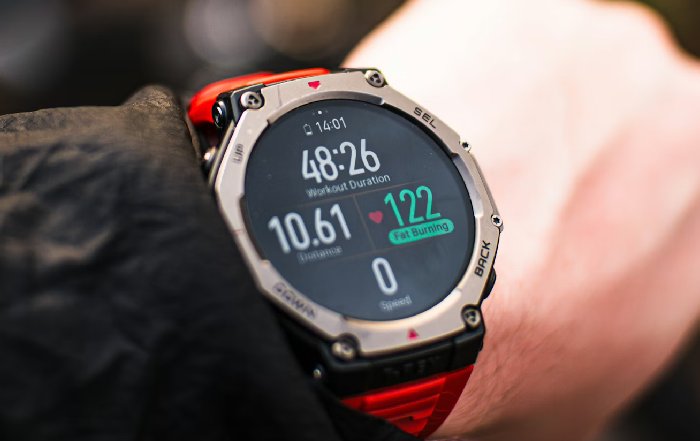
Your Heart Health Score Matters More Than Your Step Count
Rethinking the Metrics that Really Matter
As wearables and health apps continue to dominate the consumer wellness landscape, a quiet but decisive shift is underway: forward-thinking clinicians, performance coaches and employers are beginning to care less about the daily step count flashing on a wrist and far more about a deeper, more predictive set of cardiovascular indicators often summarized as a "heart health score." For the global audience that turns to FitBuzzFeed for insight at the intersection of fitness, health, business and lifestyle, this shift is not a superficial trend; it is a structural change in how health risk, performance potential and long-term wellbeing are evaluated, priced and managed across the United States, Europe, Asia and beyond.
The idea that "10,000 steps a day" is the gold standard for health has become embedded in popular culture, yet its scientific basis has always been relatively modest. By contrast, composite heart health scoring systems, many of them influenced by frameworks from organizations such as the American Heart Association, the World Health Organization and leading academic centers, integrate blood pressure, resting heart rate, cholesterol, fitness level, body composition, sleep and lifestyle behaviors into a single, dynamic picture of cardiovascular status. In a world where chronic disease costs are rising and performance expectations are intensifying from New York to London, Berlin to Singapore and Sydney to São Paulo, the implication is clear: the quality and intensity of what people do, how their hearts respond and how their bodies recover matter more than the simple quantity of movement recorded by a step counter.
For readers accustomed to tracking workouts via the fitness features explored on FitBuzzFeed's training section or following global health developments through its world coverage, understanding this evolving focus on heart health scoring is essential to making smarter personal, professional and investment decisions in the years ahead.
From Counting Steps to Measuring Cardiovascular Resilience
The popularity of step counting arose from its simplicity: it is easy to understand, easy to gamify, and easy to market. Early wearables from companies like Fitbit, Garmin and Apple helped millions of people become more aware of their daily activity levels, and public health agencies from Public Health England to Health Canada leveraged step-based messaging as an accessible entry point into more active lifestyles. However, as researchers at institutions such as Harvard T.H. Chan School of Public Health and the Mayo Clinic have repeatedly emphasized, step counts are at best a proxy measure; they do not directly capture cardiorespiratory fitness, arterial health, autonomic balance or metabolic risk, all of which are central to cardiovascular resilience and long-term health.
A heart health score, by contrast, is built on integrated metrics that reflect how efficiently the cardiovascular system works at rest, under load and during recovery. It may incorporate resting heart rate, heart rate variability, estimated VO₂ max, blood pressure readings, lipid profiles, blood glucose markers and lifestyle factors such as smoking status and sleep quality. Platforms inspired by the American Heart Association's Life's Essential 8 or risk calculators developed by the European Society of Cardiology are increasingly used in clinical and corporate environments to stratify risk and guide interventions. Learn more about how cardiovascular risk is evaluated in contemporary practice at the American Heart Association and the European Society of Cardiology.
For the audience of FitBuzzFeed, which spans high-performance professionals in New York and London, endurance athletes in Germany and Sweden, and tech-savvy wellness enthusiasts in Singapore, Seoul and Tokyo, this distinction matters because resilience, not mere activity, is what determines whether a demanding lifestyle can be sustained without degrading health, performance or career longevity.
Why Heart Health Scores Predict Outcomes Better Than Step Counts
The core reason heart health scores matter more than step counts is that they are more closely linked to hard outcomes: heart attacks, strokes, heart failure, sudden cardiac events and cardiovascular mortality. Decades of cohort studies synthesized by organizations like the World Health Organization and the U.S. Centers for Disease Control and Prevention have shown that cardiorespiratory fitness and blood pressure control are among the most powerful predictors of longevity and disease risk. By integrating these variables, composite scores can estimate risk with far greater precision than any single behavioral metric.
A person who walks 12,000 steps a day but has uncontrolled hypertension, elevated LDL cholesterol, poor sleep and high perceived stress may still be at significantly higher risk than a more sedentary individual who maintains optimal blood pressure, healthy lipid levels, strong heart rate variability and a high VO₂ max achieved through targeted, time-efficient training. This is why leading clinical centers such as the Cleveland Clinic and Johns Hopkins Medicine emphasize structured aerobic conditioning, blood pressure management and lifestyle modification over simple step goals when designing prevention and rehabilitation programs for patients across North America, Europe and Asia. Readers can explore contemporary prevention strategies via resources from the World Health Organization and the Cleveland Clinic.
In practice, heart health scores are also more responsive to meaningful changes in behavior. When an individual improves their sleep hygiene, reduces sodium intake, adopts a Mediterranean-style diet, integrates high-intensity interval training and manages work-related stress, their composite cardiovascular score often improves even if their step count remains relatively stable. This responsiveness makes such scores highly valuable for the performance-oriented community that follows FitBuzzFeed's wellness coverage, because it creates a direct feedback loop between strategic behavior change and measurable improvements in health status.
The Role of Technology: From Wearables to Clinical-Grade Insights
The rise of heart health scoring has been accelerated by rapid advances in wearable and mobile health technology. Devices from Apple, Samsung, Garmin, Huawei and other global players now estimate VO₂ max, detect irregular rhythms, measure heart rate variability and track sleep stages with increasing accuracy. Some models have received regulatory clearances from agencies like the U.S. Food and Drug Administration and the European Medicines Agency for features such as ECG recording and atrial fibrillation detection, bringing clinical-grade capabilities to everyday consumers in the United States, Europe, Australia and parts of Asia. Learn more about how regulators evaluate digital health tools at the U.S. Food and Drug Administration and the European Medicines Agency.
At the same time, software platforms are evolving from simple fitness trackers into analytics engines that synthesize data into actionable insights. Several leading apps now generate personalized heart health scores that incorporate resting heart rate trends, HRV, recovery indices, training load and sleep quality, and then translate these into recommendations on when to push harder, when to recover and when to seek medical evaluation. As these platforms integrate with electronic health record systems used by hospitals and clinics across the United States, the United Kingdom, Germany, Canada, Singapore and beyond, clinicians gain a richer, longitudinal view of patients' cardiovascular status between visits, allowing more proactive intervention.
For FitBuzzFeed readers who follow the latest in sports science and health technology, this convergence of consumer wearables and medical analytics is particularly relevant. It means that the data generated during a morning run, a strength session or a cycling commute-topics frequently explored in FitBuzzFeed's fitness coverage and sports reporting-can now feed into clinically meaningful scores that influence medical decision-making, insurance underwriting and employer wellness strategies worldwide.
Business, Insurance and the Economic Value of Heart Health
The shift from step counts to heart health scores is not only a health story; it is also a business and economic story that resonates strongly with the global executive and entrepreneurial audience of FitBuzzFeed. Employers in North America, Europe, Asia and Australia face mounting costs from cardiovascular disease, which remains one of the leading drivers of healthcare expenditure, absenteeism and lost productivity. As a result, corporate wellness programs are evolving from generic step challenges to more sophisticated initiatives that aim to improve biometric markers directly linked to cardiovascular risk.
Insurance providers and benefits consultants increasingly use heart health scoring frameworks to design incentive structures, premium discounts and targeted interventions. A multinational employer in London or Frankfurt may now offer reduced premiums or performance bonuses to employees who demonstrate improvements in blood pressure, resting heart rate or VO₂ max, as verified through integrated health platforms. Reinsurers and large health plans draw on evidence from organizations such as the Organisation for Economic Co-operation and Development and the World Bank to model the macroeconomic impact of cardiovascular disease and justify investments in preventive programs. Explore how health factors influence economic performance via the OECD health statistics and the World Bank's health data.
For the business community that follows FitBuzzFeed's business section, this creates both risk and opportunity. Companies that ignore cardiovascular health in their workforce strategies may face higher costs, lower productivity and reputational risk, while those that integrate heart health metrics into talent management, leadership development and workplace design can differentiate themselves as employers of choice in competitive markets from New York and Toronto to Zurich, Singapore and Dubai.
Integrating Heart Health into Daily Life and Work
Understanding that heart health scores matter more than step counts is only useful if individuals and organizations know how to act on that insight. For professionals balancing demanding careers in finance, technology, law, healthcare or creative industries, the first step is often a comprehensive cardiovascular assessment that goes beyond standard annual check-ups. This may include a graded exercise test, detailed blood work, ambulatory blood pressure monitoring and advanced imaging where appropriate, guided by evidence-based protocols from organizations such as NICE in the United Kingdom or Deutsche Gesellschaft für Kardiologie in Germany. Readers can review current guidelines for prevention and screening via NHS resources in the United Kingdom or the National Heart, Lung, and Blood Institute in the United States.
Once a baseline is established, integrating heart-centric habits into daily life becomes a strategic exercise rather than a collection of random wellness activities. Time-efficient interval training, structured strength work, regular mobility sessions and deliberate recovery practices can be organized into weekly routines that respect work commitments while still driving meaningful improvements in VO₂ max, blood pressure and autonomic balance. The training principles discussed in FitBuzzFeed's physical performance content and fitness features align closely with these priorities, emphasizing intensity, progression and recovery rather than simply accumulating low-intensity steps.
Nutrition, sleep and stress management also play crucial roles. A heart-protective dietary pattern rich in vegetables, fruits, whole grains, lean proteins and healthy fats, supported by evidence from organizations such as The Nutrition Source at Harvard, helps optimize lipid profiles and reduce systemic inflammation. Readers can deepen their understanding of such patterns by exploring resources from Harvard's Nutrition Source and complementing that knowledge with practical insights from FitBuzzFeed's nutrition coverage. Similarly, prioritizing sleep duration and quality, managing workload and cultivating psychological resilience through practices such as mindfulness or cognitive behavioral strategies can improve heart rate variability and resting heart rate, directly impacting heart health scores.
Global Perspectives: Regional Nuances in Cardiovascular Risk
Although the core physiology of cardiovascular health is universal, regional variations in diet, activity patterns, healthcare infrastructure and environmental factors create distinct risk profiles across the countries and regions where FitBuzzFeed has a growing readership. In the United States and Canada, for example, obesity, sedentary work and high sodium intake remain major drivers of hypertension and metabolic syndrome, while in parts of Europe such as France, Italy and Spain, traditional dietary patterns offer some protection even as urbanization and stress levels rise. In rapidly urbanizing regions of Asia, including China, Thailand and Malaysia, shifts toward Western dietary habits and office-based work have contributed to a sharp increase in cardiovascular risk, prompting governments and organizations such as Singapore's Health Promotion Board to promote active commuting, structured exercise and healthier food environments. Learn more about how different countries are responding to cardiovascular challenges via the World Health Organization's country profiles and resources from Singapore's Health Promotion Board.
In Scandinavia-Denmark, Sweden, Norway and Finland-strong social safety nets and public health campaigns have historically supported better cardiovascular outcomes, yet even these countries now face challenges related to aging populations and rising mental health burdens, both of which intersect with cardiovascular risk. South Africa and Brazil, representing key markets in Africa and South America, grapple with dual burdens of infectious and non-communicable diseases, where structural inequalities, limited access to preventive care and urban air pollution compound heart health risks. These regional nuances underscore why step counts alone are an inadequate global metric; they fail to capture the complex interplay of biological, social and environmental determinants that heart health scores are designed to reflect.
For globally mobile professionals and brands featured in FitBuzzFeed's brands section, understanding these regional differences is critical when designing wellness programs, product strategies or corporate social responsibility initiatives that are both culturally relevant and scientifically grounded.
The Intersection of Performance, Lifestyle and Long-Term Health
For many readers of FitBuzzFeed, cardiovascular health is not only about avoiding disease; it is also about sustaining high performance in sport, business and life. Elite and sub-elite athletes, from marathoners in Berlin to triathletes in Melbourne and CrossFit competitors in Texas, increasingly rely on heart-centric metrics such as lactate threshold, HRV and recovery scores to fine-tune training and avoid overtraining. Sports science institutes affiliated with organizations like the Australian Institute of Sport and UK Sport have long used these metrics to optimize performance, and their methodologies are gradually filtering into mainstream fitness communities through advanced training apps and coaching platforms. Readers interested in the science behind these practices can explore resources from the Australian Institute of Sport and UK Sport.
At the same time, lifestyle trends in cities from Los Angeles and Toronto to Amsterdam and Zurich reflect a growing desire to integrate movement, recovery and social connection into daily life in ways that support heart health. Boutique fitness studios, workplace wellness hubs, urban running clubs and community cycling groups create environments where structured, heart-focused training is normalized rather than exceptional. Coverage on FitBuzzFeed's lifestyle pages frequently highlights how these trends intersect with broader shifts in work patterns, such as the rise of hybrid models, flexible hours and remote collaboration tools that allow individuals to structure their days around health-promoting routines.
For organizations and individuals alike, the key insight is that long-term success-whether measured in revenue, innovation, athletic achievement or personal fulfillment-is tightly linked to cardiovascular resilience. A strong heart health score is not merely a medical statistic; it is a strategic asset that supports sustained effort, sharper cognition, emotional stability and the capacity to adapt to stress across careers that now often span five or more decades.
Careers, Jobs and the Future of Heart-Centric Workplaces
As awareness of cardiovascular health deepens, it is also reshaping the job market and the future of work, themes that resonate strongly with readers of FitBuzzFeed's jobs coverage. Demand is rising for professionals who can bridge clinical knowledge, data science and behavioral coaching to design and implement heart-centric wellness programs in corporations, sports organizations, healthcare systems and digital health startups. Roles such as health data analyst, corporate wellness strategist, digital cardiovascular coach and health product manager are emerging in markets from the United States and the United Kingdom to Germany, Singapore and Japan.
Forward-thinking employers are embedding cardiovascular considerations into job design, workplace ergonomics and leadership development. Meeting schedules are restructured to reduce chronic stress, office layouts are redesigned to encourage movement without over-reliance on step counts, and leadership programs include education on heart health, sleep and recovery as essential components of sustainable performance. Global organizations draw on guidance from bodies such as the International Labour Organization and World Economic Forum, which increasingly emphasize worker wellbeing, mental health and resilience as critical to economic competitiveness. Learn more about how wellbeing is influencing the future of work through resources from the World Economic Forum and the International Labour Organization.
For individuals navigating career choices, especially in high-pressure fields, evaluating potential employers on their commitment to cardiovascular health-through benefits, culture, workload expectations and flexibility-becomes a rational component of long-term planning, rather than a luxury concern.
How FitBuzzFeed Will Continue to Cover the Heart Health Revolution
As heart health scores become central to how individuals, organizations and societies understand and manage wellbeing, FitBuzzFeed is uniquely positioned to provide integrated, cross-disciplinary coverage that connects the dots between sports science, clinical evidence, business strategy, technology innovation and lifestyle design. Through its health reporting, readers can expect ongoing analysis of emerging research on cardiovascular biomarkers, screening technologies and preventive strategies. Its technology section will continue to track developments in wearables, AI-driven health analytics and digital therapeutics that influence how heart health scores are calculated, interpreted and used. Meanwhile, the news pages will follow policy changes, regulatory decisions and major corporate initiatives that shape the broader ecosystem in which heart health is managed.
Events and conferences focused on sports, wellness, digital health and corporate performance-many of which are highlighted in FitBuzzFeed's events coverage-are increasingly featuring sessions on cardiovascular metrics, data ethics and the responsible use of wearable data in employment and insurance contexts. As these discussions evolve, FitBuzzFeed will provide critical analysis aimed at helping readers navigate both the opportunities and the ethical questions posed by a world where heart data becomes a central component of personal and professional identity.
Ultimately, for a global audience spanning North America, Europe, Asia, Africa and South America, the message is consistent: in this year and beyond, the health of the heart is emerging as the most important, integrative measure of overall wellbeing and performance. Step counts still have their place as an accessible entry point into movement, but they are no longer sufficient as the primary metric of health. By focusing on heart health scores-grounded in robust science, enabled by advancing technology and integrated into business and lifestyle decisions-individuals and organizations can move beyond superficial metrics toward a more meaningful, resilient and high-performing future. Ok, that is enough staring at the screen for today, subscribe then go and do some exercise, get fit and we'll see you back here tomorrow.