
Sports Participation as a Strategic Tool for Personal Growth
The New Business Case for Playing Sport
Sports participation has moved far beyond the stadium and the weekend hobby; it has become a strategic lever for personal development, career advancement and long-term wellbeing that business leaders, HR professionals and ambitious individuals can no longer afford to ignore. Across North America, Europe, Asia-Pacific and emerging markets in Africa and South America, executives are increasingly treating athletic engagement not as leisure but as an essential pillar of human capital investment, comparable in importance to formal education, digital upskilling and executive coaching. For a premium website platform like FitBuzzFeed, which sits at the intersection of sports, fitness, health and business, this shift is redefining how readers think about their bodies, their careers and their capacity for growth.
This evolution is underpinned by a growing body of research from organizations such as the World Health Organization and OECD, which consistently links regular physical activity with improved cognitive performance, emotional resilience and productivity. Managers in the United States, the United Kingdom, Germany and Singapore who once focused purely on technical competencies are now exploring how structured sports participation can build leadership, collaboration and decision-making under pressure. At the same time, individuals from entry-level employees to senior executives are rediscovering sport as a disciplined framework for self-improvement, rather than a nostalgic reminder of school competitions.
The Science of Physical Activity and Cognitive Performance
Modern neuroscience and sports science have given executives a language to describe what many athletes intuitively understood for decades: regular, properly structured physical activity changes the brain in ways that directly support high-level professional performance. Studies summarized by the U.S. Centers for Disease Control and Prevention show that aerobic exercise improves executive function, working memory and processing speed, all of which are critical for complex problem-solving and strategic decision-making in high-pressure business environments. Those who want to explore the underlying evidence can review global physical activity guidelines that connect movement with long-term cognitive health.
In parallel, leading institutions such as Harvard Medical School have reported that exercise stimulates neurogenesis and enhances synaptic plasticity, which in practical terms means that professionals who maintain consistent training habits are often better equipped to learn new technologies, adapt to changing market conditions and recover from setbacks. When sports participation is combined with deliberate goals, such as training for a local triathlon or joining a competitive football league, individuals gain a structured context in which to practice focus, discipline and sustained effort, skills that are easily transferred to demanding roles in finance, technology, consulting or entrepreneurship. Readers on FitBuzzFeed who are already following training-focused content can therefore view each workout as a direct investment in their cognitive capital, not merely a means of improving physical appearance.
Emotional Resilience and Mental Health in a Volatile World
The period from 2020 to 2026 has been marked by economic shocks, geopolitical uncertainty and rapid technological disruption, all of which have placed unprecedented stress on professionals across sectors and regions. In this context, sport has emerged as one of the most accessible and evidence-based tools for building psychological resilience and protecting mental health. Reports from Mental Health America and the National Health Service in the United Kingdom consistently highlight the role of regular exercise in reducing symptoms of anxiety and depression, moderating stress hormones and improving sleep quality, outcomes that are particularly valuable for those in leadership or client-facing roles. Those seeking a deeper understanding of this connection can learn more about exercise and mental health through public health resources.
For professionals in high-pressure markets such as New York, London, Frankfurt, Singapore and Tokyo, organized sports create a structured outlet for emotional release and social connection that is often missing in remote or hybrid work environments. The ritual of weekly training sessions, the shared focus of competition and the predictable rhythm of a sports season provide a counterbalance to the volatility of quarterly earnings cycles and constant digital connectivity. On FitBuzzFeed, where wellness and lifestyle topics intersect, many readers are finding that participation in running clubs, amateur basketball leagues or martial arts dojos offers a psychologically safe space to fail, learn and improve without the career consequences that can accompany mistakes in the workplace.
Building Transferable Skills through Team and Individual Sports
From a talent development perspective, sports participation can be viewed as a live laboratory for cultivating transferable skills that are difficult to teach in traditional classroom settings. Team sports such as football, basketball, rugby and hockey require real-time communication, situational awareness and the ability to adjust strategy in response to shifting conditions, all under the pressure of a ticking clock and an unpredictable opponent. Leading organizations such as Deloitte and McKinsey & Company have long recognized that former athletes often bring a distinctive combination of competitiveness, coachability and collaborative mindset to corporate roles, traits that are increasingly valued in agile, cross-functional teams. Executives who want to understand how these capabilities translate into performance may find it useful to explore research on teamwork and leadership from established management publications.
Individual sports, from tennis and golf to endurance running and swimming, develop a different but complementary set of skills centered on self-discipline, intrinsic motivation and accountability. In these contexts, there is no teammate to cover for a missed training session or a lapse in concentration; performance is a direct reflection of preparation, mindset and tactical decision-making. Professionals in consulting, law, software engineering and entrepreneurship, where individual contribution can significantly affect outcomes, often find that the discipline of solo sports aligns closely with the demands of their roles. For readers of FitBuzzFeed who are balancing demanding careers with personal performance goals, the platform's fitness and physical performance sections provide frameworks to translate athletic habits into professional routines.
Global Perspectives: Cultural Differences and Universal Principles
Sport is a global language, but the way it is integrated into personal growth strategies varies across regions. In North America, high school and collegiate sports systems in the United States and Canada have historically linked athletic participation with educational pathways and scholarships, reinforcing the idea that sport can be a vehicle for social mobility and character development. In Europe, from the football academies of Germany, Spain and the Netherlands to the rugby cultures of France and the United Kingdom, clubs often act as community anchors where values such as discipline, respect and teamwork are instilled from a young age. Those interested in the broader social impact of sport can explore international perspectives from global institutions.
In Asia, countries such as Japan, South Korea and China have used sport both as a tool of national identity and as a mechanism for cultivating perseverance and collective responsibility, while in emerging markets across Africa and South America, from South Africa to Brazil, community sports programs are frequently positioned as interventions against youth unemployment, crime and social exclusion. For FitBuzzFeed readers tracking world developments and news, these regional variations illustrate how sports participation operates not only as a personal growth tool but also as a component of social and economic policy. Despite cultural differences, certain principles remain consistent across continents: regular participation, constructive coaching, clear goal-setting and supportive peer networks are the foundations that allow sport to function as a reliable engine of growth.
Sports, Career Trajectories and the Future of Work
As the future of work continues to be reshaped by automation, artificial intelligence and remote collaboration, employers in the United States, United Kingdom, Germany, Singapore and Australia are rethinking the attributes they prioritize in recruitment and promotion decisions. Technical skills remain necessary, but they are no longer sufficient; adaptability, resilience, cross-cultural communication and ethical judgment are increasingly critical. Sports participation, particularly at competitive or sustained recreational levels, offers tangible evidence that a candidate has practiced these capabilities in real-world conditions. Human resources leaders can learn more about the future of skills from organizations tracking global labor trends.
Corporate wellness programs are also evolving from basic gym subsidies to integrated performance ecosystems that combine fitness coaching, mental health support, nutrition guidance and flexible work arrangements. In cities from New York to Zurich and from Stockholm to Sydney, leading employers are sponsoring company sports teams, organizing inter-office leagues and partnering with local clubs to provide structured training opportunities. For readers of FitBuzzFeed who are considering career transitions or exploring new opportunities, the platform's jobs and business sections highlight how organizations are using sports-oriented initiatives to attract and retain high-potential talent, particularly among younger professionals who expect holistic support for their wellbeing and growth.
Nutrition, Recovery and Sustainable High Performance
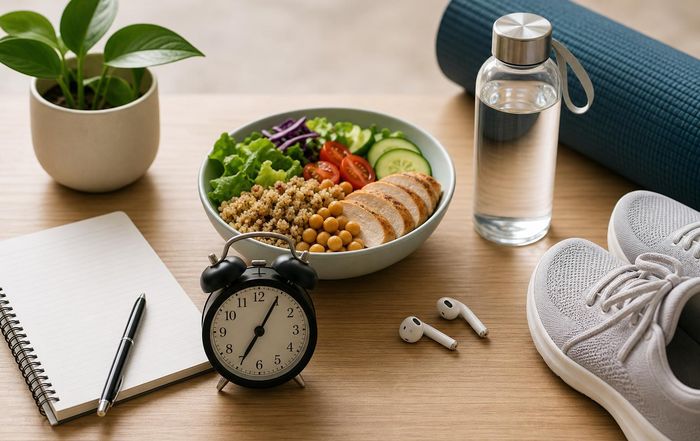
For sports participation to genuinely support personal growth rather than contribute to burnout or injury, it must be integrated into a broader framework of sustainable high performance that includes nutrition, sleep and recovery. Elite athletes and high-performing executives increasingly share a similar approach: they treat their bodies as critical infrastructure that must be fueled, maintained and monitored with the same rigor that companies apply to financial and technological assets. Resources from institutions such as the Mayo Clinic and Cleveland Clinic offer practical guidance on how to align nutrition with physical activity to support energy levels, cognitive function and immune health.
On FitBuzzFeed, the intersection between nutrition, wellness and sport is particularly relevant for readers who are navigating demanding professional schedules in markets like London, Berlin, Toronto, Singapore and Hong Kong. These individuals often face time constraints, frequent travel and irregular hours, which can undermine even the best-intentioned training plans. By adopting evidence-based practices such as periodized training, planned deload weeks, balanced macronutrient intake and consistent sleep routines, they can leverage sports participation as a sustainable growth engine rather than a short-lived burst of motivation that leads to exhaustion. High-quality public health resources, including those from Health Canada and Australia's Department of Health, provide accessible frameworks for building healthy lifestyle habits that align with long-term performance goals.
Technology, Data and the Quantified Athlete-Professional
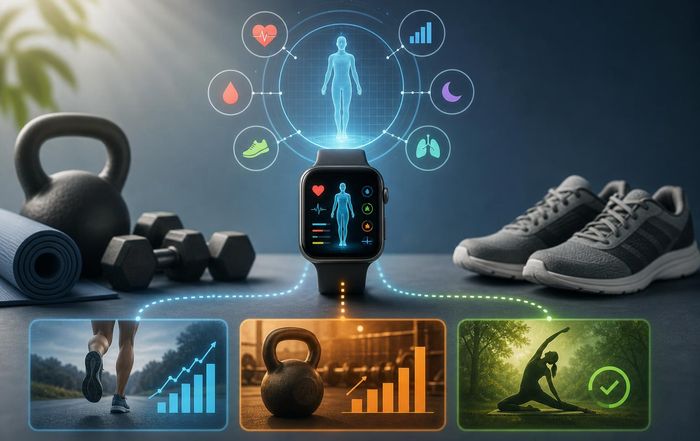
The rapid expansion of wearable technology, mobile apps and connected fitness platforms has transformed how individuals engage with sport and measure their progress. In 2026, professionals from Silicon Valley to Seoul and from Amsterdam to Auckland are using smartwatches, heart rate monitors and GPS trackers to quantify their training load, recovery status and sleep quality. This data-driven approach mirrors the analytics revolution in business, where leaders use dashboards and key performance indicators to guide decision-making. Those interested in the convergence of sport and technology can explore insights on digital transformation from established consulting firms.
For FitBuzzFeed readers who are already engaging with technology-focused content, this convergence creates an opportunity to treat their own bodies as integrated performance systems. By analyzing trends in heart rate variability, resting heart rate, training intensity and recovery metrics, individuals can make informed decisions about when to push harder and when to rest, reducing the risk of overtraining and injury. Leading sports science institutions and platforms such as MIT Sports Lab and Stanford Center on Longevity continue to investigate how data can optimize human performance across the lifespan, and their findings are gradually filtering into consumer devices that make sophisticated monitoring accessible to busy professionals in finance, law, technology and healthcare.
Brand Ecosystems and the Commercialization of Personal Growth
Global sports and wellness brands have recognized that personal growth through sport is not only a human development story but also a powerful commercial narrative that resonates with consumers across demographics and regions. Companies such as Nike, Adidas, Under Armour and Lululemon have shifted their messaging from pure performance or fashion to a broader promise of empowerment, resilience and self-actualization, aligning their products with the aspirations of customers who view sport as a pathway to a better life. Market analysts and executives can learn more about evolving consumer trends in sportswear and wellness from industry research.
For FitBuzzFeed, which maintains a dedicated focus on brands and their role in the sports, fitness and wellness ecosystem, this trend raises important questions about authenticity, accessibility and inclusion. While premium training gear, connected equipment and exclusive memberships can undoubtedly enhance the sports experience, there is a growing recognition that the core benefits of participation-discipline, confidence, social connection and resilience-must remain accessible to individuals regardless of income, geography or background. Partnerships between brands, local clubs, schools and community organizations in regions from South Africa to Brazil and from Malaysia to Norway are emerging as models for inclusive growth, where commercial interests align with social impact and personal development.
Events, Communities and the Power of Shared Experience
Sports participation is not only an individual endeavor; it is also deeply social, and the communities that form around events and clubs often play a decisive role in sustaining long-term engagement. From marathons in New York, Berlin and Tokyo to cycling sportives in France and triathlons in Australia and New Zealand, large-scale events provide focal points around which individuals can set goals, structure training and experience the satisfaction of shared achievement. Those who want to understand how major events are reshaping urban life and tourism can explore insights on global sports events from international organizations.
On FitBuzzFeed, where events coverage intersects with sports, readers are increasingly seeking not just information about race dates or tournament schedules, but also guidance on how to use these events as catalysts for deeper personal transformation. Joining a local running club in London, a football league in Madrid, a climbing gym community in Vancouver or a yoga collective in Singapore offers more than physical benefits; it creates accountability, mentorship and a sense of belonging that can buffer against isolation in an era of remote work and digital communication. For professionals navigating global careers, these communities often become portable networks that extend across cities and continents, reinforcing the idea that sport is a durable, mobile platform for connection and growth.
Integrating Sports Participation into a Holistic Life Strategy
For the fit and sporty audience folk that turns to FitBuzzFeed for guidance across health, lifestyle, business and wellness, the central question in 2026 is no longer whether sports participation is beneficial, but how to integrate it strategically into a demanding life. The most successful approaches treat sport as a non-negotiable pillar of personal infrastructure, on par with financial planning, continuous learning and relationship building. Professionals in New York, London, Munich, Toronto, Singapore and Tokyo are increasingly blocking training sessions in their calendars with the same seriousness as client meetings, negotiating flexible work arrangements that accommodate peak performance windows and aligning their nutrition, sleep and digital habits with their athletic and professional goals.
Public institutions such as the European Commission, World Economic Forum and national health agencies continue to promote physical activity as a cornerstone of resilient societies and sustainable economies, emphasizing that a healthier workforce is also a more innovative and productive one. Those who wish to learn more about sustainable business practices will find that human wellbeing and environmental responsibility are increasingly viewed as interconnected priorities. Within this broader context, sports participation emerges as a uniquely practical and scalable intervention: it is measurable, adaptable across cultures and life stages, and capable of delivering simultaneous benefits in physical health, mental resilience, social cohesion and professional capability.
For FitBuzzFeed, the mission in the coming years is to continue providing evidence-based, globally relevant and practically actionable insights that help readers from the United States to the United Kingdom, from Germany to Singapore, from South Africa to Brazil and beyond use sport not merely as entertainment but as a deliberate, strategic tool for personal growth. By curating new content that spans fitness, sports, nutrition, technology, business and world developments, the platform aims to support a generation of readers who understand that every training session, every match and every race is an opportunity to become not only stronger and faster, but also wiser, more resilient and better prepared for the complexities of modern life.