

Lifestyle Upgrades That Support Mental Wellbeing in 2026
Why Lifestyle Matters More Than Ever for Mental Health
By 2026, mental wellbeing has become one of the defining themes of global life and business, and readers of FitBuzzFeed encounter its impact in almost every domain they care about, from elite sports and everyday fitness to workplace culture, leadership, and personal lifestyle design. Across North America, Europe, Asia, Africa, and South America, rising rates of burnout, anxiety, and chronic stress have pushed mental health from a stigmatized side issue into a central strategic concern for governments, employers, and individuals, and this shift is reshaping how people train, eat, rest, work, and connect.
The World Health Organization continues to emphasize that mental health is a core component of overall health and sustainable development, and those tracking global policy can explore how mental wellbeing is now embedded in health, labor, and education strategies through resources on mental health and development. For executives in New York, London, Berlin, Singapore, and Sydney, the economic implications are now undeniable: mental ill-health drives absenteeism, presenteeism, and talent churn, while robust mental wellbeing underpins innovation, resilience, and long-term performance.
For a platform like FitBuzzFeed, which operates at the intersection of health, business, sports, and lifestyle, the real challenge is to translate this complex, fast-evolving body of research into practical lifestyle upgrades that readers in the United States, United Kingdom, Germany, Canada, Australia, Singapore, Japan, South Africa, Brazil, and beyond can realistically apply. The emphasis has moved away from quick fixes and aspirational slogans toward sustainable, evidence-informed routines that can be integrated into demanding lives, whether someone is building a career in finance, managing a remote team across time zones, training for a triathlon, or simply striving to feel more stable and energized day to day.
The New Science of Everyday Mental Resilience
Over roughly the last decade, research from neuroscience, psychology, and behavioral medicine has refined understanding of how daily behaviors shape mood, cognition, and long-term mental resilience, and this has given individuals and organizations far more concrete levers to pull. Leading institutions such as Harvard Medical School and Stanford University have mapped how sleep quality, physical activity, nutrition, and social connection interact with brain circuits related to attention, emotional regulation, and stress response, and readers who want to explore these mechanisms in more depth can review overviews from Harvard Health Publishing on mental health.
In modern professional environments from Toronto and Amsterdam to Seoul and Melbourne, people face a constant barrage of digital stimuli, extended sitting, and blurred boundaries between work and home, and this has made "mental hygiene" as fundamental as physical hygiene. Rather than treating mental health only as a crisis-response issue, a growing consensus among experts frames it as a trainable capacity, built through consistent, small behaviors that compound over time, a perspective that aligns closely with how FitBuzzFeed approaches fitness and performance. Just as no athlete would expect to maintain strength or endurance without regular training and recovery, no professional can expect stable focus and emotional balance without deliberate mental health routines woven into everyday life.
Organizations including The American Psychological Association and The National Institute of Mental Health stress that lifestyle upgrades are not replacements for clinical care where disorders are present, but they are powerful protective factors and important complements to therapy and medication. Readers who want to understand how daily routines interact with professional treatment can explore guidance on caring for mental health, which highlights how sleep, movement, and social support can significantly improve outcomes. For the global FitBuzzFeed audience, the key is to see lifestyle upgrades not as dramatic overhauls but as incremental, realistic shifts that, when maintained over months and years, fundamentally change how the brain and body respond to stress.
Movement and Training as Mental Health Infrastructure
Among all lifestyle levers, physical activity remains one of the most consistently supported by research for its impact on mental wellbeing, and this is particularly relevant for readers engaged with FitBuzzFeed's coverage of training, physical performance, and competitive sport. Studies across continents show that regular movement can reduce symptoms of mild to moderate depression and anxiety, improve sleep, and sharpen cognitive function, while also strengthening cardiovascular and metabolic health, which in turn supports brain function over the long term.
The conversation in 2026 is no longer limited to generic advice to "exercise more"; instead, it focuses on designing movement routines that fit personality, job structure, and cultural context. A software engineer in San Francisco might rely on short high-intensity workouts between meetings to discharge stress, while a consultant in Zurich or Singapore might find that brisk walking, cycling commutes, or low-impact classes provide a more sustainable rhythm alongside heavy travel. The Mayo Clinic offers accessible explanations of how different types of exercise influence mood, stress hormones, and neurochemistry, and those interested can explore its guidance on exercise and stress relief to understand why even modest activity levels can make a substantial difference.
Forward-thinking employers in sectors such as technology, finance, and professional services increasingly view movement as mental health infrastructure rather than a discretionary perk. Companies in the United States, United Kingdom, Germany, and the Nordic countries are redesigning workplaces and hybrid policies to incorporate walking meetings, standing desks, active commuting incentives, and micro-breaks that interrupt prolonged sitting, trends that FitBuzzFeed tracks closely in its business coverage. For individual professionals, the upgrade lies in treating movement as a non-negotiable calendar item, protected with the same seriousness as a client presentation, and in exploring formats from yoga and Pilates to football, basketball, or dance so that physical activity becomes an intrinsically rewarding part of identity rather than an externally imposed obligation.
Nutrition, Gut Health, and the Mood Connection
Nutrition, historically associated mainly with weight management and athletic performance, has now moved to the center of mental health conversations, particularly for readers who follow FitBuzzFeed's dedicated nutrition insights. Researchers in Europe, North America, Asia, and Oceania are investigating how dietary patterns influence inflammation, neurotransmitter synthesis, and the gut microbiome, all of which shape energy, mood stability, and cognitive sharpness. Evidence increasingly suggests that diets rich in vegetables, fruits, whole grains, legumes, lean proteins, and healthy fats are associated with lower risks of depression and better subjective wellbeing, whereas high intake of ultra-processed foods, refined sugars, and excessive alcohol correlates with greater mood volatility and fatigue.
Professional bodies such as The Academy of Nutrition and Dietetics and The British Nutrition Foundation have translated this emerging science into practical guidelines for consumers and businesses, and those interested can explore how specific nutrients and eating patterns support mental health through resources on nutrition and emotional wellbeing. In parallel, research into the gut-brain axis is revealing how microbial diversity in the intestines may influence stress reactivity, immune function, and even certain aspects of behavior, an area that remains in development but reinforces the principle that everyday food choices send powerful long-term signals to the brain.
For busy professionals in cities like New York, Paris, Singapore, Bangkok, and São Paulo, perfection is rarely realistic, but strategic improvements are. Stabilizing blood sugar through regular meals, prioritizing nutrient-dense options when traveling, moderating caffeine and alcohol, and planning simple, balanced breakfasts and lunches can collectively transform daily energy and emotional stability. Institutions such as the Harvard T.H. Chan School of Public Health offer frameworks such as the Mediterranean-style diet, which has been associated with better mental and physical outcomes in multiple populations. For the FitBuzzFeed readership, the most effective reframing is to regard nutrition as a performance tool for both brain and body, not merely a matter of aesthetics or calorie balance.
Sleep, Recovery, and the Underrated Power of Rest
Despite the proliferation of sleep-tracking devices and growing public awareness, chronic sleep restriction remains widespread among entrepreneurs, executives, and high-performing professionals, and it continues to exert one of the most damaging yet underappreciated effects on mental health. Insufficient or poor-quality sleep impairs emotional regulation, reduces cognitive flexibility, and increases vulnerability to anxiety and depressive symptoms, with compounding effects when combined with high workloads, late-night screen exposure, and frequent travel across time zones. Organizations such as The Sleep Foundation and The American Academy of Sleep Medicine have documented how consistent sleep schedules, light management, and pre-bed routines can dramatically improve mental clarity and mood, and readers can explore the science of how sleep works to understand why even an extra 30-60 minutes of quality sleep can be transformative.
For many in the FitBuzzFeed community, who already track metrics such as heart rate variability, training load, and recovery, the most effective mental shift is to treat sleep as active recovery rather than wasted time. During deep and REM sleep, the brain consolidates learning, clears metabolic waste, and recalibrates emotional circuits, processes critical for anyone who needs sustained decision-making capacity, creativity, and interpersonal sensitivity, whether in a boardroom in Frankfurt, a hospital in Toronto, or a startup hub in Seoul. Elite athletes in the United States, Australia, and Europe increasingly integrate sleep coaching and circadian planning into their training programs, but even without advanced support, individuals can implement meaningful upgrades by standardizing wake times, reducing late caffeine, dimming screens in the evening, and building simple wind-down rituals.
Public health systems such as the National Health Service (NHS) in the United Kingdom provide accessible resources on insomnia and sleep hygiene, and those experiencing persistent problems can review NHS advice on sleep and tiredness as a starting point for structured change. For business leaders, HR directors, and managers who follow FitBuzzFeed's jobs and workplace insights, there is a strategic imperative to normalize healthy sleep by discouraging late-night emails, designing meeting schedules that respect time zones and circadian rhythms, and modeling sustainable working hours from the top, recognizing that chronically sleep-deprived teams are neither innovative nor resilient over the long term.
Digital Boundaries and the Mental Cost of Constant Connectivity
The global entrenchment of hybrid and remote work models has cemented digital connectivity as the backbone of modern business, but it has also intensified cognitive overload and emotional strain. From Stockholm and Copenhagen to Seoul, Tokyo, and Singapore, professionals report that constant notifications, video calls, rapid-fire messaging, and algorithmically tuned social feeds fragment attention and accelerate a sense of time pressure, while also amplifying social comparison and information fatigue. Research in digital wellbeing and cognitive psychology suggests that these patterns increase perceived stress and reduce capacity for deep work, even among individuals with otherwise healthy lifestyles.
Organizations such as The Center for Humane Technology have drawn attention to the design features that keep users continuously engaged and have begun to articulate strategies for reclaiming focus and autonomy, and those interested in these dynamics can explore perspectives on humane technology and attention. For the data-oriented, performance-driven readers of FitBuzzFeed, the opportunity lies in applying the same rigor used to track workouts and recovery to digital behaviors, by identifying peak-focus windows, scheduling deliberate offline blocks, and turning off non-essential alerts rather than living in a state of perpetual partial attention.
Public agencies such as the Australian Government's eSafety Commissioner offer practical resources for managing screen time and online exposure in ways that protect mental health, and readers can learn more about balancing online time and wellbeing to create personal protocols that fit their roles and responsibilities. At an organizational level, many European employers and some companies in Asia and North America are experimenting with "right to disconnect" policies and meeting-free blocks, trends that FitBuzzFeed continues to follow through its news and world coverage. These initiatives recognize that while technology enables flexibility, sustainable performance requires clear boundaries that protect time for deep work, rest, and genuine offline connection.
Social Connection, Community, and the Role of Culture
Although individual habits matter enormously, mental wellbeing is also profoundly shaped by the quality of relationships, community structures, and cultural norms. Cross-national studies consistently show that strong social ties, perceived support, and a sense of belonging are protective against depression, anxiety, and loneliness, regardless of income level, and this holds true from Scandinavia and the Netherlands to South Africa, Brazil, and Thailand. Organizations such as the OECD and World Economic Forum have integrated social connection into their wellbeing frameworks, and those interested in the policy and economic dimensions can explore insights on social wellbeing and inclusive growth.
For the FitBuzzFeed audience, whose lives often blend sports, fitness, and professional ambition, community can be built in multiple ways: through local running clubs in London or Vancouver, football leagues in Madrid or Johannesburg, cycling groups in Melbourne or Auckland, or wellness-focused coworking spaces in New York or Singapore. These settings provide not only physical benefits but also shared rituals, mutual accountability, and informal emotional support that buffer everyday stress. Even for those working remotely or traveling frequently, deliberate habits such as scheduling regular calls with friends, organizing device-free meals, or participating in volunteer projects can reinforce a sense of meaning and interdependence.
From an organizational perspective, culture has become a critical determinant of mental health outcomes. Companies that foster psychological safety, encourage open dialogue about stress, and promote peer support networks tend to see higher engagement and lower burnout, while cultures that prize constant availability, competition without collaboration, or silence around mental health often exacerbate risk. Business leaders and HR professionals can study examples of progressive workplace practices through discussions on mental health at work from the World Economic Forum, which highlight initiatives from multinational firms in Europe, North America, and Asia-Pacific. For FitBuzzFeed, which closely follows brands and lifestyle trends, spotlighting organizations that build genuinely supportive cultures is part of a broader commitment to promoting trustworthy, human-centered approaches to performance.
Mindfulness, Stress Management, and Cognitive Training
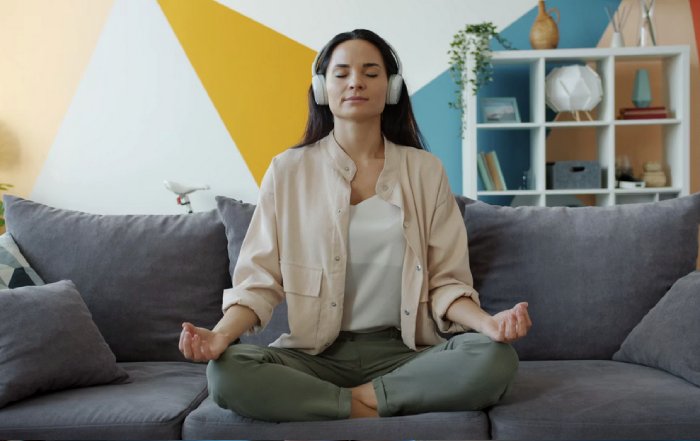
Alongside physical, nutritional, and social factors, cognitive and emotional skills have emerged as essential components of mental resilience, and structured practices such as mindfulness, breathwork, and cognitive reframing have moved from the fringes into mainstream corporate, educational, and clinical settings. Meta-analyses indicate that mindfulness-based interventions can reduce perceived stress, improve attention, and enhance emotional regulation across diverse populations, and these benefits are being harnessed in leadership programs, medical training, and high-performance sports. Institutions such as UCLA Mindful and the Oxford Mindfulness Foundation provide accessible introductions and guided practices, and readers can explore resources on mindfulness and mental health to understand how even short, regular exercises can shift brain function over time.
For professionals in demanding sectors such as finance in London, consulting in Frankfurt, technology in San Francisco, healthcare in Toronto, or logistics in Singapore, the most productive way to view these tools is as mental training, analogous to strength or mobility work in the gym. Simple protocols-a five-minute breathing exercise before a high-stakes negotiation, a brief body scan after back-to-back meetings, or a daily journaling habit that helps reframe challenges-can act as micro-interventions that gradually expand capacity to handle pressure without becoming overwhelmed. FitBuzzFeed's focus on wellness provides a natural home for exploring how these approaches can be adapted for different cultures, from app-based mindfulness in Sweden and South Korea to integrating traditional contemplative practices from Thailand, Japan, or India into modern work routines.
Organizations such as the American Institute of Stress offer frameworks for understanding how acute, episodic, and chronic stress affect the body and mind, and readers can learn more about practical stress management techniques to identify which tools-physical, cognitive, or relational-are most appropriate for their specific patterns. At the corporate level, integrating evidence-based stress management into leadership development, onboarding, and ongoing learning is increasingly seen as a competitive advantage, especially in tight labor markets across North America, Europe, and parts of Asia where burnout and turnover are persistent threats.
Workplace Design, Policy, and the Economics of Mental Wellbeing
Mental wellbeing is deeply influenced by structural factors that lie beyond individual control, including job design, workload, autonomy, compensation, and access to healthcare. Economic analyses from organizations such as the International Labour Organization and World Bank show that mental health challenges generate substantial productivity losses and healthcare costs, prompting governments and corporations to reassess how work is organized and supported. Those interested in the macroeconomic case can explore the World Bank's discussions on mental health and productivity, which connect individual wellbeing with national competitiveness and inclusive growth.
For readers of FitBuzzFeed who follow jobs and career trends, this means that personal lifestyle upgrades must be understood within a broader context of organizational and policy choices. Flexible work arrangements, transparent expectations, realistic workloads, and supportive management practices are consistently associated with better mental health outcomes, while precarious contracts, long unpaid overtime, and ambiguous responsibilities increase stress and burnout. In response, leading employers in the United States, United Kingdom, Germany, the Netherlands, and Singapore are experimenting with four-day workweeks, expanded mental health benefits, confidential counseling services, and training for managers to recognize and address early signs of distress.
Policy frameworks are also evolving. National mental health strategies in countries such as Canada, Australia, and New Zealand, and workplace safety regulations in the European Union that address psychosocial risks, are reshaping expectations of employer responsibility. Professionals interested in the regulatory dimension can review insights from the European Commission on mental health in the workplace, which outline how governments are encouraging or mandating more proactive approaches. For individuals making career decisions in 2026, understanding these trends can inform choices about employers, negotiation of working conditions, and advocacy for healthier norms within teams and organizations.
Integrating Lifestyle Upgrades into a Coherent Personal Strategy
With the sheer range of potential levers-movement, nutrition, sleep, digital boundaries, social connection, mindfulness, and workplace design-the real challenge for many readers of FitBuzzFeed is not a lack of information but the difficulty of integration. A coherent personal strategy for mental wellbeing does not demand perfection in every domain; instead, it requires an honest assessment of current habits, constraints, and priorities, followed by a sequence of realistic, high-impact changes. For one person in Chicago or Manchester, the most powerful first step might be improving sleep consistency; for another in Tokyo or Cape Town, it could be joining a community sports league; for someone else in Paris or São Paulo, a short daily mindfulness practice or therapy referral might be the pivotal upgrade.
The role of FitBuzzFeed, with its interconnected coverage of health, sports, lifestyle, technology, nutrition, and wellness, is to curate trustworthy, evidence-informed guidance that helps readers navigate this complexity without becoming overwhelmed. By drawing on the expertise of institutions such as WHO, Harvard, Mayo Clinic, NIMH, World Economic Forum, and others, and by contextualizing insights for diverse audiences across North America, Europe, Asia, Africa, and South America, FitBuzzFeed aims to empower its community to make decisions grounded in experience, expertise, authoritativeness, and trustworthiness rather than trends or marketing hype.
As 2026 unfolds, mental wellbeing will remain a central axis around which business strategies, public policies, and personal lifestyles are organized. The most effective responses will combine individual responsibility with collective support, scientific rigor with cultural sensitivity, and high performance with humane boundaries. Thoughtful lifestyle upgrades-anchored in movement, nutrition, sleep, digital discipline, social connection, cognitive training, and supportive work environments-offer a practical pathway toward that future, enabling FitBuzzFeed readers around the world to build lives and careers that are not only successful on paper but genuinely sustainable in body, mind, and community.