

Fitness Retreat Tourism in 2026: How Wellness Travel Became a Global Business Powerhouse
Fitness retreat tourism has, by 2026, firmly established itself as one of the most dynamic intersections of travel, health, and lifestyle, reshaping how individuals across the world think about vacations, performance, and long-term well-being. What began as a niche luxury for a small group of wellness enthusiasts has matured into a mainstream, data-driven, and highly professionalized sector that appeals to executives in New York, entrepreneurs in Berlin, remote workers in Sydney, and health-conscious millennials in Singapore alike. For the readership of fitbuzzfeed.com, which consistently follows developments in fitness, health, business, and lifestyle, the evolution of this industry is not just a travel story; it is a window into how modern societies are redefining success, productivity, and self-care.
By 2026, fitness retreats are no longer perceived as escapes from reality but rather as accelerators for physical, mental, and professional growth. Participants from the United States, United Kingdom, Germany, Canada, Australia, and fast-growing wellness markets across Asia and South America are traveling with clear objectives: to reset unhealthy patterns, enhance resilience, optimize performance, and adopt routines they can sustain at home. The sector's rapid growth is underpinned by advances in sports science, digital health technologies, and a broader cultural recognition that health is not an expense but a strategic asset, both personally and corporately. In this context, the role of platforms such as fitbuzzfeed.com has become increasingly important as a trusted guide helping readers navigate a crowded and often confusing marketplace of wellness offerings.
A Global Industry Comes of Age
The global expansion of fitness retreats over the last decade has been both swift and structurally significant. The Global Wellness Institute has tracked wellness tourism as one of the fastest-growing segments of the travel economy, with expenditures surpassing the $1 trillion mark by the mid-2020s as more travelers deliberately integrate health-oriented experiences into their itineraries. This growth is visible in every major region: alpine training centers in Switzerland and Austria, surf-and-strength camps in Portugal and Spain, yoga and meditation sanctuaries in Bali and Thailand, and performance-focused programs in the United States and United Arab Emirates.
Countries that once relied primarily on traditional sightseeing tourism are repositioning themselves as wellness destinations, often supported by national tourism boards and investment agencies. Governments in Thailand, Costa Rica, and Portugal, for instance, have integrated wellness tourism into broader economic development strategies, recognizing that fitness retreat guests tend to stay longer, spend more per day, and engage more deeply with local services than conventional tourists. Interested readers can explore how these shifts intersect with global travel trends by reviewing analyses from organizations such as the World Travel & Tourism Council.
For fitbuzzfeed.com's audience, which spans regions from North America and Europe to Asia-Pacific, this global expansion means a much wider array of retreat formats and price points. Luxury, medically supervised programs now coexist with minimalist, nature-immersive camps and urban "micro-retreats" designed for busy professionals who can only spare a long weekend. The result is a layered market in which the central promise remains consistent-meaningful, results-oriented transformation-but the delivery is increasingly personalized and regionally nuanced.
How Fitness Retreats Redefine the Concept of Vacation
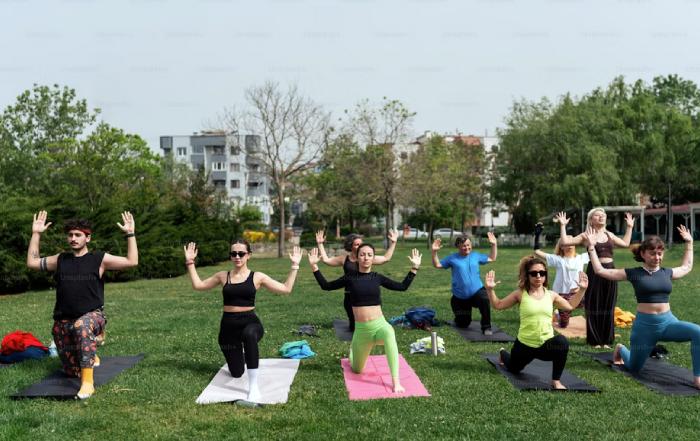
Fitness retreats differ fundamentally from traditional holidays in both structure and intent. Instead of centering on passive consumption, they are built around active participation, measurable outcomes, and carefully curated environments that support behavioral change. A typical day might include sunrise mobility training, mid-morning strength or conditioning sessions, educational workshops on nutrition and sleep, afternoon hikes or water sports, and evening recovery protocols such as stretching, sauna, or guided breathwork. Those seeking to understand how such routines influence long-term health outcomes can review guidelines and research from bodies like the World Health Organization.
The programs are often grounded in evidence-based methodologies informed by organizations such as the American College of Sports Medicine, National Strength and Conditioning Association, and leading sports science institutes. Retreat operators increasingly employ certified strength coaches, physiotherapists, psychologists, and registered dietitians to design protocols that are safe, scalable, and tailored to diverse populations, from first-time exercisers to elite athletes. This professionalization has been essential in building trust with discerning travelers who expect the same level of rigor from a retreat that they might demand from a financial adviser or medical specialist.
Equally important is the social dimension. Participants frequently describe retreats as catalysts for building accountability networks that extend far beyond the duration of the program. Many operators now maintain structured online communities and follow-up training plans, ensuring that the gains made during an intensive week in Ibiza, Tenerife, or the Dolomites are not lost once guests return to demanding roles in London, Toronto, or Singapore. This emphasis on continuity aligns closely with the editorial perspective of fitbuzzfeed.com/wellness, which stresses that sustainable change arises from integrated habits rather than short-lived bursts of motivation.
The Wellness-Travel Economy and Emerging Business Models
From a business standpoint, fitness retreat tourism has become a sophisticated ecosystem that connects hospitality, healthcare, technology, and consumer brands. Hotels and resorts that once treated gyms and spas as peripheral amenities are reconfiguring their properties to prioritize movement, recovery, and healthy dining as central value propositions. Investors and developers in Europe, North America, and Asia are funding purpose-built retreat centers that combine accommodation, high-performance training spaces, diagnostic labs, and nature access in a single integrated campus.
Market research firms such as Euromonitor International and McKinsey & Company have documented how wellness-oriented travelers tend to generate higher margins due to their willingness to pay for specialized services, professional expertise, and personalized experiences. Business readers interested in the broader strategic context can explore analyses of the wellness economy from sources like the Global Wellness Economy Monitor. For brands in sportswear, nutrition, and health technology, retreats function as high-engagement environments where products can be tested, refined, and showcased to a receptive, influential audience.
Collaborations between retreat operators and global brands such as Nike, Adidas, Lululemon, and Under Armour now frequently include co-branded events, exclusive capsule collections, and athlete-hosted training sessions. Nutrition and supplement companies partner with retreats to design menus and protocols that highlight their products within a holistic lifestyle framework. For readers following brand and partnership trends, fitbuzzfeed.com/brands often examines how these collaborations shape consumer perceptions and expectations.
The economic impact extends beyond multinational brands to local communities as well. Retreats typically engage regional farmers, chefs, guides, therapists, and artisans, creating diversified income streams in rural or previously underdeveloped areas. In Italy, Greece, and France, for example, former agricultural estates have been converted into wellness estates that blend vineyard walks, functional training, and Mediterranean nutrition, aligning with research on dietary patterns from institutions such as the Harvard T.H. Chan School of Public Health.
Technology, Data, and the Quantified Retreat Experience
By 2026, technology has become deeply embedded in the design and delivery of fitness retreat experiences, transforming them into data-rich, highly personalized journeys. Wearables from Apple, Garmin, Fitbit, WHOOP, and other digital health platforms are now standard tools, enabling trainers to monitor real-time metrics such as heart rate variability, sleep stages, training load, and recovery status. These insights allow for dynamic adjustments to programming, reducing injury risk and optimizing adaptation, which is particularly important for individuals who arrive deconditioned or under high stress.
Retreats increasingly use integrated platforms that combine biometric data, nutrition tracking, and subjective wellness assessments, often drawing on frameworks popularized by sports performance centers and academic institutions. Those interested in the science underpinning such approaches can explore resources from organizations like the American Council on Exercise. Some high-end programs incorporate lab-based assessments, including VO2 max testing, body composition analysis via DEXA scans, and blood biomarker panels, aligning fitness retreats with the precision wellness and longevity movements that have gained traction in Silicon Valley, Zurich, and Tokyo.
Digital tools also extend the reach of retreats beyond physical attendance. Live-streamed classes, on-demand libraries, and hybrid "phygital" programs allow participants in New York, Dubai, or Hong Kong to join sessions hosted in Bali or Mallorca, blurring geographic boundaries. This evolution reflects broader shifts in the fitness industry toward omnichannel delivery, a trend that fitbuzzfeed.com/technology (https://www.fitbuzzfeed.com/technology.html) continues to track through coverage of connected fitness, AI coaching, and virtual reality applications.
Mental Health, Resilience, and Psychological Recovery
While physical transformation remains a core appeal, the mental health dimension of fitness retreat tourism has become increasingly prominent, especially in the wake of prolonged global uncertainty, hybrid work fatigue, and rising burnout rates across knowledge-based industries. Structured movement in natural environments-whether trail running in Norway, cold-water immersion in Finland, or sunrise yoga on a Costa Rican beach-has been shown to reduce stress hormones, improve mood, and enhance cognitive function. Evidence supporting these benefits can be explored through resources such as the National Institute of Mental Health and the American Psychological Association.
Retreats now commonly integrate mindfulness, breathwork, and contemplative practices alongside strength and conditioning. In Japan, forest bathing traditions have been adapted into guided resilience programs, while in India and Sri Lanka, classical yoga and Ayurveda-based routines are combined with modern coaching techniques to support emotional regulation and self-awareness. Many participants report that the greatest value of a retreat lies not in aesthetic changes but in the clarity of thought, improved sleep quality, and renewed sense of purpose they experience after a period of structured disconnection from digital overload and workplace pressures.
Corporate clients have taken note. Companies in sectors such as finance, technology, and consulting are increasingly sponsoring or organizing wellness-focused offsites that blend strategic planning with movement, mental skills training, and recovery education. For professionals following workplace and jobs trends, this reflects a deeper shift toward viewing employee well-being as a determinant of performance rather than a peripheral benefit. In this sense, the retreat becomes a strategic intervention, not a perk.
Sustainability, Ethics, and Climate-Aware Wellness Travel
As the climate crisis intensifies and consumers become more environmentally conscious, the sustainability profile of fitness retreats has moved from optional to essential. Guests from Scandinavia, Germany, Canada, New Zealand, and other markets with strong environmental norms increasingly scrutinize the carbon footprint, resource usage, and ethical practices of wellness providers. Retreat operators respond by adopting renewable energy sources, implementing water-saving technologies, sourcing food locally and seasonally, and minimizing single-use plastics.
Industry bodies such as the Wellness Tourism Association and sustainability-focused organizations like the Global Sustainable Tourism Council have developed frameworks to help retreats benchmark and improve their environmental and social performance. Many programs now incorporate hands-on conservation activities, such as reef restoration in Thailand, reforestation projects in Brazil, or wildlife protection initiatives in South Africa, allowing guests to align personal renewal with positive impact.
Ethical considerations extend beyond ecology to encompass labor standards, cultural respect, and community benefit. Savvy travelers seek assurance that local staff are paid fairly, that indigenous traditions are represented authentically rather than commodified, and that a meaningful portion of revenue supports regional development. Editorial coverage on fitbuzzfeed.com/world and fitbuzzfeed.com/news frequently highlights how these issues intersect with broader debates about responsible tourism and global equity.
Choosing the Right Retreat: Strategy for High-Intent Travelers
For the informed audience of fitbuzzfeed.com, selecting a fitness retreat in 2026 is less about trend-following and more about strategic alignment with personal and professional objectives. Individuals focused on cardiovascular health and weight management might gravitate toward structured, metrics-driven programs that emphasize progressive overload and nutritional education, while those recovering from burnout or navigating career transitions may prioritize environments that combine gentle movement, coaching, and reflective practices.
Key factors now commonly evaluated include the credentials and experience of the coaching team, the evidence base behind the program design, the integration of recovery and sleep strategies, the quality and sourcing of food, and the availability of post-retreat support. Potential participants often cross-reference retreat offerings with independent guidelines on safe exercise and nutrition from organizations such as the NHS in the United Kingdom or Health Canada, ensuring that the promises made in marketing materials align with recognized best practices.
Readers of fitbuzzfeed.com also increasingly view retreats as one component of a broader lifestyle architecture that includes regular training, balanced nutrition, ongoing education, and periodic health screening. In this context, a retreat is most effective when it is framed not as a standalone event but as a strategically timed intervention that reinforces existing habits and introduces new tools that can be sustained at home, at work, and on the road.
Regional Dynamics and Market Segmentation in 2026
By 2026, regional variations in fitness retreat offerings have become more pronounced, reflecting differences in climate, infrastructure, cultural heritage, and consumer preferences. In North America, particularly in the United States and Canada, there is strong demand for performance-oriented programs that combine mountain sports, strength training, and recovery technologies, often positioned as "reset weeks" for high-performing professionals. In Europe, destinations in Germany, Austria, Switzerland, Italy, and Spain have refined an approach that blends medical diagnostics, spa traditions, and outdoor activity, appealing to guests who value both scientific rigor and scenic immersion.
Across Asia-Pacific, countries such as Thailand, Indonesia, Japan, South Korea, and Singapore are differentiating themselves through unique cultural and therapeutic traditions. Japanese retreats might integrate onsen bathing and Zen meditation, while Korean programs draw on K-wellness concepts that fuse skincare, nutrition, and fitness. In Africa and South America, emerging retreats in Kenya, South Africa, Brazil, and Costa Rica leverage biodiversity and adventure tourism, offering guests the opportunity to combine wildlife encounters or rainforest exploration with structured training and recovery.
This regional diversification benefits consumers by creating more choice and enabling them to match retreats with personal interests, seasonal preferences, and travel constraints. For those tracking global patterns in wellness, organizations such as the OECD and the World Bank provide macroeconomic context on how tourism, health, and employment intersect, complementing more specialized coverage on fitbuzzfeed.com/world and fitbuzzfeed.com/business.
Long-Term Consumer Shifts and the Role of FitBuzzFeed
The rise of fitness retreat tourism is ultimately a reflection of deeper cultural and economic shifts. Across generations and continents, individuals are reassessing what it means to live well, to work sustainably, and to age with vitality. Millennials and Gen Z, in particular, prioritize experiences over possessions and are comfortable investing in coaching, education, and travel that support their values and aspirations. Gen X professionals and Baby Boomers increasingly seek programs that help maintain mobility, cognitive function, and independence, reinforcing the narrative that proactive health management is essential rather than optional.
Digital media has played a decisive role in shaping these preferences. Social platforms have amplified the visibility of retreats, but they have also created noise, hype, and occasional misinformation. In this environment, the value of trusted, editorially independent platforms such as fitbuzzfeed.com has grown. By combining coverage of sports, training, physical performance, and broader wellness trends, the site helps readers separate superficial marketing claims from programs that genuinely embody experience, expertise, authoritativeness, and trustworthiness.
Looking ahead, fitness retreat tourism appears poised to remain a central pillar of the global wellness economy. As climate considerations, technological innovation, and shifting work patterns continue to reshape travel, retreats will likely evolve further, incorporating regenerative practices, more sophisticated data analytics, and deeper integration with healthcare and corporate well-being strategies. For the global audience of fitbuzzfeed.com, the message is clear: in 2026 and beyond, the most valuable journeys are those that enhance strength, clarity, and resilience long after the suitcase has been unpacked.