

The Global Sports Equipment Industry in 2026: Technology, Sustainability, and the New Fitness Economy
The sports equipment industry in 2026 stands at the intersection of performance, technology, sustainability, and lifestyle, forming a global ecosystem that extends far beyond traditional notions of balls, rackets, and shoes. For the audience of FitBuzzFeed, which follows developments in sports, fitness, health, business, and technology across major markets such as the United States, United Kingdom, Germany, Canada, Australia, and key regions in Europe, Asia, Africa, and the Americas, understanding how this industry has evolved is critical not only for athletes and consumers but also for executives, investors, and policymakers who increasingly view sports and fitness as strategic components of the broader wellness and innovation economy.
By 2026, the global sports equipment market has consolidated its position as a multi-hundred-billion-dollar industry, with sustained growth fueled by rising participation in fitness and organized sports, the normalization of hybrid work and home-based training, and an unprecedented integration of digital technologies into equipment design and performance monitoring. At the same time, the industry is being reshaped by sustainability imperatives, demographic shifts, and changing expectations around health, inclusion, and ethical business practices. For those who regularly explore the fitness coverage on FitBuzzFeed or track developments in sports and performance, this transformation is visible in everything from smart wearables and connected home gyms to eco-conscious running shoes and community sports initiatives in emerging markets.
Market Size, Growth, and Structural Shifts
The global sports equipment market has surpassed earlier mid-decade projections, with estimates in 2026 placing its value well above the USD 450 billion threshold that analysts once associated with 2025. Growth remains strongest in North America, Europe, and Asia-Pacific, but demand is increasingly diversified across regions, sports categories, and consumer segments. Data from platforms such as Statista and industry groups show that equipment categories including performance footwear, technical apparel, protective gear, and connected devices continue to grow at mid-single to high-single digit annual rates, while digital-first and subscription-based training ecosystems have emerged as complementary revenue streams for equipment manufacturers.
What distinguishes 2026 from prior growth cycles is the structural shift in how sports equipment is conceived, produced, distributed, and used. The rise of omnichannel retailing, direct-to-consumer models, and digital marketplaces has altered distribution economics, enabling both global giants and niche brands to reach consumers in the United States, Europe, China, Japan, and beyond with unprecedented efficiency. Leading companies such as Nike, Adidas, Decathlon, and Under Armour have invested heavily in integrated digital platforms that combine e-commerce, training content, and community engagement, while newer entrants leverage social commerce and data-driven personalization to compete on experience rather than just price. Readers who follow FitBuzzFeed's business insights will recognize that this shift has elevated the industry from a product-centric model to a service- and data-enriched ecosystem in which equipment is increasingly a gateway to ongoing digital relationships.
Regional Dynamics: A Global but Uneven Landscape
North America: Connected Fitness and Lifestyle Integration
In North America, particularly the United States and Canada, sports equipment demand is shaped by a deeply ingrained fitness culture, strong professional sports ecosystems, and the lingering impact of pandemic-era shifts toward home and hybrid training. Traditional sports such as basketball, baseball, American football, and hockey continue to drive substantial equipment sales, yet growth is increasingly visible in lifestyle-oriented activities such as running, yoga, Pilates, cycling, and emerging recreational sports like pickleball. Organizations such as the Sports & Fitness Industry Association in the U.S., accessible via SFIA, have documented the persistence of elevated participation rates in both organized and informal physical activity, reinforcing long-term demand for equipment across income and age groups.
North American consumers have also shown a strong appetite for connected equipment and AI-enhanced training solutions, particularly in metropolitan areas across the United States and Canada where digital literacy and disposable incomes are high. Smart treadmills, rowing machines, stationary bikes, and strength systems that integrate with cloud-based platforms and apps have become central fixtures in many homes and boutique studios. Integration with health ecosystems such as Apple Health and Google Fit has reinforced the perception of equipment as part of a broader health and wellness stack rather than as isolated hardware, a trend that aligns closely with the holistic coverage in FitBuzzFeed's wellness section.
Europe: Sustainability, Performance, and Regulatory Influence
In Europe, markets such as Germany, France, Italy, Spain, the Netherlands, Switzerland, and the Nordic countries are distinguished by their strong emphasis on sustainability, quality, and regulatory compliance. European consumers and policymakers have pushed sports equipment brands toward lower-carbon, circular, and ethically produced products, with companies like Adidas, Puma, and Decathlon integrating recycled materials, bio-based components, and take-back programs into their product and supply chain strategies. Initiatives aligned with the European Green Deal, described on the European Commission's website, have accelerated the adoption of eco-design principles and transparent reporting, making environmental performance a competitive necessity.
Meanwhile, major sporting events and traditions continue to influence equipment demand and innovation. The UEFA European Championship, elite football leagues, and iconic cycling events such as the Tour de France reinforce demand for high-performance gear, from advanced football boots and protective gear to aerodynamic bicycles and technical apparel. Winter sports remain central in Switzerland, Austria, France, and Italy, where climate variability is already prompting manufacturers to consider diversification strategies while still serving a loyal base of skiers and snowboarders. The interplay between high-performance sport and everyday active lifestyles in Europe is closely followed by readers of FitBuzzFeed's world coverage, who track how policy, culture, and innovation intersect across the continent.
Asia-Pacific: Scale, Technology, and Emerging Middle Classes
The Asia-Pacific region continues to be the fastest-growing market for sports equipment in 2026, with China, Japan, South Korea, India, Thailand, Singapore, and Australia playing particularly influential roles. In China, government-backed programs to expand sports participation and build infrastructure, coupled with rising middle-class incomes, have sustained robust growth in equipment for basketball, football, running, fitness training, and emerging lifestyle sports. Research providers such as Research and Markets have consistently highlighted China's substantial share of global equipment volume, reflecting both domestic brands and international players expanding their presence.
In Japan and South Korea, technology integration is a defining feature of the market. Consumers in these countries are early adopters of smart wearables, AI-enabled training tools, and connected strength and conditioning systems, often seeking products that fit seamlessly into digitally dense lifestyles. Local companies and global brands collaborate with research institutions and technology firms to develop advanced sensors, motion analysis tools, and biomechanically optimized equipment, building on broader national strengths in electronics and robotics. For readers of FitBuzzFeed's technology section, the Asia-Pacific market offers a preview of how sports equipment can converge with consumer electronics and digital health in other regions.
Emerging Markets: Latin America, Africa, and Beyond
Beyond the established centers of North America, Europe, and East Asia, emerging markets in Latin America, Africa, and parts of Southeast Asia and South Asia are becoming increasingly significant. Countries such as Brazil, South Africa, Malaysia, and India are experiencing expanding urban populations, improving infrastructure, and government campaigns promoting physical activity, all of which support rising demand for affordable, durable equipment. In Brazil and much of South America, football remains the dominant sport, but volleyball, running, and fitness training are gaining traction. In South Africa and across parts of Africa, football and athletics are central, with community-based programs often supported by NGOs and international organizations such as the World Health Organization, whose physical activity guidelines are available via WHO.
These regions present both opportunities and challenges for brands. Price sensitivity, logistics complexity, and the prevalence of counterfeit products require careful market entry strategies, local partnerships, and robust brand protection measures. For global readers of FitBuzzFeed, these markets illustrate how sports equipment is intertwined with public health, youth development, and economic opportunity, particularly in rapidly growing urban centers.
Technology and Innovation: From Hardware to Intelligent Systems
By 2026, technological innovation in sports equipment has moved decisively beyond incremental material improvements into the realm of intelligent systems, data ecosystems, and personalized performance optimization. While advances in carbon composites, foams, and textiles remain important, the most significant value creation is occurring where hardware, software, and data intersect.
Smart equipment now includes sensor-embedded balls, rackets, bats, and footwear capable of capturing metrics such as speed, spin, impact forces, and movement patterns, which are then analyzed through AI-driven platforms. These tools are used not only by elite athletes but also by amateur players, youth academies, and recreational users seeking to refine technique and prevent injury. Publications such as Forbes regularly profile sports technology start-ups and partnerships that illustrate how quickly this segment is expanding, with investment capital flowing into solutions that combine equipment with analytics, coaching content, and community features.
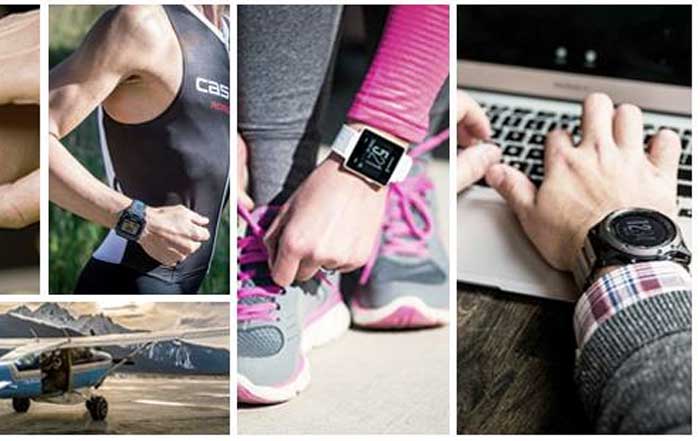
Wearable technology has likewise evolved from basic trackers to sophisticated multi-sensor systems. Companies such as Apple, Garmin, Fitbit, and Whoop integrate heart rate variability, sleep staging, recovery indices, and training load metrics into platforms that sync with equipment and apps. These systems inform decisions about training intensity, rest, and nutrition, aligning closely with the holistic approach to performance and well-being that FitBuzzFeed explores in its health and nutrition coverage. In high-performance contexts, federations and professional clubs increasingly rely on such data to manage athlete workloads, reduce injury risk, and optimize competition readiness.
Material science remains a critical field of innovation, with research published on platforms like ScienceDirect documenting advances in nanotechnology, impact-absorbing foams, anti-microbial coatings, and sustainable composites. These innovations are particularly relevant for protective equipment in contact sports, helmets for cycling and winter sports, and footwear designed to balance cushioning, stability, and energy return. High-performance running shoes, for example, now routinely incorporate advanced foams and carbon plates whose design is informed by biomechanical modeling and real-world sensor data, while protective gear benefits from improved impact dispersion and reduced weight.
Sustainability and the Circular Sports Economy
Sustainability has shifted from a marketing differentiator to a fundamental strategic requirement for sports equipment brands in 2026. Regulatory pressure, investor expectations, and consumer awareness-especially in Europe, North America, Japan, and Australia-have converged to make environmental and social performance a core dimension of corporate competitiveness. Organizations such as the World Economic Forum, accessible via WEF, have highlighted circular economy models and low-carbon manufacturing as essential to long-term resilience in consumer industries, and sports equipment is no exception.
Leading companies including Nike, Adidas, Puma, and Decathlon have accelerated efforts to reduce virgin plastic use, increase recycled content, and design products for disassembly and recycling. Programs that collect used shoes, balls, and apparel for refurbishment or material recovery are expanding across the United States, United Kingdom, Germany, and other markets, often in partnership with retailers and municipalities. Some brands are experimenting with subscription or leasing models for high-end equipment, aligning with broader circular economy principles and changing consumer preferences toward access over ownership.
In parallel, manufacturers are investing in energy-efficient and renewable-powered production facilities, water-saving technologies, and AI-enabled supply chain optimization to reduce waste and emissions. Industry reporting aligned with frameworks promoted by the UN Environment Programme and similar organizations is becoming more common, allowing stakeholders to benchmark progress and identify leaders. For FitBuzzFeed readers who care about both performance and planet, this convergence of environmental responsibility and high-quality equipment is reshaping purchasing decisions, particularly in categories such as running shoes, outdoor gear, and training apparel.
Competitive Landscape: Global Giants, Specialists, and Disruptors
The competitive landscape in 2026 is characterized by a mix of global multi-category brands, regional specialists, and technology-driven disruptors. Global leaders such as Nike, Adidas, Under Armour, and Decathlon continue to dominate overall market share, leveraging scale, brand equity, and integrated digital ecosystems. Their strategies increasingly emphasize not only product innovation but also training apps, membership programs, and cross-category lifestyle positioning that blurs the boundaries between sport, fashion, and everyday wear. Corporate information and digital initiatives from companies like Nike can be explored on their official website.
Regional specialists in countries such as Italy, France, Japan, and South Korea focus on high-performance niches including cycling, winter sports, combat sports, and technical outdoor equipment, often combining deep craftsmanship with advanced engineering. These brands maintain strong loyalty among serious enthusiasts and professional athletes, while sometimes partnering with larger companies or technology firms to extend their reach. Meanwhile, disruptive entrants such as Tonal, Whoop, and other connected fitness and sports tech start-ups are redefining expectations around what "equipment" means by embedding hardware within broader digital and data-driven ecosystems.
The resulting competitive environment demands clarity of positioning, consistent innovation, and credible commitments to sustainability and social responsibility. For business leaders and investors who follow FitBuzzFeed's business reporting, the sports equipment sector in 2026 presents a complex but attractive landscape in which brand value is increasingly tied to digital capability, ESG performance, and the ability to anticipate shifts in consumer behavior.
Evolving Consumer Behavior and Demographics
Consumer behavior in the sports equipment market reflects larger societal shifts in work, health, identity, and technology adoption. Millennials and Gen Z, now the dominant purchasing cohorts in many markets, prioritize authenticity, inclusivity, digital integration, and environmental responsibility. They are more likely to research products through online communities, social platforms, and expert content-such as the insights published on FitBuzzFeed's lifestyle pages-before making purchasing decisions, and they expect brands to communicate transparently about materials, labor practices, and environmental impact.
Women's participation in sports and fitness continues to expand across North America, Europe, Asia, and Latin America, driving demand for equipment and apparel that are designed specifically for female physiology and preferences rather than adapted from male templates. Brands such as Lululemon, Athleta, and others have demonstrated that addressing this market seriously can yield significant growth, and their success has encouraged broader industry shifts toward inclusive sizing, better biomechanical fit, and marketing that reflects diverse body types and backgrounds. Organizations such as the Women's Sports Foundation, which can be explored via WomensSportsFoundation.org, provide additional context on participation trends and their implications for equipment categories ranging from footwear to protective gear.
At the same time, aging populations in regions such as Europe, Japan, and North America are creating sustained demand for low-impact, joint-friendly equipment that supports mobility, balance, and strength maintenance. Resistance bands, ergonomic machines, walking and trekking poles, and home-based training systems tailored for older adults are increasingly common, aligning with broader public health initiatives promoted by bodies such as the U.S. Centers for Disease Control and Prevention. For readers exploring FitBuzzFeed's physical training content, this underscores how equipment is no longer confined to competitive athletes but serves individuals across the life course seeking to maintain independence, prevent chronic disease, and enhance quality of life.
Risks, Challenges, and Strategic Responses
Despite its growth, the sports equipment industry faces several material risks in 2026. Global supply chains remain vulnerable to geopolitical tensions, trade policy shifts, and disruptions related to climate events or public health crises. The experience of recent years has pushed many brands to diversify manufacturing locations, build regional production hubs in areas such as Eastern Europe, Southeast Asia, and Latin America, and increase inventory visibility through digital supply chain tools. Economic analysis from institutions such as the International Monetary Fund highlights how macroeconomic volatility can affect consumer spending on discretionary goods, including premium sports equipment, making operational agility and pricing flexibility essential.
Counterfeit products remain a persistent challenge, particularly in fast-growing markets in Asia and Africa, where online marketplaces can be difficult to police. Counterfeits not only erode brand equity but also pose safety risks when protective gear or performance-critical equipment fails to meet standards. Some companies are turning to blockchain-based authentication, serialized QR codes, and direct-to-consumer channels to mitigate this threat, while collaborating with authorities and platforms to improve enforcement. This is a topic closely followed in FitBuzzFeed's news coverage, where the intersection of consumer safety, intellectual property, and digital commerce is frequently examined.
Environmental risks and climate change introduce additional uncertainty, influencing raw material availability, regulatory requirements, and even the viability of certain sports in specific regions. Manufacturers of winter sports equipment, for example, are exploring diversification into hiking, trail running, and all-weather outdoor categories in response to shorter and less predictable snow seasons in parts of Europe, North America, and Asia. Organizations such as the Intergovernmental Panel on Climate Change provide data that many corporations now integrate into long-term strategic planning, recognizing that resilience in the sports equipment market increasingly depends on adaptation to environmental realities.
Implications for Business, Careers, and the Wider Ecosystem
For executives, entrepreneurs, and investors, the 2026 sports equipment industry offers a complex mix of high growth potential and strategic challenges. Brands that combine credible sustainability performance, differentiated technology, authentic storytelling, and robust digital infrastructure are best positioned to thrive. Mergers and acquisitions continue to reshape the landscape, with larger companies acquiring innovative start-ups in fields such as AI analytics, connected hardware, and sustainable materials, while partnerships between sports brands and technology firms deepen integration between equipment and digital services.
From a labor and careers perspective, the industry is generating demand for skills that span engineering, data science, sustainability, marketing, and sports science. Professionals with the ability to translate athlete needs and consumer insights into technically sound, environmentally responsible products are in especially high demand across markets such as the United States, Germany, Japan, and Singapore. Readers interested in how these dynamics translate into career opportunities can look to resources and trends highlighted in FitBuzzFeed's jobs section, where the convergence of sports, technology, and wellness is increasingly visible in job descriptions and organizational structures.
The broader ecosystem that surrounds sports equipment-including events, leagues, training centers, and wellness platforms-is also evolving. Global and regional events, from marathons and triathlons to football tournaments and esports competitions, continue to influence demand for specialized gear and apparel, while community-based events and corporate wellness programs reinforce the integration of physical activity into everyday life. Those who follow FitBuzzFeed's events coverage can observe how equipment companies leverage sponsorships, experiential marketing, and digital activations to connect with participants and spectators across continents.
Conclusion: A Strategic Industry at the Heart of the Wellness Era
In 2026, the sports equipment industry occupies a central role in the emerging global wellness and performance economy. It connects elite competition with everyday fitness, cutting-edge technology with traditional craftsmanship, and commercial strategy with public health and environmental responsibility. For the global audience of FitBuzzFeed, spanning interests from sports and fitness to health, business, and technology, the evolution of this industry offers a lens through which to understand broader societal shifts in how people move, work, and live.
As companies navigate opportunities in emerging markets, deepen digital integration, and respond to sustainability imperatives, the most successful players will be those that combine experience, technical expertise, and credible leadership with a genuine commitment to trustworthiness and long-term value creation. The sports equipment market is no longer simply about enabling performance on the field or in the gym; it is about shaping healthier lifestyles, more sustainable consumption patterns, and more inclusive access to physical activity worldwide. In this sense, the story of sports equipment in 2026 is inseparable from the story of global health, innovation, and culture-one that FitBuzzFeed will continue to follow closely for readers across North America, Europe, Asia, Africa, and South America, and for anyone who sees movement, sport, and wellness as essential elements of modern life.