

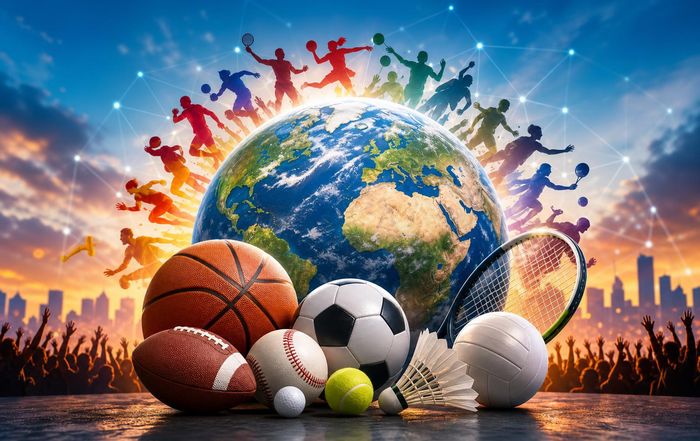
Sports Culture Trends Connecting Global Audiences in 2026
The New Global Arena: Sports as a Shared Language
In 2026, sports culture has become one of the most powerful forces connecting people across borders, time zones and cultures, functioning as a shared language that cuts through political tension, economic uncertainty and social fragmentation. From stadiums in the United States and the United Kingdom to community pitches in Brazil, esports arenas in South Korea and urban fitness parks in Germany, sports and movement-based lifestyles are shaping how individuals work, socialize, consume media and define personal identity. For an audience that lives at the intersection of performance, wellbeing and business, sports culture is no longer a niche interest but a central pillar of everyday life and a key driver of global innovation, which is why it sits at the heart of the editorial vision at FitBuzzFeed.
As major events in Europe, Asia, Africa and the Americas continue to draw billions of viewers through digital platforms, the lines between fan, athlete, entrepreneur and content creator have blurred, creating a complex ecosystem where fitness, wellness, technology, branding and employment converge. Global organizations such as FIFA, the International Olympic Committee (IOC) and World Athletics are reshaping their strategies around digital engagement and sustainability, while regional leagues in North America, Europe and Asia are reimagining how sports can be consumed, experienced and monetized. Readers seeking deeper context on these intersections increasingly turn to integrated lifestyle and business platforms like the FitBuzzFeed business section, where sports is treated not only as entertainment but as a strategic lens on global change.
From Stadiums to Streams: The Digital Transformation of Global Fandom
The most visible shift in sports culture over the last decade has been the migration from traditional stadium-centric fandom to a hybrid model where live events, streaming and social media coexist and reinforce one another. Global audiences now follow leagues such as the NBA, Premier League and Bundesliga through real-time highlights, interactive stats and behind-the-scenes content delivered via platforms that did not exist a generation ago. Organizations and broadcasters have invested heavily in direct-to-consumer streaming, and reports from outlets like BBC Sport and ESPN show that younger fans in markets from Canada and Australia to Singapore and South Africa increasingly choose mobile-first viewing over traditional television.
This digitalization has enabled fans in Germany to follow American football, supporters in Thailand to stream Spanish football in real time and communities in Nigeria, Brazil and India to build vibrant online fan cultures around European and North American leagues. The result is a deeply interconnected ecosystem where a match in London or Los Angeles can trend in real time on social networks in Tokyo, Stockholm or Cape Town. At the same time, digital platforms have allowed niche sports and wellness disciplines to find global audiences, with communities discovering new training ideas and performance insights through resources such as the FitBuzzFeed training hub and performance analytics shared by organizations like Stats Perform and Opta.
The Rise of the Athlete-Entrepreneur and Personal Brand
In this new environment, elite athletes and emerging talents alike are no longer just performers on the field; they are entrepreneurs, investors and media brands. Figures such as LeBron James, Serena Williams, Naomi Osaka and Cristiano Ronaldo have demonstrated how personal brands can extend into venture capital, media production, wellness products and technology startups. Publications like the Harvard Business Review have analyzed this shift as part of a broader trend in which individuals leverage their expertise and visibility to build diversified portfolios that extend well beyond their playing careers.
This athlete-as-CEO model is being adopted in markets from the United States and Canada to France, Italy and Japan, as players collaborate with global companies such as Nike, Adidas and Under Armour on performance innovation, sustainability initiatives and direct-to-consumer digital experiences. At the same time, many athletes are creating their own content channels, podcasts and training platforms, often partnering with lifestyle and wellness media such as the FitBuzzFeed lifestyle section to share insights on nutrition, recovery and mental health. This shift has increased the importance of financial literacy, branding expertise and long-term career planning, and it has also created new employment pathways in marketing, analytics, coaching and content production for professionals around the world.
Wellness, Longevity and the Everyday Athlete
Beyond the stadiums and professional leagues, a profound cultural change is reshaping how people in cities from New York and London to Berlin, Singapore and São Paulo think about fitness and wellbeing. Sports culture has expanded to embrace the concept of the "everyday athlete," where individuals of all ages and abilities use training, nutrition and recovery practices traditionally associated with professionals to manage stress, improve health and extend productive working lives. Research from organizations such as the World Health Organization highlights the global burden of inactivity and lifestyle-related disease, and many governments and employers are now using sports and movement as central tools to address these challenges. Readers can explore broader health implications through the FitBuzzFeed health channel, which regularly connects performance trends with public health developments.
The wellness industry has intersected with sports culture in powerful ways, with companies offering wearable devices, digital coaching and evidence-based recovery protocols designed to support both physical and mental resilience. Platforms such as Mayo Clinic and Cleveland Clinic provide accessible information on exercise science, injury prevention and chronic disease management, while fitness-forward brands collaborate with medical experts to create programs that blend high-intensity training, mobility work and mindfulness. This holistic approach aligns closely with the editorial focus of FitBuzzFeed wellness, which treats performance, recovery and mental health as interconnected dimensions of a sustainable lifestyle rather than separate silos.
Technology, Data and the Quantified Performance Revolution
Technology has become the backbone of modern sports culture, not only at the elite level but across community and recreational participation. Advanced wearables, biometric sensors and AI-driven analytics are transforming how athletes train, how coaches design strategies and how fans engage with performance data. Companies such as Apple, Garmin and WHOOP have developed devices that track heart rate variability, sleep quality and training load, enabling individuals from Sweden and Norway to South Korea and New Zealand to make informed decisions about their workouts and recovery cycles. Learn more about the broader implications of this quantified performance revolution through coverage in outlets like MIT Technology Review and the World Economic Forum.
Elite clubs and national teams are investing in data science teams that analyze everything from positional tracking to injury risk, often in collaboration with universities and research institutions in countries such as the Netherlands, Denmark and Japan. This data-driven approach is influencing youth academies, collegiate programs and even recreational leagues, where athletes and coaches look to replicate high-performance environments using accessible tools and platforms. For readers interested in how these technologies intersect with consumer trends and digital platforms, the FitBuzzFeed technology section provides ongoing analysis of innovations such as AI coaching, virtual reality training environments and blockchain-based ticketing and collectibles.
Esports, Virtual Arenas and the Blending of Physical and Digital
One of the most significant cultural shifts in global sports has been the rise of esports and competitive gaming, which has attracted massive audiences in regions such as South Korea, China, North America and Europe. Organizations like Riot Games, Valve and Blizzard Entertainment now operate global leagues that rival traditional sports in viewership and sponsorship revenue, drawing attention from brands that once focused exclusively on football, basketball or tennis. Reports from Newzoo and Statista illustrate how competitive gaming has become a mainstream entertainment category, influencing everything from arena design to media rights negotiations.
What makes esports particularly notable within the broader sports culture is its deep integration with digital platforms and its capacity to connect fans in real time across continents, languages and demographics. While the physical demands differ from traditional sports, the competitive structures, training regimens and team dynamics share many similarities, and organizations are increasingly applying sports science principles to optimize performance, sleep and mental resilience among players. This convergence is also visible in hybrid experiences such as virtual cycling, connected rowing and mixed-reality fitness classes, which blend gaming mechanics with physical training and are covered regularly in the FitBuzzFeed fitness section for readers looking to understand how digital engagement can enhance real-world performance.
Social Impact, Inclusion and the Power of Sports Diplomacy
Sports culture in 2026 is not only about performance and entertainment; it is also a powerful vehicle for social impact, inclusion and diplomacy. Global organizations, including the United Nations and UNESCO, have long recognized the role of sport in promoting peace, gender equality and community development, and initiatives in regions from Africa and South America to Asia and Europe demonstrate how local programs use football, athletics and martial arts to engage youth and foster social cohesion. Readers who follow global developments through the FitBuzzFeed world coverage see how sports diplomacy has become a strategic tool for countries seeking to build soft power and foster dialogue even in times of geopolitical tension.
Major events such as the Olympic Games, the FIFA World Cup and continental championships continue to serve as platforms for conversations about human rights, sustainability and diversity. Organizations like Human Rights Watch and Amnesty International closely monitor how host nations manage labor conditions, environmental impact and freedom of expression, and their findings influence how sponsors, broadcasters and fans engage with these events. At the same time, grassroots movements advocating for gender parity in pay, representation of athletes with disabilities and inclusion of LGBTQ+ participants have reshaped policies in leagues across the United States, the United Kingdom, Australia and beyond. Coverage from trusted sources like The Guardian Sport underscores how these debates are now integral to the way sports are governed, consumed and discussed worldwide.
The Business of Sports: Investment, Jobs and the New Sports Economy
The global sports industry has evolved into a complex economy that intersects with media, technology, real estate, tourism and consumer goods, creating a wide spectrum of job opportunities and investment pathways. Analysts at Deloitte and PwC have documented the growth of sports-related revenue streams, from media rights and sponsorships to licensing, betting and experiential events, and they note that emerging markets in Asia, Africa and South America are playing an increasingly important role. For professionals and entrepreneurs tracking these developments, the FitBuzzFeed news section and FitBuzzFeed jobs hub provide context on how sports-related roles are changing, which skills are in demand and how to navigate careers at the intersection of performance and business.
Cities such as Los Angeles, London, Paris, Singapore and Doha are investing in stadium infrastructure, training centers and sports innovation districts to attract events and build reputations as global sports hubs. Venture capital firms and private equity investors are backing sports technology startups, wellness platforms and performance analytics companies, while family offices and institutional investors acquire stakes in clubs across Europe, North America and the Middle East. Learn more about sustainable business practices and long-term value creation in this sector through resources offered by organizations like the OECD and the International Monetary Fund, which increasingly analyze the economic and social impact of major sports investments.
Nutrition, Recovery and the Science of Everyday Performance
A crucial component of modern sports culture is the integration of advanced nutrition and recovery science into daily routines, not only for elite athletes but also for professionals balancing demanding jobs with ambitious fitness goals. Research from institutions such as Harvard T.H. Chan School of Public Health and Johns Hopkins Medicine has elevated public understanding of macronutrients, micronutrients, hydration and gut health, encouraging individuals in markets from Finland and Denmark to South Africa and Malaysia to adopt evidence-based approaches to fueling performance. For readers seeking practical applications of this research, the FitBuzzFeed nutrition section offers accessible analysis of dietary strategies, supplementation and performance eating tailored to active lifestyles.
Recovery has also emerged as a central theme, with modalities such as sleep optimization, cold exposure, compression therapy and guided breathing now recognized as essential components of sustainable training. Organizations like the National Sleep Foundation and American College of Sports Medicine provide guidelines on sleep hygiene and load management, while sports medicine clinics worldwide adopt integrated protocols that combine physiotherapy, strength training and psychological support. This emphasis on recovery is reshaping how individuals schedule workouts, business travel and high-pressure work periods, aligning with a broader shift in corporate culture where wellbeing metrics are treated as strategic assets rather than optional benefits. The FitBuzzFeed physical performance page reflects this trend by framing physical capacity as a foundation for professional excellence and long-term career resilience.
Local Roots, Global Reach: Community Sports in a Connected World
Even as global leagues and mega-events capture headlines, local and community-based sports remain the foundation of sports culture, providing accessible entry points for children, adults and older populations in neighborhoods from Toronto and Madrid to Cape Town and Bangkok. Community clubs, school programs and regional leagues are where most people first experience the joy of movement, teamwork and competition, and they play a vital role in building social capital, especially in diverse and rapidly changing urban environments. The FitBuzzFeed sports section frequently highlights how these local initiatives connect to global trends, from youth academies feeding professional pipelines to community races and charity events that leverage digital platforms for fundraising and awareness.
Digital tools have made it easier for community organizers to coordinate events, track participation and share best practices, with platforms like Strava and TrainingPeaks enabling runners, cyclists and triathletes to connect across cities, countries and continents. At the same time, international NGOs and development agencies support programs that use sport to address challenges such as unemployment, social exclusion and health disparities, particularly in regions where young populations face limited economic opportunities. This interplay between local engagement and global connectivity underscores the central thesis of modern sports culture: that movement and competition, when supported by thoughtful policy and responsible investment, can serve as catalysts for both personal growth and societal progress.
Looking Ahead: Sports Culture as a Strategic Lens on the Future
As the world navigates technological disruption, demographic change and environmental uncertainty, sports culture offers a unique vantage point on how societies adapt, innovate and connect. The trends visible in 2026-from athlete entrepreneurship and digital fandom to wellness integration and data-driven performance-are early indicators of broader shifts in how individuals define success, manage health and build communities. Governments, companies and educational institutions in countries from the United States and Canada to Japan, Singapore and the United Arab Emirates increasingly treat sports not merely as entertainment but as a strategic domain that influences urban planning, public health policy, talent development and international relations.
For the global audience that turns to FitBuzzFeed for insight at the intersection of sports, fitness, business and lifestyle, these developments are not abstract; they shape daily choices about training, nutrition, career paths and media consumption. By tracking emerging technologies, spotlighting innovative brands, analyzing policy changes and amplifying athlete and community voices, platforms like FitBuzzFeed help readers navigate a rapidly evolving landscape with clarity and confidence. In doing so, they reinforce a simple but powerful idea: that in a fragmented world, sports culture remains one of the most effective and inspiring ways to connect people across borders, foster resilience and imagine a more active, inclusive and high-performing global future.