

How Global Fitness Competitions Became a $100 Billion Cultural Powerhouse by 2026
International Fitness Competitions in a $100 Billion Industry
By 2026, the global fitness industry has not only surpassed the symbolic threshold of $100 billion in value but has also solidified its position as one of the most dynamic intersections of sport, technology, media, and lifestyle. International fitness competitions, once considered niche gatherings for bodybuilders, endurance athletes, or hardcore strength enthusiasts, now shape mainstream culture across North America, Europe, Asia, Africa, and South America. From functional fitness and obstacle racing to triathlon, martial arts, and esports-enabled training, these events influence how people train, what they wear, the supplements they consume, and even how they travel and work.
For the audience of FitBuzzFeed and its communities across sports, fitness, health, business, and lifestyle, understanding these competitions is no longer just about following elite athletes; it is about recognizing how these global stages define standards of performance, reshape wellness expectations in the United States, United Kingdom, Germany, Canada, Australia, and beyond, and create new opportunities in jobs, branding, and technology.
International competitions now serve as laboratories for innovation in sports science, data analytics, sustainable event hosting, digital fan engagement, and athlete welfare. Organizations such as the International Olympic Committee, World Triathlon, CrossFit Inc., World Triathlon Corporation, Spartan, UFC, and many others not only manage events but also influence global policy discussions on health, youth activity levels, and gender equity in sport. As a result, fitness competitions have evolved from simple tests of strength, speed, and endurance into complex ecosystems that reflect Experience, Expertise, Authoritativeness, and Trustworthiness at scale.
The Olympic Games: Benchmark for Global Fitness and Performance
The Olympic Games remain the definitive global stage where fitness, national identity, and human achievement intersect. Every four years, athletes from more than 200 nations compete across disciplines that demand extreme levels of conditioning, including athletics, swimming, rowing, weightlifting, gymnastics, and cycling. The International Olympic Committee (IOC) continues to refine the program to reflect modern culture, adding sports such as skateboarding, sport climbing, surfing, and breaking to attract younger audiences and to mirror the way urban and youth fitness has evolved worldwide.
The IOC's emphasis on safeguarding athletes, protecting integrity, and promoting global health is visible in its initiatives on anti-doping, mental health, and gender balance. Readers who follow developments in Olympic sports and want to understand how elite preparation filters down to everyday training methods can explore official resources through the Olympics website, where training philosophies, medical guidelines, and development programs are increasingly transparent. These principles influence how coaches, personal trainers, and recreational athletes approach periodization, recovery, and injury prevention, and they shape coverage and analysis across FitBuzzFeed's sports hub.
The Olympics also remain the most powerful platform for global brands. Companies such as Coca-Cola, Visa, Toyota, and major sportswear giants use the Games to showcase innovations in sustainable footwear, performance fabrics, and digital fan experiences. As sustainability becomes a central concern in Europe, Asia, and North America, the IOC's push toward climate-positive events and responsible infrastructure offers a practical template for organizers of smaller fitness competitions who want to learn more about sustainable business practices.
The CrossFit Games: Functional Fitness as a Global Standard
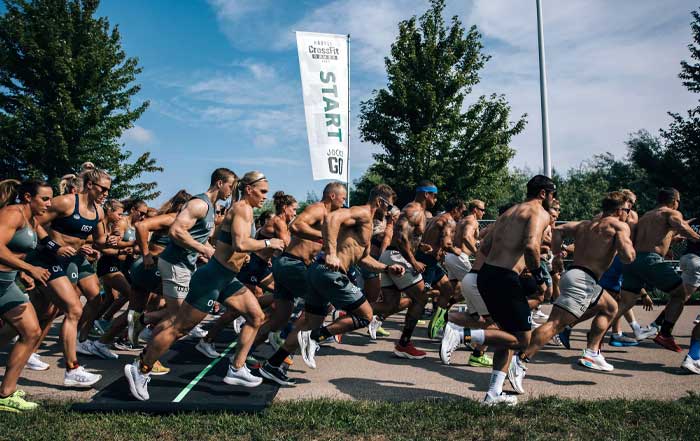
The CrossFit Games, established in 2007, have matured by 2026 into a sophisticated global competition model that combines open online qualifiers, regional semifinals, and a high-profile finals event. Marketed as the search for the "Fittest on Earth," the Games test strength, power, endurance, gymnastic skill, and resilience through constantly varied workouts that are increasingly data-driven and scientifically curated. CrossFit Inc. has tightened safety protocols, refined judging standards, and expanded its international footprint, particularly in Europe, South America, and Asia, as affiliates grow in cities from London and Berlin to São Paulo, Seoul, and Singapore.
The Games' influence is visible in the programming of functional training studios, corporate wellness programs, and even school physical education. High-intensity interval training (HIIT), Olympic lifting, and functional mobility sessions are now staples in gyms worldwide, and many of these trends are traced directly back to CrossFit's competitive and community models. Brands like NOBULL, Nike, Rogue Fitness, and Whoop leverage the Games to showcase footwear, equipment, and wearable technology that track heart rate variability, recovery, and performance metrics, aligning elite athlete data with consumer-facing products. Those interested in the structure and evolution of these events can review the official competition structure on the CrossFit Games site, while readers of FitBuzzFeed Training frequently explore how CrossFit-inspired methodologies can be adapted for executives, remote workers, and time-pressed parents seeking efficient, evidence-based workouts.
Mr. Olympia and the Enduring Power of Bodybuilding Culture
The Mr. Olympia competition continues to be the pinnacle of professional bodybuilding in 2026, maintaining a strong following in the United States, Europe, the Middle East, and emerging markets like Brazil and South Africa. Founded by Joe Weider in 1965, the event has created legends such as Arnold Schwarzenegger, Lee Haney, Ronnie Coleman, and Phil Heath, and it has shaped public perceptions of muscularity, aesthetics, and discipline for decades.
Modern bodybuilding, however, is increasingly framed not only as a pursuit of size and symmetry but as a precise science of hypertrophy, recovery, and nutrition. Advances in sports nutrition, including evidence-based protein dosing, peri-workout strategies, and gut health, are widely discussed in scientific platforms such as Examine.com and are reflected in the product lines launched at Olympia expos. The competition has also diversified with categories like Men's Physique, Classic Physique, and Bikini, which broaden appeal and influence mainstream physique goals. For FitBuzzFeed's audience, the ripple effects are visible in how bodybuilding aesthetics continue to shape apparel trends, strength training programs, and supplement consumption, topics frequently analyzed in the brands section and in coverage of global physique events.
The official Mr. Olympia site functions as a central hub for qualifying criteria, athlete profiles, and event news, and it also illustrates how a single competition can act as a commercial engine for gyms, equipment manufacturers, and online coaching businesses across North America, Europe, and Asia.
Ironman and the Globalization of Endurance Aspirations
The Ironman Triathlon World Championship, historically associated with Kona, Hawaii, remains the gold standard of endurance sport, demanding a 3.86 km swim, 180.25 km bike ride, and 42.2 km marathon run in a single day. By 2026, the World Triathlon Corporation and Ironman brand have expanded their portfolio of events across North America, Europe, Asia-Pacific, and Africa, turning triathlon into a lifestyle aspiration for professionals in finance, technology, healthcare, and entrepreneurship.
Endurance training has increasingly aligned with evidence-based cardiovascular health, with organizations such as the American College of Sports Medicine publishing guidelines that help athletes balance performance ambitions with long-term heart health. The growth of age-group participation has also fueled demand for advanced coaching, sports medicine services, and recovery technologies, from cryotherapy and compression gear to sophisticated sleep tracking. Ironman-branded events drive tourism in locations like Spain, Italy, New Zealand, and South Africa, blending race participation with wellness travel and cultural exploration. For readers of FitBuzzFeed Health, Ironman symbolizes the convergence of endurance sport, preventive health, and data-driven training, illustrating how ambitious goals can coexist with responsible medical oversight.
The Ironman official site allows prospective participants and fans to explore global race calendars, qualification pathways, and athlete stories that increasingly highlight diversity in age, gender, and nationality.
Obstacle Course Racing: Spartan, Tough Mudder, and the Culture of Grit
Obstacle course racing (OCR) has transformed from a fringe activity into a mainstream global phenomenon, led by Spartan Race and Tough Mudder. These events combine trail running with military-inspired obstacles that demand grip strength, agility, problem-solving, and mental toughness. By 2026, Spartan operates in more than 40 countries, with strong participation in the United States, Canada, the United Kingdom, Germany, Spain, and emerging markets across Asia and South America. Tough Mudder, integrated under the Spartan umbrella, continues to focus on teamwork and camaraderie, attracting corporate groups and social communities looking for shared challenges rather than purely individual performance.
OCR's appeal lies in its experiential nature; participants often describe races as transformative events that push them beyond perceived limits. This narrative aligns closely with the lifestyle and wellness themes covered on FitBuzzFeed Lifestyle, where readers examine how adventure-based fitness intersects with travel, mental health, and social bonding. As more professionals in cities like London, Sydney, Singapore, and New York seek meaningful physical experiences outside the gym, Spartan and Tough Mudder have expanded into training apps, digital coaching, and branded fitness gear. Those interested in the global reach and evolving race formats can explore the Spartan Race global site, which showcases everything from beginner-friendly sprints to ultra-distance endurance challenges.
Strength Sports: World's Strongest Man and the Rise of Functional Power
The World's Strongest Man (WSM) competition continues to captivate audiences with feats of raw power that go far beyond traditional barbell lifts. Competitors pull trucks, carry atlas stones, lift logs, and move massive yokes, demonstrating a blend of maximal strength, cardiovascular endurance, and mental resilience. Athletes such as Hafthor Bjornsson, Brian Shaw, and Tom Stoltman have become global icons, using social media, YouTube channels, and brand partnerships to turn strength training into a mainstream aspiration.
By 2026, strength sports have benefited from improved understanding of biomechanics, sports psychology, and long-term joint health. Organizations like the National Strength and Conditioning Association contribute to standardized coaching practices, ensuring that the methodologies used by elite strongmen inform safe training for recreational lifters. WSM broadcasts and digital content reach fans across Europe, North America, and Asia, inspiring gym-goers to prioritize compound lifts, grip strength, and functional movement patterns. The World's Strongest Man official site highlights event formats, athlete profiles, and training features that resonate strongly with readers of FitBuzzFeed Fitness, who seek practical ways to integrate strength-focused principles into their own routines.
Multisport Expos: Arnold Sports Festival as a Business Blueprint
The Arnold Sports Festival, founded by Arnold Schwarzenegger in 1989, has grown into one of the largest multi-sport events in the world, with editions in the United States, Brazil, South Africa, and Europe. Initially centered on bodybuilding, the Festival now includes strongman contests, powerlifting, martial arts, CrossFit-style events, and a sprawling expo where supplement companies, apparel brands, equipment manufacturers, and digital wellness startups present their latest offerings.
By 2026, the Arnold model has become a blueprint for integrating sport, commerce, and media. The event demonstrates how a single brand can create a year-round ecosystem of content, training certifications, and licensing deals while maintaining credibility among athletes and fans. For business leaders and entrepreneurs following FitBuzzFeed Business, the Festival provides a case study in long-term brand building, diversification, and global expansion. It shows how fitness competitions can anchor multi-billion-dollar value chains that include sponsorships, streaming rights, hospitality, and education. Those who want to understand the breadth of this ecosystem can explore the Arnold Sports Festival official website, which outlines the event's evolution and its international reach.
Gymnastics, Athletics, and Continental Championships as Talent Engines
Competitions such as the World Gymnastics Championships, governed by the International Gymnastics Federation (FIG), and continental events like the European Athletics Championships and Asian Games serve as critical engines for talent development and innovation in training methodology. Gymnastics, with its emphasis on body control, flexibility, and explosive power, continues to influence calisthenics, parkour, and modern mobility practices. The FIG website provides insight into how scoring systems, apparatus standards, and safety guidelines evolve to protect athletes while pushing the boundaries of difficulty.
The European Athletics Championships, overseen by European Athletics, highlight the depth of track and field talent across countries such as Germany, France, the United Kingdom, Spain, Italy, the Netherlands, and the Nordic nations. The event has become a showcase not only for sprinting, middle-distance running, and throwing events but also for sports technology, including carbon-plated footwear, aerodynamic apparel, and AI-driven performance analytics. Readers can explore continental initiatives and competition schedules through the European Athletics official site, while FitBuzzFeed Events regularly examines how these championships influence grassroots participation and regional sports policies.
The Asian Games, managed by the Olympic Council of Asia, reflect the rapid growth of sports infrastructure and participation across China, Japan, South Korea, Thailand, Singapore, and many other nations. The OCA website illustrates how traditional sports, combat disciplines, and new categories such as esports coexist, signaling Asia's role as a driver of both performance innovation and commercial growth in fitness and sport.
Martial Arts and Combat Sports: Tradition Meets High-Performance Science
Global martial arts competitions, including the World Karate Championships, World Taekwondo Championships, and mixed martial arts promotions such as Ultimate Fighting Championship (UFC) and ONE Championship, demonstrate how ancient combat traditions have integrated modern sports science. These events, which draw massive viewership across North America, Europe, and Asia, emphasize speed, agility, tactical intelligence, and conditioning.
The World Karate Federation and World Taekwondo maintain standardized rules and safety measures, while major MMA organizations invest heavily in performance institutes, nutrition labs, and recovery facilities. Information on international karate events and regulations can be found on the World Karate Federation site, which also underscores the importance of values such as respect and discipline. For FitBuzzFeed readers following training and physical performance, these competitions illustrate how striking, grappling, and mixed modalities can be adapted for self-defense, fitness, and mental resilience without requiring participation in full-contact competition.
Fitness Esports and Connected Training: The Digital Frontier
One of the most significant shifts in the 2020s has been the emergence of fitness esports and connected training platforms. Companies such as Zwift, Peloton, and a growing ecosystem of VR-based systems have turned indoor cycling, running, rowing, and functional training into competitive digital experiences. Participants from the United States, the United Kingdom, Germany, Japan, Singapore, and many other countries now race or compete virtually in real time, monitored by heart rate sensors, power meters, and motion trackers.
The Zwift platform exemplifies this trend, hosting structured race series and world championships that blur the line between gaming and sport. These competitions attract sponsorship from sportswear brands, cycling manufacturers, and technology companies, while streaming on platforms like Twitch and YouTube expands global reach. For the technology-focused audience of FitBuzzFeed Technology, fitness esports represent a critical frontier where AI-driven coaching, augmented reality, and biometric data converge to create personalized, immersive experiences that rival traditional events in engagement and commercial potential.
Employment, Brands, and the Business of Global Fitness
As international competitions have multiplied, so too have career opportunities in coaching, sports medicine, event management, data analytics, media production, and sponsorship strategy. Organizations in the United States, Canada, the United Kingdom, Germany, Australia, and Singapore increasingly recruit professionals with hybrid skills that span performance science, digital marketing, and product development.
Major brands such as Nike, Adidas, Under Armour, and Puma rely on these events to test products and gather feedback from elite athletes before launching to the broader market. Their global strategies, visible on platforms like the Nike website and Adidas site, reveal how innovation in materials, biomechanics, and sustainability is guided by real-world performance data from competitions. Meanwhile, health and wellness organizations, including the World Health Organization, draw on the visibility of these events to promote physical activity guidelines and combat rising rates of inactivity and chronic disease.
For job seekers and entrepreneurs, FitBuzzFeed Jobs highlights how roles in sports analytics, athlete management, wellness coaching, and event operations are expanding not only in traditional hubs like the United States and Europe but also in emerging markets across Asia, Africa, and South America.
Wellness Tourism, Lifestyle, and the Future of Global Fitness Culture
By 2026, international fitness competitions have become central pillars of wellness tourism. Cities and regions from Hawaii and the Canary Islands to Dubai, Cape Town, and Queenstown invest heavily in hosting events that attract athletes, fans, and wellness-focused travelers. These visitors often combine race participation or event attendance with spa treatments, hiking, cultural tours, and culinary experiences aligned with nutrition and longevity. The Global Wellness Institute documents the rapid growth of this sector, which now blends sport, hospitality, and preventive health into integrated offerings.
For FitBuzzFeed's global readership across wellness, nutrition, and world coverage, this convergence means that international competitions are no longer isolated spectacles but gateways into broader lifestyle shifts. They encourage individuals in the United States, Europe, Asia, Africa, and South America to see fitness not as a temporary project but as a long-term, holistic commitment involving movement, recovery, mental health, community, and purposeful travel.
As the industry continues to expand beyond $100 billion, the most influential fitness competitions will be those that balance spectacle with responsibility, leveraging technology and commercial power while protecting athlete well-being, promoting inclusivity, and supporting global public health goals. For FitBuzzFeed, chronicling this evolution is not only about reporting results and rankings; it is about helping readers understand how these events shape what it means to live, work, train, and thrive in a world where fitness has become a defining element of personal identity and collective culture.