

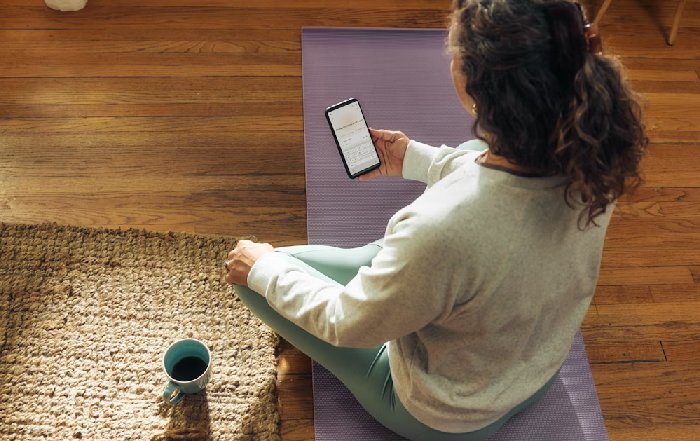
The Tech Making Home Workouts Smarter and More Effective
How Home Fitness Became a Permanent Fixture
Home workouts are no longer a temporary response to lockdowns or a niche alternative for time-pressed professionals; they have evolved into a permanent pillar of the global fitness ecosystem, tightly intertwined with advances in digital health, data analytics, and connected devices. For the readers of FitBuzzFeed, who follow developments across fitness, health, business, lifestyle, and technology, the transformation of home training is not simply a matter of convenience; it is reshaping where value is created in the fitness industry, how individuals across North America, Europe, Asia, and beyond manage their physical wellbeing, and how employers, insurers, and brands rethink engagement with increasingly health-literate populations.
From the United States and the United Kingdom to Germany, Canada, Australia, Singapore, and South Korea, consumers now expect the same level of personalization, feedback, and performance insight at home that they once associated exclusively with elite gyms, professional sports facilities, or medical centers. The convergence of artificial intelligence, computer vision, connected equipment, and digital coaching has created an environment in which a living room in London, a studio apartment in Tokyo, or a suburban home in São Paulo can serve as a highly instrumented training space, capable of supporting everything from strength and conditioning to mindfulness, rehabilitation, and sports-specific performance. As global organizations such as the World Health Organization emphasize the importance of regular activity to mitigate chronic disease, individuals are increasingly turning to digital tools that translate public health guidance into daily practice, and platforms like FitBuzzFeed Fitness have become central in helping audiences navigate this new landscape.
From Streaming Videos to Intelligent Training Ecosystems
The earliest wave of home workout technology revolved around on-demand video libraries and simple streaming classes, but by 2026, the market has matured into a sophisticated ecosystem where content, hardware, data, and coaching are deeply integrated. Companies such as Peloton, Apple, and Nike helped pioneer this shift by popularizing subscription-based training environments that blend live instruction, performance metrics, and community features, while newer entrants from Europe, Asia, and Latin America have adapted these models to local cultures and regulatory frameworks. The result is a competitive, innovation-driven marketplace in which users expect their equipment and apps to adapt to their goals, injuries, schedules, and even their stress levels.
Industry analyses from organizations like McKinsey & Company highlight how digital fitness has fundamentally altered customer expectations around personalization and accountability, with users now demanding tailored programs rather than one-size-fits-all routines. At the same time, the expansion of high-speed connectivity and 5G networks, particularly in regions such as the European Union, South Korea, and Singapore, has made it easier to deliver real-time coaching and high-definition content to homes without the friction of lag or poor video quality. For readers tracking the business implications on FitBuzzFeed Business, this shift has opened new revenue streams, from premium subscription tiers and hardware-as-a-service models to corporate wellness partnerships and insurer-backed prevention programs.
AI Coaching: Personalized Training at Scale
Among the most transformative trends in 2026 is the rise of AI-driven coaching systems that analyze user data to deliver personalized training plans, real-time corrections, and long-term progress tracking. Leveraging advances in machine learning and computer vision, platforms such as Tempo, Tonal, and emerging AI coaching startups in the United States, Germany, and Japan now use cameras, motion sensors, and wearables to assess form, count repetitions, estimate exertion, and adjust workloads dynamically. For example, AI models can detect subtle deviations in squat depth or spinal alignment and provide corrective cues within seconds, approximating the feedback once available only from an experienced personal trainer.
Research from institutions like MIT and Stanford University has demonstrated how computer vision and biomechanical modeling can accurately reconstruct human movement using consumer-grade cameras, enabling sophisticated analysis without specialized lab equipment. When combined with physiological data from smartwatches and chest straps, including heart rate variability and estimated VO₂ max, AI systems can infer fatigue levels, recovery status, and cardiovascular strain, tailoring session intensity accordingly. Readers exploring performance optimization and injury prevention on FitBuzzFeed Training will recognize how this data-rich approach aligns with practices used in professional sports, now translated into accessible, subscription-based services for everyday users.
Wearables and Health Data: Closing the Loop Between Fitness and Wellness
The proliferation of smartwatches, fitness bands, smart rings, and connected health devices has turned the home workout environment into a node within a much broader personal health network. Devices from Apple, Garmin, Samsung, Oura, and others continuously track metrics such as heart rate, sleep quality, body temperature trends, and activity levels, feeding data into cloud platforms that can contextualize each workout within the user's overall health status. This integration is particularly relevant as organizations such as the American Heart Association and NHS in the United Kingdom advocate for holistic approaches that combine physical activity, sleep, nutrition, and mental health to reduce cardiovascular and metabolic risks.
In markets such as Canada, Australia, and the Nordic countries, where digital health adoption is high, many consumers now share selected data with healthcare providers through secure channels, enabling physicians and physiotherapists to monitor adherence to exercise prescriptions and adjust recommendations remotely. For individuals recovering from injury or managing chronic conditions such as diabetes or hypertension, AI-enhanced home workouts can be calibrated to maintain safety thresholds while still delivering meaningful progress. Readers following broader health trends on FitBuzzFeed Health and FitBuzzFeed Wellness can see how this data convergence is blurring the line between fitness app and medical tool, raising both opportunities and regulatory questions across regions from the United States and European Union to Singapore and Japan.
Smart Equipment: From Static Machines to Adaptive Systems
Traditional treadmills and dumbbells have given way to a new generation of intelligent equipment designed specifically for connected home training. Smart strength systems from companies like Tonal and NordicTrack, as well as European and Asian innovators, use digital weight, electromagnetic resistance, and embedded sensors to adjust load, tempo, and range of motion in real time, creating a highly responsive training environment. These systems can automatically increase resistance when a user is performing strongly, reduce it near failure to encourage safe completion of sets, and log every repetition for long-term analytics.
Cardio equipment has undergone a similar transformation. Connected bikes, rowers, and treadmills now offer adaptive programs that respond to heart rate data and perceived exertion, adjusting speed and incline to maintain users within target zones aligned with guidelines from organizations such as the Mayo Clinic. For performance-oriented readers following sports coverage on FitBuzzFeed Sports, this level of adaptivity provides a bridge between structured athletic training and accessible home exercise, allowing amateurs in cities from New York and Toronto to Berlin, Stockholm, and Seoul to follow evidence-based protocols without hiring a personal coach or joining a specialized club.
Computer Vision and Form Correction: Bringing Biomechanics Home
One of the persistent limitations of traditional home workouts has been the lack of reliable feedback on movement quality, which is essential for both performance gains and injury prevention. In 2026, advances in computer vision and edge computing have largely addressed this gap, enabling smartphones, smart TVs, and dedicated cameras to analyze posture, joint angles, and movement patterns without the need for wearable markers or complex calibration. Companies such as Microsoft, Google, and specialized startups in Israel, Germany, and South Korea have developed pose-estimation algorithms that can run locally on consumer devices, reducing latency and preserving privacy.
These systems can now provide highly specific cues, such as advising a runner in London to shorten stride length to reduce knee load, or instructing a user in Singapore to maintain a neutral spine during deadlifts, based on real-time analysis of joint trajectories. Publications like Harvard Health Publishing have long emphasized the importance of technique in preventing overuse injuries, and the democratization of biomechanical feedback means that best practices once confined to elite physiotherapy clinics are now available in living rooms from Los Angeles and Vancouver to Paris, Milan, and Madrid. For the FitBuzzFeed audience, this form-focused technology aligns closely with the site's commitment to responsible, evidence-based guidance that promotes long-term physical resilience rather than short-term, unsustainable results.
Immersive and Gamified Experiences: Making Consistency Easier
While data and analytics are crucial for optimizing results, long-term adherence ultimately depends on motivation and enjoyment, and here, immersive and gamified technologies have played a central role in the evolution of home workouts. Virtual reality headsets from Meta, Sony, and others now support fully interactive fitness experiences in which users box, dance, cycle, or practice yoga in richly rendered environments, often competing or collaborating with others in real time. In markets such as the United States, United Kingdom, Germany, and Japan, VR fitness titles have become a mainstream category, blending elements of gaming, social networking, and structured training.
Parallel to VR, augmented reality and mobile gaming platforms use motion tracking and spatial mapping to turn living rooms and urban spaces into dynamic training grounds, encouraging users to complete movement challenges, explore their neighborhoods, or participate in global events. Organizations like WHO Europe and national health agencies in countries including France, Spain, and Brazil have experimented with gamified campaigns to promote physical activity, recognizing that engagement is often the missing link between awareness and behavior change. For readers exploring lifestyle and motivation on FitBuzzFeed Lifestyle, these developments illustrate how technology can reduce the psychological barriers to starting and sustaining a workout routine, particularly for individuals who may feel intimidated by traditional gym environments.
Nutrition, Recovery, and the Integrated Wellness Stack
Home workouts do not exist in isolation; their effectiveness is deeply influenced by nutrition, sleep, stress management, and recovery practices. In 2026, leading fitness platforms and health-tech companies increasingly position themselves as providers of a complete wellness stack, integrating training plans with meal guidance, mindfulness sessions, and recovery protocols. Apps now draw on evidence summarized by organizations such as the Academy of Nutrition and Dietetics and Dietary Guidelines for Americans to generate personalized nutrition recommendations that align with users' activity levels, body composition goals, and dietary preferences.
At the same time, recovery-oriented technologies, including smart compression garments, percussive therapy devices, and sleep-tracking systems, help users understand how their bodies respond to different training loads. Sleep data from wearables is correlated with performance metrics to identify patterns, such as reduced power output following nights of poor rest, reinforcing the importance of holistic self-care. Readers interested in these intersections can explore more practical guidance on FitBuzzFeed Nutrition and FitBuzzFeed Wellness, where the focus extends beyond isolated workouts to the broader lifestyle habits that sustain long-term health and high performance.
Data Privacy, Security, and Ethical Use of Health Information
As home workout technology becomes more sophisticated and interconnected, the volume and sensitivity of data being collected has expanded significantly, raising pressing questions about privacy, security, and ethical governance. In regions such as the European Union, the General Data Protection Regulation (GDPR) sets strict rules on how personal data, including health-related information, can be processed, while in the United States, frameworks like HIPAA and evolving state-level laws shape the responsibilities of companies handling wellness data. For users in Asia, Africa, and South America, national regulations vary widely, but there is a growing global recognition that biometric and behavioral data require robust protection.
Industry observers and organizations such as the Electronic Frontier Foundation and Future of Privacy Forum have highlighted risks associated with data aggregation, profiling, and potential misuse by advertisers, insurers, or employers. For the FitBuzzFeed audience, especially readers following FitBuzzFeed News and FitBuzzFeed World, understanding these dynamics is essential to making informed decisions about which platforms to trust. Reputable fitness technology companies are responding by implementing end-to-end encryption, transparent consent mechanisms, and options for local data storage, while independent security audits and certifications are increasingly viewed as indicators of trustworthiness in a crowded market.
Business, Jobs, and the Emerging Home Fitness Economy
The rapid evolution of home workout technology has not only changed consumer behavior but also reconfigured the business landscape and job market across multiple regions. Traditional gyms and studios in the United States, United Kingdom, Germany, and Australia have adopted hybrid models that combine in-person services with digital memberships, while equipment manufacturers in Europe and Asia have shifted toward subscription-based offerings that bundle hardware with content and analytics. Analysts from organizations such as Deloitte and PwC note that recurring digital revenue streams have become central to valuation in the fitness sector, attracting investment from both technology and private equity firms.
At the same time, new career paths have emerged at the intersection of fitness, technology, and content creation. Certified trainers in Canada, France, Italy, Spain, and South Korea now work as remote coaches, program designers, and on-camera instructors for global platforms, often supported by AI tools that handle program periodization and data analysis. Product managers, data scientists, and UX designers with expertise in human movement, behavioral psychology, and digital health are in high demand, as companies seek to differentiate their offerings in a competitive environment. Readers exploring career opportunities on FitBuzzFeed Jobs can see how this sector offers roles that blend passion for fitness with advanced technical and analytical skills, reflecting the broader trend toward interdisciplinary work in the digital economy.
Global Adoption and Local Adaptation
Although home workout technology is a global phenomenon, its expression varies significantly across regions due to differences in housing, culture, infrastructure, and regulation. In dense urban centers such as Tokyo, Seoul, Singapore, and Hong Kong, compact, quiet equipment and low-impact formats are prioritized to accommodate smaller living spaces and neighbor considerations. In contrast, suburban homes in the United States, Canada, and Australia often dedicate entire rooms or garages to multi-functional training setups, supporting more expansive strength and conditioning routines.
Cultural preferences also shape content and community design. In Europe, there is strong demand for outdoor-integrated programs that combine indoor strength work with running, cycling, or hiking, reflecting a long tradition of outdoor activity in countries such as Norway, Sweden, Switzerland, and Finland. In Brazil, South Africa, and other parts of Africa and South America, dance-inspired and rhythm-based workouts have gained prominence, often leveraging mobile-first platforms to reach users who may not own large connected devices. Organizations such as the OECD and World Bank have noted how mobile connectivity has enabled leapfrogging in digital services, including fitness, allowing emerging markets to adopt advanced solutions without replicating the legacy infrastructure of North America or Western Europe. For FitBuzzFeed, with its global readership and coverage across FitBuzzFeed World, this diversity underscores the importance of contextualized advice that respects local realities while drawing on global best practices.
The Next Frontier: Integrating Fitness Tech into Everyday Life
Looking ahead from 2026, the trajectory of home workout technology points toward deeper integration with everyday environments and greater synergy between physical and digital experiences. Smart home ecosystems from companies like Amazon, Google, and Samsung are increasingly capable of orchestrating lighting, temperature, and audio to support training sessions, while wearables and ambient sensors continuously monitor movement and posture throughout the day, gently nudging users toward healthier habits. In offices across North America, Europe, and Asia, employers experimenting with hybrid work models are embedding wellness prompts and micro-workouts into collaboration platforms, recognizing that musculoskeletal issues and burnout are costly both in human and financial terms.
For the FitBuzzFeed audience, which spans interests from fitness and technology to business and lifestyle, the key opportunity lies in leveraging these tools thoughtfully rather than passively accumulating devices. By combining evidence-based training content, such as that highlighted on FitBuzzFeed Physical and FitBuzzFeed Fitness, with trusted technologies that respect privacy and prioritize user wellbeing, individuals can construct home workout ecosystems that are not only smart and efficient but also sustainable and aligned with their broader life goals. As global conversations about healthy longevity, productivity, and quality of life intensify, home fitness technology will remain a central arena in which innovation, regulation, and personal responsibility intersect, offering both challenges and unprecedented possibilities for people in every region of the world.