

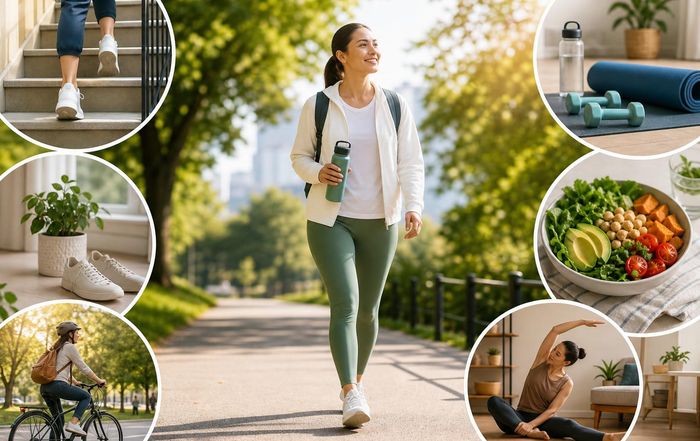
Lifestyle Changes That Encourage Daily Movement
Daily movement has shifted from being a wellness trend to a non-negotiable pillar of long-term health, performance, and productivity, and as the global conversation around fitness, work, and lifestyle evolves, the question for professionals and families alike is no longer whether they should move more, but how they can realistically integrate movement into demanding lives that span time zones, hybrid work models, and increasingly digital routines. For the sports active group that turns to FitBuzzFeed for practical, evidence-based insight across fitness, health, business, and lifestyle, the challenge is to translate scientific recommendations into sustainable habits that work as well in New York and London as they do in Berlin, Singapore, Sydney, or São Paulo.
This long detailed article explores how subtle but strategic lifestyle changes can embed movement into the fabric of everyday life, examining the interplay between physical activity, mental health, work performance, and even employability, while drawing on the latest thinking from global health institutions and leading companies that are reshaping how the world moves. Readers interested in grounding this guidance in broader wellness context can further explore the health and performance coverage at FitBuzzFeed Health and FitBuzzFeed Fitness.
The Global Case for Moving More, Every Day
By 2026, the scientific consensus is unequivocal: consistent daily movement is one of the most powerful determinants of long-term health, particularly in countries where sedentary work, urbanization, and digital entertainment dominate daily routines. Organizations such as the World Health Organization emphasize that physical inactivity is a major risk factor for noncommunicable diseases, and that even short, frequent bouts of movement across the day can substantially reduce risk when compared with prolonged sitting; readers can review global guidelines on activity and sedentary behavior through the WHO physical activity recommendations.
In high-income regions including the United States, the United Kingdom, Germany, Canada, Australia, and the Nordic countries, the paradox is striking: despite unprecedented access to gyms, sports clubs, and wellness technologies, large segments of the population do not meet the minimum recommended activity levels, and similar patterns are increasingly visible in fast-growing economies across Asia, South America, and Africa as urban office work becomes the norm. The U.S. Centers for Disease Control and Prevention has repeatedly highlighted that adults benefit from at least 150 minutes of moderate-intensity activity per week plus muscle-strengthening activities, yet many still fall short; those who want to understand the rationale behind these thresholds can review the CDC physical activity guidelines to see how they apply to different age groups and health profiles.
For the global audience of FitBuzzFeed, which spans professionals in finance in London, software engineers in Bangalore, creatives in Berlin, entrepreneurs in Lagos, and students in Toronto, the underlying message is consistent: health, energy, and performance are no longer determined solely by scheduled workouts or sports sessions, but by the total movement accumulated across the entire day, from commute choices and meeting formats to leisure habits and household routines. This is why the editorial teams across FitBuzzFeed Wellness and FitBuzzFeed Lifestyle increasingly emphasize micro-habits and environmental design rather than relying only on formal training programs.
From Exercise Sessions to Movement-Rich Lifestyles
One of the most important conceptual shifts of the past decade is the move away from thinking of fitness purely in terms of structured exercise sessions toward a broader, lifestyle-based view of movement, which recognizes that a person who sits for 10 hours a day but completes a 45-minute workout may still face elevated health risks compared with someone who moves lightly and frequently throughout the day. Research summarized by the American College of Sports Medicine underscores that non-exercise activity thermogenesis, often called NEAT, which includes walking, standing, household tasks, and informal play, can meaningfully influence metabolic health and weight management; those interested in the science of NEAT can learn more about everyday movement and energy expenditure.
In practice, this means that lifestyle design matters as much as gym membership, and that the architecture of daily routines in cities such as Tokyo, Amsterdam, Copenhagen, or Vancouver-where active transport, compact neighborhoods, and cycling infrastructure are deeply integrated-often produces more total movement than purely gym-centric cultures. The OECD has documented how urban planning and transport policies influence physical activity levels, and professionals exploring relocation or travel can review OECD insights on health and active living to understand which environments naturally support movement-rich lifestyles.
For the FitBuzzFeed community, which often blends structured training with demanding work schedules, this shift suggests a dual strategy: maintain or enhance formal workouts, while simultaneously engineering daily routines so that walking, standing, stretching, and light strength work become automatic components of life at home, in the office, and on the move. Readers seeking more structured training approaches can complement this lifestyle focus with programs highlighted at FitBuzzFeed Training and FitBuzzFeed Physical, which explore performance-oriented methods for athletes and active professionals.
Movement as a Foundation for Mental Health and Cognitive Performance
Daily movement is not only about cardiovascular fitness or muscular strength; it is increasingly recognized as a core pillar of mental health, cognitive function, and resilience, particularly in high-pressure work environments that span finance, technology, consulting, media, and healthcare across North America, Europe, and Asia. The National Health Service in the United Kingdom has consistently highlighted that regular physical activity can reduce symptoms of depression and anxiety, improve sleep, and enhance overall mood, and those interested in the clinical perspective can explore NHS guidance on exercise and mental health.
Similarly, research shared by Harvard Medical School emphasizes that aerobic exercise stimulates the release of brain-derived neurotrophic factor, which supports neuroplasticity, memory, and learning, and that even moderate daily movement can improve focus and executive function, which are critical for leaders, knowledge workers, and students; readers can learn more about how exercise supports the brain and consider how to integrate these insights into their workday. For the audience of FitBuzzFeed Business and FitBuzzFeed Jobs, which covers trends in employment, leadership, and workplace wellbeing, this linkage between movement and cognitive performance is particularly relevant, as employers increasingly recognize that physical activity is not a perk but a productivity asset.
In high-stress sectors such as technology hubs in Silicon Valley, Shenzhen, Seoul, or Berlin, and financial centers in New York, London, Frankfurt, Singapore, and Hong Kong, forward-thinking organizations are beginning to redesign work patterns to incorporate short movement breaks, walking meetings, and more flexible scheduling, recognizing that these changes can reduce burnout and enhance creativity. The World Economic Forum has profiled companies that integrate wellbeing into their business models, and executives can learn more about sustainable business practices that align employee health with long-term organizational performance.
Workplace Design and the New Culture of Movement
As hybrid and remote work models have matured by 2026, the physical and digital architecture of work has become one of the most influential determinants of daily movement, affecting employees from Toronto to Tokyo and from Stockholm to Johannesburg. Many organizations, from global technology leaders such as Microsoft and Google to professional services firms and fast-growing startups, have invested in activity-friendly offices that feature sit-stand desks, open staircases, onsite fitness spaces, and outdoor collaboration zones, while simultaneously encouraging employees who work from home in cities like Melbourne, Montreal, or Madrid to adopt similar principles in their personal environments.
The International Labour Organization has emphasized the importance of occupational health and active work patterns, and business leaders can review ILO resources on workplace health promotion to understand policy frameworks that support movement and wellbeing. For the FitBuzzFeed readership, which includes both employees and entrepreneurs, the key insight is that workplace design is no longer merely an HR concern but a strategic decision that influences absenteeism, engagement, and employer branding, especially among younger generations in Europe, North America, and Asia who prioritize wellbeing when evaluating career options.
At the same time, remote workers and freelancers across countries such as Canada, Brazil, India, and New Zealand are learning that home offices can either reinforce sedentary habits or encourage movement through simple design choices, such as placing printers or frequently used items away from the desk to require short walks, using standing or treadmill desks for part of the day, or scheduling video meetings that allow for gentle movement. Professionals who want to align their career decisions with healthier work environments can explore trends and opportunities through FitBuzzFeed Jobs, which increasingly profiles employers that embed movement and wellbeing into their culture.
Technology as Catalyst and Risk in Daily Movement
Technology has become both a powerful ally and a subtle threat to daily movement, and understanding how to harness its benefits without succumbing to its sedentary side effects is essential for individuals across all continents. On one hand, wearable devices from companies such as Apple, Garmin, Samsung, and Fitbit have made it easier than ever to monitor steps, heart rate, sleep, and even stress markers, turning abstract health advice into concrete daily targets; professionals who want to understand the capabilities and limitations of these tools can review guidance from the Mayo Clinic on fitness trackers and consider how to interpret the data responsibly.
On the other hand, the same smartphones, streaming platforms, and remote collaboration tools that have enabled flexible work and global connectivity also facilitate prolonged sitting, binge-watching, and digital multitasking that can displace physical activity. The Pew Research Center has documented how screen time patterns have evolved across age groups and regions, and readers can explore global data on device use and lifestyle to better understand how their own habits compare with broader trends. For the FitBuzzFeed community, which often embraces technology in both work and training, the challenge is to use digital tools as prompts and enablers of movement rather than as passive entertainment that erodes active time.
In response, many health and fitness apps now integrate micro-break reminders, guided movement snacks, and gamified challenges that encourage users in cities from Paris and Milan to Seoul and Bangkok to stand, stretch, or walk at regular intervals, and some corporate wellness platforms are partnering with insurers and employers to reward consistent activity with reduced premiums or other benefits. Readers seeking to stay ahead of these innovations can follow developments at FitBuzzFeed Technology, where the intersection of health tech, wearables, and performance is an ongoing focus.
Nutrition, Energy, and the Willingness to Move
While movement is often discussed in isolation, it is intimately connected to nutrition, energy availability, and metabolic health, and individuals in countries as diverse as the United States, Germany, Japan, and South Africa frequently discover that their willingness to move more each day is constrained not only by time or motivation but by inconsistent fueling and hydration. The Academy of Nutrition and Dietetics highlights that balanced meals with adequate protein, complex carbohydrates, healthy fats, and micronutrients can stabilize energy levels and support both structured training and incidental activity, and those seeking practical frameworks can learn more about evidence-based sports nutrition.
Similarly, the European Food Information Council and other regional bodies emphasize that ultra-processed foods, excessive sugar intake, and irregular eating patterns can contribute to energy crashes, weight gain, and metabolic dysfunction, which in turn reduce the desire to engage in physical activity, especially in populations already struggling with long work hours and high stress; readers can explore educational resources on diet and health to better understand how nutrition influences movement capacity. For the FitBuzzFeed audience, which often seeks integrated approaches to performance, the message is clear: sustainable daily movement is easier to maintain when supported by thoughtful nutrition strategies, and those interested in aligning their eating habits with active lifestyles can explore insights at FitBuzzFeed Nutrition and FitBuzzFeed Wellness.
In many regions, from North America and Europe to Asia-Pacific and Latin America, there is also growing awareness of the importance of hydration and electrolyte balance, particularly among individuals who incorporate walking commutes, cycling, or midday workouts into busy schedules in hot or humid climates such as Singapore, Bangkok, São Paulo, or Johannesburg. Organizations like the Cleveland Clinic provide accessible explanations of how hydration affects performance and recovery, and those who want to refine their routines can review guidance on staying properly hydrated, especially when layering daily movement onto existing exercise programs.
Cultural, Regional, and Generational Perspectives on Movement
Daily movement is not only a matter of personal choice or individual discipline; it is also shaped by cultural norms, urban design, climate, and generational attitudes that vary across regions such as North America, Europe, Asia, Africa, and South America. In cities like Amsterdam, Copenhagen, and Utrecht, cycling has been normalized across all ages and professions, making movement an inherent part of commuting and social life, while in many North American and Middle Eastern cities, car-centric infrastructure makes walking or cycling less practical, particularly for families or older adults; the European Commission offers extensive documentation on active mobility policies, and urban planners or policymakers can explore European initiatives that encourage walking and cycling to see how policy can facilitate daily movement.
In parts of East Asia, including Japan and South Korea, cultural norms around walking, public transport, and compact urban living naturally increase daily step counts, whereas in rapidly urbanizing regions of Africa and South America, the balance between traditional active lifestyles and modern sedentary work is still evolving. The World Bank has examined how urbanization patterns affect health and mobility, and readers curious about these macro-trends can review global reports on cities and health. For the international readership of FitBuzzFeed World and FitBuzzFeed News, these regional differences highlight that strategies to encourage daily movement must be context-sensitive, leveraging local strengths-such as walkable neighborhoods, parks, or community sports traditions-while addressing barriers like safety, air quality, or limited infrastructure.
Generationally, younger cohorts in regions such as Europe, North America, and parts of Asia often embrace movement-oriented lifestyles that blend fitness, socializing, and digital tracking, while older adults may require more targeted support to integrate safe and enjoyable daily activity into routines shaped by decades of sedentary work. Organizations like Age UK and similar groups around the world provide resources on staying active later in life, and families supporting parents or grandparents can learn more about safe activity for older adults. For FitBuzzFeed readers who span multiple generations within the same household, the opportunity lies in designing family routines-such as evening walks, weekend hikes, or shared sports-that normalize movement across ages and cultural backgrounds.
Practical Strategies to Integrate Movement into Modern Life
Translating theory into practice requires realistic strategies that account for the complexities of modern life, including long work hours, caregiving responsibilities, travel, and digital distractions. Across cities from New York and Toronto to Berlin, Stockholm, Singapore, Sydney, and Cape Town, individuals who successfully sustain movement-rich lifestyles often rely on a combination of habit design, environmental cues, social accountability, and flexible goal-setting rather than sheer willpower alone. Behavioral scientists at institutions such as Stanford University and University College London have emphasized the importance of starting with small, consistent changes that fit within existing routines, and those interested in the psychology of habit formation can explore research-based guidance on building healthier habits.
For many FitBuzzFeed readers, one effective approach is to anchor movement to daily triggers that already occur without fail, such as using the first 10 minutes after waking for gentle mobility work, walking during part of the commute where feasible, taking short movement breaks after every two or three virtual meetings, or incorporating a brief walk after lunch or dinner to aid digestion and reset focus. Others find success by reframing social time, choosing walking meetings in parks, active dates that involve hiking or cycling, or family outings that prioritize playgrounds and nature trails over purely sedentary entertainment. Those who enjoy sports can draw inspiration from coverage at FitBuzzFeed Sports, which often highlights how amateur participation in local leagues or clubs can provide structure and motivation.
Travel, whether for business or leisure, can disrupt routines but also presents opportunities to explore cities on foot, use hotel gyms or nearby parks, and experience local active traditions such as outdoor tai chi in China, beach runs in Australia, or urban hikes in European capitals. International organizations like Lonely Planet regularly feature active travel ideas, and global professionals can learn more about integrating activity into travel experiences that span continents and cultures. For those who seek community and accountability, local running clubs, walking groups, and recreational sports leagues-often listed through municipal websites or community platforms-can transform movement from a solitary task into a social anchor.
Brands, Events, and the Emerging Movement Economy
By 2026, daily movement has evolved into an economic force that shapes product design, marketing, and brand identity across sectors as diverse as apparel, footwear, technology, hospitality, and even financial services. Global brands such as Nike, Adidas, Lululemon, and Under Armour have expanded beyond performance gear into ecosystems of digital coaching, community events, and corporate wellbeing partnerships, recognizing that consumers in the United States, Europe, Asia, and beyond increasingly expect brands to support their active lifestyles rather than merely sell them products. Analysts following the business side of this evolution can explore insights at FitBuzzFeed Business and FitBuzzFeed Brands, where the intersection of commerce, culture, and movement is an ongoing theme.
Mass participation events-from marathons in Berlin, Boston, and Tokyo to cycling festivals in the Netherlands, trail races in New Zealand, and community fitness festivals in cities across Africa and South America-have also become important catalysts for daily movement, providing tangible goals that encourage months of consistent training and lifestyle adjustments. Organizations such as World Athletics and major race organizers offer resources on safe preparation and participation, and aspiring participants can learn more about global running events and standards. For FitBuzzFeed readers who seek inspiration or structure, following coverage at FitBuzzFeed Events can provide a gateway into challenges that transform everyday movement into meaningful milestones.
At the same time, insurers, banks, and employers are experimenting with incentive programs that reward consistent activity, recognizing that healthier, more active customers and employees often present lower long-term risk and higher engagement. This emerging "movement economy" underscores a broader societal shift: daily movement is no longer viewed solely as an individual responsibility but as a shared opportunity that spans public policy, corporate strategy, urban design, and community life.
Building a Personal Movement Philosophy for the Long Term
For the diverse and global bunch of lovely fitness freaks on FitBuzzFeed, the most important step in embracing lifestyle changes that encourage daily movement is to move beyond short-term challenges or seasonal resolutions and instead develop a personal philosophy of movement that aligns with individual values, professional goals, cultural context, and life stage. This philosophy might prioritize longevity and independence for older adults in Switzerland or Japan, peak performance for athletes in the United States or Brazil, stress resilience for executives in London or Singapore, or family bonding for parents in Canada or South Africa, but in all cases, it rests on the same foundation: consistent, enjoyable, and sustainable daily activity.
Developing this philosophy involves honest reflection on current routines, constraints, and motivations, as well as a willingness to experiment with different forms of movement-from structured training and sports to walking, dancing, yoga, or active commuting-until a workable mix emerges. It also requires a realistic assessment of recovery, sleep, and nutrition, recognizing that sustainable movement cannot exist in isolation from broader wellbeing strategies. Those who wish to explore these interconnections in more detail can continue their journey through the excellent integrated coverage at FitBuzzFeed, where fitness, health, business, jobs, lifestyle, and technology are treated as interdependent components of a modern, movement-rich life.
As the world moves deeper into the second half of the 2020s, the individuals, organizations, and cities that thrive will be those that treat daily movement not as an optional extra but as a strategic asset, weaving it into the rhythms of work, learning, family, and play. For readers across continents-from New York to Nairobi, London to Lagos, Berlin to Bangkok, and Sydney to São Paulo-the opportunity is clear: by making thoughtful lifestyle changes today, they can unlock a future in which energy, resilience, and performance are grounded in the simple, powerful act of moving more, every single day.