

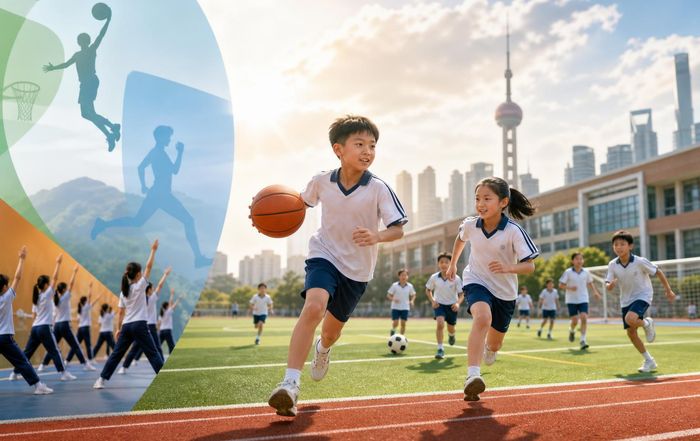
How School Sports Are Shaping Active Lifestyles in China
School sports in China are undergoing a quiet but significant transformation. What was once treated as a secondary subject to academic performance is now being repositioned as a core part of national health strategy, youth development, and even long-term economic planning. For anyone interested in fitness, youth sport, or global health trends, China offers a striking case study in how a country can use its education system to encourage more active lives-while also grappling with exam pressure, urbanization, and screen-heavy childhoods.
Why China Is Betting on School Sports
Over the past decade, Chinese authorities have become increasingly vocal about a worrying trend: declining physical fitness and rising myopia, overweight, and sedentary behavior among children and adolescents. Official fitness tests, conducted regularly by the Ministry of Education, have shown that many students fail to meet benchmarks for endurance, strength, and flexibility. At the same time, international organizations such as the World Health Organization have highlighted that most adolescents worldwide do not meet recommended levels of daily physical activity, and China is no exception.
In response, Beijing has linked school sports directly to national strategies such as "Healthy China 2030," which emphasizes physical activity, reduced chronic disease, and better quality of life. Policy documents from the General Administration of Sport of China and the Ministry of Education stress that schools must ensure students engage in at least one hour of physical activity daily, maintain adequate physical education (PE) hours, and expand extracurricular sports. These moves echo global recommendations from bodies like the WHO, UNESCO, and the International Olympic Committee, all of which promote school-based sport as a highly effective way to increase youth activity.
What makes China's approach distinctive is its scale and integration: sports are being tied not just to health, but to exam systems, school evaluation, and even talent pipelines for elite competition. That combination creates both opportunities and tensions for students trying to balance test scores with time on the playing field.
The Evolving Role of Physical Education in Chinese Schools
Physical education has long been compulsory in Chinese primary and secondary schools, but historically it often lost out to academic subjects when schedules became tight or exam pressure mounted. In recent years, central authorities have tried to reverse that pattern by clarifying minimum PE time and elevating its status in school assessment.
National guidelines typically require students to have at least three PE classes per week in primary and junior secondary school, with an emphasis on fundamental movement skills, basic fitness, and exposure to multiple sports. Many schools now incorporate a mix of track and field, ball games such as basketball, football, and volleyball, gymnastics, and traditional Chinese activities like martial arts or rope skipping. The Chinese Football Association and other national sport bodies have partnered with education authorities to introduce more structured curricula and teacher training in their respective sports.
A notable shift is the push to ensure that PE is not merely theoretical or symbolic. Policy directives stress that classes should be "real PE," meaning students spend most of the lesson actively moving rather than listening to lectures or standing in lines. Some regions have experimented with fitness-oriented curricula that integrate heart-rate monitoring, step counts, and modern training concepts, reflecting broader global trends in school-based fitness education that can be seen in countries highlighted by organizations like OECD and UNICEF.
However, implementation remains uneven. Urban schools in wealthy districts often have better facilities, more trained PE teachers, and more diverse programs, while rural or resource-constrained schools can struggle with space, equipment, and staffing. The challenge for policymakers is ensuring that PE reforms translate into genuine, high-quality activity for all students, not just those in flagship schools.
For readers interested in broader fitness approaches, many of the concepts being tested in Chinese PE-structured warm-ups, progressive overload, and varied movement skills-mirror the training ideas explored in our training and physical fitness coverage.
Sports, Exams, and Incentives: Changing What Schools Value
In China's high-stakes education system, exam incentives shape behavior more powerfully than almost anything else. Recognizing this, authorities have increasingly woven physical fitness into assessment systems to give schools and families a concrete reason to value sport.
One important tool is the National Student Physical Health Standard, a nationwide testing system that evaluates cardiorespiratory endurance, strength, speed, flexibility, and body composition. Results contribute to a student's overall evaluation and, in some regions, are linked to school performance indicators. Recent reforms have gone further by incorporating physical fitness scores into high school entrance exams (the zhongkao) in many provinces. This means that a student's ability to run, jump, and perform physical tasks can affect which academic track or school they can attend.
From a public health perspective, this is a powerful lever: when PE and fitness scores influence critical exams, schools are less likely to cancel sports for extra math classes. It also encourages students, parents, and teachers to take regular training more seriously, not just cram for fitness tests at the last minute. The Ministry of Education has repeatedly emphasized that schools should ensure daily physical activity and not simply focus on test rehearsal.
Yet this exam-based approach is not without controversy. Some parents and educators worry that turning fitness into another test may increase stress, particularly for students who are less athletically inclined or have health conditions. There are also concerns that schools may overemphasize test-specific training-such as timed runs or sit-ups-rather than fostering enjoyment, diverse movement skills, and long-term habits. These debates resemble international discussions tracked by organizations such as UNESCO and UNICEF, which caution that assessment in school sport should support inclusion and enjoyment, not just performance metrics.
Balancing these pressures is central to whether school sports in China ultimately nurture lifelong activity or simply add another layer to an already demanding exam culture.
From Playground to Podium: The Link to Elite Sport
School sports in China do more than promote daily activity; they also feed into the country's elite sports system. Historically, China relied heavily on specialized sports schools, where children identified as talented were channeled into intensive training from a young age. In recent years, there has been a gradual shift toward integrating talent identification into mainstream schools, especially in popular sports like football, basketball, and winter sports.
The General Administration of Sport of China and the Chinese Olympic Committee have supported initiatives that encourage schools to form competitive teams, participate in regional and national tournaments, and collaborate with professional clubs. For example, designated "football specialty schools" receive additional support to build pitches, hire coaches, and compete in structured leagues, aligning with broader efforts to grow football participation nationally. Similar programs exist for basketball and other team sports, often in partnership with national federations or professional leagues.
This dual role of school sports-as both a public health tool and a talent pipeline-has strengths and risks. On one hand, it provides more children with exposure to structured training, competition, and role models, which can inspire ongoing participation and higher performance standards. On the other hand, if schools focus disproportionately on winning competitions or developing a small group of elite athletes, the broader goal of inclusive, mass participation can be overshadowed.
Internationally, organizations like the International Olympic Committee and FIFA have emphasized the importance of school sport as a base for both grassroots and high-performance pathways. China's evolving model reflects that thinking, but its success will depend on whether ordinary students-those who will never compete nationally-still feel welcomed and supported in school sport environments.
Readers following global sports business and talent development can find related analysis in our sports and business sections, where the intersection of grassroots participation and elite performance frequently appears.
Tackling Sedentary Lifestyles and Screen Time
Like many countries, China has seen rapid increases in screen use among children and teenagers, from smartphones and tablets to online gaming and streaming platforms. Urbanization has also reduced informal outdoor play in many neighborhoods, replacing open spaces with high-density housing and busy roads. These shifts make school one of the few reliable places where structured physical activity can be guaranteed.
Chinese guidelines echo global recommendations from bodies like the World Health Organization and the American College of Sports Medicine, which advise that children and adolescents should accumulate at least 60 minutes of moderate-to-vigorous physical activity daily. School policies now frequently reference the "one hour of exercise every day" goal, urging institutions to combine PE classes, recess, after-school sports, and active breaks between lessons to reach that threshold.
Some schools have introduced daily "eye exercises" and short movement breaks to combat myopia and sedentary classroom time. Others promote active recess, requiring students to be outdoors and engaged in some form of movement rather than remaining in classrooms or on phones. There is also growing interest in integrating technology more positively-for example, using step counters, fitness apps, or simple heart-rate monitoring to encourage students to track their activity and set personal goals. Global technology and health platforms such as Apple, Huawei, Garmin, and Xiaomi have all positioned wearables and health apps as tools to support active lifestyles, including for younger users, although schools must navigate privacy, cost, and equity issues.
The core idea is simple but powerful: if children spend much of their day sitting in academic classes and on digital devices, then school sports and structured movement become essential counterweights. By embedding activity into the school schedule, China aims to make movement a non-negotiable part of daily life rather than an optional extra.
For readers looking to extend these ideas beyond school, our fitness and wellness coverage often explores practical ways to reduce sitting time and build more movement into everyday routines.
Building Habits, Confidence, and Social Skills
Beyond physical health metrics, school sports in China are increasingly being recognized for their broader developmental impact. Research from universities and public health bodies worldwide, including organizations such as the Centers for Disease Control and Prevention and Harvard T.H. Chan School of Public Health, has consistently linked youth sport participation with better mental health, improved self-esteem, and stronger social connections. Chinese educators and policymakers have echoed these findings, arguing that sport can help address stress, social isolation, and even behavioral issues.
In practice, team sports and PE classes give students chances to experience cooperation, leadership, and conflict resolution in a relatively low-stakes environment. Learning to lose gracefully, support teammates, and manage frustration after a mistake can translate into resilience in academic and personal life. For students who struggle academically, sport can also provide an alternative arena where they experience success and recognition, which may improve overall school engagement.
There is also a growing emphasis on "sunshine sports," a term used in China to promote cheerful, inclusive, outdoor activities that reach all students, not just those on competitive teams. These initiatives often prioritize participation, enjoyment, and exposure to different forms of movement over performance metrics. Schools might organize mass aerobics sessions, fun runs, dance activities, or traditional games that do not require high skill levels or specialized equipment. This aligns with global thinking from UNESCO and youth-sport advocates, who argue that school sports should support every child's right to play and be active.
Developing positive feelings about movement during childhood is crucial to lifelong habits. If students associate sport only with pressure, punishment, or embarrassment, they are less likely to stay active as adults. China's challenge is to ensure that exam-linked fitness requirements and competitive programs coexist with supportive, enjoyable experiences that build confidence for all.
Readers interested in how sport intersects with broader lifestyle choices can explore related stories in our lifestyle and health sections, where mental wellbeing, body image, and social connection frequently overlap with physical activity.
Unequal Playing Fields: Urban-Rural and Regional Gaps
While national policies set broad expectations, the reality of school sports in China varies widely depending on location, funding, and local priorities. Urban schools in major cities often have multi-purpose gymnasiums, artificial turf fields, and access to professional coaches, including partnerships with clubs or universities. In contrast, rural schools and those in less affluent regions may operate with limited space, basic equipment, and fewer full-time PE teachers.
The Ministry of Education and other agencies have acknowledged these disparities and launched programs to improve conditions in under-resourced areas, including funding for playgrounds, equipment, and teacher training. International organizations such as UNICEF and UNESCO have also highlighted equity in school sport as a global issue, emphasizing that opportunities for physical activity should not depend on a child's postal code or family income.
There are gender differences as well. Although Chinese policy formally promotes equal access to PE and sports, boys are often more represented in competitive school teams, especially in high-profile sports like football and basketball. Girls may face cultural expectations that prioritize academic performance or view intense physical activity as unfeminine. Some schools have responded by offering a broader range of activities, including dance, aerobics, badminton, and table tennis, which may appeal to a wider group of students. Encouraging mixed-gender participation and providing female role models in coaching and leadership roles are ongoing priorities.
These inequalities matter because they affect who develops strong movement skills and positive attitudes toward exercise. If only certain groups-urban, higher-income, or athletically talented students-receive high-quality sports experiences, the broader public health goals behind school sports are harder to achieve.
Technology, Innovation, and the Future of School Sports in China
As China continues to invest in education and digital infrastructure, technology is playing a growing role in how school sports are delivered and monitored. Some schools use digital platforms to record students' fitness test results, track progress over time, and generate personalized feedback. Others integrate video analysis into PE classes or team training, borrowing tools that have become common in professional sport.
National and local authorities have also promoted "smart campuses" where wearables, mobile apps, and data dashboards help administrators monitor overall activity levels and health indicators. Technology companies, both domestic and international, see school sport as an emerging market, offering software and devices tailored to educational environments. Major players in the broader health-tech landscape, including Apple, Huawei, Garmin, and Xiaomi, have all incorporated youth-friendly features and parental controls into their ecosystems, even if not all are deployed formally in schools.
However, digital innovation raises questions about privacy, data security, and the risk of turning physical activity into a purely quantified exercise. Educators must decide how to balance the motivational power of tracking with the need to preserve enjoyment, autonomy, and inclusivity. There are also concerns that technology could widen gaps between well-funded schools able to adopt advanced systems and those that cannot.
From a broader wellness perspective, the most promising uses of technology are those that support sustainable habits-reminders to stand and move, simple step challenges, or video resources that teach proper technique-rather than those that simply add more performance pressure. For readers interested in how tech is reshaping fitness and health more generally, our technology and news sections regularly follow these developments.
What China's Experience Suggests About Active Lifestyles
China's efforts to promote active lifestyles through school sports offer several lessons that resonate beyond its borders. First, schools are uniquely positioned to provide daily, structured physical activity at scale, especially in societies where academic pressures and digital entertainment limit free play. Making PE compulsory and protecting it in timetables is a foundational step that many countries, not just China, are still working to implement consistently.
Second, incentives matter. By linking physical fitness to exams and school evaluations, Chinese policymakers have forced institutions to take sport more seriously. But they also illustrate the risk of over-formalizing movement, turning what should be enjoyable into another source of anxiety. Other systems considering similar reforms may look to international guidance from organizations like the World Health Organization, UNESCO, and OECD to design assessments that support, rather than undermine, positive attitudes toward activity.
Third, quality and equity are as important as quantity. One hour of daily exercise is a useful target, but what happens during that hour-and who has access to good facilities, trained teachers, and varied programs-determines whether students leave school with the skills and desire to stay active into adulthood. Addressing urban-rural gaps, gender imbalances, and resource constraints remains a major task.
Finally, culture and community matter. When school sports are aligned with broader messages about health, balanced lifestyles, and social connection, they can help shift norms for families and communities, not just individual students. Stories of school teams, local tournaments, and active campuses can inspire parents and younger children, reinforcing the idea that movement is a normal and valued part of daily life.
For those following global fitness and health trends, China's evolving approach to school sports is worth watching. It highlights both the potential and the complexity of using education systems to build healthier, more active generations-an ambition shared in many of the regions and updated topics covered across our world, nutrition, and events pages.