

Health Benefits of Active Living Across All Ages in 2026
Active Living as a Lifelong Business and Personal Strategy
In 2026, active living is firmly established as both a personal necessity and a strategic lever for performance, resilience and competitiveness, shaping decisions made by individuals, employers, brands and policymakers who operate in an environment defined by demographic aging, rapid technological disruption, globalized labor markets and escalating healthcare costs. For the global audience of FitBuzzFeed, whose readers track developments in fitness, health, business and jobs, the narrative has shifted decisively from asking why exercise matters to exploring how systematically embedding active living across every life stage creates measurable value in careers, organizations and communities.
Across North America, Europe, Asia-Pacific, Africa and Latin America, institutions such as the World Health Organization (WHO), Centers for Disease Control and Prevention (CDC) and Organisation for Economic Co-operation and Development (OECD) continue to underline that physical inactivity remains a leading risk factor for noncommunicable diseases, yet they increasingly frame regular movement as one of the most cost-effective tools available to extend healthy life expectancy, protect mental health and reduce the burden on overstretched health systems. Readers who follow global developments via FitBuzzFeed World see this reflected in national strategies spanning the United States, United Kingdom, Germany, Canada, Australia, Singapore and beyond, where governments are attempting to integrate health, transport, urban planning, education and labor policies to foster more active daily routines. Those interested in global perspectives can learn more about the economic and social impact of physical inactivity through analyses from the WHO on physical activity and health.
For a platform like FitBuzzFeed, which speaks simultaneously to professionals, athletes, entrepreneurs, health practitioners and informed consumers, the central question in 2026 is no longer whether exercise is beneficial, but how active living can be designed into daily life from early childhood to advanced age in ways that are evidence-based, inclusive, scalable and economically viable, while also supporting productivity, innovation and brand differentiation in increasingly crowded wellness, sports and health technology markets.
The Science of Movement: Why Activity Matters at Every Age
Over the past decade, scientific understanding of physical activity has expanded from a narrow performance-oriented view to a comprehensive appreciation of how movement affects virtually every organ system, cognitive process and emotional state. Leading research institutions such as Harvard T.H. Chan School of Public Health, Mayo Clinic and Cleveland Clinic have repeatedly shown that regular moderate-to-vigorous activity improves cardiovascular function, supports metabolic health, modulates inflammatory pathways and reduces the risk of type 2 diabetes, stroke and several major cancers. Those seeking a concise overview of these mechanisms can explore Harvard's summary of the benefits of physical activity for long-term health.
At the same time, neuroscientists at organizations such as Stanford University, University College London and Massachusetts General Hospital have documented how movement enhances cerebral blood flow, promotes neurogenesis, strengthens synaptic plasticity and supports executive function, memory and emotional regulation. This evidence is particularly relevant for professionals and leaders who follow FitBuzzFeed Technology and FitBuzzFeed Business, because in knowledge-intensive economies, cognitive stamina, creativity and decision-making agility have become critical competitive assets that can be systematically supported through structured activity, active breaks, ergonomically sound work environments and recovery-aware schedules. Readers interested in the brain-exercise connection can learn more through resources from the National Institutes of Health on physical activity and brain health.
From a policy standpoint, the WHO guidelines continue to recommend at least 150-300 minutes of moderate-intensity or 75-150 minutes of vigorous-intensity aerobic physical activity per week for adults, complemented by muscle-strengthening activities on two or more days, and adapted recommendations for children, adolescents and older adults. Crucially, these guidelines stress that any increase in physical activity, even below ideal thresholds, confers meaningful health benefits, a message that resonates with busy professionals in metropolitan centers from New York, London and Berlin to Singapore, Tokyo and São Paulo. The full recommendations remain accessible in the WHO physical activity guidelines.
For FitBuzzFeed readers, the core insight is that active living is not a lifestyle accessory reserved for athletes or enthusiasts; it is a foundational behavior that underpins physical resilience, mental clarity, emotional balance and long-term employability, whether one is a student in Toronto, a mid-career manager in Frankfurt, a startup founder in Sydney or a retiree in Barcelona.
Childhood and Adolescence: Building Lifelong Physical Literacy
The early years of life continue to be decisive for establishing habits and competencies that shape health trajectories over decades. Global data from UNICEF, OECD and WHO indicate that children who engage in regular, varied physical activity develop stronger musculoskeletal systems, healthier cardiovascular profiles and more favorable body composition, while also demonstrating better attention, executive function and socioemotional skills. For parents, educators and coaches who follow FitBuzzFeed Sports and FitBuzzFeed Training, the concept of physical literacy-confidence and competence across a broad spectrum of movement skills-has become as important as digital literacy and numeracy. Readers can learn more about the global movement to promote physical literacy through resources from Sport for Life and allied organizations that explain how early exposure to diverse activities supports lifelong participation in sport and exercise.
Countries such as Canada, Sweden, Finland and Australia have advanced school-based programs that embed daily physical activity into curricula, recognizing that movement enhances learning rather than competes with academic outcomes. Evidence synthesized by UNESCO shows that high-quality physical education can reduce bullying, strengthen social inclusion and cultivate teamwork, leadership and resilience, skills that are increasingly valued across global labor markets. Policymakers and school leaders can explore UNESCO's guidance on quality physical education and youth development to design programs that balance performance, participation and well-being.
Simultaneously, the digitalization of childhood has accelerated, with streaming, social media and immersive gaming environments increasing sedentary time among children and adolescents in the United States, United Kingdom, Germany, China, South Korea and many other countries. For a digital-first brand like FitBuzzFeed, this shift presents both a challenge and an opportunity: the challenge lies in countering sedentary behaviors that contribute to early-onset obesity, anxiety and sleep disruption; the opportunity lies in leveraging technology, gamification and online communities to make movement engaging, social and identity-affirming for young audiences. Platforms that integrate activity tracking, narrative-driven challenges, coach-guided content and peer recognition can help adolescents perceive physical activity not as punishment or obligation, but as a source of enjoyment, autonomy and self-expression, aligned with their broader digital lives.
Young Adults: Performance, Productivity and Mental Health
As individuals transition into late teens and twenties, they navigate a complex mix of academic pressure, early career experimentation, financial uncertainty and intense social interaction, often amplified by always-on digital connectivity. This cohort, which forms a substantial share of FitBuzzFeed's global readership, is particularly vulnerable to stress, irregular sleep, poor nutritional patterns and mental health challenges. Research from organizations such as Johns Hopkins Medicine, University of Toronto and King's College London has consistently shown that regular physical activity significantly reduces the risk of depression and anxiety, improves sleep architecture, sharpens cognitive performance and supports healthier coping with stressors. Readers can explore the relationship between exercise and mental health through the American Psychological Association, which provides an accessible overview of how physical activity supports mental wellness.
In major higher-education and employment hubs across the United States, United Kingdom, Germany, Netherlands, Singapore and Australia, universities and employers now recognize that promoting active living is a powerful lever for supporting student and employee mental health, reducing burnout and improving retention. Campus recreation centers, intramural sports, subsidized gym memberships, active commuting incentives and hybrid work policies that respect time for movement are increasingly integrated into institutional strategies. For young professionals in sectors such as finance, technology, consulting and media, where long hours and high cognitive load are common, structured exercise often becomes a non-negotiable anchor that stabilizes mood, sharpens concentration and supports sustainable performance.
For readers of FitBuzzFeed Lifestyle and FitBuzzFeed Wellness, the young adult phase is an ideal period to experiment with varied forms of movement-strength training, running, cycling, team sports, yoga, combat sports or dance-and to establish routines that are enjoyable, flexible and compatible with evolving responsibilities. Rather than chasing extreme, short-lived fitness challenges, many evidence-based practitioners now encourage building sustainable habits based on moderate, consistent activity, adequate sleep and supportive nutrition, as outlined by organizations such as the American College of Sports Medicine (ACSM), which provides detailed guidelines on exercise prescription for different populations.
Midlife: Managing Risk, Career Longevity and Family Demands
By the time individuals reach their thirties, forties and fifties, personal and professional responsibilities typically intensify, coinciding with physiological changes that elevate the risk of weight gain, hypertension, insulin resistance, musculoskeletal pain and hormonal fluctuations. For many FitBuzzFeed readers who occupy leadership, specialist or entrepreneurial roles, this life stage is where active living becomes a strategic investment in career longevity, as the capacity to sustain energy, focus and emotional resilience under pressure increasingly differentiates high performers in competitive markets across North America, Europe and Asia.
Longitudinal studies from institutions such as Karolinska Institutet, Cleveland Clinic and Imperial College London indicate that regular moderate-to-vigorous physical activity in midlife substantially lowers the risk of cardiovascular events, type 2 diabetes, certain cancers and premature mortality, while also preserving lean muscle mass, joint function and cognitive performance. From a business perspective, these health advantages translate directly into lower absenteeism, reduced healthcare claims and sustained productivity, outcomes that matter deeply to employers and insurers in countries grappling with aging workforces and rising health expenditures. Executives and HR leaders can explore the macroeconomic implications through analyses from the World Economic Forum, which examines how physical activity and wellness programs influence health costs and productivity.
Midlife is also characterized by competing demands-raising children, supporting aging parents, managing international travel and leading complex projects-which can make it difficult to maintain consistent exercise habits. In practice, successful midlife professionals often adopt a pragmatic, integrated approach, combining shorter high-intensity sessions, brisk walking, cycling commutes, stair use, walking meetings and micro-workouts with structured strength and mobility training. For readers who follow FitBuzzFeed Physical and FitBuzzFeed Training, the emphasis in this period often shifts toward preserving muscle strength, joint stability, posture and recovery capacity, in order to minimize injury risk and maintain functional independence.
Midlife is particularly significant for women's health, encompassing pregnancy, postpartum recovery and the menopausal transition. Organizations such as NHS England, Women's Health Concern and the American College of Obstetricians and Gynecologists (ACOG) emphasize that tailored physical activity can help manage gestational diabetes, support healthy weight gain, reduce postpartum depression risk and alleviate menopausal symptoms such as hot flashes, sleep disturbance and mood variability. Clinicians and individuals can consult ACOG's guidance on exercise during pregnancy and beyond to understand how to adapt activity safely across these life stages. For employers operating across regions such as the United States, United Kingdom, Germany, Singapore and South Africa, designing inclusive wellness programs that reflect gender-specific needs is increasingly recognized as both a health imperative and a talent retention strategy.
Older Adults: Preserving Independence, Function and Dignity
As populations age in regions as diverse as Japan, Germany, Italy, South Korea, China, the United States and much of Europe, the health and functional capacity of older adults has become a defining concern for healthcare systems, pension schemes and labor markets. For FitBuzzFeed readers who are approaching retirement, already retired or supporting aging parents, active living in later life is closely linked to independence, dignity and the ability to remain engaged in work, volunteering, caregiving and community life.
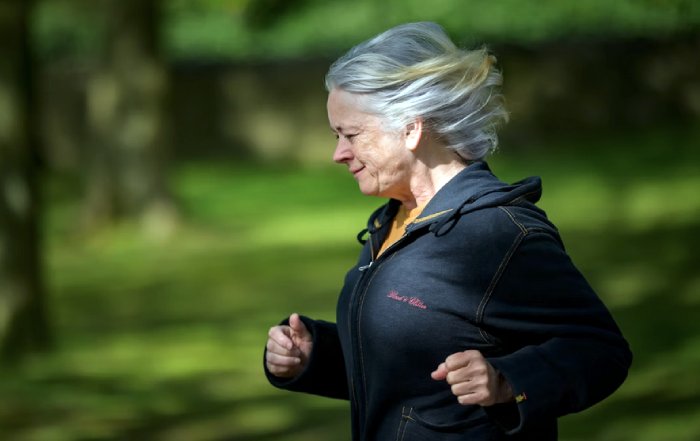
Research from the National Institute on Aging (NIA), European Society of Cardiology and World Health Organization has demonstrated that it is rarely too late to gain meaningful benefits from increased physical activity. Even individuals who begin regular exercise in their sixties, seventies or beyond can significantly improve balance, strength, aerobic capacity and cognitive function, while reducing the risk of falls, fractures, disability and hospital admissions. The NIA offers practical guidance on exercise and physical activity for older adults, emphasizing programs that combine endurance, strength, balance and flexibility in safe, progressive formats.
From a business and policy perspective, promoting active aging has far-reaching implications, including reduced pressure on health and social care systems, delayed need for long-term care and the possibility for older adults to remain economically active, whether through part-time roles, portfolio careers, mentorship, advisory positions or entrepreneurship. Organizations in manufacturing, logistics, retail and professional services are increasingly redesigning roles, schedules and workplace ergonomics to accommodate older workers, integrating adjustable workstations, movement breaks, task variation and access to on-site or virtual exercise options.
At the community level, municipalities in Scandinavia, the Netherlands, New Zealand and Canada are investing in age-friendly urban design, accessible walking paths, outdoor gyms, community centers and group-based activities such as dance, tai chi, aquatic exercise and low-impact strength training, recognizing that social connection is as critical as physical capacity for mental health and life satisfaction. For readers who follow FitBuzzFeed Events and FitBuzzFeed Wellness, these initiatives underscore the value of community-led, intergenerational programs that combine movement, learning and social engagement to counter isolation and support healthy longevity.
The Business of Movement: Brands, Technology and the Active Economy
The global shift toward active living has catalyzed a rapidly expanding "active economy" that spans sportswear, connected fitness, digital health, corporate wellness, urban planning, tourism and even real estate. For the business-oriented audience of FitBuzzFeed, this ecosystem represents a complex landscape of opportunity, requiring deep expertise, credible science and trustworthy data practices to stand out.
Major sportswear and equipment companies such as Nike, Adidas, Lululemon and Decathlon have progressively evolved from product manufacturers into service-driven platforms, offering training apps, subscription content, community challenges and personalized coaching experiences that extend far beyond the initial purchase. In parallel, technology leaders including Apple, Samsung and Garmin, alongside a broad array of startups from the United States, Europe and Asia, are embedding advanced sensors, AI-driven coaching and predictive analytics into wearables and smartphones, enabling users to monitor metrics such as heart rate variability, VOâ max, sleep stages and recovery indices. Professionals interested in the trajectory of this sector can explore analyses from McKinsey & Company on healthtech, wearables and consumer health engagement.
Corporate wellness has matured from a peripheral perk into a strategic pillar for organizations in the United States, Canada, United Kingdom, Germany, Australia, Singapore and beyond, where employers face rising healthcare costs, hybrid work challenges and intense competition for skilled talent. Well-designed programs now integrate physical activity, ergonomics, mental health support, nutrition education and flexible work arrangements, supported by leadership behaviors that legitimize time for movement. The CDC provides practical guidance for employers seeking to implement evidence-based initiatives through its resources on workplace health promotion and physical activity.
For FitBuzzFeed, which covers brands, technology and business, the intersection of active living, data and innovation offers a rich field of stories, from AI-assisted rehabilitation platforms targeting aging populations, to professional sports leagues deploying data analytics to reduce injuries, to cities in Europe and Asia piloting "15-minute city" concepts that integrate active mobility, green spaces and essential services within walkable distances. In this environment, the most successful organizations are those that build trust by grounding their offerings in robust research, transparent communication and inclusive design that serves diverse populations across age, gender, socioeconomic status and geography.
Building a Culture of Movement: From Individual Habits to Systemic Change
Although the evidence for the health benefits of active living across the lifespan is compelling, translating that knowledge into lasting behavior change and systemic transformation requires coordinated effort from individuals, families, employers, educators, healthcare providers, city planners and national governments. For the global readership of FitBuzzFeed, spanning regions including North America, Europe, Asia, Africa, Oceania and South America, the most effective strategies share several common features: they are integrated into daily routines, supported by social networks and communities, enabled by thoughtful technology and aligned with broader objectives such as environmental sustainability, social equity and economic resilience.
At the individual level, readers can draw on FitBuzzFeed Fitness, nutrition and wellness coverage to design personalized routines that combine aerobic activity, strength training, mobility work and adequate recovery, calibrated to their age, health status, cultural context and professional demands. Integrating movement into existing patterns-walking or cycling for short trips, choosing stairs, incorporating short active breaks between virtual meetings, using standing desks, engaging in active family time or participating in local sports clubs-often proves more sustainable than relying exclusively on high-intensity workouts that demand substantial time and logistical planning.
At the organizational level, companies that aspire to demonstrate experience, expertise, authoritativeness and trustworthiness in the wellness and performance space must go beyond marketing narratives and ensure that internal policies, workplace design and leadership norms genuinely facilitate active living. This may include flexible scheduling, movement-friendly office layouts, access to credible health education, partnerships with reputable organizations such as WHO, CDC or national health services, and metrics that track not only participation rates but also health outcomes and employee engagement. Employers with operations spanning the United States, United Kingdom, Germany, France, India, Singapore, Brazil, South Africa and other markets must adapt programs to local infrastructure, cultural expectations and regulatory frameworks, while maintaining core principles of inclusivity, evidence-based practice and data privacy.
At the societal level, policymakers and civic leaders can draw on resources from OECD, World Bank and UN-Habitat to learn more about sustainable business practices, active urban design and integrated health strategies that align transportation, housing, education and public health policies. Initiatives such as expanding safe cycling and walking networks, improving public transit, integrating physical education standards into school curricula, incentivizing active commuting, protecting green spaces and ensuring equitable access to parks and recreational facilities can make active choices the default rather than the exception. Those involved in urban planning can explore UN-Habitat's work on urban planning and design for healthy, active cities to understand how built environments can encourage movement and social interaction.
For FitBuzzFeed, which connects news, analysis and lifestyle content across world, news, sports and lifestyle verticals, the role is to curate rigorous information, highlight successful models from diverse countries and sectors, and translate complex evidence into actionable insights for readers-whether they are executives in New York, public servants in Stockholm, entrepreneurs in Nairobi, engineers in Seoul, students in Madrid or retirees in Wellington.
Looking Ahead: Active Living as a Core Pillar of Future-Ready Societies
As 2026 progresses, active living across all ages is increasingly recognized as a central pillar of resilient, future-ready societies rather than a niche concern of the fitness industry. In an era shaped by climate volatility, digital acceleration, geopolitical uncertainty and demographic aging, the capacity of individuals and communities to maintain physical and mental vitality will influence healthcare expenditure, labor productivity, social cohesion and innovation potential in countries across North America, Europe, Asia, Africa and South America.
For the diverse audience of FitBuzzFeed, encompassing fitness enthusiasts, business leaders, health professionals, technologists, policymakers and everyday readers seeking practical guidance, the message is clear: movement is both medicine and strategy. It is a means to safeguard personal health, enhance professional performance, support families, reduce societal costs and unlock new avenues for sustainable economic growth.
The challenge for the coming decade is to move beyond episodic campaigns and short-lived resolutions toward enduring cultures of movement embedded in homes, schools, workplaces and cities across the United States, United Kingdom, Germany, Canada, Australia, France, Italy, Spain, Netherlands, Switzerland, China, Sweden, Norway, Singapore, Denmark, South Korea, Japan, Thailand, Finland, South Africa, Brazil, Malaysia, New Zealand and other regions. By combining rigorous science, thoughtful design, responsible technology, inclusive policies and credible communication, stakeholders across sectors can ensure that the health benefits of active living are not a privilege reserved for a few, but a shared asset that supports opportunity and well-being at every stage of life.
Within this evolving landscape, FitBuzzFeed will continue to serve as a trusted guide and curator, connecting its global community to the latest insights, strategies and real-world examples that demonstrate how active living-integrated into everyday routines from early childhood to advanced age-can help individuals, organizations and societies thrive in a complex, fast-changing world. Readers can explore the broader ecosystem of content across FitBuzzFeed to stay informed about the intersections of sports, health, business, technology and lifestyle that define the future of active living in 2026 and beyond.