

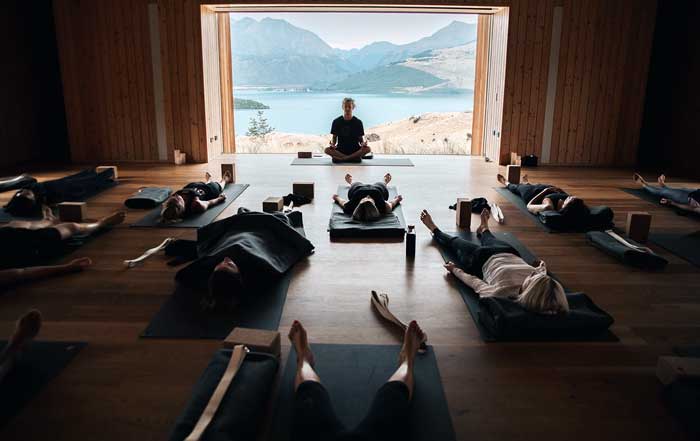
Global Fitness and Wellness Retreats in 2026: How Transformational Travel Became a Core Lifestyle Strategy
Wellness Travel as a Strategic Investment in Health
By 2026, wellness travel has evolved from a niche luxury segment into a structural pillar of the global tourism and health economy, with estimates from organizations such as the Global Wellness Institute indicating that wellness tourism now exceeds one trillion dollars annually and continues to grow as consumers seek experiences that deliver measurable impact on physical, mental, and emotional well-being rather than short-term escapism. Across North America, Europe, Asia, Africa, the Middle East, Oceania, and South America, retreats are being designed not merely as vacations but as intensive, structured interventions that integrate fitness, nutrition, mental resilience, and in many cases medical diagnostics, with the explicit goal of catalyzing long-term lifestyle change and improved performance in work, sport, and everyday life.
For the global readership of FitBuzzFeed, where fitness, health, sports, business, and lifestyle trends intersect, this shift is particularly relevant because it positions wellness retreats as strategic tools for career longevity, cognitive performance, and resilience in high-pressure environments, rather than as occasional indulgences. Executives in New York and London, entrepreneurs in Berlin and Singapore, creatives in Los Angeles and Sydney, and professionals across Canada, Germany, France, South Africa, Brazil, and Asia now routinely integrate structured retreats into annual plans in the same way they schedule performance reviews, training cycles, or leadership offsites. As global work patterns have become more hybrid and digital, and as burnout, sleep disruption, and chronic lifestyle-related conditions have increased, wellness retreats have emerged as a counterbalance, offering environments where individuals can reset habits, recalibrate priorities, and acquire evidence-based tools for sustainable high performance.
At the same time, the wellness retreat industry has been forced to demonstrate serious expertise and trustworthiness. Informed consumers now scrutinize credentials, methodologies, and outcome data, drawing on research from organizations such as the World Health Organization and resources like the U.S. National Institutes of Health to distinguish between marketing claims and substantiated practice. This has led to a clear stratification of the market: at the top end, a small group of retreats worldwide combine medical-grade diagnostics, advanced fitness programming, and integrated mental health support, while a broader tier focuses on holistic lifestyle change anchored in movement, nutrition, and mindfulness. For a platform like FitBuzzFeed, which speaks to readers interested not only in wellness but also in technology, brands, and global news, understanding how these retreats operate, what differentiates them, and how they align with emerging evidence is essential to making informed decisions about where to invest time, money, and energy.
North America: Science, Performance, and Lifestyle Integration
In North America, and particularly in the United States and Canada, wellness retreats are increasingly built on a foundation of measurable outcomes, data-driven coaching, and integration with mainstream healthcare and sports science. The American model, which has influenced retreat design worldwide, treats each guest as a high-performance individual, whether they are a corporate leader, an elite athlete, or a professional seeking to extend career longevity. Facilities frequently incorporate biometric testing, VO2 max assessments, body composition analysis, and bloodwork, often in collaboration with medical professionals and sports scientists, reflecting a broader trend toward precision wellness aligned with the rise of personalized medicine discussed by institutions such as the Mayo Clinic.
In California, The Ranch Malibu has set a global benchmark for rigorous, results-oriented programming, combining early-morning mountain hikes, strength training, yoga, plant-based cuisine, and digital detox in a tightly structured schedule that is explicitly designed to produce quantifiable improvements in weight, cardiovascular fitness, inflammation markers, and stress levels within a short period. The retreat's approach mirrors best practices in behavior change science and habit formation, with carefully controlled environments that remove decision fatigue and create a container for sustained focus, an approach that resonates strongly with readers who follow training and performance content on FitBuzzFeed. Similar models are now being replicated in Arizona and Hawaii, where desert and ocean environments respectively support programs built around heat and cold exposure, altitude training, surf-based conditioning, and recovery protocols inspired by sports medicine resources such as those shared by the American College of Sports Medicine.
Canada's leading retreats, particularly in British Columbia and Alberta, emphasize wilderness immersion as a core therapeutic modality, integrating hiking, trail running, mountain biking, and cold-water exposure with meditation, breathwork, and nutritional coaching. This approach aligns with growing scientific evidence on the benefits of nature exposure and "green exercise," supported by studies referenced by organizations such as Nature Conservancy and health agencies in the European Union, and it resonates strongly with wellness travelers from Germany, the United Kingdom, Scandinavia, and Asia who seek both physical challenge and psychological restoration. Some Canadian retreats also collaborate with Indigenous leaders and healers, carefully and respectfully incorporating traditional practices and land-based knowledge, which adds cultural depth while reinforcing a message that sustainable health is inseparable from ecological stewardship.
Europe: Medical Precision, Tradition, and Lifestyle Balance
Europe's wellness retreat landscape is characterized by a sophisticated blend of medical expertise, long-standing spa traditions, and lifestyle-centric approaches that link health with food culture, social connection, and environmental quality. Switzerland sits at the apex of medically oriented retreats, with Clinique La Prairie in Montreux widely regarded as one of the most advanced longevity and preventive health centers in the world. Guests undergo detailed diagnostic workups, including cardiovascular imaging, genetic analysis, metabolic profiling, and biological age assessments, before receiving programs that integrate targeted fitness, nutrition, supplementation, and medical interventions. This model reflects a European commitment to prevention and early intervention that is echoed in frameworks from the World Economic Forum, which has repeatedly emphasized the economic value of investing in long-term health and resilience.
Spain, by contrast, offers a Mediterranean interpretation of wellness that combines clinical rigor with lifestyle enjoyment. The SHA Wellness Clinic near Alicante has become a reference point for integrating preventive medicine, macrobiotic and Mediterranean nutrition, and structured fitness programming with holistic therapies such as acupuncture, mindfulness training, and stress-management coaching. Guests from the United Kingdom, Germany, Scandinavia, and the Middle East are drawn not only by the clinic's expertise but also by the broader Mediterranean environment, where sunlight, outdoor living, and culinary culture support sustained lifestyle change. Other Spanish destinations, including Ibiza and Mallorca, have diversified beyond their reputations for nightlife and tourism, developing yoga, Pilates, cycling, and boot camp retreats that appeal to both performance-focused athletes and individuals seeking restorative experiences, in line with guidance on active living from organizations such as NHS UK.
Northern Europe, particularly Germany and the Nordic countries, brings a distinct philosophy that blends precision, minimalism, and deep environmental connection. German spa towns such as Baden-Baden and Bad Wiessee have long histories of hydrotherapy and medical spa culture, which have now been modernized to include physiotherapy, supervised exercise programs, metabolic health monitoring, and structured rehabilitation pathways, often in collaboration with medical insurers and clinics. In Scandinavia, retreats in Sweden, Norway, Denmark, and Finland emphasize sauna culture, cold-water immersion, forest bathing, and outdoor endurance activities, grounded in a belief that resilience, mental clarity, and emotional stability are cultivated through regular exposure to natural stressors and seasonal cycles. This approach aligns with growing evidence on hormesis, stress adaptation, and mental health as summarized by institutions like Harvard T.H. Chan School of Public Health, and it appeals strongly to international travelers who value authenticity, sustainability, and understated luxury.
Asia: Heritage, Spiritual Depth, and Holistic Transformation
Asia remains the global epicenter of spiritually rooted wellness, with countries such as Thailand, Indonesia, Japan, and South Korea combining ancient traditions with modern science to create retreats that address not only physical performance but also meaning, identity, and inner alignment. Thailand's Chiva-Som International Health Resort in Hua Hin and Kamalaya on Koh Samui have become global leaders in integrative wellness, offering programs that span weight management, stress and burnout recovery, musculoskeletal rehabilitation, detoxification, and emotional healing, all supported by multidisciplinary teams that may include physicians, physiotherapists, nutritionists, fitness trainers, and mindfulness teachers. These retreats integrate Thai massage, Muay Thai, herbal medicine, and Buddhist-inspired meditation with contemporary exercise science and nutritional strategies, reflecting a synthesis that is increasingly recognized by academic centers such as the National University of Singapore as a model for culturally grounded, evidence-informed care.
Indonesia's Bali, and particularly Ubud, Canggu, and Uluwatu, has emerged as a symbolic heartland of transformational travel. Retreats such as Fivelements Retreat and The Yoga Barn offer immersive programs that combine yoga, breathwork, sound healing, plant-based cuisine, and community circles with Balinese rituals and temple visits, creating experiences that many guests describe as life reorienting. The island has also become a magnet for digital nomads and remote professionals who integrate retreat participation with longer-term stays, effectively turning wellness into a lifestyle operating system that governs work, relationships, and personal development. This convergence of wellness, remote work, and conscious entrepreneurship is increasingly studied by business schools and innovation hubs, including institutions like INSEAD, as an example of how lifestyle design and economic productivity can be aligned.
Japan and South Korea offer two distinct but complementary models. In Japan, retreats often center around onsen culture, Zen meditation, martial arts, and minimalist nutrition, embodying principles of balance, respect, and longevity that are reflected in the country's high life expectancy and low rates of certain chronic diseases, as documented by the OECD. South Korea, on the other hand, leverages its leadership in technology, beauty, and youth culture to develop retreats that integrate biohacking, advanced skincare, smart wearables, and digital health platforms with structured fitness and mental wellness programs. These retreats appeal strongly to younger global travelers, especially from East and Southeast Asia, Europe, and North America, who are familiar with K-culture and who view health optimization as an extension of personal branding and career strategy.
Africa and the Middle East: Emerging, Experiential, and Purpose-Driven
Africa and the Middle East are emerging as powerful players in wellness tourism by offering experiences that combine physical training, adventure, cultural immersion, and, increasingly, social and environmental impact. South Africa's leading retreats, particularly those near Cape Town, the Garden Route, and safari regions bordering Kruger National Park, integrate sunrise yoga, strength and mobility work, guided hikes, and mindfulness practices with wildlife encounters and conservation education. Guests are often invited to participate in or support local projects related to anti-poaching, habitat restoration, and community development, reinforcing a message that personal well-being is inseparable from planetary health, a theme emphasized by global frameworks such as the United Nations Sustainable Development Goals.
The Middle East, led by the United Arab Emirates, has focused on creating ultra-luxury wellness destinations that fuse Arabic healing traditions, desert landscapes, and state-of-the-art technology. Resorts such as Zoya Health & Wellbeing Resort in Ajman offer comprehensive programs that include medical consultations, diagnostic testing, detox protocols, structured fitness, and spa therapies in highly controlled environments designed for privacy and exclusivity. These retreats attract high-net-worth individuals from across the Gulf, Europe, Asia, and North America, and they exemplify a broader regional strategy to diversify tourism and position the Gulf as a year-round hub for health, sports, and events, in line with national visions and economic diversification plans documented by entities such as the World Bank.
Oceania and South America: Nature, Culture, and Joyful Movement
Oceania and South America bring a distinctive energy to the global wellness landscape by integrating high-level fitness programming with vibrant cultural expression and powerful natural settings. In Australia, retreat centers in Byron Bay, the Gold Coast, and Queensland's tropical regions have built strong reputations for surf-based conditioning, yoga, functional strength training, and evidence-based nutritional coaching, often drawing on research from institutions such as the Australian Institute of Sport. Outback retreats add another dimension, offering digital detox, resilience-building treks, and stargazing in remote desert environments that encourage deep reflection and psychological reset. For the physical performance and outdoor-oriented audience of FitBuzzFeed, these programs illustrate how structured fitness, nature immersion, and mental renewal can be combined in a single, coherent experience.
Brazil, meanwhile, infuses wellness with rhythm, celebration, and community. Retreats in Bahia, Rio de Janeiro, and coastal regions integrate capoeira, dance-based conditioning, beach workouts, yoga, and mindfulness with nutrition built around local superfoods such as açaÃ, cacao, and diverse tropical fruits, echoing nutritional guidance from sources like the Academy of Nutrition and Dietetics. The Brazilian model challenges the notion that wellness must be austere or restrictive, demonstrating instead that joy, social connection, and cultural expression can be central drivers of sustainable lifestyle change. This approach resonates particularly with younger travelers and with professionals seeking to reconnect with creativity and spontaneity after periods of intense work or burnout.
Why These Retreats Matter for FitBuzzFeed's Global Audience
Across all regions, the world's leading fitness and wellness retreats share a common objective: to help individuals redesign their lives around long-term vitality, resilience, and purpose. Some, such as The Ranch Malibu or Clinique La Prairie, focus on high-intensity, data-driven transformation with clear performance metrics; others, such as Kamalaya, Fivelements, or The Yoga Barn, emphasize spiritual exploration, emotional healing, and community connection; still others, like SHA Wellness Clinic, Bürgenstock Resort, or Zoya Health & Wellbeing Resort, blend medical insight, luxury hospitality, and structured lifestyle change in ways that appeal to global executives and leaders.
For readers of FitBuzzFeed who follow nutrition, wellness, and global world and business trends, these retreats are not simply destinations to consider for the next holiday; they are laboratories of innovation where new models of work-life integration, health technology, and community-based living are being tested in real time. The practices refined in these environments-ranging from structured morning routines, evidence-based training blocks, and metabolic testing to digital minimalism, breathwork, and reflective journaling-are increasingly being adapted into corporate wellness programs, sports training systems, and personal lifestyle strategies worldwide.
As the pressures of modern life continue to intensify in 2026, with rapid technological change, geopolitical uncertainty, and evolving job markets shaping daily reality in the United States, United Kingdom, Germany, Canada, Australia, Asia, and beyond, the role of retreats will likely become even more central. They offer not only temporary relief but also frameworks, skills, and mindsets that individuals can carry back into their careers, families, and communities. For a platform like FitBuzzFeed, which sits at the intersection of fitness, health, sports, and global lifestyle, the message is clear: in the years ahead, the most successful and fulfilled individuals will not be those who work the longest hours, but those who learn to strategically step away, immerse themselves in environments of structured renewal, and return with renewed clarity, energy, and purpose.
Wellness retreats, in this sense, are no longer peripheral luxuries; they are becoming core components of a modern, high-performance life.