

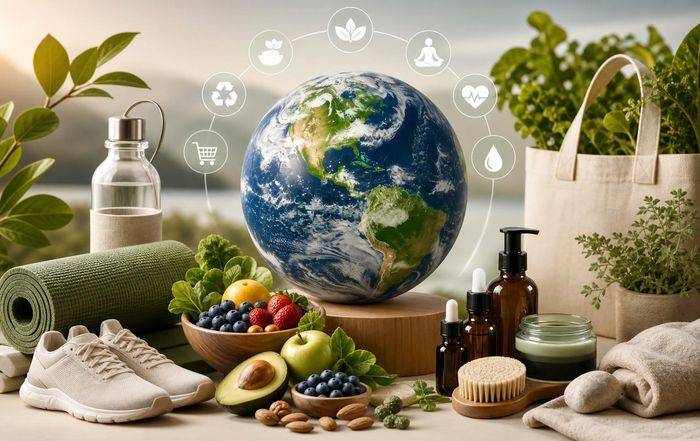
Wellness Trends Influencing Global Consumer Choices
The New Global Wellness Mindset
Wellness has evolved from a niche lifestyle aspiration into a dominant force shaping how consumers around the world live, work, travel and spend. Across North America, Europe, Asia-Pacific and emerging markets, individuals now evaluate products, services and even employers through the lens of physical health, mental resilience, social connection and environmental impact. This shift is particularly visible in the hyperactive fitness community of FitBuzzFeed, where interest in integrated wellness spans fitness, nutrition, business, technology and lifestyle, reflecting a holistic expectation that every aspect of life should contribute to long-term wellbeing.
The global wellness economy, as tracked by organizations such as the Global Wellness Institute, has grown into a multi-trillion-dollar ecosystem that now influences consumer preferences in sectors as diverse as retail, financial services, hospitality, real estate, media and employment. Consumers in the United States, United Kingdom, Germany, Canada, Australia, France, Italy, Spain, the Netherlands, Switzerland, Singapore, South Korea and the Nordic countries are among the earliest adopters of new wellness trends, while markets such as China, Brazil, South Africa, Thailand and Malaysia are rapidly scaling their own wellness-centric innovations. Businesses seeking to remain competitive increasingly recognize that understanding these wellness trends is no longer optional; instead, it has become a strategic necessity that affects brand trust, customer loyalty and talent retention.
From Fitness to Performance: Redefining Physical Health
The traditional concept of fitness as a narrow focus on exercise frequency has been replaced by a broader, performance-oriented understanding of physical health that connects training, recovery, sleep and daily movement. In major urban centers from New York and London to Berlin, Singapore and Tokyo, consumers are embracing hybrid routines that combine strength training, mobility work, cardiovascular conditioning and low-impact activities such as walking and cycling, often supported by connected devices and digital platforms. Readers of FitBuzzFeed increasingly seek structured guidance through resources such as its training and physical performance sections, expecting evidence-based recommendations rather than one-size-fits-all workout plans.
This shift is reinforced by the growing influence of sports science and human performance research, with organizations such as Harvard Medical School and the Mayo Clinic publishing accessible insights on how strength training, high-intensity intervals and functional movement patterns affect long-term health outcomes. Many consumers now turn to trusted medical sources to understand the health benefits of regular exercise, integrating this knowledge into personalized training plans supported by wearables that track heart rate variability, sleep quality and recovery scores. As a result, athletic training principles once reserved for elite athletes in the United States, Europe and Japan are being adapted for everyday professionals, parents and older adults who view physical capacity as a crucial asset for career longevity and quality of life.
The Rise of Evidence-Based Wellness and Health Literacy
An important trend influencing global consumer behavior is the increasing demand for evidence-based wellness solutions and transparent, science-backed claims. After a decade of rapid growth in unregulated supplements, detox regimes and fad diets, consumers in markets such as the United States, United Kingdom, Canada, Australia and the European Union are becoming more skeptical of exaggerated promises and are actively seeking information from reputable health authorities. Institutions such as the World Health Organization and the National Institutes of Health have expanded their public-facing resources, enabling individuals to explore reliable health information and verify whether a particular wellness trend is supported by robust research.
This surge in health literacy has implications for digital content platforms, wellness brands and healthcare providers. Readers of FitBuzzFeed's health and wellness sections increasingly expect nuanced coverage that distinguishes between early-stage research, clinically validated interventions and marketing-driven narratives. In response, many organizations now partner with medical advisors, sports scientists and registered dietitians to ensure that their products, services and communications are aligned with current evidence. For business leaders across Europe, Asia and North America, this trend underscores the importance of transparency, third-party certifications and clear labeling as essential components of brand trustworthiness in the wellness domain.
Nutrition as a Strategic Lifestyle Choice
Nutrition has moved far beyond calorie counting and basic dieting, becoming a strategic lifestyle choice that integrates performance, sustainability, personalization and cultural identity. In 2026, consumers in the United States, Canada, the United Kingdom, Germany, the Netherlands and the Nordic region are particularly attentive to how their food choices affect long-term metabolic health, energy levels, cognitive function and disease risk. They closely follow evolving guidance from organizations such as the World Health Organization and Public Health England, while using digital tools to understand healthy eating patterns that align with their personal goals and ethical values.
At the same time, interest in specialized dietary patterns continues to grow, with plant-forward, Mediterranean, flexitarian and high-protein approaches gaining traction across Europe, Asia-Pacific and North America. Consumers who engage with FitBuzzFeed's nutrition coverage often look for practical ways to integrate these patterns into busy lifestyles, whether through meal planning, functional snacks or ready-to-eat options that support training and recovery. The rise of continuous glucose monitors, microbiome testing and personalized supplementation, supported by research from institutions such as Stanford Medicine, has further reinforced the perception that nutrition can be optimized for individual biology rather than treated as a generic recommendation.
Mental Health, Stress Management and Emotional Resilience
The global conversation around mental health has transformed dramatically, with stigma declining and demand for accessible support rising across continents. In 2026, consumers in the United States, United Kingdom, Germany, France, Australia, New Zealand, Japan and South Korea increasingly recognize that psychological wellbeing is as critical as physical fitness, especially in high-pressure work environments and rapidly changing economic conditions. Organizations such as Mental Health America and Mind in the UK have played an important role in encouraging individuals to learn more about mental health support options, while digital platforms have made therapy, coaching and mindfulness training more widely available.
For the global audience of FitBuzzFeed, mental health intersects with multiple interest areas, from sports performance and workplace productivity to lifestyle design and preventive healthcare. Consumers increasingly seek tools and routines that help them manage stress, improve sleep and cultivate emotional resilience, including meditation apps, breathwork practices, journaling and community-based support groups. Employers in North America, Europe and Asia are responding by expanding employee assistance programs, offering mental health days and integrating resilience training into leadership development, recognizing that a mentally healthy workforce is essential for innovation, retention and long-term competitiveness.
Workplace Wellness and the Future of Jobs
Wellness trends are reshaping expectations in the labor market, influencing how job seekers evaluate potential employers and how companies design work environments. Across the United States, Canada, the United Kingdom, Germany, the Netherlands, the Nordic countries and Singapore, highly skilled professionals now view comprehensive wellness benefits as a standard component of competitive employment packages rather than a discretionary perk. Prospective employees consult resources such as LinkedIn and Glassdoor to research employer culture and benefits, paying close attention to policies around flexible work, mental health support, parental leave and sustainable workloads.
Within this context, wellness has become a central theme in the careers and jobs coverage at FitBuzzFeed, where readers increasingly look for guidance on negotiating wellness-friendly work arrangements, evaluating corporate cultures and managing career transitions without sacrificing health. Employers in technology, finance, professional services and manufacturing are investing in ergonomic office design, on-site or virtual fitness programs, health coaching and preventive screenings, recognizing that these initiatives not only support employee wellbeing but also reduce absenteeism and enhance productivity. As remote and hybrid work models stabilize across North America, Europe and parts of Asia-Pacific, the most forward-looking organizations are experimenting with results-based performance metrics that allow employees to structure their days around personal energy patterns, family responsibilities and wellness routines.
Technology-Driven Wellness: From Wearables to AI Coaching
Technology continues to be one of the most powerful drivers of wellness innovation, enabling new forms of measurement, personalization and behavior change. In 2026, advanced wearables, smart rings, connected fitness equipment and health-tracking apps are widely adopted in markets such as the United States, Canada, the United Kingdom, Germany, Japan, South Korea, Singapore and the Nordic countries, providing real-time feedback on sleep quality, heart rate variability, respiration, movement patterns and even stress markers. Companies like Apple, Garmin, Samsung and WHOOP have helped popularize the idea that individuals can use data to optimize their health, while startups across Europe, Asia and North America are developing specialized devices for athletes, older adults and people managing chronic conditions.
Artificial intelligence is increasingly embedded in wellness platforms, offering personalized coaching, adaptive training plans and predictive risk alerts based on aggregated data. For readers of FitBuzzFeed's technology and fitness sections, this convergence of AI and wellness raises both opportunities and questions: on one hand, AI-driven insights can help individuals make more informed decisions about exercise, nutrition and recovery; on the other hand, concerns about privacy, data security and algorithmic bias are prompting calls for stronger regulation and ethical design. Policymakers in the European Union, the United States and several Asia-Pacific countries are working to update health data protection frameworks, drawing on guidelines from organizations such as the OECD, which encourages governments to develop responsible AI governance.
Sustainable Wellness and Conscious Consumption
Sustainability has become deeply intertwined with wellness, as consumers increasingly recognize that personal health is inseparable from the health of the planet. Individuals in Europe, North America, Australia, New Zealand and parts of Asia are scrutinizing the environmental footprint of their food, clothing, supplements, personal care products and travel choices. Reports from institutions such as the United Nations Environment Programme and the Intergovernmental Panel on Climate Change have heightened awareness of how resource-intensive lifestyles contribute to climate change, leading many consumers to learn more about sustainable consumption patterns and adjust their behavior accordingly.
For the FitBuzzFeed community, this has translated into growing interest in sustainable activewear, eco-friendly sports equipment, low-waste nutrition strategies and climate-conscious travel experiences covered in its world and lifestyle sections. Brands that align with this consciousness, such as those using recycled materials, plant-based ingredients and transparent supply chains, are gaining market share and commanding premium price points in the United States, Europe and advanced Asian markets. At the same time, investors and corporate leaders are increasingly evaluating wellness companies through environmental, social and governance (ESG) lenses, drawing on frameworks from organizations such as the World Economic Forum, which encourages companies to adopt stakeholder-centric sustainability practices.
Sports, Events and the Experience-Driven Wellness Economy
Sports and live events have become key arenas where wellness trends are expressed, commercialized and celebrated. From major global competitions in the United States, United Kingdom, France, Germany, Spain, Italy, Japan, South Korea and Australia to community-based races and fitness festivals in emerging markets, consumers are increasingly drawn to experiences that combine physical challenge, social connection and entertainment. The growing popularity of mass participation events, wellness retreats and hybrid physical-digital competitions reflects a broader shift from product ownership to experience-based consumption, particularly among younger demographics in North America, Europe and Asia.
For FitBuzzFeed, whose audience closely follows sports and events, this trend underscores the importance of storytelling that highlights not only elite performance but also the everyday athlete's journey toward personal milestones. Event organizers and sports brands are integrating wellness services such as recovery zones, nutrition counseling and mental performance workshops into their offerings, often drawing on best practices from organizations like the International Olympic Committee, which promotes athlete wellbeing and safe sport principles. As travel rebounds and global mobility increases, wellness-focused tourism-ranging from hiking in the Alps and yoga in Bali to spa retreats in Scandinavia and medical wellness in South Korea-is expected to remain a strong driver of consumer spending.
The Business of Wellness: Brands, Investment and Innovation
The rapid expansion of the wellness economy has attracted significant investment from venture capital firms, private equity funds and corporate innovation units across the United States, Europe and Asia. Brands that operate at the intersection of fitness, nutrition, technology, mental health and sustainable living are being evaluated not only for their revenue potential but also for their ability to build authentic communities and long-term trust. Analysts from organizations such as McKinsey & Company and Deloitte have highlighted wellness as a structural growth theme, encouraging business leaders to explore strategic opportunities in the wellness market while warning that differentiation and credibility are increasingly difficult to maintain in a crowded landscape.
Within this competitive environment, the role of media platforms like FitBuzzFeed becomes particularly important. By curating high-quality content across business, brands, news and wellness, and by spotlighting organizations that demonstrate genuine expertise and ethical practices, such platforms help consumers navigate complex choices and identify partners they can trust. For brands, appearing in such contexts is a signal that they meet higher standards of transparency, evidence-based claims and customer-centric design. In parallel, corporate wellness programs, health insurers and public health agencies are seeking partnerships with credible wellness providers, creating an ecosystem where collaboration and shared data can drive better outcomes for individuals and communities.
Regional Nuances in Global Wellness Adoption
While wellness trends are global in scope, their expression varies significantly across regions and cultures. In the United States and Canada, consumers often emphasize innovation, performance and convenience, with strong adoption of digital health tools, connected fitness and functional nutrition. In Western Europe, particularly in countries such as Germany, the Netherlands, Sweden, Norway, Denmark, Finland and Switzerland, there is a strong emphasis on preventive healthcare, outdoor activity, work-life balance and social safety nets that support long-term wellbeing. Southern European countries such as Italy and Spain often integrate wellness into traditional lifestyle patterns, including social meals, walking culture and multi-generational family structures, while also embracing modern fitness and mindfulness practices.
In Asia, diverse wellness traditions intersect with rapid technological adoption. Japan and South Korea combine advanced medical systems and high-tech wellness devices with cultural practices that emphasize harmony, respect for nature and social cohesion. Singapore positions itself as a regional hub for digital health and medical wellness, while Thailand and Malaysia are known for holistic retreats and spa tourism that attract visitors from across Asia, Europe and North America. In China, the integration of traditional medicine, modern healthcare and digital platforms is creating a distinctive wellness ecosystem, despite regulatory and market complexities. In regions such as South Africa, Brazil and other parts of Africa and South America, wellness trends are influenced by economic disparities and infrastructure challenges, yet there is growing interest in community-based fitness, local nutrition solutions and public health initiatives supported by organizations such as the World Bank, which encourages countries to invest in human capital and health.
Trust, Transparency and the Future of Consumer Wellness Choices
As wellness becomes more central to consumer identity and daily decision-making, trust and transparency emerge as decisive factors shaping brand loyalty and long-term behavior. Individuals are increasingly aware that not all wellness products and services deliver on their promises, and that some may even be harmful when unregulated or misused. Regulatory agencies such as the U.S. Food and Drug Administration, the European Medicines Agency and national health authorities in countries like Canada, Australia and Japan are strengthening oversight of supplements, digital health tools and wellness claims, providing clearer frameworks that enable consumers to understand regulatory protections and product safety.
In this environment, growing websites like FitBuzzFeed, which are committed to delivering informed, balanced coverage across health, wellness, technology and lifestyle, play a pivotal role in empowering readers to make confident decisions. By highlighting evidence-based practices, scrutinizing emerging trends and amplifying voices of genuine expertise, such platforms help create a more mature wellness marketplace in which consumers can align their choices with both personal values and scientific understanding. As global audiences from the United States and Europe to Asia, Africa and South America continue to prioritize wellbeing in every aspect of life, the organizations that combine experience, expertise, authoritativeness and trustworthiness will define the next chapter of the wellness economy and shape how individuals pursue healthier, more resilient and more fulfilling lives.
For the active health community that gathers around FitBuzzFeed and its interconnected coverage of sports, fitness, nutrition, business and world developments, the message is clear: wellness is no longer a separate category or occasional indulgence; it is the organizing principle behind consumer expectations, corporate strategy and public policy in 2026 and beyond, and those who understand its nuances will be best positioned to thrive in an increasingly health-conscious global society.