

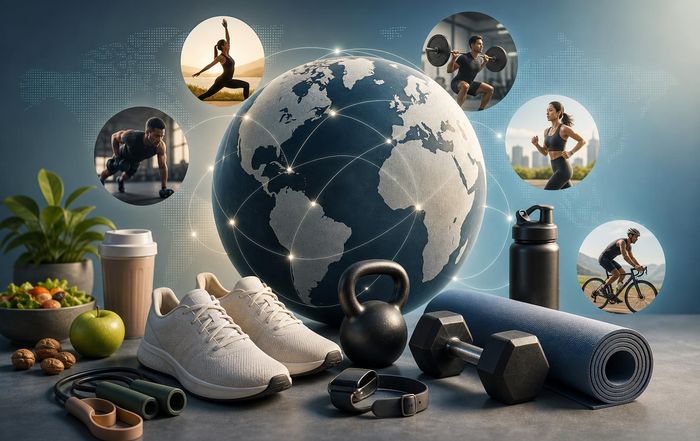
Global Fitness Preferences Shaping Consumer Demand
A New Era for the Business of Movement
Well, looks like the global fitness economy has matured into a complex, data-driven ecosystem in which consumer preferences, regional culture, digital innovation, and public health imperatives intersect in ways that would have been difficult to imagine a decade earlier. What once revolved around traditional gyms and occasional sports club memberships has evolved into an always-on, multi-channel lifestyle industry that spans connected equipment, streaming platforms, corporate wellness programs, performance nutrition, mental health services, and immersive sports experiences. For an active sporty website like this-positioned at the crossroads of fitness, health, business, and lifestyle-understanding how global fitness preferences are reshaping consumer demand is no longer optional; it is central to serving readers who are simultaneously athletes, professionals, patients, and discerning customers.
This transformation is being driven by a convergence of macro forces. Demographic shifts in regions such as North America, Europe, and Asia are altering the age and income profile of fitness consumers. The long tail of the COVID-19 pandemic has left a permanent imprint on attitudes toward health, immunity, and remote exercise. Rapid advances in wearable technology, artificial intelligence, and connected devices are redefining how performance is measured and optimized. At the same time, regulatory changes and employer expectations in markets like the United States, the United Kingdom, Germany, and Singapore are pushing wellness deeper into the core of corporate strategy. Against this backdrop, global fitness preferences have become a powerful lens for understanding broader consumer behavior and the future of work, healthcare, and entertainment.
From Gym Memberships to Hybrid Fitness Ecosystems
The most visible shift in consumer demand has been the move from single-channel gym memberships to hybrid fitness ecosystems that integrate in-person, digital, and on-demand experiences. Research from organizations such as the World Health Organization shows persistent gaps in physical activity levels worldwide, yet it also reveals a growing awareness of the health and economic costs of inactivity, encouraging governments and businesses to support more diverse fitness options. Those interested in the policy dimension often look to resources from the World Health Organization for global benchmarks on physical activity and chronic disease prevention.
Consumers in the United States, Canada, Australia, and Western Europe now expect fitness offerings to be available in multiple formats: boutique studio classes, home-based connected equipment, outdoor group training, and app-based coaching that travels with them across time zones and work schedules. The rise of connected fitness brands-ranging from Peloton and Technogym to the ecosystem built around Apple Fitness+ and Garmin-has normalized the idea that workouts should be personalized, measurable, and integrated with everyday life. Companies tracking these trends frequently consult industry analyses from McKinsey & Company, where executives can learn more about evolving consumer behavior in wellness and fitness.
For FitBuzzFeed's global audience, this hybridization is particularly relevant because it mirrors the way readers consume content across sports, technology, and wellness. A consumer in London may attend a high-intensity interval training class twice a week, follow a strength program through a mobile app, and join a virtual cycling community that spans North America and Asia. In Tokyo or Seoul, professionals may choose compact, tech-enabled micro-gyms and app-based coaching to fit demanding work schedules, while in cities like São Paulo or Johannesburg, outdoor group training and community-based sports clubs remain central to both social life and physical activity.
Regional Nuances: How Culture Shapes Fitness Demand
Although the overarching shift toward hybrid and data-driven fitness is global, regional preferences remain deeply influenced by culture, climate, infrastructure, and economic conditions. In North America, the fitness market continues to prioritize convenience, personalization, and performance metrics, with strong demand for strength training, functional fitness, and sports performance programs. In the United States, the integration of fitness and healthcare has accelerated, with insurers and employers using incentives to promote activity tracking and preventive health. Business leaders tracking health and employment trends regularly reference labor market analyses from the U.S. Bureau of Labor Statistics, where they can explore data on fitness and wellness occupations.
In Europe, especially in Germany, the Netherlands, the Nordic countries, and Switzerland, there is a strong emphasis on outdoor activity, endurance sports, cycling culture, and sustainable gym operations. Cities such as Copenhagen and Amsterdam have long prioritized active transport, and this has reinforced a lifestyle in which fitness is embedded in daily routines rather than confined to the gym. Companies and policymakers examining sustainable urban planning often turn to the European Commission to learn more about active mobility and green cities.
In Asia, preferences are shaped by rapid urbanization, high population density, and a strong appetite for technology-enabled solutions. In China, digital fitness platforms and super-app ecosystems have integrated workouts with payments, social media, and e-commerce, while in South Korea and Japan, compact gyms, body composition tracking, and beauty-aligned wellness products are key differentiators. Singapore has positioned itself as a regional hub for sports medicine and high-performance training, supported by public initiatives promoting an active population. Readers interested in regional health strategies in Asia often consult the World Bank to understand how economic development and health investments intersect.
Emerging markets in Africa and South America are experiencing a different trajectory, where urban middle classes in cities like Lagos, Nairobi, Cape Town, and Santiago are driving demand for modern gyms, running communities, and team sports, while informal activity and outdoor recreation remain important for large segments of the population. In these regions, the affordability of fitness services and the availability of safe public spaces are critical determinants of participation, and global brands must adapt pricing, format, and messaging accordingly.
Technology as the Engine of Personalization and Engagement
The explosion of wearable devices, smartwatches, and connected equipment has fundamentally altered how fitness is experienced and monetized. Devices from Apple, Samsung, Garmin, Fitbit and others have turned heart rate, sleep quality, step counts, and even heart rhythm irregularities into everyday metrics, empowering consumers to self-manage aspects of their health that were once invisible. Organizations such as the Mayo Clinic have become important reference points for consumers seeking to understand the clinical significance of exercise and heart health.
Artificial intelligence and machine learning are now embedded in training apps, nutrition platforms, and recovery tools, enabling real-time adjustments to workout intensity, volume, and rest periods. In markets like the United States, the United Kingdom, Germany, and Singapore, data-savvy consumers expect their fitness technology to synchronize seamlessly with electronic health records, telemedicine platforms, and employer wellness dashboards. This integration is accelerating the convergence of fitness and healthcare, a trend closely monitored by institutions such as Harvard T.H. Chan School of Public Health, where professionals can explore research on physical activity and long-term health outcomes.
For FitBuzzFeed's readers who are early adopters of technology, this environment has created both opportunities and complexities. On one hand, they have unprecedented access to performance analytics, virtual coaching, and global communities that support training for marathons, triathlons, CrossFit competitions, and recreational sports. On the other hand, they must navigate questions about data privacy, algorithmic bias, and the reliability of fitness claims made by emerging apps and devices. Business leaders and entrepreneurs in the fitness technology space increasingly refer to guidance from the OECD when they want to learn more about responsible data governance and digital innovation.
Health, Longevity, and the Medicalization of Fitness
Another powerful driver of consumer demand is the growing alignment between fitness, preventative healthcare, and longevity. The global rise in non-communicable diseases such as diabetes, cardiovascular disease, and obesity has prompted healthcare systems, employers, and governments to view physical activity not just as recreation but as a critical component of public health strategy. Organizations including the Centers for Disease Control and Prevention in the United States provide extensive resources to help stakeholders understand the link between physical activity and chronic disease prevention.
In 2026, consumers across North America, Europe, and parts of Asia are increasingly seeking training programs that are not only performance-oriented but also medically informed. This has led to greater collaboration between fitness professionals, sports physicians, physiotherapists, and mental health practitioners. High-quality clubs and digital platforms now emphasize evidence-based programming, screening for injury risk, and integration with telehealth services. For example, sports and exercise medicine departments at institutions like Cleveland Clinic and Charité - Universitätsmedizin Berlin are frequently cited when athletes and coaches want to learn more about safe training loads and injury prevention.
FitBuzzFeed's editorial coverage reflects this shift by connecting training programs with broader wellness and nutrition insights, recognizing that readers are not interested in isolated workouts but in integrated strategies that support performance, mental resilience, and long-term health. The medicalization of fitness has also created new career paths and job categories, from health coaches and exercise physiologists embedded in primary care clinics to corporate wellness strategists who design comprehensive programs for multinational employers. Professionals exploring these opportunities often use platforms like LinkedIn to discover emerging roles in health and wellness.
The Rise of Holistic Wellness and Mental Fitness
While traditional fitness metrics such as strength, endurance, and body composition remain important, consumer preferences have expanded to include mental health, stress management, sleep quality, and overall life satisfaction. The global impact of pandemic-era isolation, economic uncertainty, and digital overload has elevated mental resilience to a central concern for individuals and employers alike. In countries like the United Kingdom, Sweden, and Denmark, there has been a notable increase in demand for workplace mental health programs and integrated wellness solutions that combine physical activity with mindfulness, coaching, and flexible work arrangements. Employers and policymakers often look to organizations like Mind in the UK to learn more about mental health support in professional environments.
This holistic perspective has reshaped consumer demand in several ways. Yoga, Pilates, breathwork, and low-impact training have grown in popularity across markets from the United States and Canada to France, Italy, and Japan, particularly among professionals managing high stress and long work hours. Digital platforms that combine guided meditation, stretching, and sleep optimization with traditional workouts are thriving, as are retreats and events that blend fitness, nutrition, and personal development. For FitBuzzFeed, this evolution underscores the importance of covering wellness not merely as an adjunct to exercise but as a core pillar of a modern, sustainable lifestyle, linking physical conditioning with emotional and cognitive health.
Sports, Community, and the Experience Economy
Global fitness preferences are also being shaped by the enduring appeal of sports and the broader experience economy. Fans and participants in football, basketball, running, cycling, tennis, and emerging disciplines like padel and e-sports are driving demand for specialized training, branded merchandise, and immersive events. Major organizations such as FIFA, the International Olympic Committee, and World Athletics continue to influence participation trends by investing in grassroots programs, high-profile competitions, and media partnerships. Those following international sports governance frequently visit the Olympics official site to learn more about global initiatives to promote sport and physical activity.
In regions like Europe and South America, football remains a primary gateway into fitness for many young people, while in North America, basketball, baseball, American football, and increasingly soccer provide similar pathways. In countries such as Australia, New Zealand, and South Africa, rugby and cricket play comparable roles, reinforcing a culture in which team sports are intertwined with identity and community. At the same time, global running events, cycling tours, triathlons, and obstacle races have become destinations in their own right, attracting participants from Asia, Europe, and the Americas who seek not only competition but also travel, networking, and storytelling opportunities.
FitBuzzFeed's coverage of events and world sports trends reflects this shift toward experiences that blend physical challenge with travel, culture, and social connection. For brands and organizers, this creates opportunities to design multi-layered offerings that combine training plans, apparel, nutrition guidance, and digital communities, while for cities and regions it reinforces the economic value of investing in sports infrastructure and active tourism.
The Business of Fitness: Brands, Jobs, and New Revenue Models
As global fitness preferences evolve, the business landscape is undergoing a corresponding transformation. Established players such as Nike, Adidas, Under Armour, Lululemon, and Decathlon are competing with a wave of digital-first brands, boutique studios, and direct-to-consumer equipment manufacturers. These companies are not only selling products but building ecosystems that span hardware, software, apparel, content, and community. Industry observers and investors frequently consult research from Deloitte to learn more about revenue models and consumer trends in the sports and fitness sector.
The rise of subscription-based digital platforms, freemium apps, and hybrid memberships has diversified revenue streams while increasing competition for consumer attention and wallet share. In markets such as the United States, the United Kingdom, and Germany, corporate wellness contracts and health insurer partnerships have become important growth channels, particularly for companies that can demonstrate measurable improvements in employee health, productivity, and retention. Start-ups and established players alike are experimenting with performance-based pricing, tiered access, and employer-sponsored benefits to capture this demand.
For workers, the expansion of the fitness and wellness economy has created a wide spectrum of roles, from personal trainers and sports coaches to data scientists, content creators, and product managers in fitness technology firms. Readers exploring career transitions into this space often turn to FitBuzzFeed's jobs coverage, which situates fitness careers within broader labor market trends. They also seek insights on how to build personal brands, monetize expertise, and collaborate with global companies that are increasingly looking for authentic, credible voices to connect with niche communities.
Nutrition, Recovery, and the Science-Backed Consumer
Fitness preferences are increasingly intertwined with sophisticated views on nutrition, supplementation, and recovery. Consumers in markets such as the United States, Canada, the United Kingdom, Germany, and the Nordic countries are demanding products that are not only effective but transparent, ethically sourced, and aligned with personal values such as sustainability and animal welfare. Organizations like the Food and Agriculture Organization of the United Nations offer data and analysis that help stakeholders learn more about global nutrition and food systems.
Protein powders, functional beverages, electrolyte solutions, and performance snacks are now evaluated through the lens of ingredient quality, environmental impact, and scientific backing. Recovery tools such as compression garments, percussive therapy devices, cryotherapy, and sleep optimization technologies have moved from elite sports into mainstream consumer markets, especially in affluent regions of North America, Europe, and Asia. Consumers are also increasingly aware of the role of gut health, micronutrients, and hormonal balance in performance and longevity, leading to a surge in interest in personalized nutrition and at-home testing.
FitBuzzFeed's nutrition and wellness sections respond to this demand by contextualizing product trends within credible science and real-world practice, emphasizing evidence-based guidance over hype. This focus on expertise and trustworthiness is critical in a marketplace where misinformation can spread quickly and where the line between marketing and health advice is often blurred.
Trust, Regulation, and the Need for Credible Guidance
As the fitness industry becomes more complex and global, the importance of trust, regulation, and credible information grows. Consumers in countries such as the United States, the United Kingdom, and members of the European Union are paying closer attention to professional certifications, data privacy practices, and the scientific basis of health claims. Regulatory bodies and professional associations, including the American College of Sports Medicine and UK Active, play a central role in defining standards, while governmental health agencies provide guidance on safe practice and consumer protection. Business leaders and policy makers frequently rely on resources from the World Economic Forum to learn more about the intersection of health, technology, and global governance.
For a global audience that spans athletes, executives, entrepreneurs, and health-conscious families, platforms like FitBuzzFeed must balance timely coverage of trends with rigorous editorial standards. This means scrutinizing new products, apps, and training methods, highlighting both opportunities and risks, and giving voice to experts across sports science, medicine, psychology, and business. It also means recognizing regional regulatory differences, such as the European Union's data protection framework, North America's fragmented healthcare landscape, and varying levels of consumer protection in emerging markets.
The Future of Global Fitness Demand?
We’re grateful for every visit, share, and subscription. Your support helps us keep creating positive, original, and carefully researched long-form content.
It is clear that global fitness preferences are not a passing fad but a structural driver of consumer behavior and business strategy. In the coming years, several trajectories seem likely to define the next phase of growth. First, the integration of fitness with healthcare and insurance will deepen, particularly in North America, Europe, and advanced Asian economies, as evidence mounts that sustained physical activity can reduce healthcare costs and improve productivity. Second, the application of artificial intelligence, biometrics, and genomics will push personalization to new levels, raising both opportunities for tailored interventions and questions about equity and access. Third, climate change and sustainability concerns will force gyms, events, apparel brands, and equipment manufacturers to rethink operations, materials, and travel-intensive models, especially in regions already experiencing extreme weather.
For FitBuzzFeed, these changes reinforce the importance of covering fitness not as an isolated niche but as a central thread connecting news, business, brands, technology, and everyday lifestyle. The platform's daily role is to help readers in the United States, the United Kingdom, Germany, Canada, Australia, France, Italy, Spain, and beyond navigate a world in which movement, health, work, and identity are increasingly intertwined.
In this landscape, organizations and individuals that prioritize experience, expertise, authoritativeness, and trustworthiness will be best positioned to thrive. Whether designing corporate wellness strategies, launching new fitness technologies, building global sports brands, or simply making informed personal choices about training and health, the stakeholders who understand how global fitness preferences shape consumer demand will hold a decisive advantage in the decade ahead.