

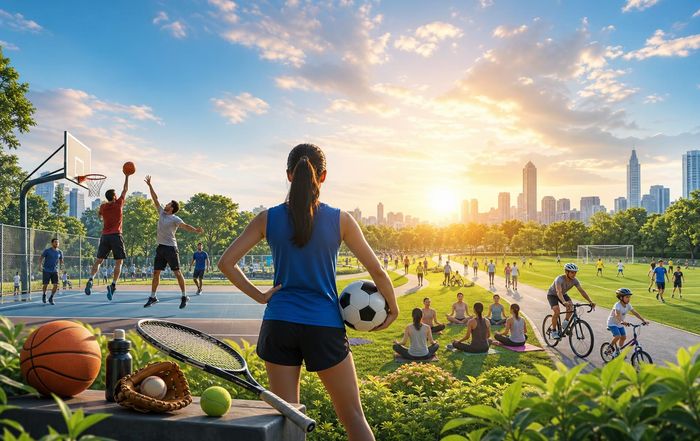
Sports Participation Benefits for Modern Communities
The Strategic Value of Sport in a Fragmented World
As communities across North America, Europe, Asia, Africa and South America navigate economic uncertainty, political polarization and rapid technological change, the role of sport has shifted from a leisure activity to a strategic asset for public health, social cohesion and economic resilience. For the active audience here, from fitness enthusiasts in the United States and the United Kingdom to wellness, focused professionals in Germany, Singapore, South Africa and Brazil-the question is no longer whether sports participation matters, but how deliberately it can be leveraged to strengthen modern communities and create measurable value.
Government agencies, health systems and leading organizations such as the World Health Organization increasingly frame sport as a core pillar of population health and sustainable development, emphasizing that regular participation in structured and unstructured physical activity can reduce the burden of chronic disease, improve mental wellbeing and foster social inclusion across age, gender and income groups. Fit fans exploring the broader health context on FitBuzzFeed Health can see how this perspective aligns with emerging research and policy trends shaping public health priorities.
At the same time, businesses from Nike and Adidas to regional sports-tech start-ups in Canada, Australia, Japan and the Netherlands are investing in digital platforms, connected equipment and data-driven coaching solutions that make it easier than ever for individuals and communities to organize, track and sustain sports participation. This convergence of health policy, commercial innovation and community engagement is redefining the social and economic value of sport, making it a critical lens through which to understand the future of work, urban design and lifestyle patterns worldwide.
Physical Health: A Community-Level Preventive Medicine Strategy
The physical health benefits of sports participation are widely recognized, yet their implications at community scale are often underappreciated by policymakers and business leaders. When participation levels rise across neighborhoods, cities and regions, the aggregate effect on healthcare costs, workforce productivity and quality of life can be profound, particularly in countries grappling with aging populations such as Japan, Italy, Germany and South Korea, as well as rapidly urbanizing societies in Asia and Africa.
Contemporary guidelines from organizations like the Centers for Disease Control and Prevention emphasize that regular moderate to vigorous physical activity reduces the risk of cardiovascular disease, type 2 diabetes, certain cancers and premature mortality. What distinguishes sports participation from more solitary forms of exercise is the combination of intensity, consistency and social accountability that team-based and community sports often provide, which can be especially powerful in sustaining behavior change over time. Readers interested in structured training frameworks that complement sports can explore FitBuzzFeed Training for deeper insights into programming and progression.
In countries such as the United States, Canada and the United Kingdom, where sedentary lifestyles and screen-based work dominate, community sports leagues, workplace teams and recreational clubs function as a form of distributed preventive medicine. Municipalities that invest in accessible sports infrastructure-from multi-use fields in suburban Australia to indoor courts in dense urban districts of Singapore and Hong Kong-see long-term returns in reduced healthcare expenditure and improved population health metrics. Urban planners and public health leaders increasingly collaborate to integrate sport into city design, drawing on frameworks promoted by organizations like UN-Habitat, which highlight the role of active public spaces in building healthier, more inclusive cities.
The benefits extend across the lifespan. Youth participation in sports is strongly associated with better motor development, healthier body composition and reduced risk of obesity, while adults who maintain regular involvement in recreational leagues or community clubs sustain cardiovascular fitness and musculoskeletal strength that can delay or mitigate age-related decline. For older adults in countries such as Sweden, Norway, Denmark and Finland, appropriately designed sports programs-ranging from walking football to low-impact court games-support balance, mobility and independence, reducing fall risk and associated healthcare burdens. This lifespan perspective aligns with the holistic physical focus that FitBuzzFeed highlights on FitBuzzFeed Physical, where movement is framed as a lifelong asset rather than a short-term objective.
Mental Health, Resilience and Emotional Wellbeing
Beyond physical outcomes, modern communities increasingly rely on sports participation as a tool for mental health promotion and emotional resilience, particularly as anxiety, depression and burnout rise among working-age adults and students worldwide. The psychological benefits of regular sport are multifaceted: they encompass neurochemical effects such as increased endorphin and serotonin levels, cognitive benefits including improved focus and executive function, and social-emotional gains derived from belonging, shared purpose and achievement.
Research synthesized by organizations such as Mental Health America and the National Health Service in the United Kingdom underscores that regular physical activity can reduce symptoms of mild to moderate depression and anxiety, often with efficacy comparable to first-line pharmacological interventions for some individuals. However, sports participation offers an additional layer of protective factors: the structure of training cycles, the feedback from coaches and peers, and the visible progression of skills and performance can reinforce self-efficacy, build confidence and create positive identity anchors for youth and adults alike. Those exploring mental resilience and lifestyle design on FitBuzzFeed Wellness will recognize these themes as central to sustainable performance in both personal and professional domains.
In high-pressure environments such as financial centers in London, New York, Frankfurt, Singapore and Tokyo, corporate wellness programs increasingly integrate sports-based initiatives-from company running clubs to inter-firm football or basketball leagues-recognizing that shared physical challenges can alleviate stress, strengthen social connections and reduce absenteeism. Organizations that once viewed wellness as a peripheral benefit now track sports participation as a leading indicator of engagement and retention, drawing on evidence from institutions such as the American Psychological Association, which highlights the link between physical activity, stress regulation and cognitive performance.
For adolescents and young adults navigating academic competition and digital overload in countries like South Korea, China and Thailand, school and community sports programs provide a critical counterbalance. By offering structured time away from screens, opportunities for peer connection and channels for positive risk-taking, sports can reduce the appeal of harmful coping mechanisms and foster a healthier relationship with achievement and failure. For communities recovering from conflict, disaster or social unrest in regions across Africa, South America and parts of Europe, sport-based programs supported by organizations such as UNICEF and the International Olympic Committee have demonstrated potential to support trauma recovery, rebuild trust and create safe spaces for dialogue and cooperation.
Social Cohesion, Inclusion and Community Identity
One of the most powerful yet often underestimated benefits of sports participation lies in its capacity to weave social fabric, bridge divides and cultivate a sense of belonging that transcends demographic, cultural and economic differences. In cities as diverse as Toronto, London, Johannesburg and São Paulo, community sports act as a common language that unites residents from different backgrounds, creating networks of trust and mutual support that extend far beyond the playing field.
Sociologists and community development practitioners point to the way local leagues, clubs and informal pick-up games generate "social capital," the web of relationships and shared norms that enable cooperation and collective problem-solving. Organizations such as the Brookings Institution have documented how well-designed sports programs can strengthen civic engagement and support integration of migrants and refugees, particularly in European countries such as Germany, Sweden, Italy and Spain, where communities are adapting to demographic shifts and new patterns of mobility. Within the FitBuzzFeed World section at FitBuzzFeed World, readers can observe how these dynamics play out in different regional contexts, from grassroots football projects in Africa to inclusive sports initiatives in the Middle East and Asia.
Sports participation can also help address gender inequality and empower underrepresented groups. In parts of South Asia, the Middle East and Africa, community organizations supported by global partners like UN Women use sports as an entry point to challenge restrictive norms, build leadership skills among girls and women, and create safe, supportive spaces for physical expression and personal growth. In North America, Europe and Oceania, the rapid growth of women's professional leagues in football, cricket, rugby and basketball has created new role models and pathways, encouraging girls from early childhood through adolescence to remain engaged in sport rather than dropping out due to social pressure or lack of opportunity.
Inclusive design is critical to realizing these social benefits. Communities that ensure sports facilities are accessible to people with disabilities, that provide subsidized or free programs for low-income families, and that create culturally sensitive environments for participation-such as women-only swimming hours or multilingual coaching-are better positioned to build cohesive, resilient neighborhoods. Organizations like the International Paralympic Committee and Special Olympics have demonstrated how adaptive sports can transform perceptions of disability and foster more inclusive communities, while local governments and clubs draw on these models to expand their own programs.
Sports also play a symbolic role in community identity and pride. Local clubs in smaller towns across France, the Netherlands, New Zealand or South Africa often serve as key social hubs, hosting events, fundraisers and celebrations that reinforce a shared sense of place. Major events-whether a regional marathon, a national championship or an international tournament-can galvanize volunteers, local businesses and residents, leaving legacies in infrastructure, skills and community confidence. Readers interested in how events shape local ecosystems can explore FitBuzzFeed Events, where the interplay between sport, culture and community development is increasingly prominent.
Economic Impact, Jobs and the Emerging Sports Ecosystem
From a business perspective, sports participation is a growth engine that extends far beyond elite professional leagues and major broadcast rights. The expanding ecosystem now includes local clubs, coaching services, sports tourism, apparel and equipment manufacturers, digital fitness platforms, data analytics providers and health-oriented brands, all of which contribute to job creation and economic diversification in communities worldwide.
Global analyses by organizations like the World Economic Forum and OECD highlight that the broader sports industry, including participation-based segments, accounts for a significant share of GDP and employment in many countries. In the United States, for example, community sports programs support thousands of small businesses-from independent gyms and training centers to specialized physiotherapy and sports nutrition services-while in Europe, national sports federations and municipal authorities collaborate to create sustainable funding models that support both grassroots participation and elite development. For readers tracking the commercial and policy dimensions, FitBuzzFeed Business provides ongoing coverage of how sports intersect with investment, regulation and innovation.
The rise of sports tourism, including destination marathons, cycling tours, trail races and amateur tournaments, has created new revenue streams for cities and rural regions across countries such as Spain, Italy, Thailand, Brazil and New Zealand. Local hotels, restaurants, transportation services and retail outlets benefit from event-driven influxes of visitors, while host communities gain international visibility and opportunities for long-term partnerships. Organizations like the World Tourism Organization have noted the growing importance of active and wellness tourism, particularly among younger travelers and high-income professionals seeking experiences that combine physical challenge, cultural immersion and environmental responsibility.
At the same time, the digital transformation of sport is reshaping the labor market and skill requirements within the sector. Data scientists, software engineers, sports psychologists, performance analysts and content creators now work alongside traditional roles such as coaches, referees and facility managers, reflecting the convergence of sport, technology and media. Companies like Strava, Garmin and Whoop exemplify how connected devices and platforms create new business models around subscription services, data insights and community engagement, while also raising important questions about data privacy and equity of access. Readers interested in the technological frontier can explore FitBuzzFeed Technology to understand how wearables, AI coaching and virtual communities are reshaping participation patterns across continents.
For individuals considering careers in this evolving ecosystem-from coaching and sports management to health tech and brand partnerships-sports participation experience remains a valuable asset. Employers increasingly recognize the transferable skills developed through sustained involvement in sport, including teamwork, leadership, resilience and strategic thinking. Platforms covering employment trends, such as LinkedIn and national labor agencies, consistently highlight the demand for professionals who can bridge technical expertise with human-centered understanding of motivation, performance and wellbeing. The Jobs section at FitBuzzFeed Jobs reflects this shift, featuring roles where a strong grounding in sport and wellness is an advantage in industries ranging from corporate wellness to digital product design.
Nutrition, Lifestyle and the Culture of Performance
Sports participation also acts as a powerful catalyst for healthier lifestyle choices, particularly in the domains of nutrition, sleep and substance use. Athletes at all levels-from youth players in school leagues to older adults in community walking clubs-often become more attuned to the relationship between what they consume, how they recover and how they perform, leading to more informed decisions that benefit both individual health and community norms.
Evidence summarized by institutions such as the Harvard T.H. Chan School of Public Health and Mayo Clinic indicates that individuals engaged in regular sports are more likely to adopt balanced dietary patterns, maintain healthier body weight and limit harmful behaviors such as smoking or excessive alcohol consumption. While correlation does not imply causation in every case, the culture surrounding sport frequently reinforces messages about hydration, nutrient timing, whole foods and long-term wellbeing, which can diffuse through families, peer groups and workplaces. People seeking practical guidance on fueling performance and recovery can explore FitBuzzFeed Nutrition, where sports-oriented dietary strategies are contextualized for everyday life.
In many communities, especially in Europe, Australia and North America, clubs and leagues serve as informal education hubs, where coaches, trainers and health professionals provide guidance on topics such as injury prevention, sleep hygiene and stress management. Organizations like the American College of Sports Medicine and the International Society of Sports Nutrition provide frameworks and standards that shape these conversations, ensuring that advice is grounded in evidence rather than trends or misinformation. As wellness culture expands in urban centers from Berlin and Amsterdam to Seoul and Singapore, sport-centric lifestyles increasingly merge with broader interest in mindfulness, plant-forward diets and sustainable consumption, feeding into the content and conversations featured on FitBuzzFeed Lifestyle.
This cultural shift has implications for brands and businesses operating in the health, food and beverage sectors. Companies that align their products with authentic sports participation-offering transparent ingredient lists, science-backed claims and responsible marketing-are better positioned to earn consumer trust, especially among younger demographics in markets like the United States, Canada, France and Japan. Independent evaluations by organizations such as Consumer Reports and regulatory oversight by bodies like the European Food Safety Authority play a crucial role in maintaining standards and protecting consumers, reinforcing the broader ecosystem of trust that underpins both sports participation and health-oriented commerce. Within FitBuzzFeed Brands, these dynamics are increasingly central to how products and partnerships are assessed.
Technology, Data and the Future of Connected Communities
Looking ahead, the integration of technology into sports participation is reshaping how communities organize, measure and experience physical activity. From AI-powered coaching apps and virtual reality training environments to community platforms that match players, schedule games and track performance, the digital layer has become inseparable from the physical practice of sport, particularly in technologically advanced regions such as the United States, South Korea, Japan, Singapore and the Nordic countries.
Organizations like MIT Media Lab and Stanford University are at the forefront of exploring how sensors, machine learning and human-computer interaction can enhance training efficiency, reduce injury risk and personalize feedback. At the community level, these innovations enable local clubs and recreational athletes to access insights that were once reserved for elite professionals, democratizing expertise and raising the baseline of performance and safety. For active folks following these developments, FitBuzzFeed Fitness regularly examines how emerging tools translate into practical benefits for everyday participants in sports and training.
However, the expansion of data-driven sport also raises critical questions about equity, privacy and digital inclusion. Communities with limited access to high-speed internet, affordable devices or digital literacy-whether in parts of Africa, rural South America or lower-income neighborhoods in major Western cities-risk being left behind if participation becomes overly dependent on technology. Policymakers, NGOs and industry leaders must therefore balance innovation with accessibility, drawing on guidance from organizations like the World Bank and UNESCO, which emphasize the importance of inclusive digital infrastructure in sustainable development.
At the same time, data governance and ethical use of performance metrics are emerging concerns. As more platforms collect sensitive health and location data, clear standards and regulations are needed to protect individuals and communities from misuse, discrimination or commercial exploitation. Frameworks such as the General Data Protection Regulation in Europe and evolving privacy laws in countries like Brazil, Canada and South Africa provide partial safeguards, but the sports sector must develop its own best practices, ensuring that the trust central to team dynamics and coaching relationships extends to digital environments as well.
Despite these challenges, the potential for technology to enhance community sports participation remains substantial. Hybrid models that combine in-person play with virtual challenges, remote coaching and global leaderboards can connect athletes across continents, fostering a sense of belonging that transcends geography. For the happy fit readership, spanning time zones from New York to London, Dubai to Bangkok, Sydney to Cape Town, this convergence of local play and global connection reflects a broader shift in how communities are formed and sustained in the digital age.
Building Trustworthy, High-Impact Sports Ecosystems
Across all these dimensions-physical health, mental wellbeing, social cohesion, economic development, lifestyle transformation and technological innovation-the benefits of sports participation for modern communities depend fundamentally on trust and quality. Programs must be safe, inclusive and evidence-based; facilities must be well-maintained and accessible; coaches and organizers must be trained, accountable and aligned with ethical standards; and information must be accurate, transparent and free from hidden agendas.
Organizations such as the World Health Organization, the International Olympic Committee, national sports federations and independent research institutions play a critical role in setting guidelines, monitoring outcomes and promoting best practices. Yet the responsibility for building trustworthy sports ecosystems is distributed across many actors: municipal governments that invest in multi-use facilities; schools that prioritize physical education; businesses that support employee participation; media platforms like FitBuzzFeed that curate reliable information and highlight role models; and individuals who choose to engage, volunteer and advocate within their own communities.
For modern communities-from major metropolitan regions in the United States, United Kingdom and Germany to rapidly growing cities in India, Nigeria and Indonesia, and smaller towns in New Zealand, Norway or Chile-the strategic question is how to move from sporadic, individual participation to sustained, inclusive, community-wide engagement in sport. This requires intentional design: cross-sector partnerships, data-informed planning, culturally responsive programming and long-term investment in both people and infrastructure.
As the news and research team continues to cover fitness events across sports, news, business, wellness and the broader global landscape, one theme remains constant: communities that prioritize sports participation are not merely producing fitter individuals or more entertaining competitions; they are building healthier, more resilient, more connected societies that are better equipped to face the economic, social and environmental challenges of the coming decades. In 2026 and onwards, the decision to invest in sport is, in effect, a decision to invest in the shared future of modern communities worldwide.