

What Are Some Key Nutrition Habits for Better Hydration and Recovery?
Why Hydration and Recovery Now Define Modern Performance
Hydration and recovery have moved from being niche concerns of elite athletes to central pillars of everyday performance, well-being and long-term health, and for the nicely hyperactive community that turns to FitBuzzFeed for insight on sports, fitness, lifestyle and business, the conversation has become far more sophisticated than simply "drink eight glasses of water a day." Across the United States, Europe, Asia-Pacific and emerging markets in Africa and South America, professionals, recreational athletes and wellness-focused consumers are increasingly aware that the way they eat, drink and recover has measurable consequences not only for their physical output but also for their cognitive performance, emotional resilience and career longevity. As hybrid work models, longer life expectancy and the booming wellness economy converge, hydration and recovery nutrition now sit at the intersection of personal health, corporate productivity and high-performance sport, shaping how individuals train, compete and work.
In this context, FitBuzzFeed has positioned itself as a cross-disciplinary platform where readers interested in health, fitness, sports, nutrition and wellness can understand how evidence-based habits translate into real-world benefits, whether they are marathon runners in Berlin, software engineers in Singapore or executives in New York navigating demanding travel schedules. The shift from generic advice to targeted, data-informed strategies is driven by advances in sports science, wearable technology and global research initiatives, many of which are accessible through open resources such as the World Health Organization and the U.S. National Institutes of Health, allowing motivated individuals and organizations to align their hydration and recovery practices with the latest evidence rather than outdated rules of thumb.
The Science of Hydration: Beyond "Drink More Water"
Modern hydration science emphasizes that fluid balance is a dynamic, individualized process influenced by body size, sweat rate, climate, activity level and even cultural and workplace norms, and research summarized by The European Food Safety Authority and the European Hydration Institute underscores that mild dehydration can impair cognitive functions such as attention, working memory and decision-making, which has direct implications for both athletes and knowledge workers who must sustain focus for extended periods. In high-performance sport, organizations like World Athletics now routinely integrate hydration strategies into competition protocols, while in the corporate world, forward-looking employers in regions from North America to Scandinavia are beginning to treat hydration as a component of occupational health, recognizing that even a 1-2% loss in body mass from fluid deficit can reduce mental performance and increase fatigue.
From a nutritional standpoint, hydration is not only about water intake but also about the balance of electrolytes, particularly sodium, potassium, magnesium and calcium, which regulate fluid distribution, nerve conduction and muscle contraction; resources such as the Academy of Nutrition and Dietetics provide accessible overviews of how these minerals interact with fluid intake and why simply consuming large volumes of plain water can, in some circumstances, dilute plasma sodium and contribute to hyponatremia in endurance events. For FitBuzzFeed readers who follow training programs or participate in intense sports, understanding this nuance is critical, because the hydration needs of a casual office worker in London differ markedly from those of a cyclist in Melbourne or a CrossFit enthusiast in São Paulo training in humid conditions.
Electrolytes, Minerals and the Role of Smart Supplementation
As consumer awareness has grown, the global market for electrolyte beverages, powders and functional waters has expanded rapidly, with major brands and emerging startups alike competing for shelf space and digital visibility, yet not all products are created equal, and evidence-based guidance remains essential for avoiding both under- and over-supplementation. Institutions like the Mayo Clinic and Cleveland Clinic have highlighted that while most individuals can meet their mineral needs through balanced diets rich in fruits, vegetables, whole grains and dairy or fortified alternatives, specific populations such as endurance athletes, outdoor workers and individuals in hot climates may benefit from targeted electrolyte strategies, particularly during prolonged exercise or heat waves.
In 2026, data from wearables and sweat-testing services, championed by companies like WHOOP, Oura and specialized sports labs affiliated with universities in the United States, the United Kingdom and Germany, allow serious athletes and teams to quantify sweat composition and tailor electrolyte intake accordingly. Learn more about the physiology of sweat and mineral loss through resources provided by Sports Science Exchange. For the broader FitBuzzFeed audience, the key message is that electrolyte needs should be matched to actual sweat loss, training duration and dietary patterns rather than marketing claims, and that consulting qualified sports dietitians or physicians remains the gold standard when designing high-intensity hydration strategies.
Everyday Nutrition Habits That Support Hydration
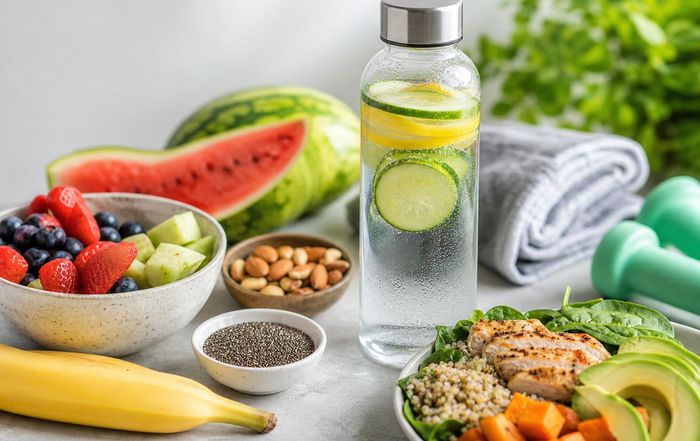
While advanced tools and specialized products attract attention, the foundation of effective hydration is built through daily nutrition habits that most people can implement regardless of geography or budget, and this is where FitBuzzFeed's global readership-from Canada and France to South Africa and Japan-can benefit from integrating practical, culturally adaptable routines. High-water-content foods such as cucumbers, tomatoes, oranges, berries, melons and leafy greens contribute significantly to total fluid intake, and research from the Harvard T.H. Chan School of Public Health notes that these foods also deliver vitamins, antioxidants and fiber, which support metabolic health and recovery processes. Combining these foods with sources of lean protein and complex carbohydrates creates meals that not only hydrate but also stabilize blood sugar and energy levels, an important factor for sustaining performance throughout the workday and during evening workouts.
For readers exploring broader lifestyle changes on FitBuzzFeed, pages such as lifestyle and physical provide context on how structured routines around meals, movement and sleep can reinforce hydration habits; for example, starting the day with a glass of water alongside a breakfast that includes yogurt, fruit and whole grains sets a tone of mindful intake that can reduce reliance on sugary beverages later in the day. Public health organizations, including the Centers for Disease Control and Prevention, continue to advise limiting consumption of sugar-sweetened drinks, which can contribute to weight gain and metabolic disorders, and instead encourage water, unsweetened tea and, when appropriate, low-fat milk or fortified plant beverages as primary hydration sources, with coffee and moderate caffeine intake integrated thoughtfully, especially for those sensitive to diuretic effects.
Recovery Nutrition: Rebuilding, Adapting and Protecting the Body
Recovery is no longer seen as passive rest but as an active, strategically nourished phase in which the body repairs tissues, replenishes energy stores and adapts to training stimuli, and this paradigm is deeply embedded in the editorial direction of FitBuzzFeed's fitness and training coverage. Leading institutions such as the American College of Sports Medicine and the International Olympic Committee emphasize that optimal recovery nutrition focuses on three key pillars: adequate protein to support muscle repair and remodeling, carbohydrates to restore glycogen and support subsequent training sessions, and fluids and electrolytes to normalize hydration status. This triad applies not only to Olympic-level competitors in South Korea or Italy but also to recreational runners in the Netherlands and busy professionals in Singapore who train before or after long workdays.
Protein quality and distribution across the day matter; evidence synthesized in journals accessible via PubMed suggests that consuming 20-40 grams of high-quality protein within a few hours after training, and repeating similar doses every three to four hours, can maximize muscle protein synthesis in many adults, with adjustments for older individuals who may require slightly higher doses due to anabolic resistance. Carbohydrate intake should be tailored to training volume and intensity, with endurance athletes in sports like cycling, football and long-distance running typically requiring more aggressive replenishment strategies than individuals engaged in moderate strength or mixed-modal training. Fluids and electrolytes complete the picture by restoring plasma volume, supporting circulation and enabling effective nutrient delivery to recovering tissues.
Hydration, Recovery and Cognitive Performance in the Modern Workplace
In a world where knowledge work, remote collaboration and digital overload define the daily experience of millions across the United States, Europe, Asia and beyond, hydration and recovery nutrition are increasingly recognized as levers for cognitive performance and emotional stability, not just physical output. Research collated by organizations such as the American Psychological Association and the Sleep Foundation indicates that insufficient hydration and poor post-exercise recovery can exacerbate stress, reduce sleep quality and impair executive functions such as planning and impulse control, which are critical for leaders and professionals working in demanding sectors like finance, technology and healthcare. For FitBuzzFeed readers who follow business and jobs content, this connection between physiology and performance reinforces the argument that hydration and recovery are not optional wellness trends but essential components of sustainable success.
Forward-thinking companies in regions from Scandinavia to Australia are beginning to integrate hydration and recovery education into workplace wellness programs, sometimes partnering with sports scientists and dietitians to design initiatives that encourage regular fluid intake, nutrient-dense meals and movement breaks throughout the day, as well as policies that respect recovery time after intensive travel or long shifts. Learn more about sustainable business practices and their relationship to employee health through resources provided by the World Economic Forum. For individuals, simple but consistent habits-such as keeping water visible at the desk, scheduling brief walking meetings, consuming balanced lunches instead of skipping meals and ensuring adequate protein and complex carbohydrates after evening workouts-can compound over time into noticeable improvements in focus, mood and resilience.
Global Trends: Cultural, Climatic and Regional Differences
Because FitBuzzFeed serves a global audience spanning North America, Europe, Asia, Africa and South America, it is important to recognize that hydration and recovery practices are influenced by climate, cultural norms, food availability and regulatory frameworks, and that best practices must be adapted rather than copied wholesale from one region to another. In hot and humid countries such as Thailand, Malaysia and Brazil, the risk of heat stress during outdoor activities is higher, and public health agencies, including the World Meteorological Organization, increasingly issue heat-related advisories that emphasize fluid intake, electrolyte management and activity modification during peak temperature periods. In contrast, colder climates in Scandinavia, Canada and parts of Japan may create a false sense of security, as individuals often underestimate sweat loss and fluid needs when temperatures are low but training intensity is high, particularly in winter sports and indoor heated environments.
Dietary patterns also shape hydration and recovery options; Mediterranean countries like Italy and Spain benefit from culinary traditions rich in fruits, vegetables, olive oil and seafood, which naturally support hydration and anti-inflammatory recovery, while some regions rely more heavily on processed foods and sugary beverages, creating additional challenges. Learn more about global nutrition patterns through resources from the Food and Agriculture Organization of the United Nations. For FitBuzzFeed readers navigating travel, relocation or international careers, understanding these regional nuances can help them make smarter choices in airports, hotels, corporate cafeterias and local restaurants, ensuring that hydration and recovery remain consistent even when environments change.
Technology, Data and Personalized Hydration Strategies
The rise of wearable technology, smart bottles, AI-driven coaching apps and connected health platforms has transformed how individuals monitor and manage their hydration and recovery, and this technological evolution aligns closely with FitBuzzFeed's coverage in technology and world sections. Devices from companies such as Apple, Garmin, Polar and Samsung now integrate metrics like heart rate variability, sleep stages, skin temperature and, in some cases, estimated sweat loss or dehydration risk, providing users with personalized prompts to drink, rest or adjust training intensity. Learn more about the science behind these metrics through resources from the National Library of Medicine.
At the same time, the proliferation of data brings questions of accuracy, privacy and interpretation; not all algorithms are transparent, and not all users have access to qualified professionals who can help them translate metrics into meaningful behavior change. For this reason, leading sports institutes in countries such as the United Kingdom, Australia and Singapore emphasize combining technology with expert guidance rather than relying solely on automated recommendations. On FitBuzzFeed, this intersection of tech and human expertise is reflected in coverage that highlights both the potential and the limitations of digital tools, encouraging readers to view data as a starting point for informed decisions rather than an unquestionable authority.
Integrating Hydration and Recovery into Lifestyle, Sport and Brand Choices
Hydration and recovery habits are deeply intertwined with broader lifestyle decisions, from the sports people choose to play to the brands they trust and the events they attend, and this holistic perspective is central to FitBuzzFeed's mission as a platform that spans sports, events, brands and wellness. Consumers in markets like the United States, United Kingdom and Germany increasingly scrutinize the claims of beverage and supplement companies, seeking transparency around ingredients, sourcing, sugar content and environmental impact, and organizations such as Consumer Reports and government agencies like the U.S. Food and Drug Administration provide guidance on how to evaluate labels and marketing language.
Major sports events, from marathons in Boston and Berlin to football tournaments in Qatar and the United States, now incorporate hydration and recovery zones with water refill stations, electrolyte options and medical oversight, reflecting a growing recognition that athlete and spectator safety is inseparable from fluid and nutrient management. At the same time, boutique fitness studios, wellness retreats and corporate offsites in regions such as Switzerland, Singapore and New Zealand are designing experiences that integrate structured hydration protocols, balanced meals and guided recovery sessions including stretching, breathwork and sleep optimization, demonstrating how commercial offerings can align with evidence-based best practices. For FitBuzzFeed readers, these developments underscore the importance of choosing environments and brands that respect and support their physiological needs rather than undermining them with gimmicks or neglect.
Building a Personal Hydration and Recovery Blueprint
Ultimately, effective hydration and recovery nutrition come down to building a personal blueprint that aligns with individual goals, body composition, health status, cultural context and daily demands, and this is where the intersection of education, experimentation and professional guidance becomes crucial. Reputable organizations such as the British Dietetic Association and Dietitians of Canada encourage individuals to start with foundational principles-regular fluid intake throughout the day, balanced meals with adequate protein and complex carbohydrates, attention to signs of thirst and fatigue-and then refine their approach based on training logs, performance outcomes and, when available, biomarker data. For athletes and high performers, especially those competing in demanding climates or schedules, collaboration with sports dietitians, physicians and strength and conditioning coaches can elevate this blueprint from a set of habits to a cohesive performance system.
Within the FitBuzzFeed ecosystem, readers can connect these principles to broader themes by exploring sections such as wellness, health and fitness, drawing inspiration from stories that show how people around the world-from amateur triathletes in Australia to entrepreneurs in South Korea-integrate hydration and recovery into lives that are already busy and complex. Learn more about long-term health and chronic disease prevention through resources from the World Heart Federation, which emphasizes how consistent lifestyle habits, including hydration and nutrition, protect cardiovascular health over decades, not just during isolated training cycles.
The Huge Advantage of Getting Hydration and Recovery Right!
Ok so the competitive edge in sport, business and life increasingly belongs to those who can manage their energy, focus and resilience over the long term, and hydration and recovery nutrition are central to that capability. For the fast changing, and pretty engaging community visiting us at FitBuzzFeed, which goes over continents, industries and performance levels, the message is clear: investing in these foundational habits is not a luxury or a passing trend but a strategic decision that compounds over time, influencing everything from daily mood and productivity to injury risk, career longevity and healthy aging. Organizations that recognize this reality and support their employees, athletes and communities with education, infrastructure and evidence-based products will likely see returns in engagement, performance and reputation, while individuals who take ownership of their hydration and recovery will be better equipped to navigate the physical and cognitive demands of modern life.
By connecting rigorous scientific insight from institutions like the World Health Organization, NIH and Harvard T.H. Chan School of Public Health with practical, globally relevant guidance, FitBuzzFeed aims to serve as a independent and fresh original content partner in this journey, helping readers transform abstract knowledge into daily practices that align with their values, ambitions and cultural realities. In a world where the pace of change is relentless and the boundaries between work, sport and personal life continue to blur, those who master the art and science of hydration and recovery will not only perform better but also live with greater vitality, clarity and purpose.
Enough reading go and do some exercise and we will see you back here tomorrow!