

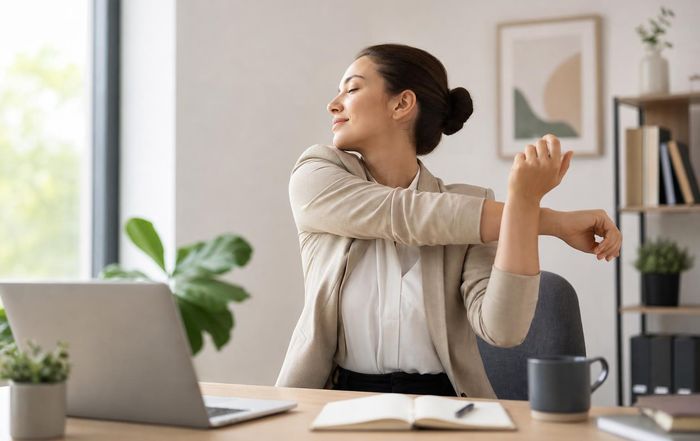
Practical Stretching Habits for Active Professionals
The New Reality of the Active Professional
The typical workday for professionals in the United States, Europe, Asia and beyond no longer fits the old stereotype of static office life. Hybrid schedules, constant travel, digital collaboration tools and an increasingly health-literate workforce have created a generation of "active professionals" who may close a deal on a video call from London, review analytics in Singapore, then train for a half-marathon in New York or Berlin later the same day. Yet despite this apparent dynamism, a silent contradiction persists: long hours of sitting, screen time and mental stress collide with ambitious fitness goals, leaving many high performers in the United States, the United Kingdom, Germany, Canada, Australia and across global business hubs dealing with tight hips, stiff backs, recurring injuries and declining energy.
For the fitness loving individuals, who already pays close attention to fitness, health, business and lifestyle, this contradiction is not theoretical; it is lived experience. Executives in Zurich, engineers in Seoul, founders in São Paulo, consultants in New York and creatives in Stockholm are discovering that strength training, running or cycling alone are not enough to sustain performance. What frequently separates resilient, long-lasting careers and athletic pursuits from burnout and chronic pain is not one more high-intensity workout, but a consistent, intelligently designed stretching habit that fits the rhythm of demanding professional lives.
Why Stretching Matters More in a Hybrid, High-Pressure Work Era
Modern knowledge work places unique demands on the musculoskeletal system. Prolonged sitting, even in ergonomically optimized environments, encourages hip flexor shortening, thoracic spine stiffness and weakened gluteal activation, all of which contribute to low back pain and inefficient movement patterns. Organizations such as the World Health Organization have repeatedly highlighted the risks of physical inactivity, emphasizing that sedentary behavior is now one of the major global health challenges; professionals can explore how inactivity impacts long-term health by visiting the WHO physical activity guidelines.
At the same time, the rising popularity of recreational endurance sports, boutique fitness studios and home-based training platforms means that many professionals in cities from New York to Tokyo and from London to Sydney are pushing their bodies hard in relatively short, intense windows of time. Without appropriate mobility work and stretching, this pattern can lead to muscle imbalances and overuse injuries. Research summarized by institutions like Harvard Medical School suggests that while stretching is not a cure-all, consistent flexibility and mobility practices can reduce the risk of certain injuries and improve functional range of motion; readers can review guidance on stretching and flexibility to understand these nuances.
For active professionals, the critical insight is that stretching is not an optional add-on reserved for elite athletes. It is a structural component of sustainable performance, akin to sleep and nutrition, that underpins the ability to deliver results at work while maintaining long-term health. On FitBuzzFeed, where coverage spans wellness, nutrition and training, stretching sits at the intersection of all three, quietly supporting everything from better posture on video calls to faster recovery after intense workouts.
Understanding the Types of Stretching Professionals Actually Need
Many professionals still associate stretching with brief, static holds before a run or a workout, yet sports science over the past decade has clarified that different types of stretching serve distinct purposes. Organizations such as Mayo Clinic provide accessible overviews of flexibility training, and professionals can learn more about stretching fundamentals to refine their approach.
Dynamic stretching involves controlled, movement-based actions that take joints through a comfortable range of motion without prolonged holds. Leg swings, arm circles, walking lunges with a twist and hip circles are examples frequently used by athletes in football, basketball and track in countries like the United States, Spain and Brazil. For active professionals, dynamic stretching is particularly well suited to pre-workout warm-ups and even pre-meeting activation sessions, because it increases blood flow, primes the nervous system and prepares the body for movement-intensive tasks such as commuting by bike or rushing through airports.
Static stretching, by contrast, involves holding a position for a period of time-often between 20 and 60 seconds-to lengthen a muscle and encourage relaxation. Static stretches for the hamstrings, hip flexors, chest and neck are especially relevant to professionals who sit for long periods or travel frequently. The current consensus among sports medicine experts, including those summarized by Cleveland Clinic, is that static stretching is most effective after activity or in dedicated mobility sessions, rather than as the primary element of a warm-up. Readers can explore expert explanations of static versus dynamic stretching to refine how they structure their routines.
A third category, mobility-focused stretching, blends elements of joint articulation, active range-of-motion work and sometimes light resistance to improve the control a person has over movement, not just the passive length of a muscle. This approach is increasingly popular among strength coaches and physiotherapists from Canada to South Korea, particularly for professionals who lift weights or engage in high-intensity interval training. High-quality resources such as Examine provide evidence-based discussions of mobility and flexibility; those interested can review research summaries on flexibility training.
For the audience of FitBuzzFeed, which tracks sports and performance trends worldwide, the implication is clear: a practical stretching habit is not a random collection of toe-touches and shoulder rolls, but a deliberate blend of dynamic, static and mobility work chosen to match the timing and demands of each day.
Designing Stretching Habits That Survive Real-World Schedules
The primary barrier to consistent stretching among active professionals is rarely lack of information; it is the perceived lack of time and mental bandwidth. Executives in New York, consultants flying between London, Frankfurt and Singapore, and product managers in San Francisco or Seoul often feel that carving out thirty additional minutes daily is unrealistic. The solution is to design stretching habits that integrate into existing routines rather than compete with them.
Habit formation research, popularized by authors and psychologists and amplified by organizations such as American Psychological Association, emphasizes the power of small, context-linked behaviors. Professionals can learn more about habit formation principles and apply them directly to stretching. For example, instead of planning an ambitious nightly 30-minute mobility session, a professional could commit to a 5-minute dynamic routine immediately after brewing morning coffee, followed by a 5-minute static sequence before bed. The consistency of these anchors-coffee and bedtime-reduces decision fatigue and increases adherence.
For people here online today, who often combine demanding careers with structured training plans, stretching can also be framed as a non-negotiable component of workouts rather than an optional extra. Integrating 5 to 10 minutes of dynamic stretching before strength or cardio sessions, and 5 to 10 minutes of static stretching afterward, has a negligible impact on schedule but a meaningful impact on recovery and long-term joint health. This approach aligns with the practical, performance-oriented mindset that drives interest in physical training and sports coverage on the platform.
Professionals who travel frequently-whether between European capitals, across Asia-Pacific hubs or throughout North America-can build "micro-habits" of stretching into transit time. Standing calf raises and ankle circles while waiting in security lines, gentle neck stretches during flights, and hip flexor stretches after long drives can offset the stiffness associated with travel. Aviation and health authorities, including the International Air Transport Association, have highlighted the importance of movement during long-haul flights; travelers can review guidance on in-flight movement and health to understand the broader context.
Core Stretching Routines for the Modern Workday
While each professional's needs vary based on their sport, job role and physical history, there are common patterns of tension and restriction observed across industries and regions. Office-based professionals in the United States, United Kingdom, Germany, Canada, Australia and across Asia frequently report tight hip flexors, hamstrings and chest muscles, as well as stiffness in the neck and upper back. These issues are not merely discomforts; they can degrade posture, reduce breathing efficiency and compromise athletic performance.
A morning activation routine can prioritize dynamic movements that counteract overnight stiffness and prepare the body for both cognitive and physical tasks. Gentle spinal rotations, cat-camel movements, shoulder circles and dynamic hip openers can be completed in under ten minutes without equipment. Health-focused organizations like NHS England offer guidance on simple exercises and stretches for office workers, which can be adapted to different environments and cultures.
Midday, particularly after long stretches of screen time, professionals can benefit from short stretch "breaks" that focus on the neck, chest and hips. A two-minute sequence of neck tilts, upper trapezius stretches and doorway chest stretches can reduce the forward-head posture and rounded shoulders that are so common in modern office setups. Guidance from ergonomics experts at institutions like OSHA in the United States highlights how micro-breaks and posture resets can reduce musculoskeletal strain; professionals can learn more about healthy computer workstation practices and integrate stretching into these recommendations.
Evening routines, especially after workouts or long workdays, are ideal for static stretching focused on recovery. Hamstring stretches, hip flexor holds, glute stretches and gentle spinal twists can be combined with deep breathing to promote relaxation and parasympathetic activation. Resources from Sleep Foundation discuss how pre-sleep stretching and relaxation can improve sleep quality, and readers can explore the relationship between stretching and better sleep.
For the global, performance-driven audience of FitBuzzFeed, these routines are not theoretical templates; they are practical blueprints that can be adjusted for time zones, cultural norms and training schedules, whether a reader is based in Tokyo, Johannesburg, São Paulo or Amsterdam.
Integrating Stretching with Strength, Cardio and Sports
Active professionals rarely approach stretching in isolation; it must coexist with strength training, cardio and sport-specific practice. For those engaged in weight training, particularly in markets like the United States, Canada, Germany and South Korea where gym culture is strong, mobility around key joints such as the hips, ankles and shoulders is critical for safe and efficient lifting. Organizations such as American College of Sports Medicine provide frameworks for integrating flexibility into comprehensive fitness plans, and professionals can learn how stretching fits within evidence-based training guidelines.
For runners, cyclists and triathletes in cities from Boston to Berlin and from Melbourne to Madrid, stretching plays a dual role: pre-session dynamic movements to prepare the body, and post-session static stretches to support recovery. Dynamic leg swings, walking lunges and ankle mobility drills before workouts can improve stride mechanics, while static calf, hamstring and hip flexor stretches afterward can reduce perceived tightness. Trusted resources like Runner's World offer practical advice, and endurance athletes can review sport-specific stretching recommendations.
Team sport athletes-whether playing football in the United Kingdom, basketball in the United States, rugby in France, cricket in South Africa or futsal in Brazil-benefit from stretching that reflects the multi-directional demands of their games. Dynamic warm-ups that include lateral lunges, rotational movements and coordinated upper-lower body actions are particularly effective. Sports science institutes, such as Australian Institute of Sport, publish guidance on warm-up structures; interested readers can learn more about performance-focused warm-up strategies.
For the FitBuzzFeed community, where coverage spans competitive sports, personal training and recreational activities, the overarching principle is that stretching habits should be sport-specific, time-efficient and aligned with overall performance goals rather than generic or improvised.
Stretching, Pain Management and Injury Prevention
A significant portion of the professional population in North America, Europe and Asia now works with physiotherapists, chiropractors, osteopaths or sports medicine physicians to manage pain and maintain performance. In many cases, these specialists emphasize that stretching is one component of a broader strategy that includes strength training, load management and lifestyle changes. Organizations such as American Academy of Orthopaedic Surgeons provide accessible information on common musculoskeletal conditions, and professionals can explore resources on preventing joint and muscle injuries.
For office-based professionals, stretching can reduce the discomfort associated with chronic neck and back pain, particularly when combined with posture adjustments and ergonomic improvements. However, it is essential to distinguish between general tension and pain that may signal underlying pathology. Medical institutions like Johns Hopkins Medicine advise individuals to pay attention to persistent or sharp pain and to seek medical evaluation rather than relying solely on stretching. Readers can review guidance on when to seek help for back and neck pain.
Injury prevention for active professionals also involves understanding load management. Over-enthusiastic stretching, particularly aggressive static stretching before intense activity, can in some cases increase injury risk by temporarily reducing muscle stiffness that contributes to stability. The more nuanced view emerging from sports science, as summarized by organizations like NIH through its public resources, is that stretching should be applied with awareness of timing, intensity and individual tolerance. Those interested can learn more about current research on stretching and injury risk.
For the active and sporty community, which values evidence-based advice, the message is that stretching is a powerful tool, but it must be integrated intelligently into a broader ecosystem of strength, mobility, rest and professional medical guidance when needed.
Digital Tools, Wearables and the Future of Stretching Habits
Technology is reshaping how active professionals implement and track their stretching habits. Wearables from companies such as Apple, Garmin and WHOOP now monitor not only steps and heart rate, but also HRV, sleep quality and movement patterns, enabling more precise identification of stiffness, asymmetries and recovery needs. Technology-focused outlets, including MIT Technology Review, have documented how sensor data is transforming personal health strategies; professionals can explore how digital health tools are evolving.
In parallel, digital coaching platforms and mobility-focused apps offer guided stretching sessions tailored to different time constraints, sports and body regions. Many of these platforms are integrating AI-driven personalization, adjusting routines based on user feedback, wearable data and even work calendars. This evolution aligns closely with the interests of FitBuzzFeed readers who track technology and events in the wellness and fitness industry, particularly in innovation hubs such as San Francisco, London, Berlin, Singapore and Seoul.
Corporate wellness programs are also beginning to recognize stretching as a low-cost, high-impact intervention. Global employers in finance, technology, consulting and manufacturing are introducing short guided stretch breaks during virtual meetings, on-site stretch pods in offices and incentive programs that reward consistent mobility work. Organizations like World Economic Forum have highlighted the economic benefits of healthier workforces, and leaders can learn more about sustainable business practices and workforce health.
For active professionals, this convergence of technology, corporate support and personal ambition creates an unprecedented opportunity: stretching habits can be seamlessly integrated into the digital and organizational infrastructure of modern work, making consistency more achievable than ever before.
Cultural and Regional Nuances in Stretching Practices
Although the underlying physiology is universal, stretching habits are shaped by regional cultures, sports traditions and workplace norms. In Japan, South Korea and Singapore, for example, pre-work group stretching has a long history in certain industries, reflecting a collective approach to physical readiness. In Scandinavian countries such as Sweden, Norway, Denmark and Finland, where outdoor activity and ergonomic design are deeply embedded in culture, stretching is often integrated into broader movement practices that include walking meetings and cycling commutes.
In North America and Western Europe, stretching has historically been framed more as a sports or rehabilitation practice, but the rise of yoga, Pilates and mobility-focused training has broadened its appeal. Organizations such as Yoga Alliance have contributed to global standardization and spread of yoga-based stretching practices; those interested can learn about yoga's role in flexibility and wellness.
In emerging markets across Africa, South America and parts of Asia, where rapid urbanization is changing work patterns, stretching habits are evolving alongside new office cultures and fitness trends. For FitBuzzFeed, whose world coverage tracks these shifts, understanding these cultural nuances is essential to presenting stretching not as a one-size-fits-all prescription, but as a flexible framework adaptable to local norms and individual preferences.
Building a Personal Stretching Plan Aligned with Professional Ambitions
Ultimately, practical stretching habits for active professionals must be deeply personal, reflecting not only physical needs but also career stage, travel patterns, family responsibilities and long-term ambitions. A managing director in London training for marathons, a software engineer in Bangalore practicing calisthenics, a marketing executive in Toronto balancing childcare and late-night calls with Asia, and a founder in Cape Town navigating high stress and limited sleep will each require different stretching strategies, yet all share a common objective: sustaining performance without sacrificing health.
For our fans, a useful way to approach stretching is through the same strategic lens applied to business and career planning. Assess current constraints and pain points honestly; define clear objectives such as reducing lower back discomfort, improving overhead mobility for lifting, or enhancing recovery between intense training sessions; select evidence-based methods; and implement small, consistent actions that compound over time. Regularly reviewing and adjusting these habits, just as one would adapt a business strategy to changing market conditions, ensures that stretching remains relevant and effective.
Internal resources across this daily, updated website, from fitness and training to wellness and business, can support this process by offering ongoing insights into best practices, emerging research and real-world stories from professionals around the globe.
Stretching as a Competitive Advantage in Work and Life
In 2026, where competition for roles, markets and opportunities spans continents and industries, the professionals who sustain high performance over decades rather than years are those who treat their bodies as core assets rather than afterthoughts. Practical stretching habits-short, intelligent, consistent-offer a quiet but powerful competitive advantage. They reduce downtime from injuries, enhance focus and comfort during long work sessions, support better sleep and recovery, and enable professionals to pursue ambitious athletic and personal goals without compromising their careers.
For the growing fitness audience, stretching is more than a wellness trend; it is a foundational practice that connects the platform's key domains: news about health and performance, jobs and careers in high-demand sectors, brands shaping the future of fitness and technology, and the evolving lifestyle of active professionals from New York to Nairobi and from London to Lima. By embedding practical, evidence-informed stretching habits into daily life, active professionals can not only feel better and move better, but also think more clearly, lead more effectively and live more sustainably in a world that demands both resilience and agility.