

Healthy Habits That Support Stress Management
The New Reality of Stress in a Hyper-Connected World
Stress has become a defining feature of modern life rather than an occasional by-product of demanding work or personal responsibilities, and across major economies from the United States and the United Kingdom to Germany, Singapore, and Brazil, leaders in health and business increasingly recognize that unmanaged stress is not only a personal burden but also a systemic risk to productivity, innovation, and long-term wellbeing. Research from organizations such as the World Health Organization shows that chronic stress is closely associated with cardiovascular disease, depression, anxiety, and metabolic disorders, while economists at institutions like the International Labour Organization have documented its impact on absenteeism, presenteeism, and workforce disengagement, making stress management a strategic priority for companies, governments, and individuals alike.
For returning daily readers of FitBuzzFeed, who follow developments in health, business, sports, and lifestyle across regions from North America and Europe to Asia and Africa, the question is no longer whether stress matters, but how to build sustainable habits that protect physical and mental performance over decades, not just during a single project or sports season. Healthy habits that support stress management in 2026 must be grounded in evidence, adapted to diverse cultural and professional contexts, and integrated with digital tools and workplace practices that have transformed how people live and work since the pandemic era.
Understanding Stress: Physiology, Performance, and Risk
To design effective habits, it is essential to understand what stress actually is, beyond the vague sense of feeling overwhelmed that many professionals, athletes, and entrepreneurs describe. Physiologically, stress is the body's response to perceived threats or challenges, orchestrated primarily through the hypothalamic-pituitary-adrenal axis and the autonomic nervous system, which together regulate the release of hormones such as cortisol and adrenaline, elevate heart rate and blood pressure, and sharpen attention to immediate demands. Short bursts of this stress response can enhance performance, supporting quick decision-making in high-stakes business negotiations, intense training sessions for elite athletes, or emergency responses in healthcare and logistics.
However, when stress becomes chronic, as is increasingly common in high-pressure environments in the United States, the United Kingdom, Germany, China, and beyond, the same biological mechanisms that once offered protection start to erode health, impairing immune function, disrupting sleep, and contributing to anxiety and depression. Readers can explore the physiological details of the stress response through resources from the Mayo Clinic, which provides accessible overviews of how chronic stress affects the body and brain, and from Harvard Health Publishing, which explains how stress hormones influence cardiovascular risk and cognitive performance. These insights underscore why stress management is not a luxury wellness trend but a foundation for long-term health and professional resilience.
Sleep as the Cornerstone of Stress Resilience
Among all healthy habits, high-quality sleep stands out as the single most powerful, evidence-based buffer against chronic stress, yet it remains one of the most neglected aspects of modern lifestyles from New York and London to Tokyo and São Paulo. Organizations such as the National Sleep Foundation and Sleep Foundation have consistently shown that adults who regularly achieve seven to nine hours of restorative sleep exhibit better emotional regulation, stronger immune function, and improved decision-making under pressure, while chronic sleep deprivation amplifies the stress response, increases irritability, and impairs judgment in both office and athletic settings.
For the FitBuzzFeed audience, which spans fitness enthusiasts, business leaders, and professionals navigating demanding careers, sleep hygiene is a practical, high-impact area for habit change. Evidence-informed strategies include maintaining consistent sleep and wake times, reducing blue light exposure from smartphones and laptops at least an hour before bed, and creating a dark, cool, and quiet sleep environment. Resources from NHS Inform in the United Kingdom and Health Canada provide region-specific guidance on sleep hygiene, jet lag management, and shift work, which are particularly relevant for global teams and frequent travelers who follow world and news developments across time zones.
In 2026, wearable technology and sleep-tracking devices are increasingly integrated into daily life, from smartwatches used by corporate executives in Zurich and Singapore to performance trackers worn by athletes in Australia and South Africa, and while these devices can offer useful data on sleep duration and heart rate variability, experts at Cleveland Clinic caution that the goal is not to chase perfect metrics but to cultivate consistent, realistic routines that support recovery and resilience.
Movement and Exercise: Training the Body to Buffer Stress
Regular physical activity is one of the most robustly supported interventions for managing stress, and its benefits extend far beyond aesthetics or sports performance, reaching into hormonal regulation, brain health, and emotional stability. Studies summarized by Johns Hopkins Medicine and the American Heart Association show that aerobic exercise, resistance training, and even moderate daily movement such as brisk walking can reduce baseline cortisol levels, improve mood through endorphin release, and enhance cognitive function, which is crucial for knowledge workers, executives, and entrepreneurs operating in competitive markets across Europe, Asia, and the Americas.
For FitBuzzFeed subscribers and readers who follow fitness, training, and physical performance, the most effective stress-management exercise routines are those that are sustainable, enjoyable, and integrated into daily life rather than reserved only for weekends or short-lived New Year resolutions. In high-stress periods, such as product launches, quarterly reporting cycles, or competitive sports seasons, moderate-intensity activities like cycling, swimming, or yoga can offer a powerful release without further overloading the nervous system, while high-intensity interval training can be strategically used when energy levels and recovery capacity are adequate.
International guidelines from the World Health Organization recommend at least 150 to 300 minutes of moderate-intensity aerobic activity per week for adults, combined with muscle-strengthening activities on two or more days, and these benchmarks provide a useful framework for individuals in cities from Los Angeles and Toronto to Berlin and Seoul who aim to protect their mental health alongside career ambitions. Readers interested in integrating movement into their broader wellbeing strategy can explore FitBuzzFeed's coverage of sports and performance trends, which increasingly highlight how elite teams and corporate wellness programs treat movement as a core stress-management tool.
Nutrition and Stress: Fueling a Calmer Nervous System
What individuals eat and drink has a profound influence on how they experience and manage stress, yet nutrition is often overlooked in favor of more visible interventions like exercise or mindfulness apps. Chronic stress can drive people toward quick-energy foods high in sugar and refined carbohydrates, as well as excessive caffeine and alcohol consumption, which may offer short-term relief but ultimately destabilize blood sugar, sleep, and mood, creating a vicious cycle of fatigue and irritability. Research from Harvard T.H. Chan School of Public Health and the European Food Information Council highlights that diets rich in whole grains, vegetables, fruits, lean proteins, and healthy fats are associated with lower levels of inflammation and better mental health outcomes, while highly processed foods and sugary beverages correlate with higher rates of anxiety and depression.
For FitBuzzFeed's global readership, practical nutrition strategies for stress management include prioritizing regular meals to avoid energy crashes, staying adequately hydrated, and moderating stimulants such as coffee and energy drinks, particularly later in the day. Readers can explore more detailed guidance on stress-supportive eating patterns through FitBuzzFeed's nutrition and wellness sections, which increasingly feature evidence-based approaches like the Mediterranean and Nordic diets that are popular in regions such as Italy, Spain, Greece, Sweden, and Denmark.
Emerging research from institutions like King's College London and the National Institutes of Health also points to the role of the gut-brain axis in stress regulation, suggesting that fiber-rich foods and fermented products may support a healthier microbiome, which in turn influences mood and cognitive function. While the science is still evolving, this line of research reinforces a core principle: nutrition is not only about body composition or athletic performance, but also about building a biological foundation for emotional resilience and clear thinking under pressure.
Mindfulness, Breath, and Cognitive Strategies
As digital distractions and information overload intensify in 2026, mental skills for managing attention and emotion have become as important as physical habits like sleep and exercise. Mindfulness practices, including meditation, breathwork, and body-scan techniques, have moved from niche wellness circles into mainstream corporate and athletic environments, supported by evidence from institutions such as Stanford Medicine and University of Oxford that demonstrates their impact on stress reduction, emotional regulation, and cognitive flexibility.
For professionals, entrepreneurs, and leaders who follow business and technology trends on FitBuzzFeed, the practical question is how to integrate these practices without adding more pressure to already crowded schedules. Short, structured sessions of five to ten minutes of focused breathing between meetings, mindful walking during breaks, or guided meditations at the start or end of the day can be more sustainable than ambitious but unrealistic commitments to hour-long sessions. Organizations like Headspace Health and Mindful.org provide accessible frameworks and digital tools, while university-based programs from UCLA Health and Brown University offer more in-depth approaches for those seeking structured training.
Cognitive strategies from cognitive-behavioral therapy, such as reframing unhelpful thoughts, identifying cognitive distortions, and practicing realistic optimism, also play a crucial role in stress management, particularly for high-achieving individuals who tend to set perfectionistic standards for themselves. Resources from the American Psychological Association and the British Association for Behavioural and Cognitive Psychotherapies explain how these techniques can be learned and applied in daily life, complementing mindfulness practices and physical habits to create a comprehensive approach to resilience.
Digital Boundaries and Tech-Enabled Wellbeing
The rapid acceleration of remote and hybrid work since the early 2020s has reshaped how stress is experienced and managed across continents, and while digital tools have enabled unprecedented flexibility for professionals in Canada, Australia, Singapore, and beyond, they have also blurred boundaries between work and personal life, making it harder to disconnect and recover. Constant notifications, back-to-back video calls, and the expectation of immediate responses can keep the stress response chronically activated, even outside traditional office hours.
Healthy stress-management habits in 2026 therefore require deliberate digital boundaries, such as setting defined communication windows, using "do not disturb" modes during deep-work periods, and creating tech-free zones in the home, particularly in bedrooms and dining areas. Organizations like Microsoft and Google have published guidance on digital wellbeing and focus modes within their productivity suites, while independent research from Pew Research Center and OECD explores how different cultures and policy environments in Europe, Asia, and North America are responding to the challenge of hyper-connectivity.
For FitBuzzFeed readers who keep up with technology and jobs trends, tech-enabled wellbeing is not about rejecting digital tools but about using them strategically to support, rather than undermine, health. This includes leveraging wearables to remind users to stand, stretch, or breathe, using focus applications to limit distracting websites during key work blocks, and participating in virtual wellbeing programs or online fitness classes that make healthy routines more accessible for distributed teams.
Social Connection, Community, and Organizational Culture
Stress is not only an individual phenomenon; it is also shaped by social networks, workplace cultures, and broader economic and political conditions. Studies from Harvard's Study of Adult Development and reports by the World Economic Forum underscore that strong social connections and supportive communities are among the most powerful predictors of long-term wellbeing, often outweighing wealth and status in their impact on life satisfaction and health outcomes. In regions as diverse as Scandinavia, Japan, and South Africa, cultural norms around community and social cohesion influence how individuals experience and buffer stress, with implications for both public policy and corporate strategy.
For FitBuzzFeed's active audience, which follows world and events coverage as well as health and lifestyle content, this means that personal habits must be complemented by intentional relationship-building and, where possible, by advocating for healthier organizational norms. Regular check-ins with colleagues, participation in sports teams or fitness communities, and engagement in local cultural or volunteer activities can create a sense of belonging and shared purpose that mitigates the isolating effects of stress. Companies that prioritize psychological safety, reasonable workloads, and flexible work arrangements are increasingly recognized as more resilient and innovative, a trend highlighted in reports from McKinsey & Company and Deloitte on the future of work.
In 2026, progressive organizations across sectors in the United States, Germany, Singapore, and the United Arab Emirates are investing in mental health resources, employee assistance programs, and leadership training that equips managers to recognize and respond to signs of burnout. For individuals, selecting employers and teams that align with these values is becoming an important career strategy, and FitBuzzFeed's jobs and brands sections increasingly spotlight companies that integrate wellbeing into their core business models rather than treating it as a peripheral perk.
Global Perspectives on Stress and Healthy Habits
While stress is a universal human experience, its triggers, expressions, and coping strategies vary across cultures and regions, influenced by economic conditions, social norms, and public health infrastructure. In high-income countries such as Switzerland, the Netherlands, and Norway, stress often arises from performance pressure, work-life balance challenges, and digital overload, whereas in emerging economies across parts of Asia, Africa, and South America, financial insecurity, political instability, and limited access to healthcare may be more prominent drivers.
Organizations like the OECD and World Bank provide comparative data on work hours, job quality, and mental health indicators across countries, highlighting how policy choices around labor protections, social safety nets, and healthcare access shape population-level stress. In Asia, governments in Singapore, South Korea, and Japan are experimenting with initiatives to address overwork and youth mental health, including campaigns to normalize help-seeking and regulations on maximum working hours, while in Europe, countries such as France and Spain have introduced "right to disconnect" policies that formally protect employees' off-duty time.
For a global platform like FitBuzzFeed, which reaches readers from New Zealand and Australia to France, Italy, and South Africa, sharing these diverse approaches is part of building a more informed, resilient audience. By learning how different societies integrate physical activity, nutrition, social support, and digital boundaries into daily life, individuals and organizations can adapt best practices to their own contexts, whether that means creating workplace fitness programs in Toronto, mindfulness-based leadership training in Stockholm, or community sports initiatives in Cape Town.
Integrating Habits into a Coherent Personal Strategy
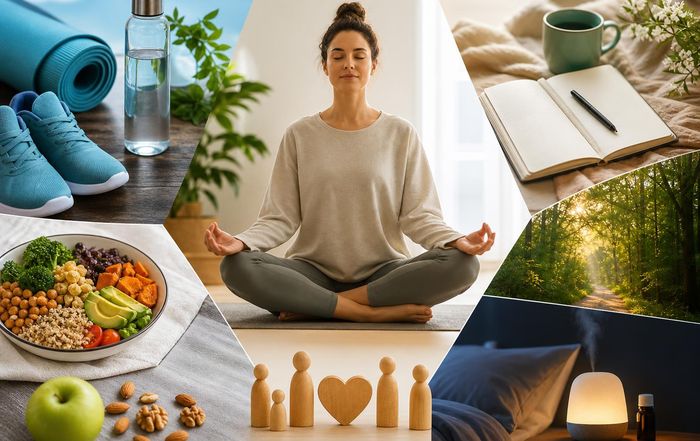
The most important shift in 2026 is the recognition that stress management is not a single intervention but an integrated lifestyle strategy that combines sleep, movement, nutrition, mental skills, digital boundaries, and social connection in a coherent, realistic plan. For the typical FitBuzzFeed reader balancing career, family, and personal ambitions, the challenge is less about knowing what to do and more about implementing sustainable changes without adding additional pressure or guilt.
A practical approach begins with honest self-assessment: identifying which domains-sleep, exercise, diet, mental focus, or social connection-are most compromised and which small, high-leverage habits can be introduced first. For someone in a demanding corporate role in New York or London, this might mean committing to a consistent bedtime and a brief morning walk before checking email; for an entrepreneur in Berlin or Singapore, it could involve scheduling protected deep-work blocks with digital boundaries and incorporating a 20-minute midday workout; for a healthcare worker or educator in Brazil or South Africa, it may focus on meal planning and micro-breaks for breathing or stretching during shifts.
FitBuzzFeed's sporty coverage across wellness, lifestyle, and fitness is increasingly designed to support this integrated approach, offering insights that connect physical, mental, and organizational dimensions of health rather than treating them as separate topics. By following developments in sports science, workplace design, nutrition research, and digital health technology, the platform aims to help readers construct evidence-based, personalized stress-management strategies that evolve with their careers, life stages, and global conditions.
The Role of Trusted Information in a Noisy Era
In an era saturated with wellness trends, productivity hacks, and conflicting advice on social media, the ability to distinguish between evidence-based guidance and unproven claims has become a critical component of stress management in itself. Constantly experimenting with new diets, supplements, or training methods without a clear framework can generate anxiety and decision fatigue, undermining the very resilience individuals are trying to build. Trusted institutions such as the World Health Organization, Centers for Disease Control and Prevention, and leading academic medical centers provide reliable baselines, while reputable media and specialist platforms like FitBuzzFeed translate complex science into practical insights tailored to specific audiences.
For business leaders, athletes, and professionals across continents, cultivating a small set of trusted information sources and returning to them consistently can reduce cognitive overload and support more confident decision-making about health and performance. By cross-referencing advice from global health authorities, national health services, and expert organizations with FitBuzzFeed's curated coverage of health, news, and business, readers can build a robust, trustworthy foundation for their stress-management strategies.
Jumping Up! Stress Management as a Competitive Advantage
As the world moves deeper into the second half of the 2020s, stress will remain an unavoidable feature of ambitious lives and rapidly changing economies across North America, Europe, Asia, Africa, and South America, but how individuals and organizations respond to that reality will increasingly determine not only health outcomes but also competitive advantage. Companies that embed wellbeing into their culture, policies, and leadership practices will attract and retain top talent, while athletes and professionals who prioritize recovery and mental resilience alongside technical skills will sustain high performance over longer careers.
Healthy habits that support stress management-consistent sleep, regular movement, balanced nutrition, mindfulness and cognitive skills, digital boundaries, and strong social connections-form the backbone of this new model of sustainable success. For the global community that turns to FitBuzzFeed and its always up-to-date homepage for insights on fitness, health, business, and lifestyle, the opportunity in 2026 is to move beyond reactive coping and toward proactive design of lives and workplaces that respect human biology, leverage scientific knowledge, and recognize that resilience is not an individual trait but a system of habits, relationships, and environments that can be intentionally shaped.