

The United Kingdom's Sporting Powerhouse in 2026: Culture, Commerce, and Global Influence
Sport remains one of the most powerful expressions of identity, culture, and ambition in the United Kingdom, and in 2026 its influence is more visible than ever. Across England, Scotland, Wales, and Northern Ireland, sport is woven into daily life, from packed stadiums and global broadcast spectacles to community pitches, leisure centers, gyms, and digital platforms. The UK's sporting ecosystem has evolved into a sophisticated blend of heritage and innovation, where centuries-old traditions coexist with cutting-edge technology, advanced analytics, and rapidly growing digital communities. For readers of FitBuzzFeed, whose interests span fitness, health, business, technology, lifestyle, and global trends, the UK offers a compelling case study in how sport can simultaneously drive economic growth, shape social values, and inspire healthier, more active lives.
In 2026, the UK's sporting landscape is defined not only by its most popular sports-football, rugby, cricket, tennis, athletics, golf, boxing, cycling, swimming, and esports-but also by the way these sports intersect with broader themes such as wellness, sustainability, inclusion, and digital transformation. Major events held in London, Manchester, Glasgow, Cardiff, Birmingham, and other cities attract global audiences and international visitors from North America, Europe, Asia, Africa, and South America, reinforcing the UK's status as a global sporting hub. At the same time, local clubs, schools, and community initiatives ensure that participation remains at the heart of the national sporting model, connecting elite performance with grassroots engagement.
Readers seeking a broader context on how sport connects to everyday wellbeing can explore FitBuzzFeed Health and FitBuzzFeed Fitness, where training, recovery, and lifestyle trends are examined through a practical, evidence-based lens.
Football in 2026: From Local Ritual to Global Enterprise
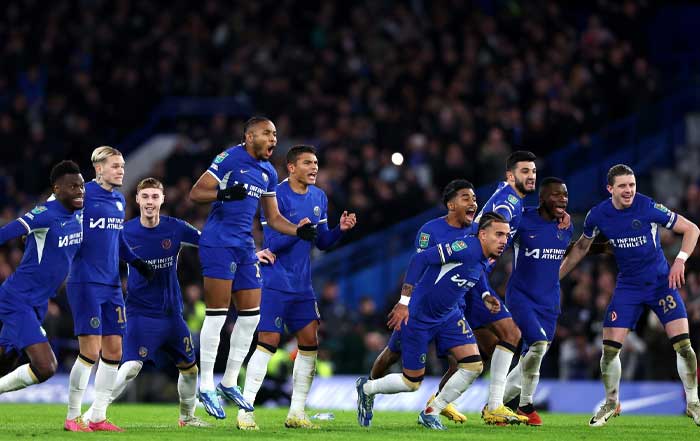
Football still stands as the United Kingdom's most powerful sporting export and its most deeply rooted cultural passion. The modern game, codified in England in the nineteenth century, has grown into a global industry worth hundreds of billions of pounds, yet its emotional core in the UK remains tied to local communities, generational loyalty, and the shared experience of matchday.
The Premier League continues to be the flagship of British football and one of the most valuable sports leagues in the world. Its broadcasting deals, now extending across traditional television and a widening array of streaming platforms, have set international benchmarks for rights value and production quality. Partners such as Sky Sports, TNT Sports (successor to BT Sport), and Amazon Prime Video have invested heavily in ultra-high-definition broadcasts, interactive statistics, and multi-language commentary, allowing fans in the United States, Germany, Australia, Singapore, and beyond to experience English football as if they were inside the stadium. The league's official platform, accessible via the Premier League website, has become a central hub for global supporters, providing data-rich coverage, historical archives, and digital engagement tools.
Clubs such as Manchester United, Liverpool, Arsenal, Chelsea, and Manchester City operate as global brands with sophisticated commercial strategies. They leverage international tours, academy partnerships, and regional sponsorships to expand their presence in North America, Asia, and Africa, while maintaining strong local identities rooted in their home cities. City Football Group, the ownership entity behind Manchester City, has continued to refine its multi-club model, integrating scouting, coaching, analytics, and commercial operations across Europe, the United States, South America, and Asia, illustrating how football has become a laboratory for global business innovation.
Yet the true strength of British football lies in its depth. The English Football League (EFL), the Scottish Professional Football League (SPFL), and the women's pyramid anchored by the Barclays Women's Super League ensure that elite competition is spread across the country. The success of the Lionesses, highlighted by their UEFA Women's Euro 2022 victory at Wembley and their continued prominence at the FIFA Women's World Cup, has reshaped public perception of women's football and catalyzed investment in facilities, coaching, and youth development. The "Lionesses Effect" has translated into record attendances at women's club fixtures and a surge in participation among girls in schools and community clubs.
The Football Association (FA) continues to invest in infrastructure and coaching pathways through facilities like St. George's Park, positioning England as a leader in high-performance training and sports science. This emphasis on structured development aligns with broader fitness and performance trends that readers can explore in more detail at FitBuzzFeed Training, where elite methodologies are distilled into actionable advice for everyday athletes.
Economically, football remains a pillar of the UK's sports industry. Independent analyses published by organizations such as Deloitte and UK Sport show that football contributes billions of pounds annually to GDP through employment, tourism, merchandising, and media rights. Stadium tours at Old Trafford, Anfield, the Emirates, and the Tottenham Hotspur Stadium attract visitors from the United States, Canada, Japan, and Brazil, blending sport, hospitality, and cultural tourism. The UK government and industry bodies also monitor the game's wider social impact, from the role of clubs in urban regeneration to initiatives tackling inequality, racism, and mental health. More information on sport's economic and policy context can be found through UK Sport and Sport England, both of which highlight how sport supports national wellbeing and community cohesion.
Rugby Union and Rugby League: Tradition, Resilience, and Regional Pride
Rugby remains one of the clearest expressions of British sporting tradition and regional identity. Rugby union and rugby league, though sharing a common origin, have evolved into distinct codes with unique cultures, fan bases, and commercial structures, yet both continue to play a vital role in the sporting and social fabric of the UK.
In rugby union, the Six Nations Championship retains its status as one of the most anticipated annual tournaments in the global sporting calendar. Every spring, England, Scotland, Wales, Ireland, France, and Italy compete in a contest steeped in history and rivalry, with matches at Twickenham, Murrayfield, and the Principality Stadium in Cardiff symbolizing national pride and regional passion. The atmosphere in these stadiums, often filled with more than 70,000 spectators, demonstrates the enduring emotional pull of rugby, while broadcast partnerships with organizations such as ITV, BBC, and Guinness as title sponsor underscore its commercial value. The global structure and governance of the game, detailed at World Rugby, provide a framework for ongoing expansion into emerging markets across Asia and North America.
Rugby league, by contrast, remains closely tied to northern England, where cities such as Wigan, Leeds, St Helens, and Hull embrace the sport as a core part of regional identity. The Super League continues to deliver high-intensity competition and strong community engagement, with clubs often operating extensive outreach programs in education, health, and social inclusion. These clubs demonstrate how sport can serve as an anchor for local development, offering pathways for young people and fostering a sense of belonging in towns undergoing economic transition.
One of the most notable shifts since the early 2020s has been the rapid growth of women's rugby. The England Red Roses have become a dominant force in the women's game, capturing multiple Six Nations titles and consistently challenging for the Women's Rugby World Cup. Their success has encouraged greater media coverage, increased sponsorship investment, and expanded participation at school and club level. Governing bodies such as the Rugby Football Union (RFU) and Welsh Rugby Union (WRU) have responded by developing professional contracts, performance centers, and tailored grassroots programs, recognizing that women's rugby represents both a moral imperative and a major commercial opportunity.
For readers interested in how rugby's physical demands intersect with strength, conditioning, and injury prevention, FitBuzzFeed Sports offers insights into training methodologies, recovery strategies, and performance analytics that are increasingly shaping the modern game.
Cricket: Reinventing a Heritage Sport for a New Generation
Cricket remains one of the UK's most culturally significant sports, bridging the gap between historical tradition and modern innovation. The game's origins in England have given rise to a global network of cricketing nations, particularly across the Commonwealth, where cricket has become an intrinsic part of national identity in India, Pakistan, Australia, South Africa, New Zealand, and the Caribbean. This global footprint ensures that UK-based competitions and events command substantial international attention.
The Ashes series between England and Australia continues to epitomize Test cricket's drama and endurance. Matches at Lord's, The Oval, Headingley, and other historic venues draw capacity crowds and substantial broadcast audiences, with coverage extending across Europe, Asia, and North America. The England and Wales Cricket Board (ECB) has balanced the preservation of Test cricket's heritage with the need to appeal to new audiences through shorter formats. England's triumph in the 2019 ICC Cricket World Cup, secured in a dramatic final at Lord's, accelerated this modernization by showcasing the excitement of limited-overs cricket to a global audience.
The introduction and consolidation of The Hundred, a 100-ball franchise competition, has been one of the most significant strategic moves in UK cricket. Designed to attract families, younger fans, and a more diverse audience, The Hundred integrates men's and women's fixtures, dynamic branding, music, and digital engagement in a format that fits contemporary viewing habits. Early skepticism has gradually given way to recognition of its success in broadening cricket's demographic reach, particularly among younger and more urban audiences. The ECB's official platform, England Cricket, provides detailed coverage of these competitions and outlines strategic plans for participation growth and high-performance development.
Cricket's community role remains strong. Village and club cricket continue to be a staple of British summers, providing social connection and recreational activity across England, Wales, Scotland, and Northern Ireland. The sport has also become a powerful bridge across cultural communities, particularly among British South Asian populations in cities such as Birmingham, Leicester, London, and Manchester. Initiatives like Chance to Shine and Street Cricket have expanded access to the game in schools and urban neighborhoods, reinforcing cricket's capacity to foster inclusion and social mobility.
From a business perspective, cricket generates substantial value through ticket sales, hospitality, media rights, and sponsorships with brands such as Vitality, LV= Insurance, and New Balance. Major grounds function as multi-use venues, hosting conferences, concerts, and corporate events, thereby integrating sport into the broader business and events ecosystem. Readers interested in how these commercial models intersect with broader market trends can explore FitBuzzFeed Business for analysis of sponsorship strategies, media deals, and brand partnerships across sport.
Tennis and Wimbledon: Prestige, Performance, and Global Reach
Tennis in the UK is defined above all by Wimbledon, which remains one of the world's most prestigious sporting events. The Championships, held annually at the All England Lawn Tennis Club, symbolize a unique blend of tradition and modernity: grass courts, white attire, strawberries and cream, and royal patronage exist alongside advanced court technology, data analytics, and global digital broadcasting.
Wimbledon's global resonance lies in its ability to deliver both sporting excellence and cultural spectacle. Global superstars such as Roger Federer, Rafael Nadal, Novak Djokovic, and Serena Williams have built legacies on its courts, while British champions such as Andy Murray have transformed domestic interest and participation. Murray's victories in 2013 and 2016 ended a long wait for a British men's singles champion and inspired a renewed focus on tennis development at all levels. The Lawn Tennis Association (LTA) has responded with expanded grassroots programs, facility investments, and talent identification initiatives, as outlined on its official site, LTA, which details the long-term vision for British tennis.
Economically, Wimbledon is a powerhouse. Its partnerships with global brands such as Rolex, Slazenger, and IBM showcase how sport can act as a platform for premium positioning and technological collaboration. Ticket demand remains exceptionally high, with domestic and international visitors from the United States, Canada, Japan, Germany, and Spain contributing significantly to London's tourism and hospitality sectors. The tournament's global broadcast agreements and digital distribution strategies ensure that Wimbledon remains a central fixture on sports calendars worldwide.
Beyond the fortnight in SW19, tennis in the UK is supported by year-round ATP, WTA, and Challenger events, as well as a network of clubs and public courts. For readers interested in the fitness demands of tennis-agility, power, endurance, and injury prevention-FitBuzzFeed Fitness explores training approaches that mirror those used by professional players and high-performance coaches.
Athletics and Mass Participation: From Elite Podiums to Public Health
Athletics in the UK operates at the intersection of elite performance, mass participation, and public health. The legacy of the London 2012 Olympic Games continues to influence investment in facilities, coaching, and talent development, while iconic events like the TCS London Marathon and the Great North Run showcase the power of running to unite people across ages, abilities, and backgrounds.
Organizations such as UK Athletics and England Athletics coordinate high-performance programs, national championships, and grassroots initiatives, ensuring that pathways exist from school athletics to international competition. The success of athletes like Mo Farah, Jessica Ennis-Hill, Dina Asher-Smith, and Katarina Johnson-Thompson has inspired a new generation of track and field competitors, demonstrating how individual stories of perseverance and excellence can shape national sporting narratives. The broader global governance of athletics, accessible via World Athletics, continues to emphasize integrity, anti-doping measures, and athlete welfare, all of which influence UK practice.
Mass participation events form a vital part of the UK's athletic ecosystem. The London Marathon, now regularly attracting over 40,000 runners and millions in charitable fundraising, has become a global model for integrating elite competition with community engagement and philanthropy. Similar events across cities such as Edinburgh, Manchester, and Cardiff have proliferated, reflecting a broader societal shift toward running as a cornerstone of personal fitness and mental wellbeing. This aligns closely with the interests of FitBuzzFeed readers, who can find detailed guidance on training plans, recovery strategies, and injury prevention at FitBuzzFeed Wellness.
Athletics also plays a strategic role in public policy. Government agencies and charities increasingly view running and walking as cost-effective tools for improving population health, reducing healthcare burdens, and addressing issues such as obesity and cardiovascular disease. The NHS and public health organizations provide resources on exercise guidelines and benefits, which can be explored further through NHS Live Well for those seeking evidence-based recommendations on incorporating activity into daily life.
Golf: Heritage, Tourism, and Technology
Golf in the UK, and particularly in Scotland, continues to combine deep historical roots with a modern, commercially sophisticated ecosystem. Scotland's reputation as the "home of golf" remains a powerful draw for international visitors, while England, Wales, and Northern Ireland also boast world-class courses and tournaments.
The Open Championship, governed by The R&A, is a central pillar of the golfing calendar. Rotating among historic links courses such as St Andrews, Royal St George's, and Royal Portrush, The Open attracts elite players from the PGA Tour, DP World Tour, and beyond, along with extensive media coverage and corporate hospitality. The R&A's official site, The R&A, outlines not only the championship's history but also its global governance role, including initiatives to grow the game, modernize rules, and promote sustainability.
Golf tourism remains a major economic driver, particularly in Scotland, where visitors from North America, Europe, and Asia travel specifically to play legendary courses. This tourism supports hotels, restaurants, transport providers, and local retailers, illustrating how sport can serve as a catalyst for regional development. At the same time, the golf industry is increasingly focused on environmental stewardship, with leading courses adopting sustainable course management practices, water conservation measures, and biodiversity initiatives. Those interested in sustainable sport and business models can explore resources from organizations such as the UN Environment Programme to learn more about sustainable business practices in sport and beyond.
Technological innovation has also reshaped golf's appeal. Launch monitors, swing analysis software, GPS-enabled wearables, and indoor simulators have made the game more accessible and engaging for younger demographics, including those in urban environments without easy access to full courses. These tools align with broader fitness and performance trends covered at FitBuzzFeed Technology, where the convergence of sport, data, and digital experience is examined in depth.
Boxing: British Champions and Global Markets
Boxing continues to occupy a prominent place in the UK's sporting hierarchy, combining dramatic narratives, high-stakes competition, and significant commercial returns. The country has produced a succession of world champions across weight classes, with heavyweights such as Anthony Joshua and Tyson Fury commanding global attention and pay-per-view audiences.
Promotional companies like Matchroom Boxing, led by Eddie Hearn, and Queensberry Promotions have professionalized and globalized British boxing, forging partnerships with broadcasters such as DAZN, Sky Sports, and ESPN. Major events at Wembley Stadium, Tottenham Hotspur Stadium, and the O2 Arena draw tens of thousands of spectators and generate substantial revenue through ticket sales, broadcasting, and sponsorship. For detailed historical records and rankings, BoxRec remains a key reference for industry stakeholders and enthusiasts.
At grassroots level, boxing gyms across the UK play a vital role in community life, particularly in working-class neighborhoods. They provide structured training, mentorship, and a sense of discipline and belonging for young people, often in areas facing social and economic challenges. Many clubs work closely with local authorities, schools, and charities to deliver outreach programs focused on physical health, mental resilience, and crime prevention. This community dimension underscores boxing's broader social value beyond headline bouts and world titles.
The physical demands of boxing-strength, power, endurance, and tactical intelligence-have also made it a popular training method for individuals who may never step into a competitive ring. Boxing-inspired fitness classes, high-intensity interval training (HIIT), and combat conditioning have become staples in gyms across the UK, a trend that aligns closely with the content and training advice available through FitBuzzFeed Physical.
Cycling, Swimming, and Esports: Expanding the Definition of Sport
Beyond the traditional pillars, several other sports have grown rapidly in profile and participation, reflecting changing lifestyles, technological advances, and evolving cultural preferences.
Cycling has experienced a sustained boom since the mid-2010s, driven by the successes of British riders such as Sir Bradley Wiggins, Chris Froome, Geraint Thomas, and Lizzie Deignan in events like the Tour de France and the Olympic Games. Investment in cycling infrastructure-segregated lanes, bike-sharing schemes, and urban planning-has encouraged commuters and recreational riders in cities such as London, Manchester, and Glasgow to adopt cycling as both transport and exercise. Organizations like British Cycling, accessible via British Cycling, have capitalized on this momentum with participation campaigns, racing series, and talent development programs. The business side of cycling, from high-performance road bikes and e-bikes to apparel brands and accessories, has become a significant segment of the UK's sports and leisure market, a trend analyzed regularly in FitBuzzFeed Business.
Swimming remains one of the UK's most widely practiced activities, valued both as a competitive sport and a core life skill. Public pools, leisure centers, and private health clubs across the country serve millions of users annually. Elite swimmers such as Adam Peaty have become role models for technical excellence and mental toughness, while governing bodies like Swim England and British Swimming oversee pathways from learn-to-swim programs to international competition. Swimming plays a crucial role in public health, rehabilitation, and cross-training for athletes in other sports, reinforcing its importance in a holistic approach to wellness. Readers can explore the broader wellness implications of aquatic training at FitBuzzFeed Wellness.
Esports, meanwhile, represents a transformative development in how competition is understood and consumed. The UK has emerged as a significant player in the European esports ecosystem, with professional teams, dedicated arenas, and university programs supporting titles such as League of Legends, Counter-Strike 2, Valorant, and EA SPORTS FC. Venues like the Red Bull Gaming Sphere in London and large-scale tournaments at arenas in Birmingham and Manchester demonstrate how digital-native competitions can attract live audiences and major sponsorships. Industry reports from organizations such as Newzoo and UKIE highlight the rapid growth of esports revenues, audience size, and employment opportunities. The intersection of gaming, streaming, and interactive fan engagement aligns closely with the themes explored at FitBuzzFeed Technology, where the future of digital sport is a recurring focus.
Media, Technology, and the Business of Sport in 2026
In 2026, the UK's sporting success is inseparable from the sophistication of its media, technology, and commercial infrastructure. Broadcasters, digital platforms, sponsors, and technology providers work together to create immersive experiences that extend far beyond the stadium or arena.
Legacy broadcasters such as BBC Sport and Sky Sports have adapted to a fragmented media environment by investing in streaming services, on-demand content, and multi-platform storytelling. At the same time, newer entrants like DAZN and Amazon Prime Video have leveraged flexible subscription models and global reach to secure premium rights and attract younger audiences. The result is a highly competitive market for sports content that drives innovation in production quality, data visualization, and interactive features.
Technology companies and analytics providers have become integral to both performance and fan engagement. Wearable devices, GPS tracking, and advanced data platforms are now standard in elite training environments, enabling coaches and sports scientists to monitor workload, optimize performance, and reduce injury risk. Fans, meanwhile, access real-time statistics, augmented reality overlays, and personalized content through club apps and league platforms. Organizations such as Tottenham Hotspur have set benchmarks for stadium technology and sustainability, integrating energy-efficient design, digital ticketing, and advanced connectivity into venues that double as entertainment and business hubs. Broader trends in sports technology and innovation are regularly explored at FitBuzzFeed Technology and FitBuzzFeed News, where readers can track emerging tools and business models.
Sponsorship and branding continue to evolve, with corporations increasingly seeking partnerships that align with values such as sustainability, diversity, and mental health advocacy. Major brands across finance, automotive, technology, and consumer goods use sport as a platform to communicate commitments to environmental responsibility and social impact, often in collaboration with NGOs and multilateral organizations. Those interested in the intersection of sport, sustainability, and ESG strategy can find additional context through resources provided by the World Economic Forum, which regularly discusses sport's role in global business and society.
Sport and British Identity in a Global Era
In 2026, sport remains one of the clearest lenses through which to understand the United Kingdom's place in the world. It encapsulates the country's ability to honor tradition while embracing innovation, to nurture local communities while operating on a global stage, and to turn passion into economic and social value. From the Premier League's worldwide reach to the intimacy of community cricket clubs, from the heritage of Wimbledon and The Open to the digital frontiers of esports, British sport continues to project influence far beyond its borders.
For FitBuzzFeed readers across Europe, North America, Asia, Africa, and South America, the UK offers a living example of how sport can integrate fitness, entertainment, business, technology, and culture into a single, coherent ecosystem. It demonstrates that high-performance excellence and broad-based participation are not opposing goals but mutually reinforcing pillars of a healthy society. As new technologies emerge, consumer behaviors evolve, and global challenges intensify, the UK's sporting model will undoubtedly continue to adapt, but its core attributes-resilience, creativity, and a deep-rooted love of competition-are likely to remain constant.
Those wishing to explore related themes across fitness, health, business, lifestyle, and global sport can continue their journey through FitBuzzFeed, where the stories, data, and ideas behind modern sport are examined with the depth, expertise, and practical focus that today's informed audience demands.