

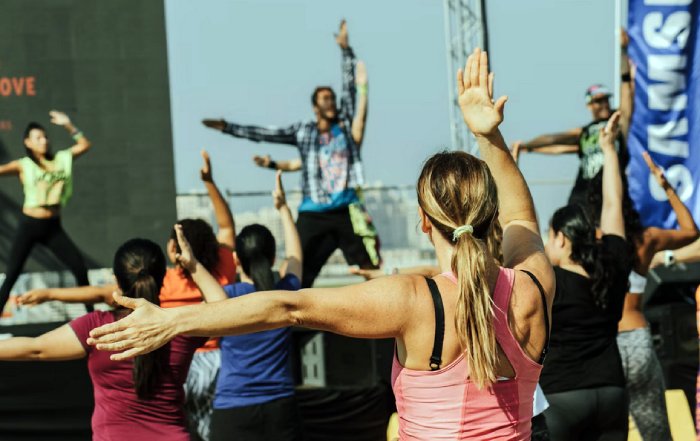
Fitness and Wellness as a Global Movement in 2026
Fitness and Wellness as Strategic Infrastructure in a Volatile World
By 2026, fitness and wellness have solidified their status as strategic infrastructure for societies and businesses rather than optional lifestyle upgrades, and this shift is visible in policy debates from Washington and London to Berlin, Singapore, and São Paulo, in corporate boardrooms across North America, Europe, and Asia, and in the everyday choices of consumers who now treat physical fitness, mental health, nutrition, and recovery as essential components of personal resilience and professional performance. Governments, multilateral institutions, and leading companies increasingly regard population health and functional fitness as determinants of economic productivity, social cohesion, and innovation capacity, a perspective that is regularly reflected in analyses from organizations such as the World Health Organization (WHO) and the World Bank, which frame health promotion and disease prevention as investments in long-term competitiveness rather than as mere cost centers; those interested in the evolving global health agenda can explore current priorities through the World Health Organization.
For FitBuzzFeed.com, whose readers follow developments in sports, fitness, health, business, and technology across the United States, the United Kingdom, Germany, Canada, Australia, and an expanding global audience spanning Europe, Asia, Africa, and the Americas, this evolution is not a theoretical trend but a lived reality that shapes the stories, data, and strategic insights the platform covers each day. The rise of wellness-focused public policy, the professionalization of fitness and performance careers, the integration of health metrics into consumer technology, and the growing intersection of wellness with corporate strategy and labor markets all reinforce the idea that wellness has become a core lens through which to interpret world events, business models, and lifestyle decisions, a perspective that aligns closely with the cross-disciplinary coverage in FitBuzzFeed's world and news sections.
From Gym Culture to Integrated Wellness Ecosystems
The transformation from traditional gym culture to fully integrated wellness ecosystems has accelerated in the years leading up to 2026, as consumers in markets such as the United States, United Kingdom, Germany, Japan, South Korea, and Singapore increasingly seek solutions that unify strength, mobility, cardiovascular fitness, mental health, sleep, nutrition, and stress management into coherent, data-informed routines. The era when fitness was primarily defined by weight rooms and cardio equipment has given way to a model in which coaching, recovery, mindfulness, and even social connection are embedded into the same ecosystem, supported by digital platforms, connected devices, and hybrid in-person and remote experiences; readers interested in how performance training and physical conditioning are evolving can explore more through FitBuzzFeed's coverage of training and physical fitness.
This ecosystem now includes hospitals prescribing exercise as part of chronic disease management, insurers rewarding active lifestyles, hospitality brands building wellness retreats into their core offerings, and urban planners designing cities that support active transport and accessible community sports spaces. Research from organizations such as the Global Wellness Institute continues to document the rapid expansion of segments like wellness real estate, corporate wellness, and mental wellness services, while also highlighting how traditional gym operators are repositioning themselves as experience-driven hubs that combine coaching, recovery zones, technology integration, and community-building; those who want to understand the underlying market dynamics and sector definitions can review global wellness economy data via the Global Wellness Institute.
The Global Wellness Economy as a Competitive Arena
The wellness economy in 2026 has matured into one of the most competitive and rapidly evolving arenas in global business, rivaling and, in some categories, surpassing traditional consumer sectors such as apparel or packaged goods, with robust growth evident in fitness services, healthy nutrition products, mental health support, workplace wellness, and wellness tourism across North America, Europe, and high-growth markets in Asia, Latin America, and parts of Africa. Analyses from consulting firms such as McKinsey & Company and Deloitte describe wellness as a "structural growth theme," driven by demographic aging, rising health awareness, digital adoption, and the economic imperative to reduce the burden of chronic disease; readers following these developments from a strategic standpoint can connect them with ongoing coverage in FitBuzzFeed's business section.
Institutional investors, sovereign wealth funds, and private equity firms in the United States, Europe, the Middle East, and Asia are increasingly allocating capital to fitness chains, digital health platforms, wearables, and nutrition brands, treating wellness as a long-term pillar of consumer demand. At the same time, macroeconomic institutions and regulators, including the Organisation for Economic Co-operation and Development (OECD) and the International Monetary Fund (IMF), continue to warn that sedentary lifestyles and rising obesity rates impose significant drag on productivity and public finances, prompting governments to explore fiscal incentives, regulatory measures, and public-private partnerships that promote healthier behaviors; those interested in the economic analysis of health and productivity can review relevant data and reports from the OECD on health and economics.
Technology as the Nervous System of the Wellness Era
Technology has effectively become the nervous system of the global wellness movement by 2026, enabling continuous monitoring, personalization at scale, and integration of health behaviors into daily life in ways that were not feasible even a decade ago. Wearables and smartwatches now routinely track heart rate variability, sleep stages, respiratory rate, body temperature trends, and recovery scores, while connected fitness equipment and mobile applications translate these metrics into adaptive training plans, nudges, and alerts that guide users toward more informed decisions about intensity, rest, and nutrition; readers who follow the convergence of innovation, sports science, and health can explore deeper analysis in FitBuzzFeed's technology coverage.
Major technology ecosystems led by Apple, Google, and Samsung have embedded health dashboards, safety features, and fitness coaching tools into their operating systems, while specialized companies in the United States, Europe, China, and Israel develop advanced biosensors, digital therapeutics, and AI-driven coaching engines that aim to bridge the gap between consumer wellness and clinical care. Research institutions such as Stanford University, MIT, and Imperial College London continue to publish evidence on digital health interventions, while regulatory authorities including the U.S. Food and Drug Administration (FDA) and the European Medicines Agency (EMA) refine frameworks for software as a medical device, algorithmic transparency, and real-world evidence; those who wish to understand how regulators evaluate digital health tools can learn more through the U.S. Food and Drug Administration.
Corporate Wellness, Hybrid Work, and Talent Strategy
The future of work in 2026 is inseparable from the future of wellness, as organizations across the United States, Canada, the United Kingdom, Germany, France, the Netherlands, Australia, and major Asian hubs such as Singapore and Tokyo grapple with hybrid work models, evolving employee expectations, and persistent concerns about burnout and mental health. Corporate wellness offerings have expanded from traditional gym subsidies and step challenges to integrated programs that include preventive health screenings, on-demand mental health support, ergonomic assessments for remote work, structured fitness initiatives, and education on sleep, nutrition, and stress management, often supported by digital platforms that allow employers to measure engagement and outcomes; readers exploring how these programs affect careers, leadership, and workplace culture can find additional context in FitBuzzFeed's jobs coverage.
Leading multinationals such as Microsoft, Unilever, and Salesforce have positioned wellbeing as a core element of their employer value proposition, embedding wellness metrics into leadership scorecards and linking them to retention, performance, and innovation outcomes. Advisory firms including PwC and Accenture increasingly counsel clients on building human-centric operating models that combine productivity with psychological safety, flexibility, and health-supportive environments, while academic institutions such as the Harvard T.H. Chan School of Public Health and the World Economic Forum continue to demonstrate that comprehensive wellbeing strategies can generate positive returns by lowering absenteeism, reducing healthcare costs, and enhancing engagement; those interested in the intersection of wellbeing, productivity, and the future of work can explore current perspectives via the World Economic Forum.
Nutrition, Lifestyle, and the Pursuit of Longevity
Nutrition and lifestyle science have moved from the periphery of public interest to the center of strategic health planning in 2026, as individuals, employers, and policymakers increasingly recognize that diet quality, physical activity, sleep, and stress management are powerful levers for preventing noncommunicable diseases such as cardiovascular disease, type 2 diabetes, and certain cancers. In the United States, Canada, the United Kingdom, Germany, France, Italy, Spain, and across Asia-Pacific, consumers are more informed about macronutrient balance, micronutrient adequacy, gut microbiome health, and the impact of ultra-processed foods, drawing on guidance from institutions such as the U.S. Department of Agriculture (USDA) and Public Health England, which regularly update dietary frameworks and public-facing resources; readers who want to connect this science with practical, performance-oriented insights can explore FitBuzzFeed's coverage on nutrition.
Parallel to this, the science of longevity has gained momentum, with research centers such as the Buck Institute for Research on Aging, University College London, and institutions across Switzerland, Singapore, and Japan investigating how exercise intensity, caloric balance, sleep architecture, and stress resilience interact with genetic pathways, cellular senescence, and inflammation to influence healthspan. Venture-backed companies and research consortia in the United States, Europe, and Asia are experimenting with biomarkers, personalized interventions, and therapeutics aimed at extending healthy years of life rather than merely prolonging lifespan, while public agencies and academic institutions emphasize the importance of evidence-based lifestyle interventions as the foundation for any longevity strategy; those seeking accessible educational material on lifestyle and chronic disease prevention can review resources from the National Institutes of Health.
Regional Dynamics in a Truly Global Wellness Movement
Although the wellness movement is global in scope, its expression varies significantly across regions, shaped by cultural norms, income levels, infrastructure, and regulatory frameworks. In the United States and Canada, the market is characterized by high consumer spending, a dense network of gyms and boutique studios, strong adoption of connected fitness platforms, and a vibrant ecosystem of performance coaching and sports science, while public debates continue around health equity and the affordability of high-quality care. In Western Europe, including the United Kingdom, Germany, France, Italy, Spain, the Netherlands, and the Nordic countries, wellness is closely linked to active urban design, cycling infrastructure, public green spaces, and robust public health systems, with cities and national governments promoting physical activity and healthy diets as part of climate, mobility, and education strategies; readers interested in cross-border comparisons and global health initiatives can explore FitBuzzFeed's world coverage.
In Asia, countries such as China, Japan, South Korea, Singapore, and Thailand continue to blend traditional practices with modern fitness and digital health. China's wellness ecosystem combines traditional Chinese medicine, rapidly expanding fitness chains, and super-app-based health services, while Japan and South Korea integrate beauty, performance optimization, and mental wellness into highly tech-enabled lifestyles. In the Nordic region, including Sweden, Norway, Denmark, and Finland, outdoor recreation, social equality, and strong safety nets underpin a culture of everyday movement and psychological wellbeing. In emerging markets across Africa and South America, including South Africa and Brazil, urbanization and a growing middle class drive demand for gyms, sports infrastructure, and digital wellness solutions, even as policymakers confront persistent challenges related to inequality, infectious disease, and resource constraints; those interested in how different health systems approach these issues can explore comparative analyses through the World Bank's health sector.
Sports, Major Events, and the Cultural Power of Movement
Sports remain a powerful cultural engine for the global wellness movement in 2026, providing both inspiration and infrastructure for active lifestyles across all regions. Mega-events such as the Olympic Games, the FIFA World Cup, and the World Athletics Championships continue to shape national investments in grassroots sports programs, high-performance centers, and public health campaigns that encourage citizens to engage in regular physical activity, while professional leagues in North America, Europe, and Asia invest heavily in sports science, recovery technology, and data analytics to extend careers and optimize performance. For FitBuzzFeed's audience, which closely follows both elite competition and everyday training, these developments are regularly explored in the platform's sports and fitness coverage.
Mass participation events, including city marathons, triathlons, cycling tours, obstacle races, and community fitness festivals, have expanded across cities such as New York, Los Angeles, London, Berlin, Paris, Sydney, Melbourne, Cape Town, Johannesburg, São Paulo, Rio de Janeiro, Tokyo, Seoul, Bangkok, and Singapore, creating shared milestones that motivate individuals to train, improve their health, and connect with others. Organizations such as World Athletics and the Ironman Group work closely with municipal authorities, sponsors, and health agencies to ensure that these events are inclusive, safe, and aligned with broader public health objectives, while research continues to highlight the positive impact of structured goals and community support on long-term adherence to active lifestyles; readers who want to understand how global sporting events influence participation and urban development can learn more via World Athletics.
Mental Health, Stress, and the Centrality of Psychological Resilience
Mental health has moved decisively into the center of the wellness conversation in 2026, as individuals and organizations confront the psychological impact of economic volatility, rapid technological change, geopolitical uncertainty, and the ongoing evolution of work. Health authorities such as the National Health Service (NHS) in the United Kingdom and the Centers for Disease Control and Prevention (CDC) in the United States emphasize integrated approaches that combine physical activity, sleep hygiene, social connection, therapy, and, where appropriate, pharmacological treatment, recognizing that mental and physical health are deeply interdependent; readers who want to explore holistic approaches to wellbeing that bridge mind and body can find additional perspectives in FitBuzzFeed's wellness and health sections.
Digital mental health platforms offering teletherapy, guided meditation, cognitive behavioral tools, and community-based support have expanded across North America, Europe, and parts of Asia, improving access in regions with shortages of mental health professionals while also raising important questions about data privacy, clinical validation, and long-term engagement. Academic institutions such as King's College London and the University of Toronto, along with advocacy groups including Mental Health Europe and the National Alliance on Mental Illness (NAMI), play a critical role in evaluating these tools, promoting evidence-based practice, and pushing for inclusive, rights-based mental health systems; for readers seeking authoritative overviews of mental health trends and risk factors, the CDC's mental health resources provide a useful starting point.
Brands, Lifestyle Narratives, and Consumer Expectations
By 2026, the global wellness movement has reshaped brand strategy and consumer expectations across categories from athletic apparel and connected devices to food, beverages, hospitality, and even financial services, as buyers increasingly expect offerings that support their health, performance, and sense of purpose. Iconic brands such as Nike, Adidas, Lululemon, and Peloton continue to build communities around movement, self-improvement, and identity, while new entrants in Europe, Asia, North America, and the Middle East differentiate themselves through sustainability, inclusivity, personalization, or rigorous scientific validation of their claims; readers tracking these shifts in positioning, product development, and customer engagement can find more analysis in FitBuzzFeed's brands coverage.
Lifestyle media, coaches, and influencers now serve as key translators between complex scientific research and everyday wellness practices, turning data on sleep cycles, heart rate variability, or macronutrient timing into actionable routines and challenges. This democratization of wellness knowledge has clear benefits in terms of motivation and accessibility, but it also increases the risk of misinformation, exaggerated promises, and confusion between editorial content and sponsored messaging, making it more important than ever for consumers to rely on credible, transparent sources. Reputable media, professional associations, and regulators stress the importance of critical thinking, evidence-based recommendations, and clear labeling of commercial relationships; those interested in the broader cultural and lifestyle context of wellness can explore these narratives in FitBuzzFeed's lifestyle section.
Policy, Equity, Sustainability, and the Next Phase of Global Wellness
As wellness becomes more central to how societies define progress, questions of equity, access, and environmental sustainability have moved to the forefront of the global conversation. While affluent urban populations in cities such as New York, London, Zurich, Stockholm, Singapore, Sydney, and Vancouver may enjoy abundant access to gyms, parks, healthy food options, and digital tools, many communities across both high-income and low- and middle-income countries still face structural barriers related to cost, infrastructure, safety, and education. International organizations including the United Nations (UN) and the World Health Organization emphasize that universal health coverage, safe public spaces, and equitable access to preventive services are foundational to inclusive development and the achievement of the Sustainable Development Goals; those who wish to explore the links between health, equity, and sustainable development can review resources from the United Nations.
Policy frameworks in the European Union, North America, and parts of Asia now increasingly integrate wellness into domains such as urban planning, transport policy, education, labor regulation, and climate strategy, recognizing that active mobility, clean air, access to nature, and healthy food systems are deeply intertwined with physical and mental wellbeing. Environmental agencies and research bodies, including the European Environment Agency (EEA), highlight how air pollution, heat stress, and exposure to harmful chemicals undermine health and widen inequalities, reinforcing the need for policies that align environmental sustainability with wellness objectives; readers interested in this intersection between environmental quality and human wellbeing can explore analyses from the European Environment Agency.
The Role of FitBuzzFeed in a Connected Wellness Landscape
Within this complex and rapidly evolving global landscape, FitBuzzFeed.com has emerged as a trusted hub for readers who understand that fitness, sports, health, business, jobs, brands, lifestyle, nutrition, wellness, technology, and events are not isolated topics but interlocking pieces of a single story about how people live, work, and perform in 2026. By bringing together expert perspectives on fitness, health, business, events, and related domains, the platform offers a vantage point from which executives, professionals, athletes, and everyday readers can see how decisions in one area-such as corporate strategy, urban planning, or personal training-reverberate across others.
For a global audience spanning the United States, United Kingdom, Germany, Canada, Australia, France, Italy, Spain, the Netherlands, Switzerland, China, Sweden, Norway, Singapore, Denmark, South Korea, Japan, Thailand, Finland, South Africa, Brazil, Malaysia, New Zealand, and wider regions across Europe, Asia, Africa, South America, and North America, FitBuzzFeed's editorial approach underscores that wellness is simultaneously personal and systemic. It is shaped by individual routines in the gym, on the track, or in the kitchen, but also by corporate wellness policies, labor markets, technological innovation, environmental quality, and international cooperation. As 2026 unfolds, the platform's role is to interpret these converging forces, highlight credible research and best practices, and connect readers with the insights they need to design healthier, more resilient, and more purposeful lives.
In this context, fitness and wellness are no longer optional enhancements or niche interests; they function as foundational elements of resilient societies, competitive economies, and sustainable business models. For the FitBuzzFeed readership-whether they arrive seeking performance training advice, global health trends, strategic business intelligence, or lifestyle inspiration-the evolving wellness movement provides both an opportunity and a responsibility: an opportunity to leverage new tools, knowledge, and communities to enhance their own lives and careers, and a responsibility to advocate for systems and environments that extend those benefits to broader populations. As a digital home for this conversation, FitBuzzFeed will continue to track, analyze, and connect the many threads of fitness and wellness as they shape the future of work, culture, and human potential.