

The Scandinavian Secret to Winter Wellness
Introduction: Why the North Matters for a Global Audience
As the world rolls on, leaders in business, health, technology and lifestyle are paying renewed attention to how individuals and organizations sustain performance throughout the year, especially during the dark and demanding winter months. Across sectors, from high-pressure financial hubs in New York and London to technology clusters in Berlin, Toronto, Sydney and Singapore, executives are grappling with the same question: how can people remain healthy, productive and mentally resilient when daylight shrinks, temperatures drop and stress rises?
Increasingly, they are looking north for answers. The so-called Scandinavian secret to winter wellness-rooted in the cultures of Norway, Sweden, Denmark and their Nordic neighbors-has evolved from a regional curiosity into a global reference model. It has become particularly relevant to the international readership of FitBuzzFeed, whose interests span fitness, health, business, lifestyle, nutrition and wellness across continents.
In Scandinavia, winter wellness is not treated as a seasonal challenge to be endured but as a strategic advantage to be cultivated. Combining evidence-based public health, strong social infrastructure, design thinking, and deeply ingrained cultural attitudes toward nature and community, the region offers a blueprint that resonates with professionals and organizations from North America to Europe, Asia, Africa and South America. Understanding this blueprint requires examining not only what Scandinavians do in winter, but how they think about winter, and how those mindsets are translated into policies, workplaces and everyday routines.
The Mindset Shift: From Surviving Winter to Embracing It
At the core of Scandinavian winter wellness lies a psychological reframing that has attracted growing interest from researchers in positive psychology and behavioral science. Rather than viewing winter as an obstacle, many Scandinavians consider it a distinct, even cherished, season with its own rituals, aesthetics and opportunities for restoration and focus. This is particularly evident in concepts like the Danish notion of "hygge," the Norwegian "kos," and the Swedish "lagom," which collectively emphasize balance, comfort, moderation and social connection.
Studies highlighted by organizations such as Harvard Medical School illustrate how mindset influences physical and mental health outcomes, showing that individuals who interpret stressors as challenges rather than threats often exhibit better cardiovascular and cognitive responses; readers can learn more about how mindset shapes health outcomes. In Scandinavia, this principle is applied seasonally: winter is framed as a time for deep work, reflection, community bonding and outdoor resilience, rather than simply a season of darkness and deprivation.
For global professionals, especially those in demanding corporate environments, this reframing holds significant implications. Instead of designing wellness initiatives that attempt to mimic summer conditions year-round, Scandinavian practice suggests embracing seasonal cycles and aligning workloads, training programs and recovery strategies with them. For FitBuzzFeed's audience interested in training and sports, this means treating winter as a period to build foundational strength, mental toughness and strategic planning capacity, rather than merely a time when performance inevitably dips.
Outdoor Culture and the Power of "Friluftsliv"
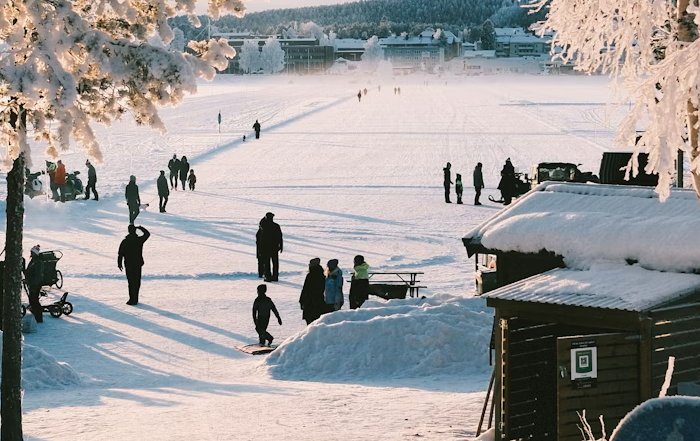
A defining feature of Scandinavian winter wellness is the commitment to spending time outdoors, regardless of temperature or snowfall, encapsulated in the Norwegian concept of "friluftsliv," or "open-air life." This philosophy is not confined to athletes or outdoor enthusiasts; it permeates daily routines, from children playing in snow-covered schoolyards to professionals commuting by bicycle in sub-zero temperatures and families taking weekend excursions on skis or skates.
Scientific evidence supports this cultural preference. Research summarized by the World Health Organization indicates that regular physical activity and exposure to natural environments can reduce the risk of depression, cardiovascular disease and metabolic disorders; readers can explore WHO guidance on physical activity and health. Winter, far from being a barrier, becomes a structured context in which these benefits are deliberately pursued, with cities investing in well-lit paths, cleared sidewalks and accessible public spaces.
For businesses and institutions across Germany, Canada, Japan and beyond, the Scandinavian example demonstrates how urban planning, corporate policy and cultural norms can converge to make outdoor activity a default choice even in colder climates. Companies in Oslo or Stockholm routinely provide secure bike storage, showers and flexible hours to accommodate active commuting, while municipalities maintain cross-country ski tracks within city limits. For FitBuzzFeed readers focused on physical performance and long-term health, this integration of outdoor activity into everyday life offers a replicable model, particularly as more organizations recognize the productivity and engagement benefits of movement-friendly workplaces.
Light, Darkness and the Science of Seasonal Balance
Another pillar of the Scandinavian approach to winter wellness is the sophisticated management of light and darkness. With limited daylight hours, especially above the Arctic Circle, Scandinavians have long understood the importance of optimizing both natural and artificial light to support circadian rhythms, mood and cognitive function. Modern research from institutions such as Stanford University and MIT has reinforced how exposure to morning light regulates sleep-wake cycles, hormone production and energy levels; those interested can delve into circadian rhythm research summarized by the U.S. National Institutes of Health.
In practice, this awareness is visible in the design of Scandinavian homes, offices and public buildings, which often feature large windows, light-colored interiors and carefully calibrated artificial lighting systems that adjust intensity and color temperature throughout the day. Workplaces in Sweden and Denmark increasingly adopt human-centric lighting strategies that mimic natural light patterns, supporting concentration during daylight hours and promoting wind-down conditions later in the afternoon.
For global employers in sectors from finance to technology, this knowledge is reshaping office design and remote work policies. Organizations seeking to maintain high performance during winter months are investing in light-optimized environments, encouraging employees to take daylight breaks and, in some cases, offering access to light therapy lamps for those experiencing seasonal mood shifts. FitBuzzFeed's readers, particularly those tracking world and news trends in workplace health, will recognize how these Scandinavian-inspired practices align with the broader movement toward evidence-based, human-centered work environments.
Nutrition, Warmth and Metabolic Resilience
Winter wellness in Scandinavia is not solely about psychology and environment; it is also grounded in nutritional strategies that support immune function, energy stability and metabolic health. Traditional Nordic diets emphasize fatty fish, whole grains, root vegetables, fermented foods and berries, many of which are rich in omega-3 fatty acids, fiber, antioxidants and vitamin D. Research synthesized by organizations like the Nordic Council of Ministers and the European Food Information Council has highlighted how these dietary patterns can contribute to reduced cardiovascular risk and improved metabolic markers; readers can learn more about healthy sustainable diets.
In winter, these principles are complemented by warm, nutrient-dense meals designed to sustain energy over long periods and support thermoregulation. Soups, stews and oven-baked dishes are not only culturally comforting but metabolically efficient, providing slow-release carbohydrates and high-quality proteins that stabilize blood sugar and reduce energy crashes. This approach contrasts with the high-sugar, high-caffeine coping mechanisms often seen in colder months elsewhere, which may temporarily boost alertness but can undermine long-term health and performance.
For FitBuzzFeed's audience focused on nutrition and wellness, the Scandinavian model underscores the value of aligning dietary choices with seasonal demands, prioritizing foods that support immune resilience and cognitive clarity. It also intersects with global trends in sustainable eating, as many Nordic food traditions emphasize locally sourced, minimally processed ingredients, aligning with guidance from organizations such as the Food and Agriculture Organization of the United Nations, where readers can explore sustainable nutrition insights.
Social Infrastructure and the Business of Belonging
One of the most distinctive aspects of Scandinavian winter wellness is the robustness of social infrastructure. High levels of trust, strong public services, and a culture of collective responsibility contribute to a sense of security that buffers individuals against the psychological strains of dark, cold months. Surveys from entities like the Organisation for Economic Co-operation and Development consistently show Nordic countries ranking highly in social support and life satisfaction; readers can review comparative well-being data.
This social cohesion is not accidental; it is the product of deliberate policy choices, corporate practices and community norms. Workplaces in Norway, Sweden and Denmark often prioritize reasonable working hours, generous parental leave and predictable schedules, reducing the chronic stress that can exacerbate winter fatigue. At the same time, social rituals-from office coffee breaks to neighborhood gatherings-are maintained throughout winter, ensuring that individuals remain connected even when weather conditions might encourage isolation.
For international businesses, especially those operating in high-pressure markets like the United States, the United Kingdom, Germany and China, the Scandinavian example illustrates how investing in social capital can yield tangible returns in engagement, retention and innovation. FitBuzzFeed's readers with an interest in business and jobs will recognize that winter wellness is increasingly seen not as a perk, but as a strategic element of employer branding and talent management, particularly in competitive knowledge industries.
Workplace Design, Flexibility and Hybrid Winter Strategies
The shift toward hybrid and remote work, accelerated in the early 2020s and refined by 2026, has intersected with Scandinavian winter practices in powerful ways. Nordic employers have leveraged longstanding traditions of trust and autonomy to create flexible arrangements that allow employees to align work patterns with daylight hours, family needs and personal energy rhythms. This flexibility is especially valuable in winter, when commuting conditions can be challenging and daylight windows are limited.
Leading organizations in Finland, Sweden and Norway have invested in digital collaboration tools, ergonomic home office setups and clear communication norms that prioritize outcomes over presenteeism. These practices are increasingly studied by management researchers and business schools, including those documented by INSEAD and London Business School, where professionals can explore evolving models of flexible work. The Scandinavian experience suggests that when employees are given the autonomy to structure their winter days around both professional and personal well-being, productivity and innovation do not suffer; they often improve.
For FitBuzzFeed's global readership, many of whom operate in sectors where remote or hybrid work has become standard, the key takeaway is that winter wellness strategies must be embedded in organizational systems, not treated as ad-hoc initiatives. Aligning work hours with local daylight, encouraging midday outdoor breaks, and setting realistic expectations around responsiveness can transform winter from a period of attrition into a season of focused, high-quality output.
Technology, Data and the Quantified Nordic Winter
While the cultural roots of Scandinavian winter wellness are centuries old, the 2020s have seen a rapid integration of technology and data into traditional practices. Wearables, smart home systems and digital health platforms are increasingly used to monitor sleep quality, activity levels, light exposure and stress markers, allowing individuals and organizations to tailor winter strategies with unprecedented precision.
Companies such as Garmin, Polar and Suunto, many of which have strong Nordic ties, have developed devices specifically optimized for cold-weather performance and outdoor sports, helping users from Canada to South Korea track metrics during winter training. Concurrently, research hubs like Karolinska Institutet and University of Copenhagen continue to investigate how digital tools can support mental health and behavior change in challenging seasons; those interested can learn more about digital health research through reputable academic platforms.
For FitBuzzFeed's audience keen on technology and performance optimization, the Scandinavian approach offers a compelling example of how to integrate data without losing sight of human values. Rather than using technology to escape winter conditions, many Nordic users employ it to better understand and adapt to them, fine-tuning sleep schedules, adjusting training loads and tracking mood patterns to ensure sustainable progress rather than short-term spikes followed by burnout.
Sports, Recovery and the Cold as a Training Partner
Scandinavia has long been associated with winter sports excellence, from cross-country skiing and biathlon to ice hockey and speed skating. Behind the medals and world-class performances lies a systematic approach to using winter conditions as a training partner rather than an adversary. Elite athletes in Norway, Sweden and Finland treat cold, snow and variable light as variables to be harnessed for endurance, mental toughness and technical refinement.
Sports science institutions such as the Norwegian School of Sport Sciences and the Swedish School of Sport and Health Sciences have contributed significantly to global understanding of cold-weather physiology, recovery, and altitude-like adaptations induced by winter training; readers can explore sports science insights through reputable medical platforms like BMJ. These findings have informed not only elite programs but also recreational and corporate wellness initiatives, where structured exposure to cold-through outdoor exercise, winter swimming or controlled cold-water immersion-is used to build resilience and potentially enhance cardiovascular and metabolic health, when done safely.
FitBuzzFeed's community of sports enthusiasts and fitness professionals can draw from these practices by incorporating winter-specific training blocks, emphasizing proper layering, warm-up routines and recovery protocols. In Scandinavian programs, recovery is treated with the same seriousness as exertion, with sauna culture, sleep hygiene and nutrition all carefully orchestrated to ensure that winter training leads to long-term gains rather than injury or overtraining.
Events, Rituals and Seasonal Identity
Beyond individual habits and workplace policies, Scandinavia's winter wellness advantage is reinforced by a dense calendar of cultural events and rituals that give structure and meaning to the season. From Sweden's Lucia celebrations in December to Norway's ski festivals and Denmark's winter markets, communities create shared experiences that transform winter from an amorphous stretch of cold months into a series of anticipated milestones.
These events are not mere diversions; they play a role in sustaining social ties, supporting local brands and small businesses, and reinforcing a positive seasonal identity. Municipalities and tourism boards collaborate with private enterprises to design winter festivals, outdoor concerts and sports events that keep public spaces vibrant and economically active. Organizations like Visit Norway and Visit Sweden have documented how these initiatives contribute to both well-being and regional development; those interested can learn more about winter tourism strategies.
For FitBuzzFeed's readers tracking events and lifestyle trends across Europe, North America, Asia and beyond, the Scandinavian model suggests that winter can become a platform for innovation in experiential design, hospitality and community engagement. Companies and cities that invest in meaningful winter programming can differentiate themselves in the competition for talent, tourism and investment, particularly as climate and lifestyle considerations increasingly influence relocation decisions.
Lessons for Global Leaders, Cities and Individuals
By 2026, the Scandinavian secret to winter wellness is no longer a secret in the literal sense; it is a widely discussed and increasingly documented set of practices and philosophies. Yet its power lies in the coherence with which it is applied across personal routines, corporate strategies, urban planning and national policy. For global leaders in business, government and civil society, several key lessons emerge.
First, winter wellness is fundamentally interdisciplinary. It intersects with public health, architecture, transportation, labor law, education and digital infrastructure. Organizations that treat it as a narrow HR initiative miss the broader opportunity to align systems around human performance in seasonal contexts. Second, mindset and narrative matter. The way a community talks about winter-whether as a hardship to be endured or a season with unique advantages-shapes behavior, policy and investment. Scandinavian cultures have, over time, constructed a narrative of winter as both demanding and rewarding, which encourages proactive preparation and shared responsibility.
Third, data and tradition can coexist productively. Nordic countries demonstrate that it is possible to honor long-standing cultural practices while embracing cutting-edge research and technology, using each to strengthen the other. This balance is particularly relevant for FitBuzzFeed's audience, which spans traditional industries and emerging tech ecosystems in regions from the United States and United Kingdom to Singapore, Brazil and South Africa.
Finally, winter wellness has clear implications for talent attraction, retention and employer reputation. In a world where skilled professionals can increasingly choose where and how they work, organizations and cities that demonstrate a serious, evidence-based commitment to year-round well-being will hold a competitive advantage. For readers following world developments and business dynamics, the Scandinavian experience offers a concrete, transferable framework for designing environments in which people can thrive, not just survive, when conditions are toughest.
Conclusion: Bringing the Nordic Winter Advantage to a Global Stage
For the international community that turns to FitBuzzFeed for insight across health, lifestyle, sports, wellness and business, the Scandinavian secret to winter wellness offers more than a cultural curiosity; it presents a strategic template for sustainable performance in an uncertain world. As climate patterns shift and economic volatility persists, the capacity to maintain physical, mental and organizational resilience throughout the year becomes a defining capability for individuals, companies and societies alike.
By integrating outdoor culture, intelligent light management, nutrient-dense seasonal nutrition, robust social infrastructure, flexible work design, technology-enabled self-knowledge and meaningful seasonal rituals, Scandinavia has turned a potentially debilitating season into a source of strength and identity. The challenge and opportunity for the rest of the world-from the dense urban centers of North America and Europe to the rapidly developing hubs of Asia, Africa and South America-is to adapt these principles to local climates, cultures and economic realities.
As readers explore related themes across FitBuzzFeed's coverage-from performance-oriented training and fitness to innovative technology and evolving jobs-the Scandinavian approach stands as a reminder that wellness is not a luxury add-on but a foundational element of long-term success. In embracing the lessons of the Nordic winter, global leaders and everyday professionals alike can build systems, routines and communities that are not only prepared for the cold and dark, but quietly empowered by them.