

Technology Trends Supporting Preventive Health Habits!
The New Preventive Health Mindset
Wow, so preventive health has shifted from a specialist niche to a mainstream expectation, and nowhere is this more visible than in the way everyday technology now shapes how people move, eat, sleep, work and recover. For the global audience of FitBuzzFeed, whose interests span sports, fitness, health, business, technology, lifestyle and careers, this transformation is not an abstract policy discussion but a lived reality that influences how they train, how they manage stress, how they choose employers and brands, and how they plan for long-term wellbeing. Preventive health is no longer simply about avoiding illness; it is about building sustainable performance in life and work, supported by data, digital tools and smarter systems.
The rise of this new mindset has been accelerated by converging forces: the lingering lessons of the COVID-19 era, the economic pressure of chronic disease on national health systems, the ubiquity of smartphones and wearables, and the growing recognition among employers and governments that healthy populations are a strategic asset. Institutions such as the World Health Organization have repeatedly underlined that noncommunicable diseases linked to lifestyle factors account for a majority of global deaths, and this has placed prevention at the center of health policy debates worldwide. Readers who follow global health developments on sporty, active website hubs like FitBuzzFeed Health and FitBuzzFeed World will recognize that the conversation has moved decisively from treatment to early detection, risk reduction and behavior change, all of which are now being reshaped by technology.
Wearables and Sensor Ecosystems as Everyday Health Companions
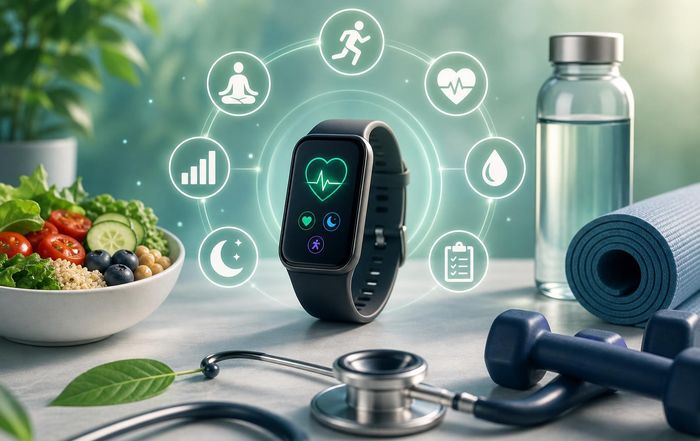
The most visible expression of technology-driven prevention is the wearable ecosystem that now extends far beyond step counters and basic heart-rate monitors. Advanced devices from companies such as Apple, Samsung, Garmin, Whoop and Oura increasingly function as continuous health companions, capturing resting heart rate, heart rate variability, respiratory rate, sleep stages, skin temperature, oxygen saturation and even irregular heart rhythm alerts. Regulatory agencies like the U.S. Food and Drug Administration have cleared several consumer devices for medical-grade features, signalling a blurring of lines between wellness gadgets and regulated health tools and giving users greater confidence that the data they are basing decisions on has clinical relevance.
For performance-oriented readers who daily or regularly consult FitBuzzFeed Fitness and FitBuzzFeed Training, this evolution means that training plans can be adjusted daily based on recovery metrics, sleep quality and early signs of strain or illness. Elite sports organizations, from Premier League clubs in the United Kingdom to NBA franchises in the United States, have long used sophisticated tracking systems to monitor player load and reduce injury risk, and these approaches are now filtering down to recreational athletes through commercial wearables and connected coaching platforms. At the same time, health systems in countries such as Germany, Canada and Singapore are beginning to explore how continuous remote monitoring can support patients with cardiovascular risk, diabetes or sleep disorders, reducing hospital visits and enabling more proactive interventions.
AI-Driven Personal Health Coaching and Behavior Change
Artificial intelligence has become the invisible engine behind many of the most effective preventive health tools in 2026. Machine-learning models embedded in mobile apps, smartwatches and web platforms analyze patterns in activity, nutrition, sleep and stress, and then deliver highly personalized nudges, recommendations and risk alerts. Large technology firms such as Google, Microsoft and Amazon are investing heavily in healthcare AI, while specialized startups focus on narrow domains such as metabolic health, mental wellbeing or musculoskeletal injury prevention. Organizations like Stanford Medicine and the Mayo Clinic have demonstrated that AI-assisted risk prediction can identify individuals at elevated risk of conditions such as atrial fibrillation or type 2 diabetes years before traditional screening would.
For the FitBuzzFeed audience, the most tangible impact is the shift from generic advice to context-aware guidance. Instead of being told to "exercise more," users receive prompts that consider their recent workload, travel schedule, sleep debt and training history, suggesting targeted 20-minute mobility sessions, low-intensity recovery runs or strength maintenance workouts at times when they are most likely to follow through. Behavioral science insights from institutions like University College London and Harvard T.H. Chan School of Public Health are being integrated into digital coaching systems, emphasizing small, sustainable habit changes, timely feedback and social accountability. Those interested in the broader implications for the global wellness economy can explore related independent coverage on FitBuzzFeed Wellness and FitBuzzFeed Lifestyle, where the convergence of AI, psychology and consumer experience is becoming a central theme.
Digital Therapeutics and Preventive Medicine Integration
Another major trend in 2026 is the rapid maturation of digital therapeutics, software-based interventions that have undergone clinical validation and, in many jurisdictions, receive reimbursement like traditional drugs or medical devices. Companies such as Omada Health, Noom, Kaia Health and HelloBetter design structured programs for conditions including prediabetes, obesity, chronic pain and depression, often combining app-based modules, human coaching and connected devices. Health authorities in regions like Europe and Asia are increasingly approving such solutions as part of official care pathways, recognizing their potential to reduce hospitalizations and long-term treatment costs.
From a preventive health perspective, digital therapeutics are particularly powerful because they operate at the intersection of lifestyle change and medical supervision. A user at risk of type 2 diabetes might enroll in a year-long digital program that integrates continuous glucose monitoring, exercise prescriptions, nutrition guidance and stress-management techniques, all overseen remotely by healthcare professionals. Evidence from organizations like the Centers for Disease Control and Prevention and the National Health Service in the United Kingdom suggests that structured lifestyle interventions can significantly reduce progression from prediabetes to diabetes, and digital tools allow these interventions to scale across countries and socioeconomic groups in ways that traditional in-person programs never could. Business readers tracking the latest health-tech market on FitBuzzFeed Business will note that insurers and employers in North America, Europe and Asia are increasingly subsidizing such programs as part of their preventive strategies.
Nutrition Technology and the Rise of Personalized Metabolism
Nutrition has always been central to preventive health, but in 2026 it is being transformed by technology that brings laboratory-grade insights into everyday life. Continuous glucose monitors, once reserved for people with type 1 diabetes, are now used by a growing segment of health-conscious consumers to understand how different foods, meal timings and exercise patterns affect their blood sugar. Organizations such as ZOE, Levels and Nutrisense combine CGM data with microbiome analysis, blood lipid profiling and AI models to generate individualized dietary guidance, challenging the "one-size-fits-all" assumptions that dominated nutrition advice for decades. Research published by groups like the Weizmann Institute of Science has shown that individuals can have dramatically different glycemic responses to the same foods, underscoring the importance of personalization.
For the FitBuzzFeed community, many of whom already follow specialized training and nutrition routines, this means that meal planning can be optimized not only for body composition and performance but also for long-term metabolic health and disease risk reduction. Apps now integrate grocery delivery, recipe suggestions, restaurant menus and food-logging features, using image recognition and barcode scanning to reduce friction. Regulatory agencies and public-health bodies, including Health Canada and Public Health England, are monitoring how these tools influence population-level dietary patterns, while scientific organizations such as the European Food Safety Authority continue to refine guidance on safe nutrient intake and food labeling. Readers interested in practical strategies can explore complementary resources on FitBuzzFeed Nutrition, where the interplay between data, culture and everyday eating habits is a recurring focus.
Smart Gyms, Connected Training and Physical Literacy
Physical activity remains the cornerstone of preventive health, and in 2026 the environments in which people train have become smarter, more connected and more inclusive. Smart gyms equipped with sensor-embedded machines, computer-vision systems and AI-driven coaching platforms are now common in major cities from New York and London to Singapore and Sydney. Brands like Peloton, Technogym, Les Mills and Tonal have expanded beyond hardware to offer integrated ecosystems that blend in-person classes, at-home workouts and digital communities. These systems track form, count repetitions, adjust resistance automatically and provide real-time feedback to reduce injury risk and encourage progression, effectively bringing elite-level coaching to mainstream users.
Beyond commercial fitness chains, public institutions and sports federations are also leveraging technology to promote lifelong physical literacy. Initiatives supported by organizations such as Sport England, Sport Singapore and Sport Australia use mobile apps, gamified challenges and community platforms to encourage children, older adults and underserved populations to adopt regular movement habits. Data from the World Health Organization on physical inactivity has pushed governments to invest in digital engagement strategies that meet citizens where they are, whether that is on smartphones, social media or community sports hubs. For those exploring training methodologies and performance insights on FitBuzzFeed Sports and FitBuzzFeed Physical, this integration of technology and coaching represents a significant opportunity to align personal goals with public-health priorities.
Mental Health, Stress Management and Digital Resilience
Preventive health in 2026 cannot be discussed without acknowledging the central role of mental wellbeing and stress management. The pressures of modern work, geopolitical uncertainty and rapid technological change have contributed to rising rates of anxiety, burnout and depression across regions including North America, Europe and Asia. In response, a wave of digital mental-health tools has emerged, ranging from mindfulness and meditation apps to clinically validated cognitive-behavioral therapy platforms. Companies such as Headspace, Calm, BetterHelp and Spring Health have become familiar names in workplaces and households, while health systems in countries like Sweden and Japan are experimenting with digital interventions to expand access to care.
From a preventive perspective, the most promising trend is the integration of mental-health indicators into broader wellness platforms. Wearables now detect patterns in heart rate variability, sleep disruption and activity levels that may signal rising stress, and AI-driven systems can suggest micro-breaks, breathing exercises or social connection prompts before issues escalate. Research institutes like the National Institute of Mental Health in the United States and the Karolinska Institute in Sweden are investigating how digital biomarkers might help predict depressive episodes or relapse risk, potentially enabling earlier interventions. For professionals navigating demanding careers, coverage on FitBuzzFeed Jobs and FitBuzzFeed Wellness increasingly highlights how organizations are deploying these tools to support employee resilience, reduce absenteeism and create psychologically safer workplaces.
Corporate Wellness, Employer Responsibility and the Business Case
In 2026, preventive health has become a board-level issue for many organizations, particularly in knowledge-intensive sectors where human capital is the primary asset. Employers in the United States, United Kingdom, Germany, Canada, Australia and beyond are recognizing that investments in health technology, flexible work arrangements and supportive cultures pay dividends in productivity, retention and employer brand. Leading companies such as Google, Microsoft, Unilever and SAP have built comprehensive wellness ecosystems that include subsidized wearables, digital coaching, mental-health platforms, on-site or virtual fitness offerings and ergonomic assessments powered by computer vision and sensor technology. Business case studies from organizations like the World Economic Forum and OECD highlight how such initiatives can reduce healthcare costs and improve engagement, particularly when they are integrated into performance management and leadership development.
For readers tracking corporate strategy and labor trends on FitBuzzFeed News and FitBuzzFeed Business, it is clear that preventive health is becoming a differentiator in the global competition for talent. Younger professionals across Europe, Asia and North America increasingly evaluate employers based on their commitment to wellbeing, flexible work and psychological safety, and they expect digital tools to be seamlessly integrated into these offerings. At the same time, there is a growing expectation that companies will contribute to public-health goals, whether by supporting active commuting, providing healthy food options, or partnering with local authorities and NGOs to promote community health initiatives. Organizations such as the American Heart Association and the Global Wellness Institute are collaborating with the private sector to develop frameworks and benchmarks that help ensure wellness initiatives are evidence-based and inclusive rather than superficial perks.
Data Privacy, Ethics and Trust in Preventive Health Technology
As preventive health becomes increasingly data-driven, questions of privacy, security and ethics move to the forefront. Consumers are entrusting sensitive information about their movements, biometrics, mental state and genetic predispositions to a complex ecosystem of device manufacturers, app developers, insurers, employers and healthcare providers. Regulatory frameworks such as the EU General Data Protection Regulation and the Health Insurance Portability and Accountability Act in the United States set important boundaries, but the pace of innovation often outstrips the clarity of legal guidance, especially in emerging areas like AI-based risk scoring and behavioral nudging. Civil-society organizations and academic centers, including the Electronic Frontier Foundation and the Berkman Klein Center for Internet & Society, are actively debating how to balance innovation with individual autonomy and non-discrimination.
Trust is becoming a core competitive asset in the health-tech market. Users are more likely to adopt and stick with preventive tools when they understand how their data is used, can control sharing preferences, and see tangible benefits in return. Transparent communication, robust encryption, rigorous security audits and clear opt-in mechanisms are now baseline expectations for reputable companies. For a platform like FitBuzzFeed, which curates content across technology, health, lifestyle and business, the responsibility extends to helping readers navigate this landscape with critical literacy, highlighting both the potential of new tools and the importance of informed consent and digital self-defense. Global standards bodies such as the International Organization for Standardization are working on guidelines for health-data management, and their recommendations are likely to shape product design and procurement decisions in the years ahead.
Global and Regional Perspectives on Preventive Health Technology
The impact of technology on preventive health is not uniform across regions, and understanding these differences is essential for a global audience that spans Europe, Asia, Africa, South America and North America. High-income countries such as Switzerland, the Netherlands, Japan and Singapore often lead in adoption of advanced wearables, telehealth and digital therapeutics, supported by robust infrastructure and strong health systems. However, middle-income countries like Brazil, South Africa, Malaysia and Thailand are demonstrating remarkable innovation in mobile-first health solutions that address local challenges such as rural access, workforce shortages and language diversity. Organizations like UNICEF and The World Bank have documented how mobile health initiatives in parts of Africa and South Asia are improving maternal health, vaccination rates and infectious-disease surveillance, often using simple SMS-based reminders and community-health-worker apps rather than high-end devices.
At the same time, global sport and wellness events, from the Olympic Games to major marathons and fitness expos, are serving as showcases for new preventive technologies and as catalysts for public engagement. Coverage on FitBuzzFeed Events often highlights how host cities and sponsors use these occasions to promote active lifestyles, environmental sustainability and inclusive participation, leveraging digital platforms to reach worldwide audiences. International bodies such as the International Olympic Committee and FIFA are increasingly emphasizing athlete health, concussion protocols and mental wellbeing, and their policies influence grassroots sports practices from youth leagues in Canada to community clubs in Italy and Spain. As cross-border collaboration grows, there is an emerging opportunity to share best practices and avoid repeating mistakes, ensuring that preventive health technologies reduce rather than exacerbate global health inequities.
The Future of Preventive Health: From Devices to Culture
Thinking ahead from 2026, the trajectory of technology-driven preventive health suggests a move from isolated devices and apps toward more integrated, ambient and culturally embedded systems. Advances in ambient computing, smart homes and connected infrastructure mean that health-supportive environments can increasingly be designed into daily life: lighting that adjusts to circadian rhythms, office furniture that subtly encourages movement, urban planning that prioritizes active transport, and supermarkets that offer real-time nutritional guidance through augmented reality. Research institutions such as MIT Media Lab and Fraunhofer Society are exploring how built environments can nudge healthier choices without feeling intrusive, while public-health agencies refine frameworks for evaluating the impact of such interventions on long-term outcomes.
For FitBuzzFeed and its audience, the central challenge and opportunity will be to translate these technological capabilities into sustainable habits and cultures. Technology can provide data, guidance and convenience, but enduring preventive health depends on values, communities and systems that reward healthy behaviors rather than merely prescribing them. This means aligning personal goals with organizational policies, urban design, education systems and economic incentives, and it requires collaboration across sectors that traditionally operate in silos. As people online move between well researched sections such as fitness, health, business and technology, they are effectively tracing the contours of this emerging ecosystem, where performance, wellbeing and innovation are no longer separate conversations but facets of a single, interconnected story.
The organizations, policymakers, entrepreneurs and individuals who succeed in this landscape will be those who combine technological sophistication with deep human understanding, rigorous evidence and ethical integrity. Preventive health is not simply about avoiding disease; it is about designing lives, workplaces and societies in which people can thrive physically, mentally and socially over decades. Technology is a powerful enabler of that vision, but its true value will be measured not in app downloads or device sales, but in healthier years lived, reduced disparities, and the everyday confidence people feel in their ability to shape their own wellbeing.