

How Technology Is Redefining the Global Fitness Economy in 2026
The Maturing Digital Fitness Ecosystem
By 2026, the digital transformation of fitness has moved from rapid experimentation to a more mature, strategically integrated ecosystem, and FitBuzzFeed.com has evolved alongside this shift, becoming a reference point for decision-makers who need to understand how technology, sports science, and business strategy now intersect. What began in the early 2020s as an emergency pivot to online classes and improvised home workouts has crystallized into a multi-layered fitness economy that spans connected hardware, AI-driven platforms, virtual communities, and data-linked health services, affecting consumers and enterprises in the United States, United Kingdom, Germany, Canada, Australia, and increasingly across Asia, Africa, and South America. The fitness sector is no longer defined primarily by square footage or equipment inventories; it is defined by its ability to orchestrate continuous experiences across physical and digital environments, from a smart treadmill in a New York apartment to a corporate wellness portal in Singapore or a mobile-first coaching app used in Brazil.
This evolution is tightly linked to the broader digitalization of healthcare and preventive medicine, where institutions such as the World Health Organization now treat physical activity, sleep, and stress management as critical levers in combating non-communicable diseases and health inequities worldwide. As individuals seek coherent, evidence-based guidance across training, nutrition, and lifestyle, platforms like the FitBuzzFeed health section have become important filters, helping readers distinguish robust, science-informed innovation from marketing hype. In this environment, experience, expertise, authoritativeness, and trustworthiness are not abstract ideals; they are business-critical assets that influence user retention, partnership opportunities, and regulatory scrutiny, especially as fitness technology begins to overlap with regulated medical domains documented by organizations such as the U.S. Food and Drug Administration through its evolving digital health frameworks.
Hybrid Fitness as the Default Business Model
What was once a binary debate between "gym versus home" has, by 2026, settled into a clear consensus: hybrid is the default operating model for serious fitness businesses. Health clubs, boutique studios, and sports performance centers from Los Angeles and Toronto to London, Berlin, and Stockholm now assume that members will move fluidly between in-person sessions and digital touchpoints, with expectations shaped by the on-demand culture of streaming media and remote work. Analyses from McKinsey & Company and similar strategy firms indicate that consumers in North America, Europe, and parts of Asia increasingly evaluate fitness offerings based on flexibility, personalization, and digital integration rather than solely on proximity or equipment quality. Learn more about how hybrid service models are reshaping consumer expectations across industries on the Harvard Business Review platform.
For readers of the FitBuzzFeed fitness hub, this hybrid reality is visible in the way training plans now blend in-gym strength sessions, app-guided mobility routines at home, outdoor running tracked by GPS, and virtual coaching check-ins that may take place across time zones. A member of a gym in Manchester can join a live-streamed strength class led from New York, while a corporate employee in Zurich participates in a company-wide step challenge organized through a global wellness app. The strategic challenge for operators is no longer whether to "go digital" but how to design coherent journeys that maintain brand identity, deliver measurable outcomes, and integrate smoothly with the broader wellness stack that users already rely on, from nutrition trackers to mental health apps. Insights on these cross-domain journeys are increasingly explored on FitBuzzFeed lifestyle pages, where the emphasis is on how fitness fits into the total fabric of daily life rather than existing as an isolated activity.
Wearables, Biometrics, and the Rise of the Everyday "Pro"
The wearable revolution that began with basic step counters has, by 2026, matured into a sophisticated biometrics layer that sits at the core of the modern fitness experience. Devices from Apple, Garmin, WHOOP, Samsung, and emerging regional innovators now track heart rate variability, respiration, skin temperature, sleep architecture, blood oxygen saturation, and in some cases even estimate readiness and recovery scores using multi-sensor fusion. For the everyday user in the United States, Germany, Japan, or South Africa, this means that capabilities once reserved for elite athletes and sports laboratories are now available on the wrist or finger, enabling proactive management of training load and recovery. Market intelligence from Statista and similar research providers confirms that the global wearable market continues to grow, driven by demand for health-centric features rather than purely entertainment or communication functions. Those wishing to understand the health implications of continuous biometric monitoring can explore resources made available by the U.S. National Institutes of Health, which increasingly funds research into digital biomarkers and remote monitoring.
In practical terms, this biometric layer is transforming how training is prescribed and evaluated. Coaches working with competitive runners in Kenya, cyclists in France, or football players in the United Kingdom can access detailed physiological data in near real time, allowing them to adjust intensity, volume, and recovery protocols based on objective signals rather than relying solely on perceived exertion or generic periodization models. On the FitBuzzFeed sports page, readers see how clubs in the English Premier League, the NBA, and the Bundesliga use sensor-derived data to manage player workload, reduce injury risk, and optimize performance during congested competition schedules. At the same time, the democratization of advanced metrics introduces a new challenge: ensuring that non-expert users interpret data correctly and avoid overreacting to normal fluctuations. This is where trusted intermediaries-experienced coaches, sports scientists, and editorial platforms with a commitment to clarity and nuance-play a pivotal role, contextualizing metrics so they empower rather than confuse.
AI-Driven Coaching and the New Standard of Personalization
Artificial intelligence has become the analytical engine of the fitness ecosystem, taking raw data from wearables, training logs, and contextual inputs such as schedule constraints or travel and turning it into adaptive, highly personalized coaching. By 2026, major brands including Peloton, Nike, Adidas, and a growing field of specialized startups have embedded machine learning models that continuously adjust training plans based on performance trends, recovery markers, and user feedback. Instead of static 12-week programs, users now experience dynamic plans that evolve day by day, with AI systems recommending when to push intensity, when to prioritize mobility or low-intensity work, and when to rest entirely. Those seeking a broader perspective on AI's role in consumer products can explore analysis from MIT Technology Review, which tracks how machine learning is reshaping user experience across sectors from retail to healthcare.
This level of personalization extends beyond physical training, increasingly encompassing nutrition guidance, sleep optimization, and mental wellness support, aligning closely with the holistic approach emphasized in the FitBuzzFeed wellness section. AI-powered conversational agents now answer questions about pre-workout fueling, travel-related jet lag strategies, or micro-breaks during long remote-work days, often in multiple languages to serve users in Canada, Italy, Singapore, or Brazil. Yet the sophistication of these systems raises critical governance questions: how are models trained, which datasets underpin their recommendations, and how are biases or outdated practices identified and corrected? International organizations such as the World Economic Forum have begun to publish frameworks for ethical AI in health-related applications, focusing on transparency, fairness, and accountability, and forward-looking fitness companies increasingly align their internal standards with these guidelines to maintain trust in markets that are becoming more regulated and more discerning.
Immersive Training, Gamification, and the Psychology of Engagement
Virtual reality, augmented reality, and advanced gamification techniques have moved into the mainstream of fitness engagement, particularly among younger demographics in South Korea, Japan, the Nordic countries, and urban centers in North America and Europe where high-speed connectivity and gaming culture are deeply embedded. In 2026, VR platforms enable users to participate in high-intensity boxing, rhythm-based dance, or immersive cycling experiences that simulate mountain passes in Switzerland or coastal roads in Spain, while AR overlays turn city streets into interactive running routes with visual cues and real-time feedback. Technology companies such as Meta, Sony, and Valve continue to invest in these modalities, and their platforms increasingly collaborate with certified trainers and sports scientists to ensure that virtual experiences are not only engaging but biomechanically sound. Those interested in the broader trajectory of immersive technologies can follow coverage from Wired, which frequently analyzes the intersection of gaming, hardware, and human performance.
Gamification has become a sophisticated behavioral design toolkit rather than a superficial add-on, with points, streaks, levels, and social leaderboards now carefully calibrated to reinforce sustainable habits rather than short-lived bursts of activity. On the FitBuzzFeed lifestyle section, readers encounter stories of communities built around virtual challenges, where participants from the United Kingdom, France, South Africa, and Thailand compete in shared events, exchange strategies, and celebrate milestones that transcend local gym memberships. However, behavioral psychologists and clinicians caution that gamification can backfire if it fuels unhealthy comparison, compulsive tracking, or guilt-driven exercise, especially among vulnerable populations. Responsible platforms are therefore incorporating guardrails, such as rest-day achievements, well-being prompts, and flexible goal-setting, aligning with best practices discussed by organizations like the American Psychological Association, which explores the mental health implications of digital engagement.
Smart Strength, Home Training, and the Economics of Hardware
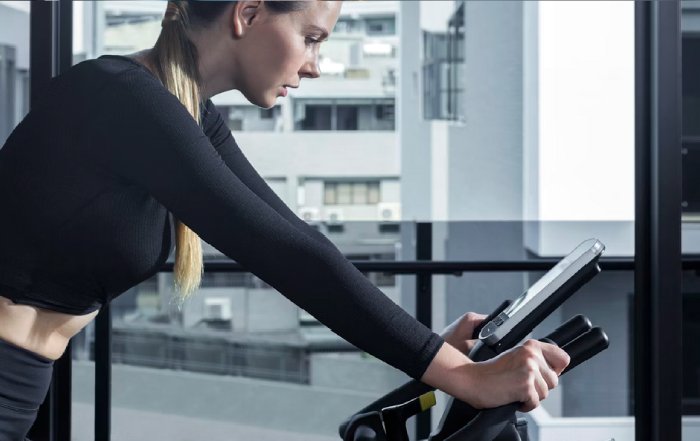
If the early wave of connected fitness was dominated by smart bikes and treadmills, the current phase centers on intelligent strength and functional training systems that bring gym-grade resistance and coaching into homes, small studios, and corporate environments. Devices from brands such as Tonal, NordicTrack, and Technogym now combine digital resistance, motion tracking, and large-format displays to deliver guided strength sessions with real-time form cues, progressive loading, and integrated performance analytics. These systems have been adopted not only in affluent households in the United States, Canada, and Australia, but also in high-end residential buildings, hotel chains, and workplace wellness centers that seek to differentiate their amenities. Those tracking macro trends in home and connected equipment can review analyses from Deloitte, which highlight the shift toward multi-modal, software-centric offerings and the importance of recurring subscription revenue.
For the audience of FitBuzzFeed physical training content, smart strength systems align with a growing emphasis on movement quality, joint health, and long-term resilience rather than purely aesthetic goals. Busy professionals in London, Frankfurt, or Singapore can complete evidence-based strength sessions in 30-40 minutes at home, guided by AI-informed programming that adapts to their progress and schedule. Yet the business model for hardware-centric companies has become more demanding, particularly after the volatility of pandemic-era demand. Investors now scrutinize unit economics, hardware reliability, churn rates, and ecosystem interoperability more closely, drawing on frameworks from institutions like PwC, which examine how hardware-software hybrids can achieve sustainable growth. As a result, many brands are opening their platforms to third-party apps and data-sharing standards, acknowledging that users expect their training history to move with them across devices and services rather than being locked into proprietary silos.
Data Governance, Privacy, and Regulatory Convergence
The explosion of health-adjacent data collected by fitness apps, wearables, and connected equipment has elevated privacy and security from a back-office concern to a board-level strategic priority. By 2026, regulators in the European Union, the United States, the United Kingdom, Brazil, and other jurisdictions have intensified scrutiny of how companies collect, store, analyze, and monetize personal information, particularly when it can be linked to health, location, or behavioral profiles. The General Data Protection Regulation (GDPR) remains a global benchmark for data protection, influencing legislation in countries from South Africa to Japan, while the European Commission continues to refine its guidance on AI, data sharing, and cross-border data flows in digital health and wellness. Learn more about evolving privacy frameworks and their impact on digital services by consulting official EU resources.
For fitness companies, compliance is only part of the equation; the deeper issue is trust. Users who share intimate data about their heart rate, sleep, menstrual cycles, or stress levels increasingly expect clear, concise explanations of how that data will be used and what safeguards are in place to prevent misuse. Organizations that align with best practices articulated by bodies such as the U.S. Federal Trade Commission, including data minimization, explicit consent, and transparent opt-out mechanisms, are better positioned to retain customers and secure enterprise contracts with employers, insurers, or healthcare systems. On FitBuzzFeed business pages, coverage of mergers, acquisitions, and strategic partnerships now routinely examines not only product fit and market reach but also the robustness of data governance frameworks and cybersecurity capabilities, reflecting the reality that reputational damage from a breach or misuse of data can have long-lasting commercial consequences.
Corporate Wellness, Remote Work, and Evolving Career Paths
As hybrid and remote work models become entrenched across North America, Europe, and parts of Asia-Pacific, technology-enabled fitness has become an integral component of corporate wellness strategies and talent management. Employers from multinational banks in London and New York to technology firms in Berlin, Toronto, and Singapore are offering digital fitness subscriptions, virtual group classes, mindfulness programs, and integrated health assessments as part of their benefits portfolios, often tied to broader diversity, equity, and inclusion goals. Research from Gallup and case studies discussed by Harvard Business Review underline the link between employee well-being, engagement, and business performance, encouraging organizations to move beyond token wellness initiatives toward more comprehensive, data-informed programs that address physical, mental, and social health.
These shifts are reshaping career paths within the fitness and wellness sector, a theme regularly explored on the FitBuzzFeed jobs section. Personal trainers, physiotherapists, nutrition coaches, and psychologists are increasingly building hybrid practices that combine in-person sessions with digital offerings, enabling them to serve clients in multiple countries and time zones. At the same time, new roles have emerged at the intersection of fitness, technology, and business: product managers who understand both training science and user experience design; data analysts who can interpret performance metrics for elite teams or health insurers; content strategists who craft culturally relevant programs for audiences in France, Italy, Malaysia, or South Africa. Professionals who pair deep domain expertise with digital fluency and cross-cultural awareness are finding opportunities not only within traditional fitness brands but also within healthcare systems, insurers, and technology companies that now view wellness as a core pillar of their value propositions.
Integrated Nutrition, Preventive Health, and Clinical Partnerships
Nutrition, once treated as an adjunct to training, is now fully integrated into the digital fitness journey, supported by more precise data and closer alignment with preventive healthcare. Mobile apps and connected devices help users track dietary intake, micronutrient patterns, and glycemic responses, increasingly drawing on research from institutions like Harvard T.H. Chan School of Public Health, which provides evidence-based guidance on dietary patterns associated with reduced risk of cardiovascular disease, diabetes, and certain cancers. For readers of the FitBuzzFeed nutrition channel, the emphasis has shifted toward sustainable, culturally adaptable eating strategies that support performance, body composition, and long-term health rather than short-term, restrictive fads.
Healthcare providers and insurers in the United States, United Kingdom, Singapore, and other innovation-focused markets are experimenting with programs that integrate digital fitness and nutrition platforms into preventive care pathways, particularly for individuals at risk of metabolic syndrome, obesity, or musculoskeletal disorders. Partnerships between technology companies and clinical institutions such as the Mayo Clinic and Cleveland Clinic explore how remote monitoring, digital coaching, and structured lifestyle interventions can complement traditional in-person care and potentially reduce hospitalizations and long-term treatment costs. On the FitBuzzFeed health and world pages, readers can follow how these experiments play out in different regulatory and cultural contexts, from value-based care models in the United States to national health systems in Europe and emerging digital health initiatives in Asia and Africa, each with distinct reimbursement structures, clinical governance requirements, and public expectations.
Global Expansion, Local Culture, and Brand Differentiation
Technology has given fitness brands the ability to reach users in virtually any market, but by 2026 it is clear that global reach without local understanding is a recipe for underperformance or outright failure. Training preferences, body ideals, and attitudes toward gyms versus outdoor activity vary significantly between, for example, Germany and Brazil, or Japan and South Africa, and regulatory environments differ just as widely. Companies that succeed in building durable global franchises invest in localization not only in language but in content design, pricing, community engagement, and partnerships with local organizations, often guided by market intelligence from firms such as KPMG, which analyze how consumer behavior and regulatory structures differ across regions. Learn more about sustainable business practices and international expansion strategies through resources provided by the World Bank, which examines how digital services adapt to diverse economic and infrastructural contexts.
For the global audience of FitBuzzFeed world news, understanding these nuances is essential to interpreting why certain fitness technologies gain rapid traction in Nordic countries, Singapore, or South Korea, while others resonate more strongly in Latin American or African markets where mobile data costs, payment systems, and cultural attitudes toward structured exercise may differ. Brands that demonstrate respect for local expertise-by partnering with regional sports federations, healthcare providers, or community organizations-are better able to tailor offerings that feel relevant rather than imported. This sensitivity is also becoming an important trust signal: users in France, Italy, Thailand, or South Africa are more likely to engage with platforms that acknowledge local realities and regulatory norms rather than assuming that a one-size-fits-all model developed in Silicon Valley or London will automatically transfer.
Events, Communities, and Hybrid Participation Models
Despite the rise of digital platforms, live events remain a central pillar of the fitness and sports ecosystem, and by 2026 most major events operate on a hybrid model that blends physical participation with digital access and data integration. Marathons in New York, Berlin, Tokyo, and Cape Town, global obstacle course races, CrossFit competitions, and wellness festivals now offer virtual race entries, remote leaderboards, real-time tracking, and post-event analytics, enabling participants from Canada, Spain, Brazil, or New Zealand to share in the experience even if they cannot travel. Industry gatherings such as FIBO in Germany and CES in the United States continue to serve as focal points for product launches and strategic partnerships in fitness technology, drawing stakeholders from startups, global brands, investors, and research institutions. Those following the business side of sports and events can find additional context through outlets like Sports Business Journal, which documents sponsorship trends, media rights, and fan engagement strategies.
For communities, the key development is the continuity that technology enables between these peak events. Social features within training apps, dedicated online groups, and localized meetups allow participants to prepare together, share race-day experiences, and maintain momentum afterward, creating ongoing engagement rather than one-off spikes. On the FitBuzzFeed events page, coverage increasingly highlights how organizers blend in-person energy with digital scalability, from live-streamed expert panels on recovery and injury prevention to interactive workshops on topics such as strength training for endurance athletes or nutrition for shift workers. This hybrid community model supports both performance-focused athletes and lifestyle-oriented participants, offering multiple entry points and progression paths that reflect different life stages, cultural backgrounds, and personal goals.
Strategic Trust, Editorial Integrity, and the Role of FitBuzzFeed
Across all of these developments-wearables, AI coaching, immersive training, corporate wellness, preventive health, and global expansion-one theme stands out as the strategic linchpin of the 2026 fitness economy: trust. Consumers entrust platforms with sensitive data about their bodies and habits; employers rely on digital wellness tools to support their workforce; healthcare systems experiment with integrating commercial technologies into clinical pathways; investors allocate capital based on assumptions about long-term user engagement and regulatory resilience. Research from organizations such as the OECD underscores that trust is a fundamental enabler of digital transformation, influencing adoption rates, policy responses, and economic outcomes across sectors, and fitness is increasingly recognized as part of this broader digital health landscape.
For FitBuzzFeed, which serves a diverse readership spanning fitness enthusiasts, coaches, healthcare professionals, technologists, and business leaders in North America, Europe, Asia, Africa, and South America, this environment demands a rigorous commitment to experience, expertise, authoritativeness, and transparency. Editorial coverage on the FitBuzzFeed technology section, business hub, and broader homepage is shaped by the understanding that readers are not only seeking information about the latest product launches or app features, but also looking for nuanced interpretation of scientific findings, regulatory changes, and long-term market dynamics that will affect their careers, investments, and health decisions. By connecting developments in sports performance, fitness technology, corporate wellness, and global health policy, and by linking out to specialized resources such as World Health Organization guidelines or Harvard T.H. Chan School of Public Health research when appropriate, the platform aims to provide a coherent, trustworthy perspective in a field that is evolving quickly and sometimes chaotically.
As 2026 unfolds, technology is no longer an optional layer on top of the fitness industry; it is the infrastructure through which value is created, delivered, and measured, from AI-personalized training plans and immersive experiences to integrated nutrition coaching and cross-border corporate wellness programs. The organizations and professionals who will shape the next decade of fitness, health, and human performance are those who combine cutting-edge tools with a clear ethical compass, grounded expertise, and a long-term commitment to user well-being. In that context, the role of platforms like FitBuzzFeed is not merely to report on trends, but to help a global audience navigate them with discernment, aligning innovation with the enduring principles of trust, evidence, and human-centered design.