

Esports vs. Traditional Sports in the United States: How a New Powerhouse Is Reshaping Competition by 2026
A New Competitive Landscape for American Sports
By 2026, the United States remains one of the world's most influential sports markets, with traditional leagues such as the National Football League (NFL), National Basketball Association (NBA), Major League Baseball (MLB), and National Hockey League (NHL) still anchoring national identity, family rituals, and local pride. These leagues continue to dominate broadcast schedules, command premium sponsorships, and generate billions in annual revenue, reinforcing their status as cultural institutions rather than mere entertainment products. At the same time, organized competitive gaming, or esports, has moved decisively from the margins into the mainstream, becoming a global entertainment force that speaks directly to younger, digital-first audiences in the United States, Europe, and across Asia.
This shift is particularly relevant to the community around fitbuzzfeed.com, where readers follow developments in sports, fitness, health, business, technology, and lifestyle trends that cut across regions such as North America, Europe, and Asia. For this audience, the rise of esports is not simply an entertainment story; it is a case study in how technology, health, performance, and global business models are converging to redefine what it means to be an athlete, a fan, and a stakeholder in the sports economy.
The Enduring Power of Traditional Sports in the U.S.
Traditional American sports retain enormous cultural and economic weight in 2026. The Super Bowl remains the single most-watched live event in the United States, while the NBA Finals and World Series still function as national rituals that blend competition with music, celebrity culture, and major brand activations. The emotional attachment to teams such as the Dallas Cowboys, Los Angeles Lakers, New York Yankees, and Boston Red Sox is reinforced by decades of family allegiance, local media coverage, and community identity. For many fans in the United States, Canada, the United Kingdom, Germany, and beyond, these brands are synonymous with the very idea of elite sport.
Economically, traditional leagues continue to demonstrate their scale and sophistication. Multi-year media rights agreements with networks such as ESPN, Fox Sports, and NBC Sports still underpin league revenues, even as streaming services gain ground. Analysts tracking the sports industry through sources like Forbes and Statista report that the NFL alone generates well over $18 billion annually, while the NBA and MLB sustain multibillion-dollar ecosystems that support franchises, arenas, media companies, and regional economies. Brands such as Nike, Adidas, PepsiCo, and Amazon continue to invest heavily in jersey sponsorships, stadium naming rights, and integrated campaigns, confident that traditional sports still deliver unmatched reach and credibility among broad age groups.
For the fitbuzzfeed.com readership, the traditional sports model remains closely linked to high-performance physical training, nutrition, and recovery. The conditioning programs used in the NFL, NBA, and NHL are studied by coaches, trainers, and enthusiasts worldwide, with many principles adapted into consumer fitness regimes and performance-focused content on platforms like fitbuzzfeed.com/physical. Yet even as these leagues thrive, they now coexist with a powerful new competitor whose strengths lie in interactivity, digital reach, and global accessibility.
Esports Comes of Age by 2026
Esports in the United States has passed the experimental phase and entered a period of consolidation and professionalization. Titles such as League of Legends, Valorant, Counter-Strike 2, Fortnite, and Call of Duty anchor a calendar of domestic and international competitions that attract millions of concurrent viewers online and fill arenas from Los Angeles to Berlin and Seoul. Organizations like Riot Games, Activision Blizzard, and Epic Games have refined league structures, franchising models, and revenue-sharing systems, positioning esports as a sustainable business rather than a speculative trend.
Industry research firms such as Newzoo and Deloitte have documented steady revenue growth driven by sponsorships, media rights, digital advertising, and in-game purchases. By the mid-2020s, global esports revenues have comfortably exceeded the billion-dollar mark, with the United States, China, South Korea, and major European markets such as Germany, France, and the United Kingdom serving as key hubs. Streaming platforms like Twitch and YouTube Gaming remain central to distribution, enabling real-time interaction between players and fans that traditional television cannot easily replicate.
The competitive ecosystem has matured significantly. Franchise-based leagues such as the League of Legends Championship Series (LCS) in North America, as well as global events like the League of Legends World Championship and The International in Dota 2, now offer prize pools comparable to high-level traditional sports events, while also generating substantial sponsorship value. This evolution has made esports more attractive to institutional investors, mainstream brands, and media outlets that once viewed gaming as a niche pastime. For readers engaged with fitbuzzfeed.com/news and fitbuzzfeed.com/world, the internationalization of esports illustrates how quickly a digitally native industry can scale across borders, cultures, and time zones.
Shifting Demographics and Global Fan Cultures
One of the clearest distinctions between traditional sports and esports in 2026 is the demographic composition of their core audiences. Traditional U.S. leagues still draw heavily from viewers aged 35 and above, many of whom grew up with linear television and local team allegiances. In contrast, esports audiences skew younger, more globally distributed, and more comfortable with multitasking and second-screen engagement. Research from organizations such as Pew Research Center and Nielsen Sports indicates that the majority of esports fans fall within the 18-34 age bracket, a group that brands increasingly struggle to reach through conventional broadcast advertising.
Esports fandom is also inherently transnational. A teenager in the United States may support a South Korean League of Legends star, watch a European Counter-Strike team, and follow influencers in Japan and Brazil, all in the same week, with minimal friction. This stands in contrast to the geographically anchored loyalties of traditional sports, where support is often tied to city, region, or national identity. For the fitbuzzfeed.com community, which tracks sports and wellness trends from the United States to the United Kingdom, Germany, Singapore, and South Africa, esports offers a case study in how global fan communities form around shared digital experiences rather than physical proximity.
Crucially, esports blurs the line between spectator and participant. Many fans actively play the games they watch at a recreational or semi-competitive level, creating a feedback loop that deepens engagement and extends the life cycle of each title. This participatory culture aligns with broader trends in digital entertainment and social media, where audiences expect to interact, create, and share rather than consume passively. For a platform like fitbuzzfeed.com/lifestyle, which tracks how people integrate sport, wellness, and technology into daily routines, this participatory ethos is central to understanding why esports resonates so strongly with younger demographics.
Business Models and Revenue Innovation
Traditional U.S. leagues have spent decades refining their business models, which remain anchored in media rights, ticketing, sponsorships, and merchandising. Long-term broadcast deals with major networks and streaming platforms provide reliable income, while stadium and arena experiences generate high-margin revenue from premium seating, concessions, and hospitality. Organizations such as the NFL, NBA, and MLB also benefit from robust licensing arrangements, both domestically and across major markets in Europe, Asia, and Latin America. Analysts following global sports finance through outlets like Sports Business Journal and KPMG's sports reports continue to highlight the resilience of this model, even as consumer behavior shifts.
Esports, by contrast, is inherently digital and more diversified in its revenue streams. While sponsorships from companies such as Intel, Red Bull, BMW, and Logitech remain critical, game publishers also monetize through in-game cosmetic purchases, battle passes, and digital events that extend far beyond the competitive calendar. Streaming platforms enable direct-to-consumer revenue via subscriptions, donations, and digital tipping, while tournament organizers and teams develop their own merchandising and content strategies. For business-focused readers on fitbuzzfeed.com/business, esports demonstrates how virtual goods, data-driven personalization, and community engagement can be integrated into a coherent commercial framework.
Convergence between the two models is accelerating. The NBA 2K League, co-founded by the NBA and Take-Two Interactive, and the esports initiatives of organizations such as Formula 1 and FIFA show how traditional rights holders are experimenting with digital extensions of their brands. At the same time, leading esports organizations are adopting governance, compliance, and commercial practices more commonly associated with established sports teams, including long-term player contracts, performance staff, and global sponsorship portfolios. Executives and investors can learn more about these hybrid strategies through resources such as McKinsey's sports and gaming insights and PwC's sports outlooks, which increasingly treat esports as a core part of the broader sports and media ecosystem rather than an outlier.
Training, Health, and Performance: Physical vs Cognitive Demands
For the fitbuzzfeed.com audience, the comparison between training and health in traditional sports and esports is particularly important. Elite traditional athletes in leagues like the NFL, NBA, and NHL follow highly structured regimes that combine strength and conditioning, cardiovascular training, skill-specific drills, and detailed nutrition and recovery protocols. Sports science research from institutions such as the U.S. Olympic & Paralympic Committee and Gatorade Sports Science Institute informs everything from hydration strategies to sleep optimization, with teams investing heavily in performance analytics, wearable technology, and individualized load management.
Esports athletes, while not subject to the same levels of physical impact, face distinct performance and health challenges that are now being taken more seriously by teams and governing bodies. Top-level players in titles such as League of Legends, Valorant, and Counter-Strike 2 routinely practice 8-12 hours per day, combining mechanical drills, scrimmages, video review, and strategic planning. This intensity places strain on vision, posture, and musculoskeletal health, particularly in the hands, wrists, neck, and lower back. Organizations and practitioners focused on player health, including initiatives highlighted by Esports Health and Performance Institute and resources from the American Physical Therapy Association, emphasize ergonomics, stretching routines, strength training, and scheduled breaks as essential components of sustainable performance.
By 2026, many leading esports organizations employ physical trainers, sports psychologists, and nutritionists, mirroring the holistic performance models of traditional sports. Teams in North America, Europe, and Asia are integrating gym sessions, cardiovascular exercise, and mindfulness practices into daily schedules, recognizing that cognitive performance is closely linked to overall wellness. This evolution aligns with the broader focus on integrated health promoted across fitbuzzfeed.com/wellness, fitbuzzfeed.com/nutrition, and fitbuzzfeed.com/health, where readers expect a rigorous, evidence-based discussion of how physical and mental health intersect in high-performance environments.
Sponsorship, Brands, and Lifestyle Influence
Traditional sports have long served as a platform for some of the world's most powerful consumer brands. Companies such as Coca-Cola, Budweiser, Visa, and Samsung have built decades of association with events like the Super Bowl, Olympic Games, and FIFA World Cup, shaping public perception of both the brands and the sports themselves. These partnerships extend into apparel, footwear, and equipment, with brands like Nike, Adidas, and Under Armour using athlete endorsements to drive global fashion and fitness trends. Readers tracking brand strategies on fitbuzzfeed.com/brands and fitbuzzfeed.com/lifestyle will recognize how these relationships influence everything from gym wear to street style in markets from the United States and Canada to Italy, Spain, and Japan.
Esports has rapidly become a complementary platform for brand storytelling, particularly among younger consumers who spend more time on digital platforms than on traditional television. Energy drink companies such as Red Bull and Monster Energy, technology leaders like Intel, NVIDIA, and AMD, and automotive brands including BMW and Mercedes-Benz have invested in team sponsorships, tournament partnerships, and content collaborations that position gaming as a central element of modern lifestyle. Luxury and fashion brands have also entered the space; for example, collaborations between Louis Vuitton and Riot Games signaled a new level of cultural legitimacy for esports, while sportswear leaders like Puma and Adidas now produce esports-specific apparel lines.
From a marketing perspective, esports offers brands the ability to integrate directly into the experience rather than interrupt it. Skins, in-game billboards, branded events, and creator-led campaigns allow for subtle yet powerful messaging that aligns with the expectations of digital-native consumers. Resources such as WARC's esports marketing reports and IAB's gaming and esports playbooks provide deeper analysis of how brands are structuring campaigns in this environment. For the fitbuzzfeed.com audience, which follows both performance and lifestyle trends, esports demonstrates how athletic identity is increasingly defined not just by physical ability but by digital presence, community engagement, and cross-platform storytelling.
Technology as the Engine of Transformation
Technology continues to reshape both traditional sports and esports, but in different ways and at different speeds. In traditional sports, advances in data analytics, computer vision, and wearable sensors have transformed training, scouting, and in-game decision-making. Systems such as Hawk-Eye, VAR, and player tracking tools used in the NBA and NFL provide coaches and analysts with granular insights into movement, workload, and tactical efficiency. Fans benefit from more sophisticated broadcasts, enhanced statistics, and interactive second-screen experiences delivered through league apps and platforms like ESPN and BBC Sport.
Esports, by contrast, is native to the digital environment. High-speed broadband, 5G connectivity, and powerful consumer hardware have enabled seamless online competition across continents, while cloud gaming and cross-platform integration are reducing hardware barriers for players in emerging markets in Asia, South America, and Africa. Streaming platforms, particularly Twitch and YouTube, function not only as broadcasters but as social networks and commerce engines, where creators build personal brands, sell merchandise, and collaborate with sponsors in real time. Analysts exploring the broader implications of this shift can review research from MIT Sloan Sports Analytics Conference and Harvard Business Review on how digital technology is redefining sports and entertainment.
Looking ahead, immersive technologies such as augmented reality and virtual reality are expected to blur the boundaries between physical and digital competition even further. Experimental projects in the United States, South Korea, Japan, and Europe are already testing hybrid events where spectators can experience live sports in virtual arenas or participate in mixed-reality competitions. For the fitbuzzfeed.com/technology readership, this convergence represents a critical frontier: the future sports experience is likely to be multi-layered, data-rich, and personalized, whether the underlying competition takes place on a field, a court, or a digital map.
Employment, Education, and Long-Term Career Pathways
The economic footprint of traditional sports in the United States remains vast, encompassing not only athletes and coaches but also stadium staff, media professionals, hospitality workers, and a wide range of service providers. Major events such as the Super Bowl, NBA All-Star Weekend, and World Series have measurable impacts on local employment and tourism, as documented by organizations such as the U.S. Bureau of Labor Statistics and World Economic Forum. These events also support a network of ancillary industries, from sports medicine and equipment manufacturing to security and transportation.
Esports is building its own employment ecosystem that intersects with gaming, media, and technology. Professional opportunities extend far beyond players and coaches to include shoutcasters, analysts, content producers, social media managers, event organizers, software developers, and performance staff. Job seekers exploring this space can consult resources such as Hitmarker and GamesIndustry.biz for insight into the breadth of roles now available. For career-focused readers on fitbuzzfeed.com/jobs, esports represents an emerging sector where passion for gaming can translate into viable, long-term employment, both in the United States and in markets such as the United Kingdom, Germany, Singapore, and Brazil.
Educational institutions have responded quickly. In addition to the long-established role of the NCAA and collegiate athletics in developing traditional sports talent, more than 200 universities and colleges in North America now offer varsity esports programs, scholarships, or dedicated facilities. Leading institutions such as the University of California, Irvine and Harrisburg University have developed comprehensive esports initiatives that combine competitive teams with academic programs in game design, digital media, psychology, and business. This trend is mirrored in Europe and Asia, where universities in the United Kingdom, South Korea, and China are incorporating esports into curricula and campus life. For readers interested in structured development pathways, fitbuzzfeed.com/training can serve as a lens on how both traditional and digital sports are investing in the next generation of talent.
Events, Experiences, and the Future of Fan Engagement
Major sporting events in the United States continue to function as economic catalysts and cultural touchstones. The Super Bowl remains a benchmark for advertising innovation and brand storytelling; the NBA Finals and Stanley Cup bring global attention to host cities; and college events such as March Madness sustain high levels of engagement across regions and demographic groups. These events are also central to the lifestyle dimension of sport, shaping travel plans, social gatherings, and community rituals that are closely followed by audiences of platforms like fitbuzzfeed.com/events and fitbuzzfeed.com/lifestyle.
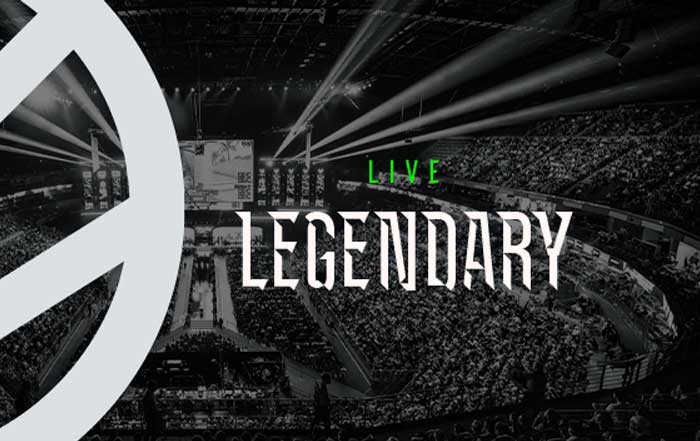
Esports events now offer a parallel form of spectacle. World championships for games like League of Legends, Valorant, and Fortnite routinely sell out major arenas in the United States, Europe, and Asia, while attracting tens of millions of concurrent viewers online. Production values rival those of traditional sports, with elaborate stage designs, augmented reality effects, and live musical performances. For many younger fans in the United States, Canada, Australia, and across Asia, attending a major esports event delivers the same sense of belonging and excitement that older generations associate with the Super Bowl or World Series. Industry observers can explore this shift further through coverage on outlets such as The Esports Observer and GamesBeat.
Hybrid models are emerging as well. Traditional sports leagues are integrating gaming zones, esports showcases, and interactive digital experiences into their live events, while esports tournaments increasingly feature fitness zones, wellness activations, and collaborations with traditional athletes. For the fitbuzzfeed.com community, which values both physical activity and digital engagement, this convergence signals a future in which being a sports fan involves moving fluidly between stadiums, gyms, and online platforms, often within the same weekend.
Outlook to 2030: Coexistence, Convergence, and Opportunity
Looking toward 2030, the most realistic scenario for the United States and other major markets is one of coexistence and convergence rather than zero-sum competition between esports and traditional sports. Established leagues are likely to maintain their revenue dominance and cultural prestige, especially in regions where they are deeply embedded in national identity, such as the United States, the United Kingdom, and parts of Europe. Their challenge will lie in continuing to modernize media strategies, embrace data-driven personalization, and create digital experiences that resonate with younger fans who have grown up with streaming and interactive platforms.
Esports, meanwhile, is poised to continue its expansion as infrastructure improves and gaming becomes even more ubiquitous across devices and demographics. The combination of low barriers to entry, global accessibility, and constant innovation in game design and distribution suggests that esports will remain a powerful driver of engagement, particularly among audiences in Asia, North America, and Europe. For businesses, investors, and professionals following trends on fitbuzzfeed.com/business, the key opportunities will involve building bridges between these worlds: cross-over sponsorships, joint events, shared training methodologies, and integrated content strategies that recognize fans' increasingly hybrid identities.
For individuals focused on performance, health, and wellness through fitbuzzfeed.com/fitness, fitbuzzfeed.com/wellness, and related sections, the dual rise of traditional and digital sports offers a diversified set of role models and pathways. Traditional athletes will continue to embody peak physical conditioning and team-based resilience, while esports professionals highlight the importance of cognitive performance, mental health, and disciplined digital habits. Together, they expand the definition of what it means to be an athlete in the 21st century.
In this evolving landscape, fitbuzzfeed.com is positioned to serve as a trusted guide, connecting developments in sports, health, business, technology, and lifestyle across regions from North America and Europe to Asia and beyond. By tracking both the enduring strengths of traditional sports and the rapid ascent of esports, readers can better understand not only where the sports industry stands in 2026, but also how it will shape careers, communities, and cultures in the years leading up to 2030 and beyond.