

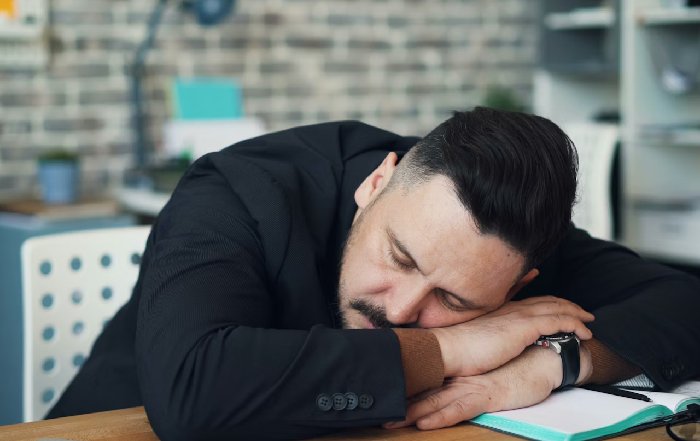
Why Sleep Is the Ultimate Biohack for Success
Rethinking Success: Why Sleep Now Sits at the Center of High Performance
Sleep has moved from being treated as a negotiable luxury to being recognized as a central pillar of sustainable success across business, sport, and everyday life. On FitBuzzFeed, where readers follow the latest in performance, health, sport, and lifestyle, the conversation has shifted decisively from hustling longer to recovering smarter. Leaders in the United States, Europe, and across Asia increasingly acknowledge that the most powerful "biohack" available is not a new supplement, wearable, or productivity framework, but the deep, regular, high-quality sleep that underpins every dimension of human performance.
For years, high achievers in cities from New York and London to Singapore and Sydney embraced a culture of late nights and early mornings, often celebrating those who claimed to thrive on four or five hours of rest. However, a growing body of evidence from organizations such as Harvard Medical School and the National Institutes of Health has shown that chronic sleep restriction erodes cognitive function, emotional stability, and physical health in ways that no amount of caffeine or willpower can offset. Readers who follow the latest research on health and performance increasingly recognize that sleep is not a passive state of inactivity, but a highly active biological process that recalibrates the brain, repairs the body, and optimizes the systems that drive success in work, sport, and life.
As high-growth companies, elite sports teams, and forward-thinking governments across North America, Europe, and Asia invest in sleep science, a new paradigm has emerged: sleep is no longer an obstacle to ambition but the most accessible and evidence-backed performance enhancer available to professionals, athletes, and entrepreneurs worldwide.
The Science of Sleep: A High-Performance Operating System
Sleep operates as a biological operating system that governs how the brain and body function during waking hours. Leading institutions such as Stanford University and University College London have shown that during the deeper stages of non-REM sleep, the brain consolidates memories, strengthens neural connections, and clears metabolic waste products through the glymphatic system, while REM sleep supports emotional regulation, creative insight, and problem-solving capacity. Those who want to understand how these phases work at a deeper level can explore the neuroscience of sleep through resources such as the National Sleep Foundation.
From a performance standpoint, sleep modulates key neurotransmitters and hormones, including dopamine, serotonin, growth hormone, and cortisol, which collectively influence motivation, mood, stress response, and tissue repair. When sleep is consistently cut short, the prefrontal cortex, responsible for executive functions such as planning, decision-making, and impulse control, becomes less efficient, while the amygdala, the brain's emotional alarm system, becomes more reactive. This imbalance explains why sleep-deprived individuals are more prone to impulsive decisions, emotional volatility, and risk-taking, all of which can undermine performance in boardrooms, on trading floors, and in high-stakes negotiations.
At the same time, high-quality sleep improves insulin sensitivity, cardiovascular function, and immune resilience, which directly affects long-term health and day-to-day energy levels. Readers who track their physical progress through training and performance content on FitBuzzFeed increasingly appreciate that without sufficient sleep, gains from exercise, nutrition, and recovery protocols are significantly blunted. In this sense, sleep is not merely one variable among many; it is the foundational platform on which all other performance strategies depend.
Sleep as a Strategic Asset in Business and Leadership
In the global business community, the perception of sleep has undergone a profound transformation. Influential leaders such as Arianna Huffington, through Thrive Global, and senior executives at organizations like Microsoft and Unilever, have championed sleep as a strategic resource rather than an expendable commodity. Research referenced by McKinsey & Company has linked adequate sleep among executives to better decision quality, stronger strategic thinking, and more ethical leadership, suggesting that the cognitive edge many leaders seek can be unlocked not by working longer hours but by protecting their nightly rest.
In high-pressure markets from the United States and Canada to Germany, Singapore, and Japan, companies are moving beyond superficial wellness perks and investing in sleep-supportive cultures. This includes redesigning shift schedules, reducing after-hours email expectations, and integrating sleep education into leadership development programs. Those who wish to understand how these changes intersect with sustainable corporate strategy can learn more about sustainable business practices through respected international organizations.
For readers of FitBuzzFeed who follow business and career trends, the implications are clear: in a world where artificial intelligence, automation, and global competition compress decision cycles and increase cognitive load, the leaders and teams who consistently sleep well will enjoy sharper judgment, greater resilience under stress, and a more sustainable capacity for innovation. Sleep becomes not just a personal health choice but a competitive advantage in an increasingly complex marketplace.
Elite Sport and Physical Performance: Sleep as the Hidden Training Block
In elite sport, sleep has become as critical as strength training, nutrition, and tactical preparation. Professional organizations such as the NBA, Premier League, and Bundesliga have partnered with sleep scientists and performance coaches to monitor athlete sleep patterns, redesign travel schedules, and create sleep-optimized recovery protocols. Research highlighted by the International Olympic Committee demonstrates that athletes who obtain sufficient, high-quality sleep exhibit faster reaction times, improved accuracy, greater endurance, and lower injury rates compared to those who are chronically sleep-deprived.
For readers who follow sports coverage on FitBuzzFeed, the parallels between elite athletes and ambitious professionals are increasingly evident. Just as a sprinter in South Africa or a footballer in Spain cannot sustain peak performance without proper recovery, a founder in Silicon Valley or a portfolio manager in London cannot maintain consistent excellence if sleep is constantly sacrificed. Those interested in the physiological details of how sleep affects muscle repair, hormone balance, and performance adaptation can explore the science of recovery through institutions such as the American College of Sports Medicine, while also integrating guidance from fitness and physical training resources on this platform.
In global endurance events, from marathons in Berlin and Tokyo to ultra-distance races in South America and trail competitions in New Zealand, coaches increasingly treat sleep as a non-negotiable training block. They structure taper weeks, travel itineraries, and post-competition recovery around sleep windows, recognizing that the body's ability to adapt to training stress is inseparable from the quality and consistency of nightly rest.
Cognitive Performance, Creativity, and Innovation
Beyond physical performance and leadership, sleep exerts a profound influence on cognition, creativity, and innovation. Studies from organizations like MIT and Oxford University have shown that sleep facilitates pattern recognition, insight, and the integration of complex information, all of which are essential in fields ranging from software engineering and data science to design, marketing, and strategic consulting. During sleep, especially during REM phases, the brain replays and recombines experiences, forming novel connections that can lead to creative breakthroughs and more elegant problem-solving.
Professionals across Europe, Asia, and North America who rely on high-stakes analytical work increasingly turn to trusted sources such as Nature and Science to understand how sleep supports learning and memory consolidation. Readers of FitBuzzFeed who follow technology and innovation coverage recognize that in a world of rapid digital transformation, the ability to learn quickly, think clearly, and adapt continuously is a critical differentiator, and that sleep is the most accessible way to enhance these capabilities without side effects or long-term trade-offs.
Creative industries in cities such as Los Angeles, London, Seoul, and Berlin are also reexamining long-standing "all-nighter" cultures, as evidence accumulates that chronic sleep loss diminishes originality and increases reliance on clichés and familiar patterns. By contrast, well-rested creators and strategists are more likely to generate fresh ideas, make nuanced judgments, and sustain their output over years rather than burning out after brief periods of intense work.
Metabolic Health, Body Composition, and Long-Term Wellness
On FitBuzzFeed, readers who track nutrition, wellness, and physical health are acutely aware that body composition and metabolic health are central to both performance and quality of life. Sleep plays a critical role in this equation. Research from Mayo Clinic and Cleveland Clinic has demonstrated that inadequate sleep disrupts the balance of hormones that regulate appetite and satiety, including ghrelin and leptin, leading to increased hunger, cravings for high-calorie foods, and impaired glucose metabolism.
This hormonal disruption contributes to higher rates of obesity, type 2 diabetes, and cardiovascular disease across regions as diverse as the United States, the United Kingdom, China, and Brazil. Those who want to understand the global burden of sleep-related metabolic disorders can explore data provided by the World Health Organization, which increasingly highlights sleep as a public health priority alongside nutrition and physical activity. Readers who invest in structured training programs, whether for strength, endurance, or body recomposition, will find that aligning sleep duration and timing with their training plans dramatically improves results, making it easier to lose fat, gain muscle, and maintain stable energy throughout the day.
In this way, sleep serves as a silent multiplier of the benefits derived from diet and exercise. Without it, even the most carefully designed meal plans and workout schedules will deliver only partial returns, while adequate, high-quality sleep can transform modest lifestyle changes into significant, sustainable improvements in health and performance.
Mental Health, Emotional Resilience, and Social Success
As global awareness of mental health grows, particularly in countries such as Canada, Australia, Sweden, and South Korea, sleep has emerged as a central factor in emotional stability and psychological resilience. Leading organizations like The Lancet and World Psychiatry have documented strong links between chronic sleep disturbance and conditions such as anxiety, depression, and burnout. Conversely, consistent, restorative sleep strengthens emotional regulation, improves stress tolerance, and enhances the ability to maintain healthy relationships at work and at home.
For readers who follow lifestyle and wellness stories on FitBuzzFeed, this connection between sleep and emotional well-being is especially relevant. In high-pressure environments, whether in financial hubs like Frankfurt and Zurich or rapidly growing tech centers in Bangalore and Shenzhen, professionals often rely on stimulants, digital distraction, and late-night work sessions to cope with stress, inadvertently creating a cycle of poor sleep and heightened anxiety. Mental health experts, including those at Mind in the United Kingdom and NAMI in the United States, emphasize that improving sleep hygiene is one of the most effective, low-cost interventions for enhancing mood and reducing psychological distress.
Furthermore, sleep influences social cognition-the ability to read facial expressions, interpret tone, and respond with empathy. In leadership, sales, client service, and team-based work, these subtle interpersonal skills are critical. Well-rested individuals are more likely to manage conflict constructively, build trust, and maintain strong professional networks, all of which directly support long-term career success.
Global Work Trends, Remote Culture, and the Future of Sleep
The evolution of work since the early 2020s, particularly with the expansion of remote and hybrid models, has reshaped how people across North America, Europe, Asia, and Africa experience time, boundaries, and rest. While remote work offers flexibility, it also blurs the line between professional and personal life, making it easier for work to spill into evenings and nights. Organizations such as the International Labour Organization and OECD have examined the impact of these changes on working hours, stress levels, and sleep duration, highlighting both risks and opportunities.
For the global audience of FitBuzzFeed who follow world and news coverage and current events, it is increasingly clear that the future of high-performing workplaces will be shaped by how well companies and individuals manage digital overload and protect recovery time. Some forward-thinking employers in countries like Denmark, the Netherlands, and New Zealand are experimenting with four-day workweeks, protected "no-meeting" blocks, and right-to-disconnect policies, all of which indirectly support better sleep by reducing late-night work obligations and screen exposure.
At the same time, the global wellness and performance technology sector has expanded rapidly, with companies developing tools to track sleep stages, heart rate variability, and circadian rhythms. While these technologies, championed by brands like Garmin, Apple, and Oura, can provide valuable insights, experts caution that metrics should be used to support, not replace, internal cues and evidence-based sleep practices. Those interested in the intersection of technology and performance can explore more through FitBuzzFeed's technology coverage, which often highlights both the promise and limitations of digital tools in optimizing human potential.
Careers, Employability, and the Competitive Edge of Being Well-Rested
In an increasingly competitive global job market, where professionals in the United States, the United Kingdom, Germany, India, and Singapore compete for roles that demand complex problem-solving and sustained focus, sleep has become a hidden factor in employability and career longevity. Recruiters and hiring managers may not ask candidates directly about their sleep habits, yet they consistently evaluate qualities such as clarity of thought, emotional stability, creativity, and resilience under pressure, all of which are strongly influenced by sleep quality.
Readers of FitBuzzFeed who monitor jobs and career insights can view sleep as an investment in long-term professional viability. Over years and decades, those who consistently protect their sleep are more likely to avoid burnout, maintain cognitive agility, and continue learning new skills, whether in data science, sustainable finance, digital marketing, or sports management. Organizations such as World Economic Forum have highlighted the growing importance of "human skills" such as critical thinking, collaboration, and emotional intelligence, all of which are undermined by chronic sleep deprivation.
In this sense, sleep becomes part of a broader personal brand of reliability, composure, and performance. Just as professionals curate their online presence and invest in continuous education, they can also cultivate a reputation for being consistently sharp, calm, and effective, which quietly signals to employers, clients, and partners that they can be trusted with complex challenges and leadership responsibilities.
Brands, Events, and the Commercial Rise of Sleep as a Performance Category
Over the past decade, the market for sleep-related products and services has expanded dramatically, encompassing everything from smart mattresses and circadian lighting to specialized supplements and sleep-focused retreats. Global brands in North America, Europe, and Asia have recognized that as consumers become more educated about the importance of sleep, they are increasingly willing to invest in environments and experiences that support better rest. On FitBuzzFeed, where readers follow brands and events at the intersection of health, sport, and lifestyle, this trend is visible in partnerships between sports organizations, technology companies, and wellness providers.
Major conferences in cities such as San Francisco, London, and Singapore now include dedicated tracks on sleep science, recovery, and human performance, featuring experts from institutions like Johns Hopkins Medicine and Karolinska Institute. These events underline that sleep is no longer confined to medical or academic discussions but is now a mainstream topic in business, technology, and sport. At the same time, hospitality groups and airlines are redesigning rooms, cabins, and service protocols to prioritize rest, recognizing that well-rested travelers and executives are more satisfied, more productive, and more loyal.
For the discerning audience of FitBuzzFeed, this commercial expansion underscores a critical point: while tools and services can enhance sleep environments, the most powerful "biohack" remains the consistent practice of prioritizing sufficient, high-quality sleep within the constraints of real life. Products can assist, but they cannot replace the fundamental behaviors that support healthy sleep.
Integrating Sleep into a Holistic Performance Lifestyle
Ultimately, the recognition of sleep as the ultimate biohack for success reflects a broader shift toward integrated, holistic performance. On FitBuzzFeed, where readers move fluidly between fitness, health, business, and lifestyle content, sleep sits at the intersection of all these domains. It influences how effectively individuals train, how clearly they think, how resiliently they respond to stress, and how sustainably they pursue their ambitions across decades.
In an era defined by rapid technological change, global competition, and constant digital stimulation, the discipline of protecting nightly rest becomes a quiet but powerful act of self-leadership. Professionals, athletes, and creators across the United States, Europe, Asia, Africa, and South America increasingly understand that the question is no longer whether they can afford to sleep, but whether they can afford not to. Those who align their schedules, environments, and habits with the biological realities of sleep position themselves to thrive not just in the next quarter or season, but over the long arc of a career and a life.
For the global community that turns to FitBuzzFeed for insight, inspiration, and evidence-based guidance, the message is clear: sleep is not a weakness to be conquered or a time cost to be minimized, but the most reliable, scientifically grounded, and universally accessible performance enhancer available. In 2026 and beyond, those who treat sleep as a non-negotiable asset rather than a negotiable expense will hold a decisive advantage in health, work, sport, and every other arena where sustained excellence truly matters.