

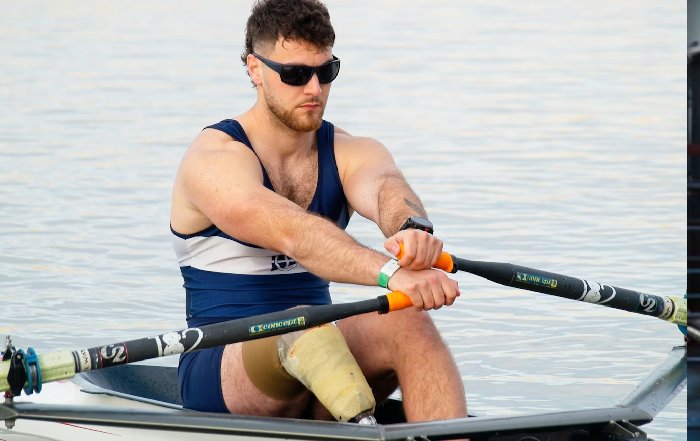
The Mental Game of Returning to Sport After Injury
Reframing Return from Injury: A Mental Performance Imperative
The conversation around returning to sport after injury has shifted from a purely physical narrative to a more holistic, psychologically informed journey that integrates performance science, mental health, and long-term wellbeing. For the global audience of FitBuzzFeed, whose interests span performance, health, business, and lifestyle, the mental game of getting back into competition is no longer a niche concern reserved for elite athletes; it is a strategic and deeply personal process that affects recreational runners in London, professional footballers in Germany, CrossFit enthusiasts in Canada, marathoners in Kenya, esports competitors in South Korea, and corporate executives using sport as their primary outlet for stress across North America, Europe, Asia, and beyond. As research from organizations such as the World Health Organization shows, mental health is inseparable from physical health, and for athletes at any level, navigating the psychological aftermath of injury has become a key determinant of not only performance but also career longevity and quality of life.
This evolving understanding is reshaping how coaches, employers, sports organizations, and medical teams structure rehabilitation and return-to-play protocols. It is also redefining how individuals think about their identities as athletes, professionals, and human beings who must balance ambition with sustainability. On FitBuzzFeed, where readers regularly explore topics such as fitness and performance, health and longevity, and wellness, the mental game of returning to sport is particularly relevant because it sits at the intersection of physical resilience, psychological flexibility, and a modern lifestyle that increasingly requires people to perform at a high level in multiple domains at once.
Understanding the Psychological Impact of Sports Injuries
When an athlete is injured, the immediate attention typically focuses on the body: imaging scans, surgery, rest, and physical therapy. Yet sports psychologists and medical experts from organizations such as the American Psychological Association have long observed that the emotional shock of injury can be just as profound as the physical trauma. Many athletes, whether competing in the National Football League, the Premier League, or local amateur leagues in Australia, Italy, or Brazil, experience a cascade of emotions that may include denial, anger, frustration, anxiety, and even depressive symptoms as they confront sudden limitations and uncertain timelines.
Injuries often threaten an athlete's sense of identity, especially when sport has been central to self-worth, social life, or even professional status. Research summarized by institutions like Harvard Health Publishing has highlighted that loss of routine, social isolation from the team environment, and fear of permanent performance decline can significantly increase the risk of mental health challenges. For younger athletes in schools and universities in the United States, the United Kingdom, and across Europe, this can be compounded by academic pressure and concerns about scholarships or future contracts, leading to a complex web of psychological stressors that extend beyond the playing field.
The modern sports ecosystem has begun to respond to this reality by embedding mental health resources into high-performance environments. Organizations such as the International Olympic Committee have published guidance on safeguarding athlete mental health, and many professional clubs now employ full-time sports psychologists. However, countless recreational athletes and fitness-focused professionals who read FitBuzzFeed may not have access to such structured support, which makes it even more important to understand the mental dynamics at play and proactively build psychological skills that can support a healthy and confident return to training and competition.
Fear of Reinjury: The Invisible Barrier
Among the psychological factors that most strongly influence return-to-sport outcomes, fear of reinjury consistently emerges as one of the most powerful and pervasive. This fear is not simply a vague worry; it is often a specific, embodied anxiety that manifests when an athlete attempts the movement that caused the original injury or when they approach full-speed efforts after months of cautious rehabilitation. Studies compiled by the National Institutes of Health have shown that fear of reinjury can delay return to play, reduce performance intensity, and increase the risk of compensatory movement patterns that may predispose the athlete to new injuries.
In practical terms, this might look like a footballer in Spain hesitating in tackles, a skier in Switzerland avoiding aggressive turns, or a tennis player in Japan subconsciously favoring one side of the body. Even when the medical team has cleared the athlete based on objective criteria, the subjective sense of vulnerability can persist. This disconnect between physical readiness and psychological readiness is where the mental game becomes critical, as returning too early without addressing fear can undermine both performance and confidence, while delaying return unnecessarily can erode competitive edge and trust in one's own body.
For many athletes, learning more about evidence-based rehabilitation and injury prevention through trusted sources such as Mayo Clinic or Cleveland Clinic can help recalibrate fear by replacing catastrophic thinking with informed, realistic risk assessment. On FitBuzzFeed, complementary resources on training and physical performance can support this shift by reinforcing the message that structured, progressive loading and intelligent recovery are the foundation of both safety and high performance, which in turn can reduce the emotional intensity of fear and transform it into a more constructive form of respect for the injury and the return process.
Identity, Status, and the Psychology of Being "Sidelined"
Beyond fear of reinjury, injury can deeply disrupt an athlete's sense of identity and belonging. In team environments from the English Premier League to local clubs in South Africa or Singapore, injured athletes often describe feeling peripheral, as their daily routines shift from shared training sessions and competition to solitary rehabilitation and medical appointments. The psychological literature, including work summarized by Sport and Exercise Psychology researchers, suggests that this perceived loss of status and connection can trigger feelings of isolation, reduced self-esteem, and even a sense of invisibility within the organization.
For professionals whose livelihood depends on performance, such as athletes in the NBA, Bundesliga, or professional cycling circuits in Europe, injury can also be experienced as an economic and career threat. In this context, the pressure to return quickly can clash with the need for a psychologically secure and physically sound recovery, creating internal conflict and sometimes leading to risky decisions. Recreational athletes and fitness enthusiasts, including many FitBuzzFeed readers balancing demanding careers in finance, technology, healthcare, or entrepreneurship, may not face the same contractual pressures, but they often grapple with the psychological consequences of losing their primary stress outlet, community, and source of accomplishment.
Addressing these identity challenges requires deliberate strategies to maintain a sense of purpose and connection during rehabilitation. Some athletes work closely with sports psychologists or performance coaches to redefine their identity in more holistic terms, emphasizing values such as resilience, learning, and leadership rather than purely physical achievements. Others stay engaged with their teams or fitness communities through mentorship, tactical analysis, or modified roles that allow them to contribute. For readers exploring broader lifestyle and professional identity questions, the lifestyle and business sections of FitBuzzFeed offer complementary perspectives on balancing ambition with sustainability in careers and personal lives, reinforcing the idea that being sidelined physically does not mean being sidelined from growth or impact.
Evidence-Based Mental Strategies for a Confident Return
Over the past decade, sports psychology has made significant strides in identifying practical mental skills that help athletes navigate the return-to-sport journey more effectively. Techniques such as goal setting, visualization, self-talk, mindfulness, and cognitive restructuring have been refined and integrated into multidisciplinary rehabilitation programs across elite organizations, including Manchester City FC, FC Bayern Munich, and various Olympic training centers. These strategies are increasingly accessible to non-elite athletes through digital tools, online education, and the growing presence of mental performance coaching in mainstream fitness ecosystems.
Goal setting, when done properly, involves breaking down the long arc of recovery into specific, measurable, realistic, and time-bound milestones that encompass both physical and psychological dimensions. This might include targets for range of motion, strength benchmarks, comfort with specific movements, and confidence ratings during progressively challenging drills. Resources from organizations like UK Sport explain how structured goals can reduce uncertainty and provide a sense of control, which is particularly valuable during periods when external timelines and medical decisions may feel overwhelming.
Visualization and mental rehearsal, widely used by elite athletes from Serena Williams to LeBron James, can also play a crucial role. By vividly imagining successful execution of movements, confident landings, and pain-free performance, athletes can prime neural pathways and reduce anticipatory anxiety. Platforms such as Headspace and Calm have popularized related mindfulness practices, which help athletes observe thoughts and sensations without being overwhelmed by them, a skill that is especially useful when dealing with pain, frustration, or fear during rehabilitation. For FitBuzzFeed readers integrating these tools into broader wellness routines, exploring wellness and health content can support a more holistic adoption of mental skills that extend beyond sport into work and daily life.
Integrating Mental Health Professionals into the Return-to-Play Team
One of the most significant shifts in 2026 is the normalization of mental health professionals as core members of the performance and rehabilitation team. In leading organizations such as Team GB, U.S. Olympic & Paralympic Committee, and top clubs across the UEFA Champions League, sports psychologists, clinical psychologists, and mental performance consultants now collaborate closely with orthopedic surgeons, physiotherapists, strength and conditioning coaches, and nutritionists. This integrated approach reflects a recognition that returning to sport is not simply a matter of tissue healing but of restoring confidence, decision-making, and emotional regulation under pressure.
The National Collegiate Athletic Association (NCAA) in the United States has also expanded its mental health best practice guidelines, encouraging universities to provide accessible psychological support for injured student-athletes. Similar initiatives are emerging in Canada, Australia, and across Europe, supported by organizations such as Mental Health UK and Beyond Blue in Australia, which emphasize the importance of early intervention and destigmatization. For global readers who may not have institutional support, telehealth platforms and digital mental health services are increasingly bridging the gap, making it easier to consult with licensed professionals who understand the unique pressures of sport and performance.
Within the FitBuzzFeed ecosystem, this shift aligns with a broader trend toward multidisciplinary, evidence-based approaches to wellbeing, where readers interested in nutrition, technology, or events can also consider how mental health expertise fits into their personal performance frameworks. The key message is that seeking psychological support during injury is not a sign of weakness but a strategic investment in future performance, similar to hiring a coach or consulting a specialist surgeon.
The Role of Technology, Data, and Wearables in Mental Recovery
Technology has transformed how athletes monitor physical recovery, but it is increasingly influencing the mental side of return-to-sport as well. Wearable devices from companies such as Garmin, Polar, and Apple now provide detailed data on heart rate variability, sleep quality, and training load, which can help athletes and coaches make more informed decisions about progression and recovery. Platforms like WHOOP and Oura have popularized the concept of readiness scores, which integrate physiological markers that correlate with stress and recovery, offering a more nuanced picture than simple step counts or training hours.
From a psychological perspective, having objective data can reduce uncertainty and help counteract catastrophic thinking or excessive self-criticism. When an athlete in Sweden, Singapore, or South Africa can see clear evidence that sleep is improving, inflammation markers are stabilizing, and training load is progressing within recommended ranges, it becomes easier to trust the process and resist the urge to rush or, conversely, to hold back unnecessarily due to fear. At the same time, experts from institutions like Stanford Medicine caution that an overreliance on data can create new forms of anxiety, particularly for perfectionist athletes who may obsess over metrics and interpret normal fluctuations as signs of failure.
Balancing these dynamics requires education and context, which is where platforms like FitBuzzFeed play a role by translating complex sports science into practical guidance for readers across North America, Europe, Asia, and beyond. Articles that explore sports performance or technology in training can help athletes interpret data in a way that supports, rather than undermines, mental resilience. Ultimately, technology should be seen as a tool that informs human judgment, not a replacement for the self-awareness and psychological skills that are central to a healthy return.
Workplace, Career, and the Business of Being an Athlete
For many readers, sport and fitness intersect directly with career and business, whether through professional contracts, sponsorships, or the broader concept of personal branding in the digital age. Injuries can disrupt these dynamics, affecting not only physical availability but also visibility, marketability, and perceived value. Organizations such as Forbes and Bloomberg have documented how top athletes in the United States, Europe, and Asia manage these challenges by diversifying income streams, investing in education, and developing off-field roles as entrepreneurs, commentators, or investors.
From a mental perspective, having a broader portfolio of roles and identities can buffer the psychological impact of injury by reducing the sense that everything depends on immediate return to play. For example, a footballer in Germany who is also building a business, engaging in community initiatives, or developing media skills may experience injury as a setback rather than an existential crisis. This principle applies equally to recreational athletes in corporate roles who rely on sport for stress management; cultivating multiple sources of meaning and achievement can reduce pressure and support healthier decision-making around rehabilitation.
The business and jobs sections of FitBuzzFeed speak directly to this intersection of performance, career, and identity, offering readers frameworks for thinking about long-term resilience in both sport and work. As global labor markets evolve in 2026, with increasing emphasis on agility, remote collaboration, and mental health, the skills developed through navigating injury-such as patience, adaptability, and strategic planning-are becoming valuable assets in professional contexts as well.
Global and Cultural Perspectives on Returning After Injury
The mental game of returning to sport is not experienced in a vacuum; it is shaped by cultural attitudes toward pain, toughness, and vulnerability. In some environments, including certain professional leagues in North America and Europe, there has historically been a strong culture of "playing through pain," which can stigmatize caution and valorize risk-taking. In contrast, countries such as Japan, Norway, and Denmark often emphasize long-term development and technical precision, which can foster more patient approaches to rehabilitation but may also introduce different forms of pressure related to perfectionism and discipline.
Organizations like FIFA, World Rugby, and the International Association of Athletics Federations (World Athletics) have introduced stricter return-to-play protocols for concussions and other serious injuries, reflecting a global shift toward prioritizing long-term brain health and wellbeing. These changes are gradually influencing norms at amateur and youth levels in regions from the United States and Canada to South Africa and Brazil, although implementation remains uneven. For global readers of FitBuzzFeed, understanding these cultural and regulatory contexts can help frame personal decisions about when and how to return, particularly for those participating in international events or relocating for work and sport.
At the same time, digital communities and social media platforms are creating transnational support networks where athletes from different cultures share experiences, challenges, and strategies. While this connectivity can sometimes fuel comparison and unrealistic expectations, it also offers opportunities for solidarity and learning. By curating content across world news, sports, and news, FitBuzzFeed contributes to this global conversation, highlighting stories of recovery and resilience that reflect diverse cultural perspectives while reinforcing universal principles of mental and physical care.
Building a Sustainable Performance Mindset Beyond the Comeback
Ultimately, the mental game of returning to sport after injury is not just about getting back to where one was; it is about evolving into an athlete who is more self-aware, strategically minded, and aligned with long-term wellbeing. Leading health systems such as the Cleveland Clinic and Charité - Universitätsmedizin Berlin emphasize that injury can be a critical inflection point, prompting individuals to reassess training loads, nutrition, sleep, mental health practices, and broader lifestyle choices that influence both performance and vulnerability to future injuries.
For many Fitness News FitBuzzFeed readers, this means integrating the lessons of injury into everyday routines: using structured warm-ups and mobility work, prioritizing high-quality nutrition and hydration, respecting recovery days, and maintaining mental health practices such as mindfulness or journaling. It also involves cultivating honest communication with coaches, medical professionals, and employers, so that return-to-play decisions are made collaboratively and transparently rather than driven solely by short-term goals or external pressure. The nutrition, fitness, and wellness sections of FitBuzzFeed offer ongoing resources for embedding these habits into a sustainable performance lifestyle.
As sport continues to globalize and technology accelerates both training and recovery, the athletes and active professionals who thrive will not be those who avoid injury altogether, but those who respond to setbacks with intelligence, humility, and psychological resilience. By treating the mental game of returning to sport as a core performance skill-worthy of the same attention as strength, speed, and tactics-individuals at every level, from weekend warriors in New Zealand to professionals in the UEFA Champions League, can transform injury from a purely negative event into a catalyst for deeper growth, enhanced self-knowledge, and a more sustainable relationship with sport and life.