

Fitness Technology Tools for Smarter Daily Decisions
The New Intelligence Behind Everyday Health Choices
Fitness technology has moved far beyond simple step counters and calorie trackers, evolving into a sophisticated ecosystem of interconnected tools that quietly shape daily decisions about movement, nutrition, sleep, stress, and work-life balance. For fit readers here, who approach health, sport, and performance with a businesslike mindset, this shift is not merely a lifestyle trend; it is a strategic transformation in how individuals and organizations manage physical and mental capital in a volatile global environment.
Across regions as diverse as the United States, the United Kingdom, Germany, Canada, Australia, Singapore, and South Africa, professionals are increasingly relying on data-driven insights to optimize their schedules, travel routines, training programs, and even their food choices. The convergence of wearable sensors, artificial intelligence, behavioral science, and corporate wellness platforms means that every micro-decision-from taking the stairs between meetings to adjusting bedtime before a critical presentation-can now be informed by real-time evidence rather than vague intention. For a site like FitBuzzFeed, which sits at the intersection of fitness, business, and lifestyle, understanding this new decision-making infrastructure is essential to helping readers translate technology into tangible performance gains.
From Tracking to Coaching: How Wearables Became Decision Engines
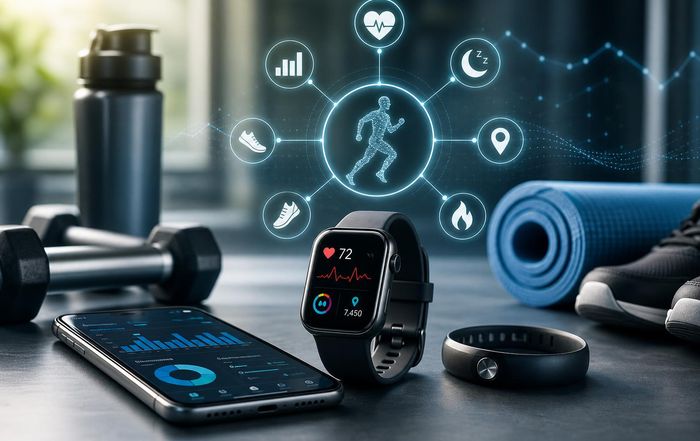
The most visible layer of this transformation is the modern wearable device, which has become far more than a passive recorder of steps or heart rate. Whether it is a wrist-worn device from Apple, Garmin, Samsung, or Fitbit, a smart ring from Oura, or a performance band from Whoop, these tools now combine continuous biometric monitoring with predictive analytics to nudge users toward smarter choices throughout the day. Devices measure heart rate variability, resting heart rate, skin temperature, sleep stages, and sometimes even blood oxygen levels, translating this information into readiness scores and personalized guidance that influence when users should train intensely, recover more deliberately, or simply go to bed earlier.
Business leaders and high-performance professionals who follow FitBuzzFeed's wellness coverage increasingly recognize that these insights are not just about vanity metrics; they are about protecting cognitive performance, decision quality, and resilience in demanding roles. Research summarized by organizations such as the World Health Organization underscores the link between physical activity and reduced risk of chronic disease, while resources from the U.S. Centers for Disease Control and Prevention highlight the economic costs of inactivity and poor health. Modern wearables turn these population-level findings into personalized, daily-level recommendations, turning abstract public health guidance into concrete prompts like "take a 10-minute walk now" or "delay high-intensity training until tomorrow."
Smarter Training: AI-Enhanced Exercise Planning and Recovery
The integration of artificial intelligence into training platforms has reshaped how athletes, weekend warriors, and busy executives structure their exercise routines. Tools from companies such as Strava, Zwift, and TrainerRoad now draw on vast datasets of performance metrics to offer adaptive training plans that adjust to real-world behavior and physiological signals. When a user in London, New York, or Tokyo underperforms in a planned interval session, the system may automatically dial back the intensity of subsequent workouts, while a string of strong performances can lead to progressive overload that is still grounded in recovery science.
This adaptive coaching is particularly valuable for individuals who juggle demanding careers with ambitious fitness goals, a demographic strongly represented in FitBuzzFeed's training and performance section. Instead of following rigid, one-size-fits-all plans, they can rely on AI-driven platforms that understand how business travel, jet lag, and late-night calls with colleagues in Europe or Asia affect recovery and readiness. Organizations like the American College of Sports Medicine provide evidence-based guidelines for safe training progression, and many digital platforms now embed these principles, ensuring that users in countries from Germany to Brazil are not merely guessing when to push and when to rest.
Recovery has become a central pillar of this smarter training paradigm. Wearables and dedicated recovery tools track sleep duration and quality, nocturnal heart rate variability, and even signs of overreaching to recommend when to prioritize lower-intensity activities such as mobility work or light cycling. Readers who follow FitBuzzFeed's physical performance insights increasingly view these technologies as essential safeguards against burnout, injury, and the kind of chronic fatigue that silently erodes productivity long before it shows up in clinical diagnoses.
Nutrition Intelligence: From Calorie Counting to Metabolic Insight
Nutrition technology has undergone a similar evolution, shifting from manual food logs and static calorie targets to dynamic systems that integrate wearables, continuous glucose monitoring, and personalized recommendations. Apps like MyFitnessPal, Cronometer, and newer AI-driven platforms now leverage image recognition to simplify food logging, while some users in the United States, Europe, and parts of Asia are adopting continuous glucose monitors originally developed for diabetes management to better understand how their bodies respond to different meals.
This emerging field of metabolic analytics is particularly relevant for professionals who need stable energy and focus across long workdays, as highlighted in FitBuzzFeed's nutrition coverage. Instead of relying solely on generalized dietary advice, individuals can see in real time how specific combinations of carbohydrates, fats, and proteins affect their blood sugar, mood, and cognitive performance. Resources from institutions such as the Harvard T.H. Chan School of Public Health and the British Nutrition Foundation provide foundational knowledge on healthy eating, and modern apps now operationalize this knowledge into daily choices, from selecting breakfast options before a major client meeting to timing post-workout meals for optimal recovery.
The intersection of nutrition technology and corporate wellness is also expanding. Many employers, particularly in North America, Europe, and Asia-Pacific, are partnering with digital nutrition platforms to offer personalized meal planning and coaching as part of broader benefits packages. These programs, which often integrate with existing wearable ecosystems, allow employees to set goals related to weight management, energy levels, or specific health markers, and receive tailored suggestions that fit within their cultural and regional food preferences. Reports from organizations like the World Economic Forum increasingly emphasize that such integrated approaches to nutrition and wellness are not only beneficial for individuals but also for organizational resilience and competitiveness.
Workplace Wellness Platforms: Aligning Business and Health Outcomes
In 2026, fitness technology is no longer confined to personal devices and apps; it is increasingly embedded in the digital infrastructure of workplaces across the United States, Europe, Asia, and beyond. Enterprise wellness platforms, often provided by companies such as Virgin Pulse, Limeade, or regional specialists, aggregate data from wearables, mental health apps, and ergonomic assessments to give both employees and employers a clearer picture of organizational well-being. For readers of FitBuzzFeed's business section, this represents a significant shift in how human capital is managed and measured.
These platforms typically offer dashboards that track participation in wellness programs, average activity levels, sleep trends, and other anonymized metrics, enabling HR and leadership teams to identify patterns that may signal burnout risk, disengagement, or the need for targeted interventions. Guidelines from the International Labour Organization and the European Agency for Safety and Health at Work underscore the importance of proactive occupational health strategies, and digital wellness platforms now provide the tools to operationalize these recommendations at scale in sectors ranging from finance and technology to manufacturing and logistics.
Importantly, the most advanced implementations go beyond generic step challenges or wellness points. They integrate with scheduling systems, collaboration tools, and even building access control to encourage micro-decisions that support health: suggesting walking meetings for short internal discussions, recommending five-minute movement breaks after long periods of screen time, or highlighting quieter times at on-site fitness facilities to reduce crowding. For globally distributed teams, particularly in industries like technology and consulting, these tools help create a shared culture of health that transcends time zones and national boundaries, aligning with the holistic lifestyle perspective promoted in FitBuzzFeed's lifestyle coverage.
Mental Health, Stress, and the Rise of Digital Resilience Tools
As the world has navigated geopolitical tensions, economic uncertainty, and rapid technological disruption, mental health has become a core focus for both individuals and organizations. Fitness technology has responded with a wave of tools that integrate mindfulness, stress tracking, and cognitive training into daily routines. Apps such as Headspace, Calm, and Balance now connect with wearables to adjust breathing exercises or meditation recommendations based on real-time stress indicators like heart rate variability or elevated resting heart rate.
For professionals across continents-from Tokyo to Toronto, from Berlin to Johannesburg-these tools offer a pragmatic way to build psychological resilience without requiring large blocks of uninterrupted time. Short, guided sessions are integrated into calendars, triggered by biometric signals, or suggested after high-stakes events such as earnings calls, product launches, or major negotiations. Organizations like the National Institute of Mental Health and the Mental Health Foundation provide evidence-based frameworks for understanding stress and anxiety, and digital platforms increasingly use this research to craft interventions that are both accessible and grounded in clinical science.
For active individuals who follow the site's health coverage, the key development is that mental health support is becoming more integrated with physical performance tracking. Instead of treating sleep, exercise, and mood as separate domains, modern platforms present them as an interconnected system, illustrating, for example, how a late-night workout affects sleep latency, which in turn influences stress reactivity the following day. This systems perspective encourages users to make smarter daily decisions that account for downstream effects, rather than optimizing isolated variables in ways that may ultimately be counterproductive.
Global Adoption and Cultural Adaptation of Fitness Technology
The spread of fitness technology tools has been truly global, but adoption patterns and usage styles vary across regions, reflecting cultural norms, regulatory environments, and infrastructure differences. In North America and much of Western Europe, high penetration of smartphones and wearables has made it relatively easy for individuals to adopt comprehensive digital health ecosystems, and many employers in the United States, the United Kingdom, Germany, and the Netherlands now view such tools as standard components of benefits packages. In Asia-Pacific markets such as South Korea, Japan, Singapore, and Australia, strong technology infrastructure and urban lifestyles have fostered rapid uptake of connected fitness platforms, from smart gyms to virtual cycling communities.
At the same time, emerging markets in Africa and South America are seeing innovative, mobile-first solutions that prioritize accessibility and affordability. In countries like South Africa and Brazil, for instance, local startups are building fitness and wellness apps that work well on lower-cost devices, integrate with popular messaging platforms, and account for regional sports and activity preferences. Global organizations such as the World Bank and the OECD have highlighted the potential for digital health tools to bridge gaps in access to preventive care and education, and fitness technology is increasingly part of that broader digital health narrative.
For a globally oriented outlet like FitBuzzFeed World, this diversity of adoption is a critical storyline. It underscores that while the underlying technologies-sensors, cloud computing, AI-may be similar, the way they shape daily decisions in Stockholm or Copenhagen can differ markedly from how they are used in Bangkok, Kuala Lumpur, or rural regions of New Zealand. Successful tools are those that respect local context, language, and lifestyle while still delivering the core promise of data-informed, healthier choices.
Data Privacy, Ethics, and Trust in the Fitness Tech Ecosystem
As fitness technology tools become more deeply embedded in everyday life and work, questions of privacy, data security, and ethical use have moved to the forefront. Wearables and wellness platforms collect sensitive biometric and behavioral data that, if misused, could impact employment decisions, insurance pricing, or personal reputations. Building and maintaining trust is therefore central to the long-term viability of this ecosystem, especially for business professionals who are acutely aware of regulatory and reputational risks.
Regulatory frameworks such as the EU General Data Protection Regulation (GDPR) and various national privacy laws in countries like Canada, Australia, and Brazil set baseline expectations for data handling, but organizations and technology providers are increasingly going beyond compliance to demonstrate ethical leadership. The Electronic Frontier Foundation and the Future of Privacy Forum regularly highlight best practices and emerging risks in digital health and fitness data, and informed users now scrutinize privacy policies, data-sharing agreements, and anonymization practices before fully committing to a platform.
For companies that feature prominently in FitBuzzFeed's brands and business coverage, transparency has become a competitive differentiator. Clear explanations of what data is collected, how it is used, and with whom it is shared, along with robust security measures and user control over data deletion, are increasingly seen as non-negotiable components of a trustworthy fitness technology offering. In corporate settings, employers must be especially careful to ensure that participation in wellness programs is genuinely voluntary, that data is properly de-identified, and that health-related information is never used to disadvantage employees in hiring, promotion, or compensation decisions.
The Future Convergence: AI, Biomarkers, and the Intelligent Daily Environment
Looking ahead, the most transformative developments in fitness technology may come from the convergence of AI, advanced biomarkers, and ambient computing. Research institutions such as the Mayo Clinic and the Cleveland Clinic are exploring how emerging biomarkers-ranging from continuous blood pressure monitoring to non-invasive hormonal assessments-can provide deeper insight into cardiovascular strain, metabolic health, and stress. As these capabilities migrate into consumer-grade devices and smart home systems, the environment itself may become an intelligent coach that shapes daily decisions with minimal friction.
Imagine an office in Frankfurt, Toronto, or Singapore where lighting, temperature, and noise levels automatically adjust based on aggregated biometric data indicating widespread afternoon fatigue, or a home in Sydney or Stockholm where the kitchen display suggests dinner options that align with the household's recent activity levels, sleep patterns, and nutrition goals. For followers of FitBuzzFeed's technology section, this vision is not science fiction but a logical extension of current trends in the Internet of Things and AI-driven personalization. The key challenge will be to harness this power in ways that enhance autonomy rather than erode it, supporting individuals in making better choices without creating a sense of constant surveillance or algorithmic overreach.
At the same time, the growing sophistication of predictive analytics raises important questions about equity and access. If the most advanced tools remain available primarily to affluent users in North America, Western Europe, or parts of East Asia, existing health disparities could widen. International organizations like the World Health Organization are increasingly focused on digital health equity, and stakeholders across the fitness technology value chain will need to collaborate on models that make advanced tools accessible to diverse populations, including those in lower-income regions and underserved communities.
Integrating Fitness Technology into a Coherent Personal Strategy
For the global, performance-oriented audience of FitBuzzFeed, the central question is no longer whether to use fitness technology, but how to integrate it into a coherent, sustainable strategy that aligns with personal and professional goals. With an abundance of devices, apps, and platforms available in markets from the United States and Canada to France, Italy, Spain, and beyond, the risk is that individuals accumulate fragmented tools that generate data but do not meaningfully improve decisions.
The most effective approach is to treat fitness technology as a layered decision-support system rather than a collection of gadgets. At the base layer, wearables provide continuous, objective data about movement, sleep, and basic physiology. The next layer consists of specialized apps for training, nutrition, and mental health that interpret this data in context and translate it into actionable recommendations. On top of that, workplace platforms and organizational policies create an environment that either reinforces or undermines healthy choices. Finally, personal reflection and self-awareness remain essential, ensuring that technology augments rather than replaces human judgment.
Fans who regularly engage with the fitness and sports coverage understand that performance is built over time through consistent, informed decisions rather than occasional grand gestures. Fitness technology tools, when chosen carefully and used thoughtfully, can make those decisions easier, more timely, and more aligned with long-term well-being. The challenge and opportunity in 2026 lie in curating an ecosystem of tools that fits one's unique lifestyle, cultural context, and ambitions, while remaining vigilant about privacy, equity, and the human element that ultimately drives lasting change.
As the boundaries between health, work, and technology continue to blur, hubs like this will play an increasingly important role in helping readers navigate this complexity, translating rapid innovation into practical strategies for smarter daily decisions that support not only physical fitness, but also resilience, performance, and quality of life in an unpredictable world.